DbcultAccessing Vault...
4.2/10
Senior Film Conservator
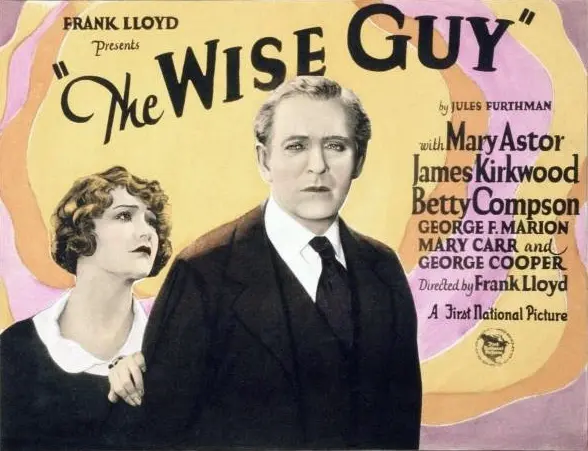
A definitive 4.2/10 rating for a film that redefined the boundaries of cult cinema. The Wise Guy remains a cornerstone of transgressive art.
Short answer: Yes, but it’s a film that requires a certain amount of historical curiosity and appreciation for silent films to fully embrace. The Wise Guy offers a fascinating glimpse into early 20th-century America, particularly its religious and entertainment landscapes. It’s not for casual filmgoers or those looking for a straightforward narrative, but rather for those interested in silent films, historical cinema, and stories that blend comedy and drama with a touch of the supernatural.
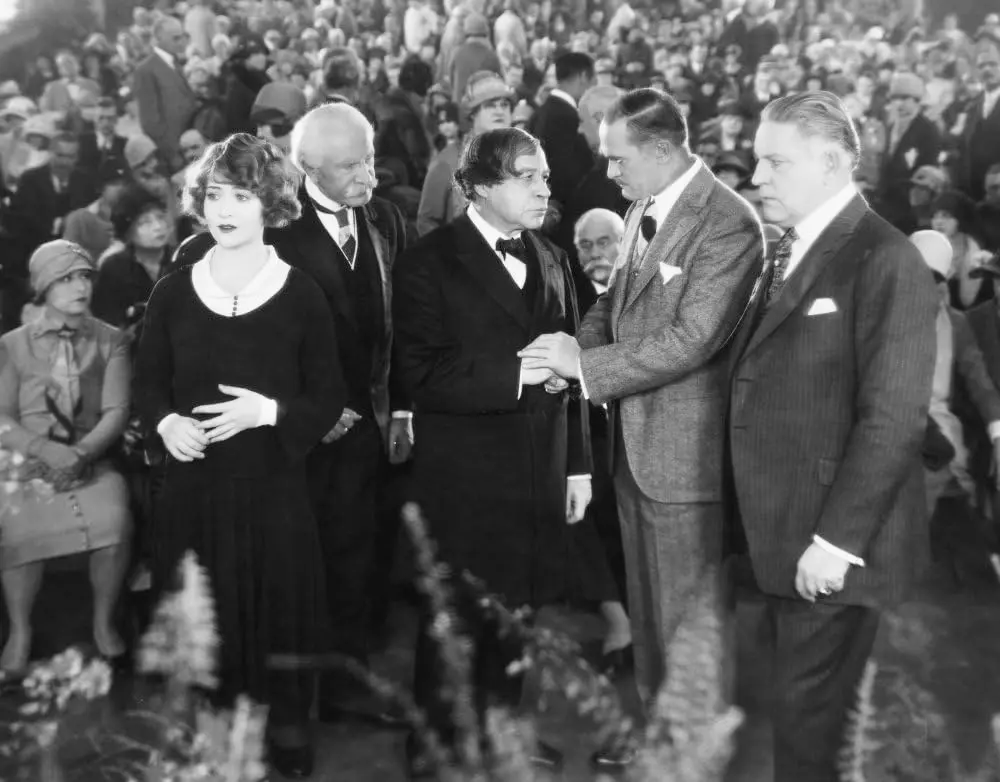
The Wise Guy works because of its unique blend of genres. It seamlessly transitions from humor to drama, and even touches on religious themes without feeling preachy. The performances, particularly Betty Compson as Mary and George F. Marion as Guy Watson, are both compelling and nuanced. Marion's ability to convey complex emotions through subtlety and Compson's transformation from a frivolous performer to a serious believer are highlights.
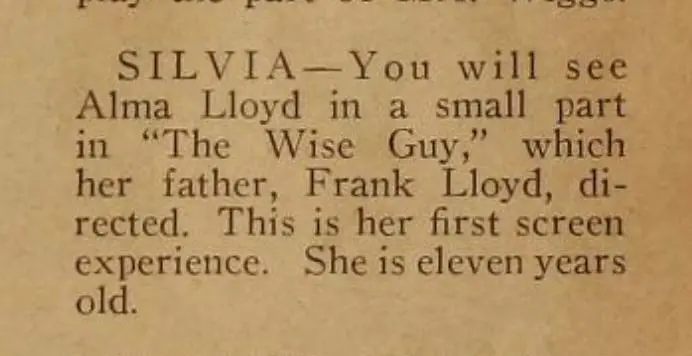
The film’s pacing can be uneven, with stretches that might feel slow for modern audiences. The transitions between scenes can be abrupt, and the religious elements, while interesting, can be heavy-handed at times. Additionally, the film relies heavily on its historical context to resonate, which might be lost on contemporary viewers unfamiliar with the era.
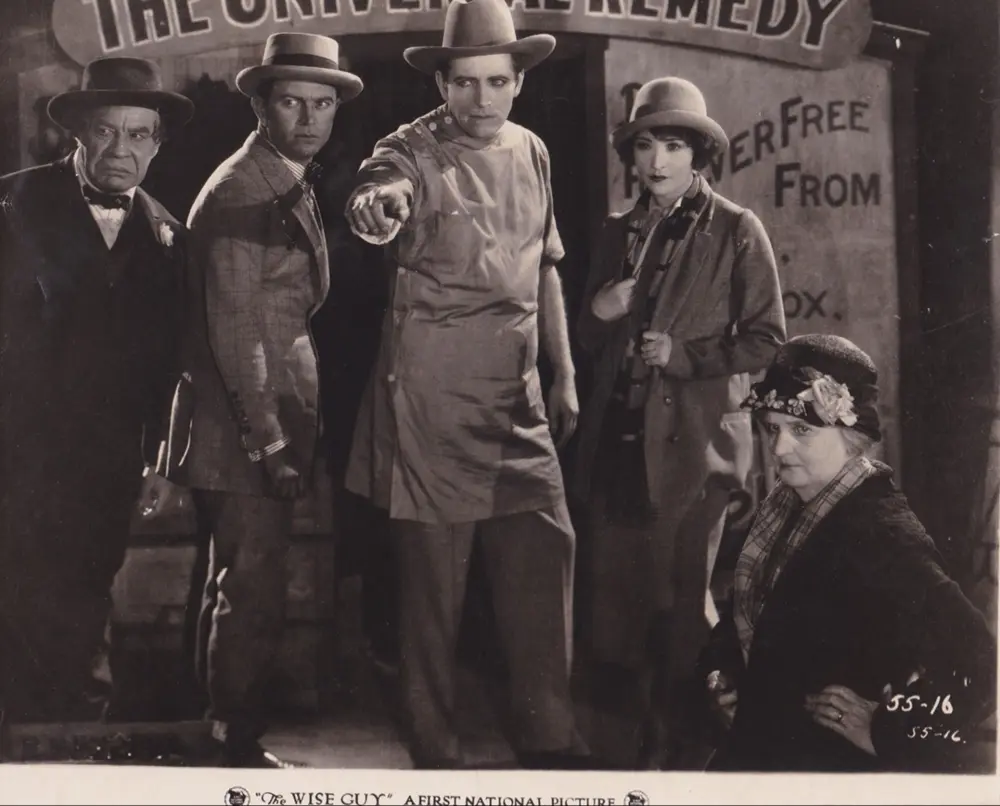
You should watch it if you are a fan of silent films, particularly those that blend comedy and drama. The film provides a unique look at early 20th-century America and its religious and entertainment landscapes. It’s also worth watching for the performances of Betty Compson and George F. Marion and for those interested in the historical context of early American cinema.
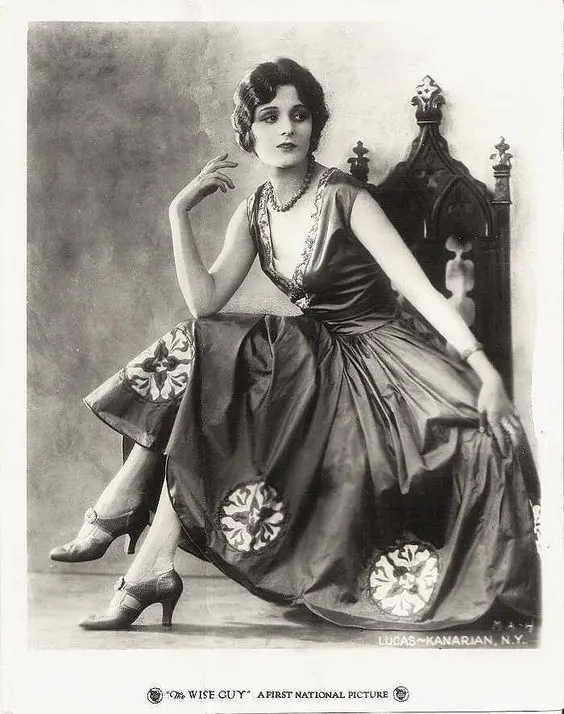
Betty Compson’s performance as Mary is particularly noteworthy. Her journey from a frivolous performer to a serious believer is well-acted and emotionally resonant. Compson brings a depth to her character that makes her transformation believable. George F. Marion, as Guy Watson, is equally compelling. His ability to convey a range of emotions without dialogue is impressive, and his scenes with Compson are particularly touching.
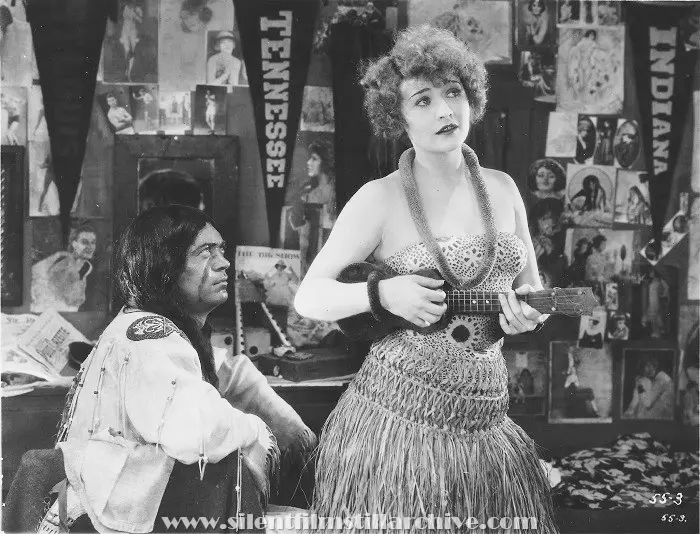
The film’s direction by Jules Furthman and Adela Rogers St. Johns is effective in capturing the essence of the silent film era. The cinematography is particularly noteworthy for its ability to convey emotion and atmosphere, even without the aid of sound. The use of shadows and light to emphasize key moments is a standout feature of the film’s visual style.
The film’s pacing can be a bit uneven. The transition from comedy to drama can sometimes feel jarring, and there are moments where the film feels like it’s moving too slowly. However, these moments are balanced by the film’s more engaging and emotionally resonant scenes.
The film’s tone shifts seamlessly from the humorous to the dramatic, and even the religious elements are handled with a light touch. The film’s tone is reflective of its historical context, and while it might feel a bit dated at times, it’s still effective in conveying its themes.
Despite its uneven pacing and reliance on a specific historical context, The Wise Guy is a film that rewards those willing to engage with it. It offers a fascinating look at early 20th-century America and its religious and entertainment landscapes, and the performances of Betty Compson and George F. Marion are particularly compelling.
It works. But it’s flawed. The Wise Guy is a fascinating film that offers a unique look at early 20th-century America and its religious and entertainment landscapes. It provides a window into the historical context of early American cinema and the performances of Betty Compson and George F. Marion are particularly compelling. However, its uneven pacing and reliance on a specific historical context might make it more appealing to those with a particular interest in silent films and early American cinema. It’s a film that requires a certain amount of historical curiosity and appreciation for silent films to fully embrace, but it’s well worth the watch for those who do.
IMDb 6.4
1919
Community
Log in to comment.