DbcultAccessing Vault...
Cult Review
Senior Film Conservator
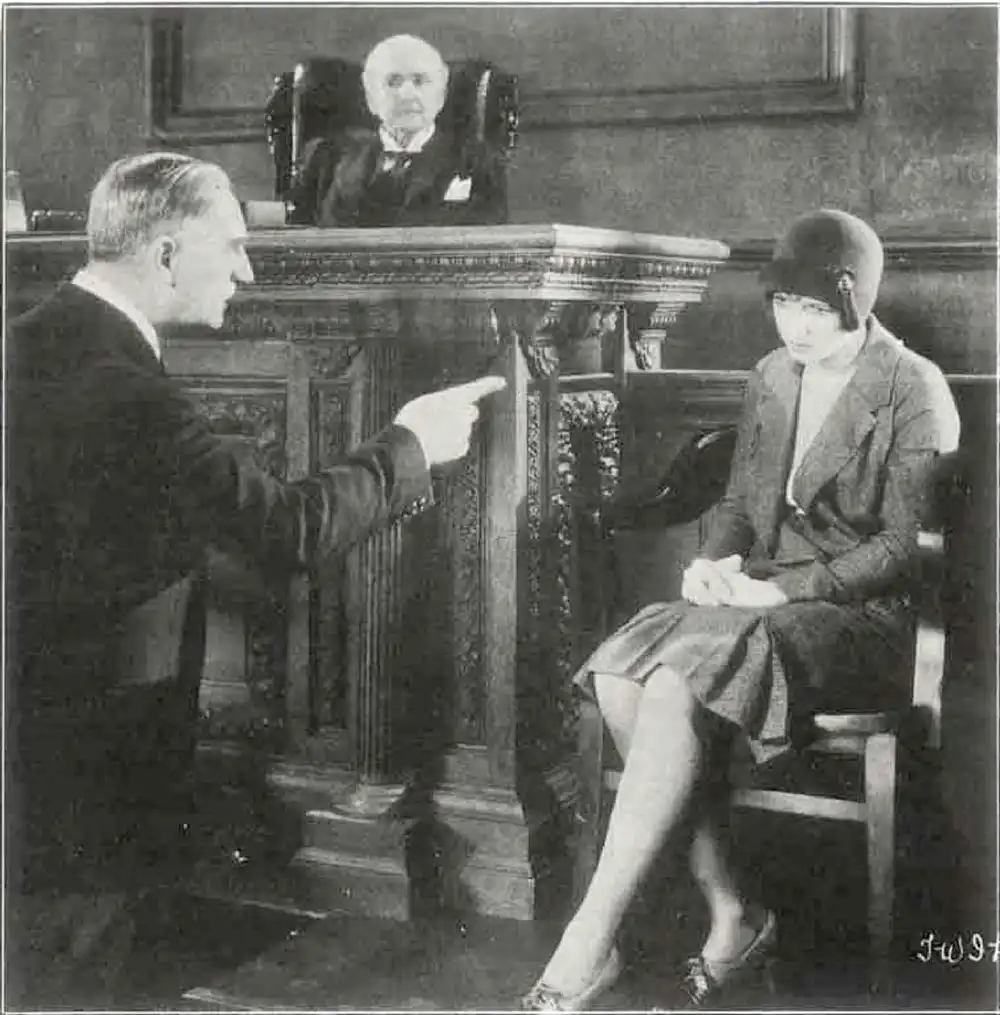
Okay, so "The Woman I Love" from way back in 1927. Is it worth checking out today? Well, if you're a silent film enthusiast or just super curious about how movies worked nearly a hundred years ago, then yeah, probably. But if you're hoping for snappy dialogue or a modern pace, you'll likely be bored stiff. This one's really for the patient ones, for people who like to dig into film history. 🕰️
The whole thing unfolds without a single spoken word, naturally. Just a piano score (or at least, that's what I heard in my head, maybe it was a full orchestra on opening night?) and those intertitles popping up. Sometimes they feel like a conversation, other times they're just… telling you what just happened. Like, "He was very sad." Yes, film, I saw his face. It was pretty clear. 😅
Robert Frazer, bless his heart, really leans into the dramatic gestures. Every emotion is broadcast with his whole body, especially his hands. When he’s supposed to be anguished, his arms go up like he’s trying to catch a falling piano. It’s almost comical, but then you remember how they had to *perform* back then.
Margaret Morris, as the titular woman, she has this way of looking off-camera. It’s supposed to be longing, I think, but sometimes it just looks like she’s trying to remember if she left the stove on. There’s a scene with her by a window, the light hitting her just so, and it’s actually quite beautiful, a really *nice* shot for its time. You see a glimpse of what these filmmakers were striving for.
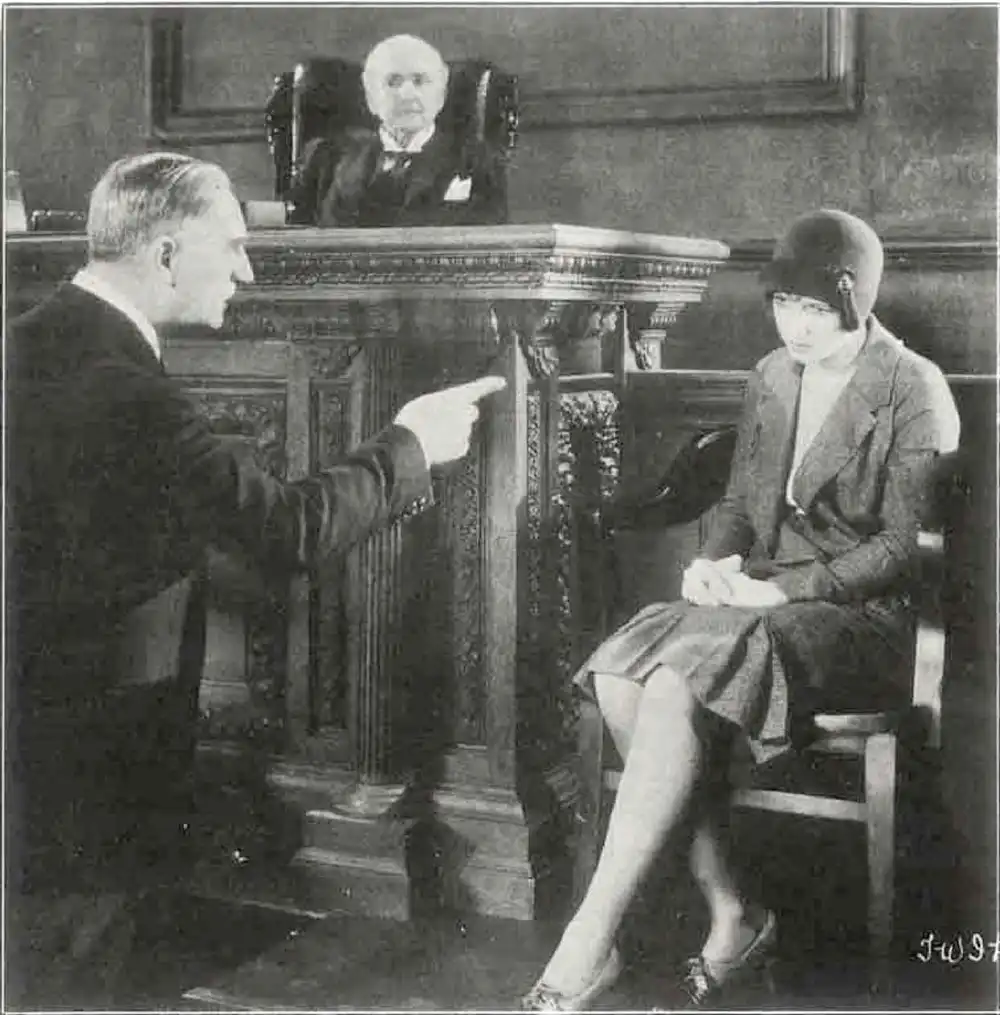
The plot, you know, it’s a silent film plot. Someone loves someone, there’s a misunderstanding, maybe a rival. It’s all very grand and dramatic, but also kind of simple when you boil it down. There’s a moment involving a letter, and the way it gets passed around and almost read, then snatched away… it goes on about 20 seconds too long, and the silence starts to feel awkward rather than emotional. You just want someone to *read the darn letter!*
Bert Moorhouse, his part is a bit understated compared to the others. He mostly just looks stern or mildly surprised. It's a contrast that sometimes works, sometimes makes you wonder if he forgot his lines... or rather, his *gestures*. There’s a specific close-up of him, just his eyes, and it’s actually quite effective. _Piercing_, even. It cuts through the melodrama for a moment.
Watching this, you really get a sense of the pacing of the era. Things move slowly. You can almost feel the movie trying to convince you this moment matters, stretching out a reaction shot or a walk across a room. The crowd scenes have this oddly empty feeling, like half the extras wandered off for a coffee break. It’s not quite bustling.
The whole thing feels like a time capsule, a glimpse into storytelling when the rules were still being written. It’s not The Telephone Girl, which had a bit more spark, but it’s interesting enough if you’re in the mood for something *very* old. Don't expect to be on the edge of your seat, but do expect a quiet kind of charm. 😊
IMDb 6.2
1933
Community
Log in to comment.