Germany
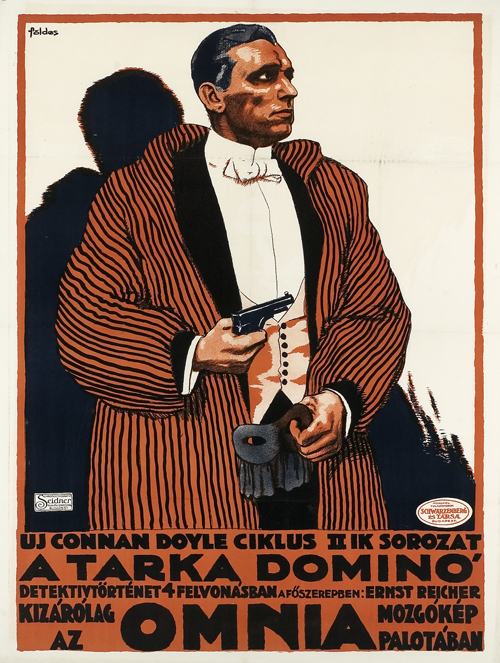
If you whistle while walking Vienna’s Ringstrasse at 3 a.m. today, the arc-lights will bleach your shadow into anonymity; but in 1916 the streetlamps were syphilitic, their glow the colour of absinthe turning sour, and every silhouette carried a daggered biography. Der gestreifte Domino is the celluloid ghost of that ...
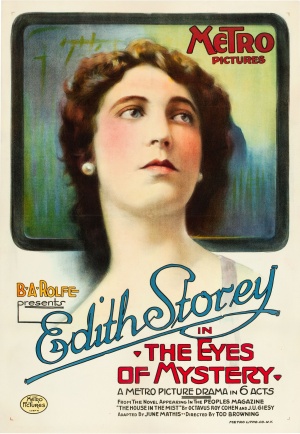
Comparing the cinematic DNA and archive impact of two defining moments in cult history.
Adolf Gärtner
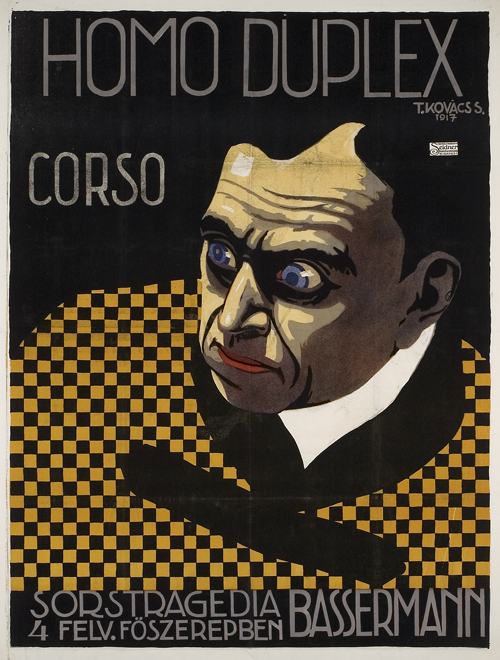
Adolf Gärtner
Community
Log in to comment.
" If you whistle while walking Vienna’s Ringstrasse at 3 a.m. today, the arc-lights will bleach your shadow into anonymity; but in 1916 the streetlamps were syphilitic, their glow the colour of absinthe turning sour, and every silhouette carried a daggered biography. Der gestreifte Domino is the celluloid ghost of that moment—an artefact so feverishly stylized it feels less like a crime caper than like cocaine injected straight into the iris. The Mask as Moral X-Ray Ludwig Trautmann’s physique b..."
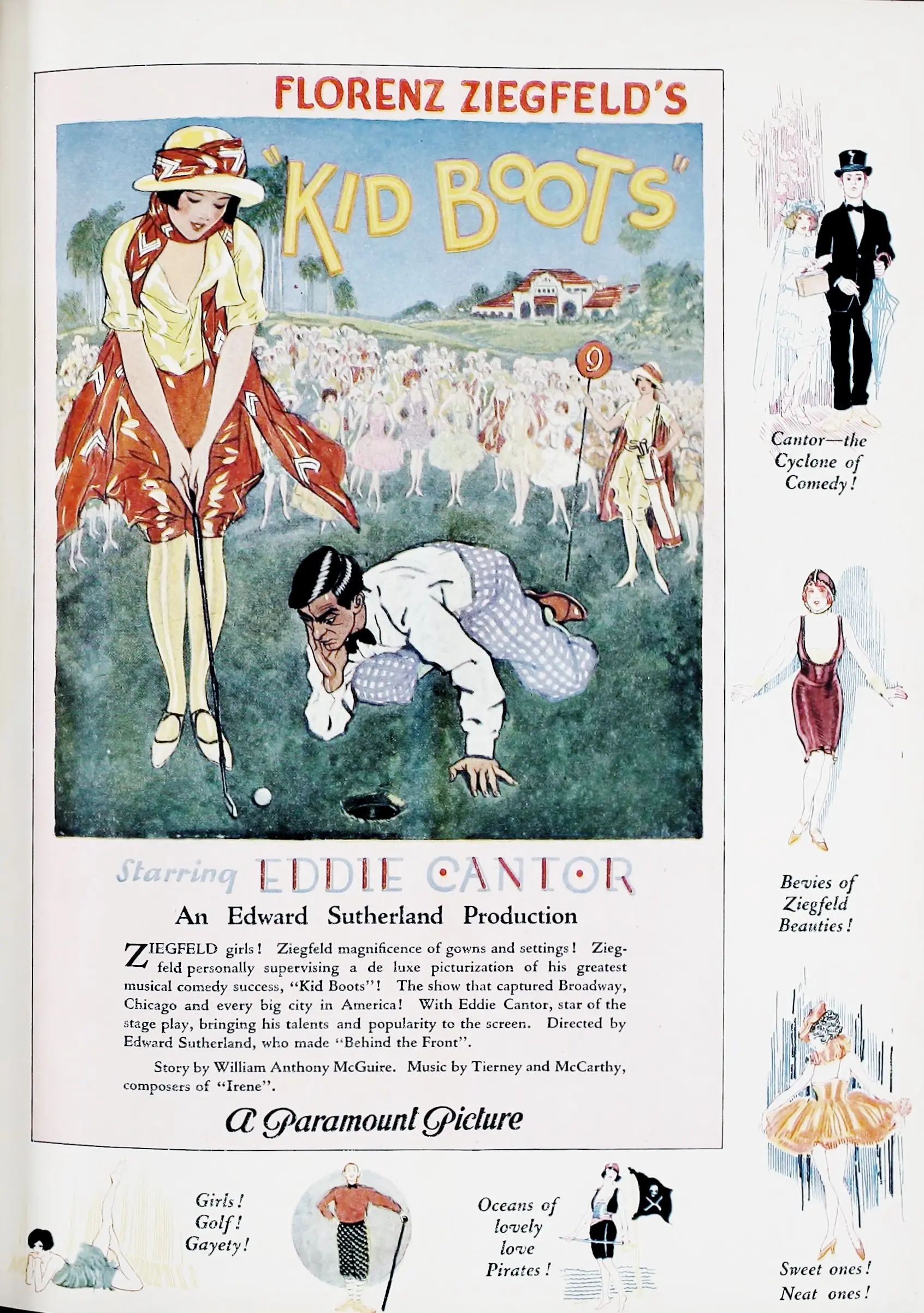
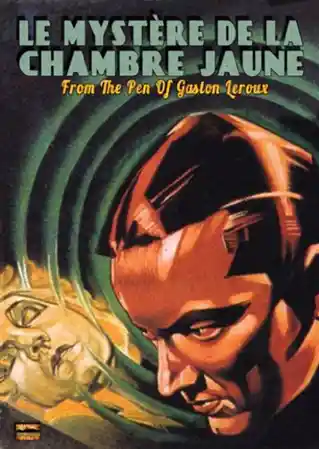
Deep dive into the cult classic
Discover similar cinematic experiences
A Directorial Spotlight on Adolf Gärtner