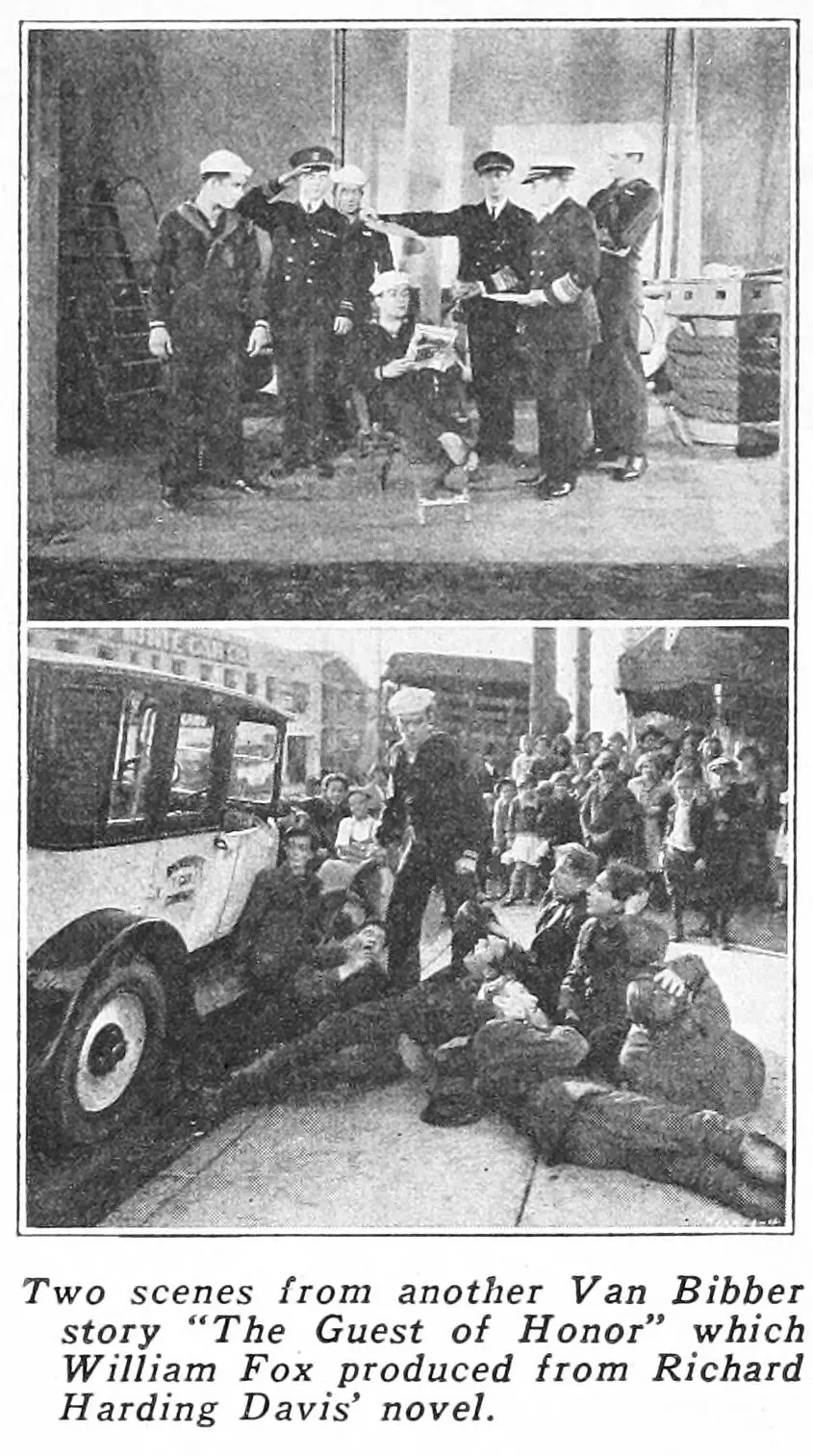
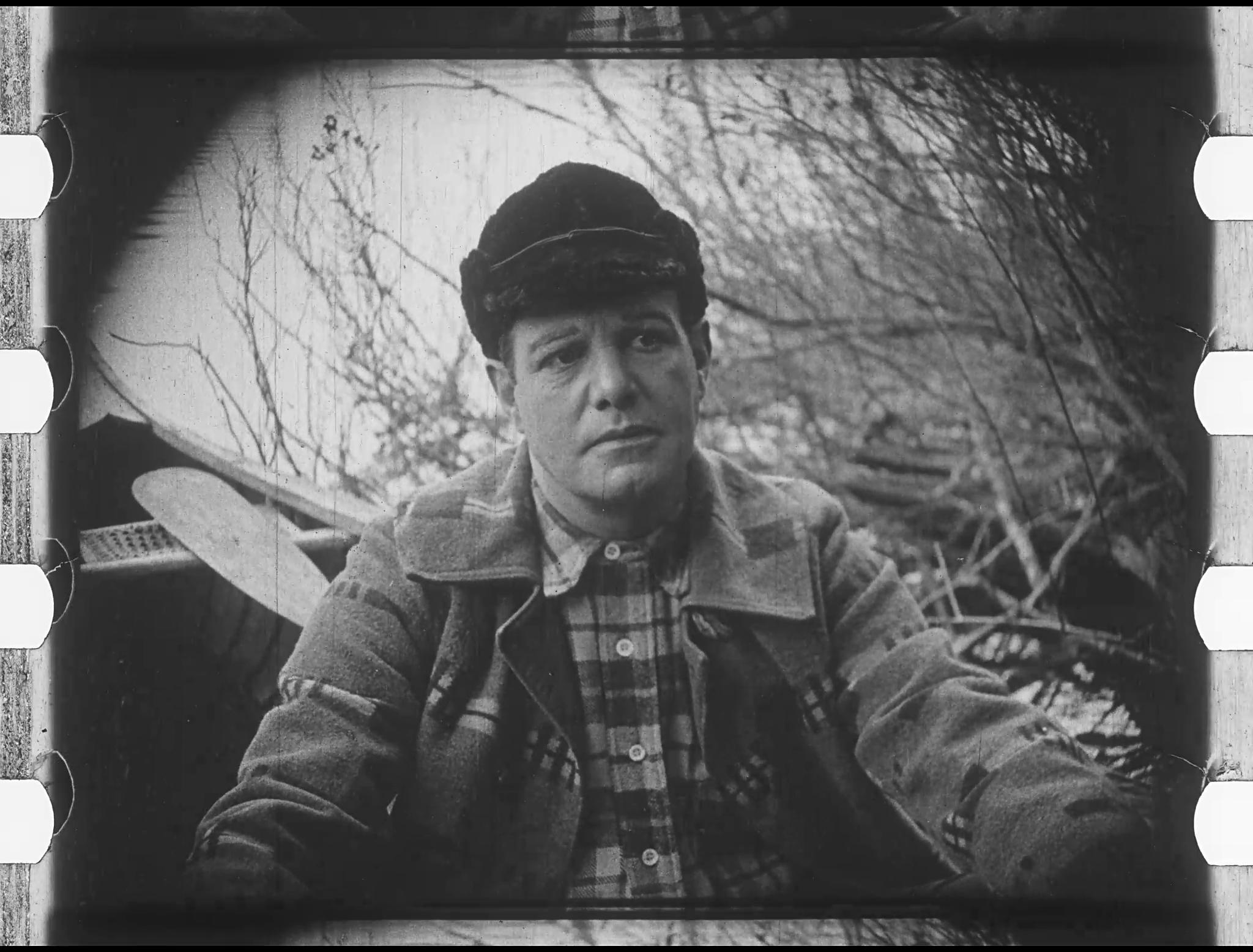
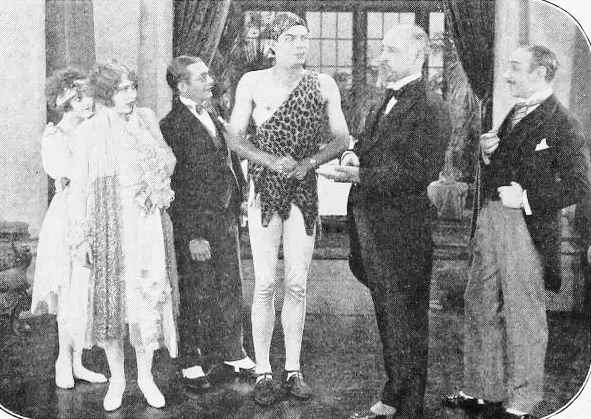
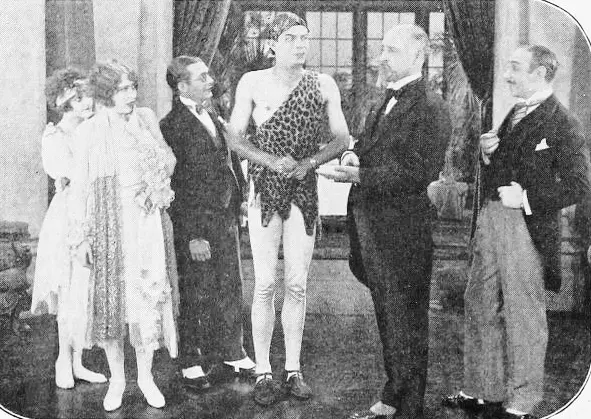
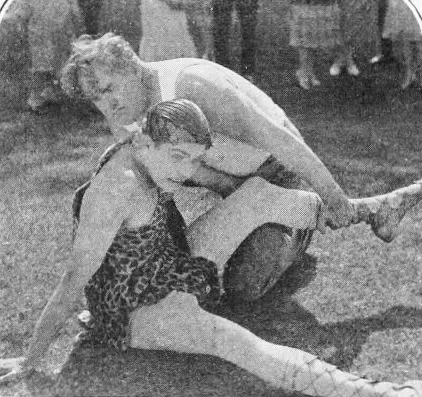
Van Bibber, wealthy fashion plate traveling with friends in Russia, is called upon to save a Russian dancer from the attentions of a famous wrestler, both of whom are fellow passengers on the train. He reluctantly goes to the task and with the aid of the lurching of the train succeeds in throwing the wrestler, which brings him fame and the unwanted devotion of the dancer.
Is The Wrestler worth watching today? Short answer: yes, but with a crucial caveat. This early silent comedy, a charming relic from 1914, offers a fascinating glimpse into the nascent stages of cinematic storytelling and physical humor. It's a film for those who appreciate the historical context of cinema, the simple e...
still_frame
still_frame
Comparing the cinematic DNA and archive impact of two defining moments in cult history.
Robert P. Kerr
Charley Chase
Community
Log in to comment.
In a delightful subversion of heroic archetypes, The Wrestler introduces Van Bibber, a fastidious fashion plate whose privileged European travels are abruptly interrupted by an unexpected, and entirely unwelcome, call to valor. Aboard a Russian train, he finds himself reluctantly pitted against a formidable wrestler, tasked with shielding a dancer from the grappler's unwanted affections. Through a stroke of preposterous fortune – specifically, the train's violent lurching – Bibber accidentally triumphs, inadvertently securing both fame and the dancer’s inconvenient devotion. This accidental heroism sets the stage for a far grander, and equally absurd, challenge orchestrated by the jealous Duke, a rival for Van Bibber's sweetheart, Sylvia. Facing the notorious Strangler Stransky, Van Bibber’s doom appears certain, yet he once again defies all logic and wrestling technique, propelled by a series of comically improbable events to an improbable victory, solidifying his status as a reluctant, bumbling champion.
"Is The Wrestler worth watching today? Short answer: yes, but with a crucial caveat. This early silent comedy, a charming relic from 1914, offers a fascinating glimpse into the nascent stages of cinematic storytelling and physical humor. It's a film for those who appreciate the historical context of cinema, the simple elegance of silent-era gags, and the sheer audacity of a plot driven by accidental heroism.However, if your viewing habits lean exclusively towards modern blockbusters, intricate na..."
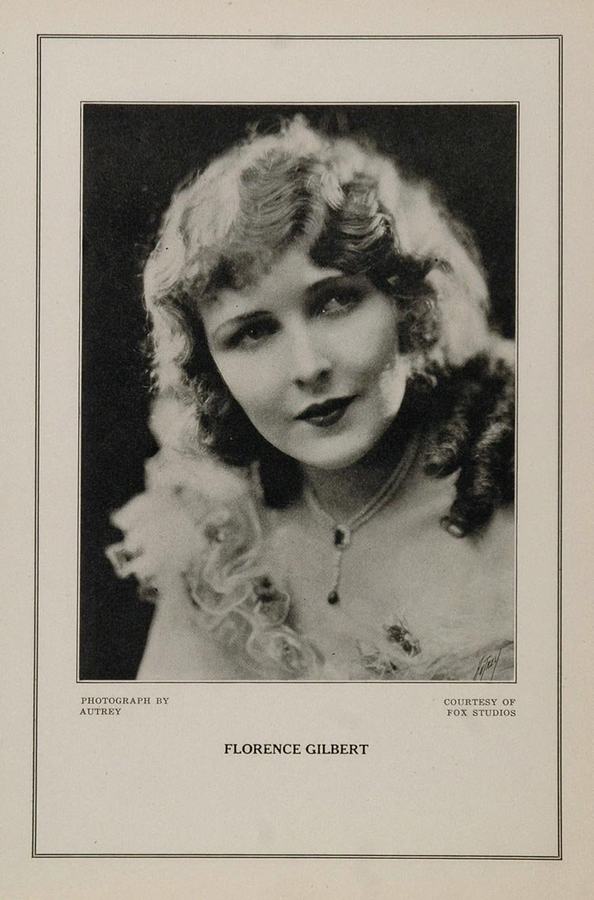
Florence Gilbert
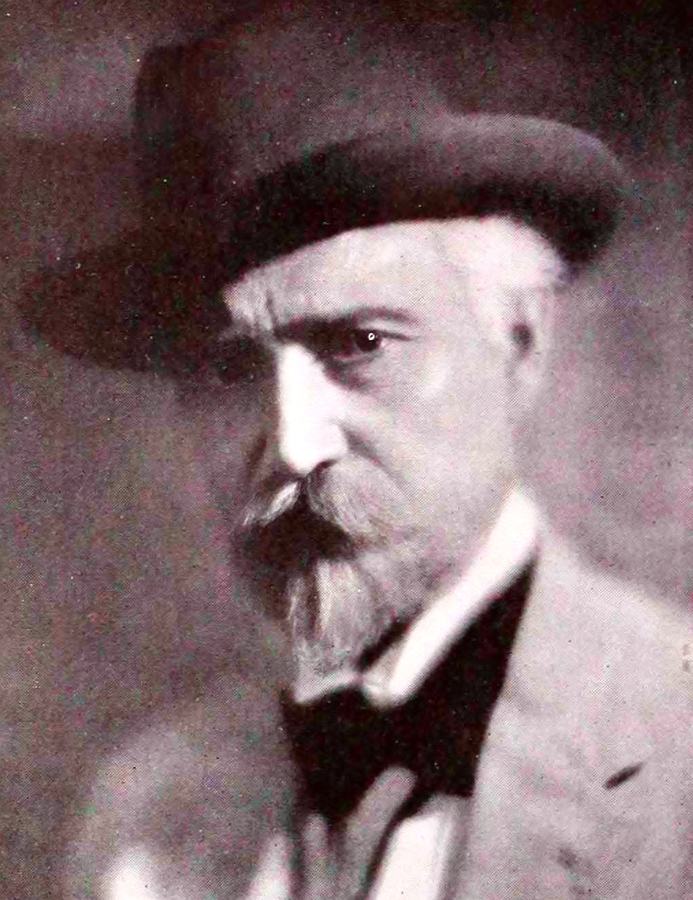
Richard Harding Davis
United States