DbcultAccessing Vault...
Cult Review
Senior Film Conservator
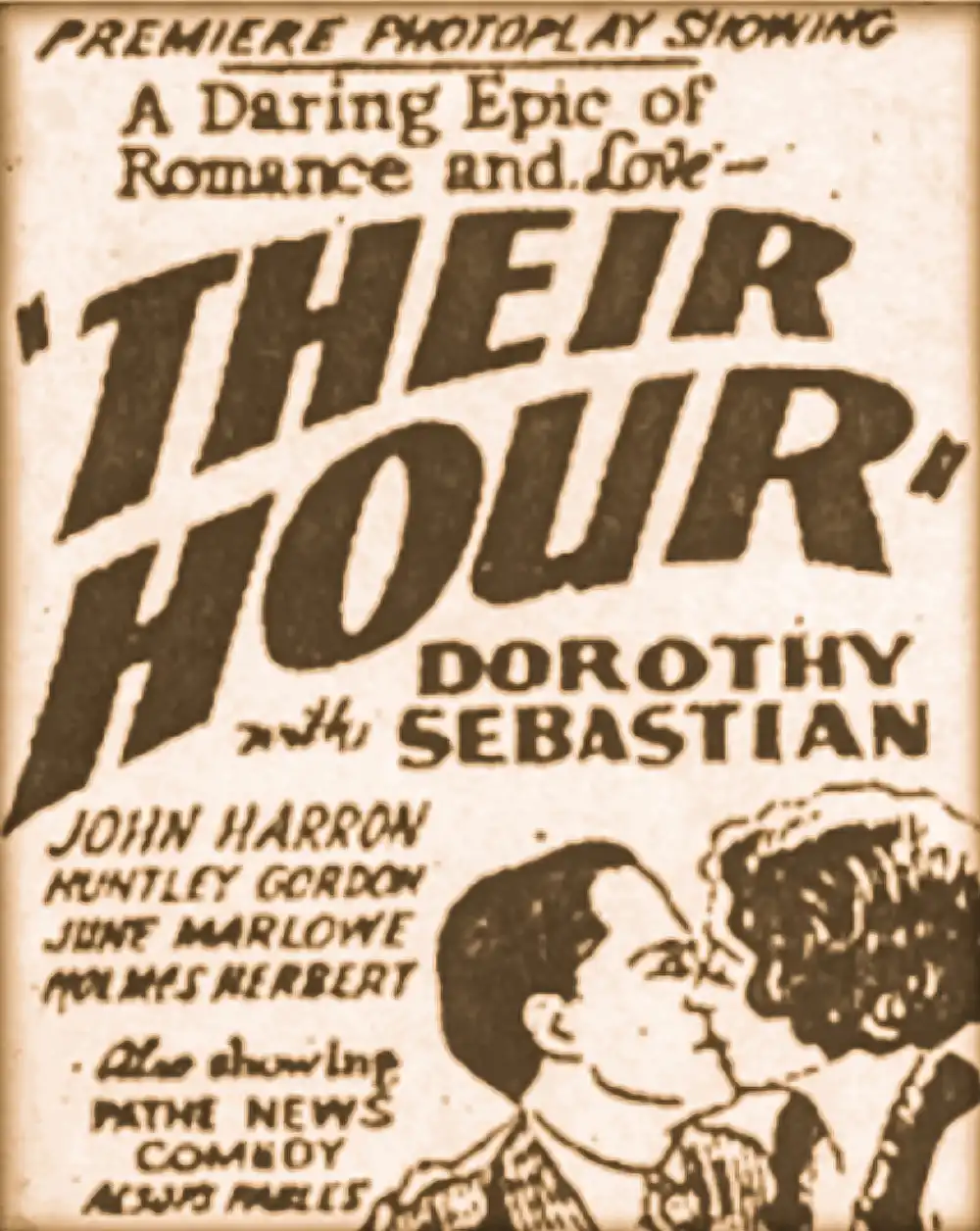
Alright, so 'Their Hour.' Is it worth digging up today? Look, if you’re a serious student of silent cinema, or just really into seeing how certain acting styles evolved, then yeah, maybe. There are some interesting bits. But if you’re looking for something to just kick back and enjoy, a film that really holds up, you’ll probably find yourself checking your watch more than once. It’s definitely for the patient, the curious, and those who can appreciate the quirks of an earlier era. Everyone else? You might be better off with The Three Godfathers, honestly.
The whole thing kind of starts with this earnest, almost naive energy. June Marlowe, as the central figure, carries a lot of the emotional weight, and she does a decent job. You can see her trying to convey real feeling through those big, expressive gestures that were the lingua franca of the silent screen. Sometimes it works, like in that scene where she’s staring out the window, and the light just catches her face in a way that feels genuinely melancholic. You almost forget the slightly over-the-top hand-wringing she was doing just moments before.
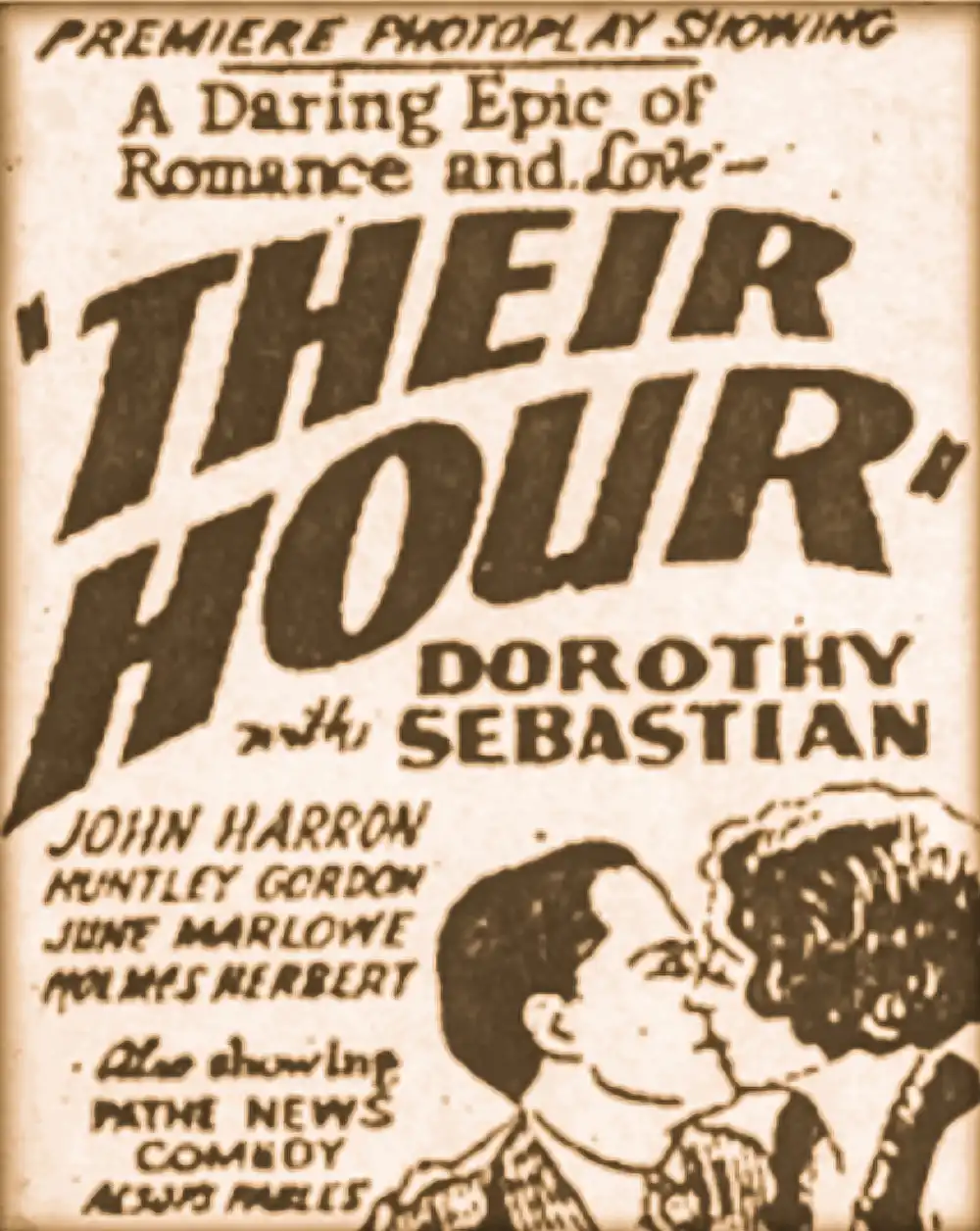
Then there are moments that just… linger. There’s a particular shot of John Harron’s character, the sort-of villain or at least antagonist, leaning against a fireplace. He’s supposed to be brooding, I guess. But the camera holds on him for so long, and his expression is so consistently a sort of vague dissatisfaction, that it becomes less 'menacing' and more 'waiting for the director to yell cut.' You can almost feel the film trying to convince you this moment matters more than it actually does. It feels about 15 seconds too long, and you start to wonder if he just forgot his line.
The pacing, for the most part, is pretty standard for the period, but there are these strange little hiccups. A few scenes feel like they're just there to pad things out, especially in the middle act. There’s a whole sequence at what I assume is a bustling city market that looks curiously empty. Like half the extras went on a lunch break and never came back. The frantic energy the intertitles try to convey just isn't there visually.
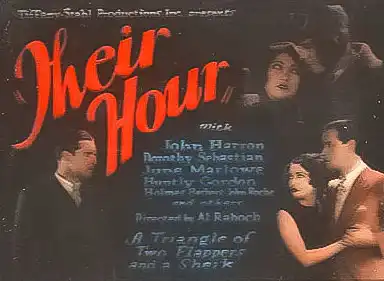
And speaking of intertitles, some of them are just wild. There’s one that describes a character’s 'soul-wrenching torment' right after he’s spilled a drink on his shirt. It’s a tonal mismatch that’s hard to ignore. You can’t help but chuckle a little, even though you know it’s meant to be serious. This happens a few times. The melodrama is dialled up to eleven in the text, but the visuals sometimes only hit a seven.
The costumes, too, are a mixed bag. June Marlowe’s dresses are often quite lovely, very much of the period, and they help define her character's journey from modest to a bit more worldly. But then you get some of the background characters, especially in those ballroom scenes, where the tailoring looks a little… homemade. Like they pulled a bunch of stuff from a community theatre's costume closet. It pulls you out of the illusion just a touch.
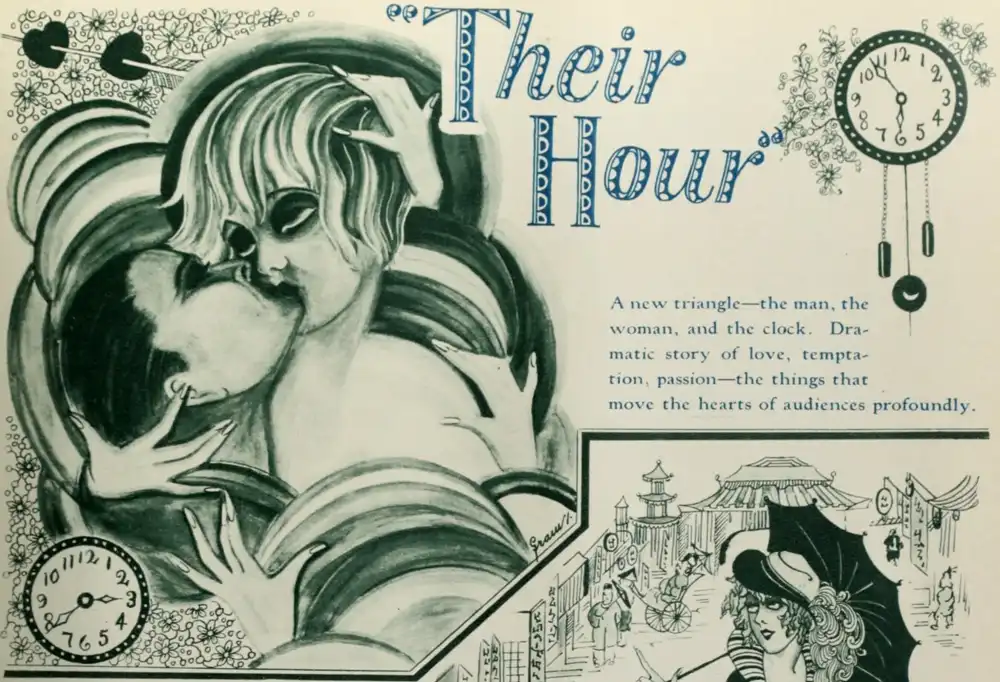
One thing that unexpectedly works is the chemistry between Marlowe and John Roche. Their scenes together, even when the dialogue (via intertitles) is a bit stiff, have a certain spark. You believe their connection, or at least you want to. It’s a relief when they’re on screen because it grounds the film in something genuinely human, rather than just grand gestures.
However, the film gets bogged down when it tries to introduce too many side plots. There’s a whole subplot involving some shady business dealings that feels tacked on. It feels like the writers, Viola Brothers Shore and Albert S. Le Vino, threw it in to raise the stakes, but it just complicates things without really adding emotional depth. It's almost like watching two different movies trying to merge, and they don't quite fit.
There’s a moment near the end, a confrontation scene, that goes on about 30 seconds too long. The silence stretches, and the exaggerated expressions become almost comical. You’re waiting for something to happen, a resolution, anything, but it just sort of hangs there. It’s a good example of how sometimes, less is more, especially when you’re relying on pure visual acting.
Ultimately, 'Their Hour' is a curious piece of cinematic history. It’s not a masterpiece, and it’s certainly not going to convert anyone who isn’t already a fan of silent films. But it offers a window into the narrative conventions and acting styles of its time, with all their charming imperfections and occasional missteps. If you approach it with patience and a sense of historical curiosity, you might find something to appreciate in its earnest, if sometimes clunky, attempt at drama. Just don't expect a smooth ride.
IMDb 6.5
1936
Community
Log in to comment.