DbcultAccessing Vault...
5.8/10
Senior Film Conservator
A definitive 5.8/10 rating for a film that redefined the boundaries of cult cinema. The Living Image, or the Lady of Petrograd remains a cornerstone of transgressive art.
Is The Living Image, or the Lady of Petrograd worth your time in the modern era? Short answer: Yes, but only if you appreciate the psychological weight of the silent era over modern narrative speed. This is a film for those who find beauty in the architecture of grief and the technical experimentation of the 1920s French avant-garde. It is absolutely not for viewers who require a linear, high-octane plot or a traditional romantic resolution.
Direct Answer: This film remains a significant piece of cinematic history because of its daring exploration of trauma through the visual motif of the 'double.' It isn't just a story about a woman meeting a lookalike; it is a study of how the past cannibalizes the present. If you have explored the moody atmospheres of Nelly Raintseva, you will find a similar, albeit more polished, obsession with the female psyche here.
1) This film works because Marcel L'Herbier uses the camera to mirror Natacha’s internal fragmentation rather than just documenting her actions.
2) This film fails because the middle act loses its revolutionary momentum, trading political tension for a slower, socialite melodrama in Nice.
3) You should watch it if you are fascinated by the 'doppelgänger' trope and the way silent cinema used facial resemblance to signify fate.
The Living Image is a demanding watch, but it rewards the patient viewer. It asks a fundamental question: can we ever truly escape the violence of our past, or are we destined to recreate it? Unlike the more straightforward morality found in Parentage, L'Herbier offers no easy comfort. The film is worth watching for the transition between the cold, sharp shadows of Petrograd and the over-saturated, deceptive warmth of the French Riviera. It captures a specific moment in European history—the displacement of the Russian aristocracy—with more nuance than many of its contemporaries. It is a haunting, if occasionally sluggish, experience.
The success of a film like this hinges entirely on the 'Living Image' itself. Jaque Catelain, a frequent collaborator of L'Herbier, provides a performance that is intentionally hollow. As Henri de Cassel, he doesn't try to be a character; he tries to be a reflection. This is a bold choice. In many silent films, such as the more expressive Hands Up!, the acting is extroverted. Here, Catelain is a void into which Natacha pours her guilt.
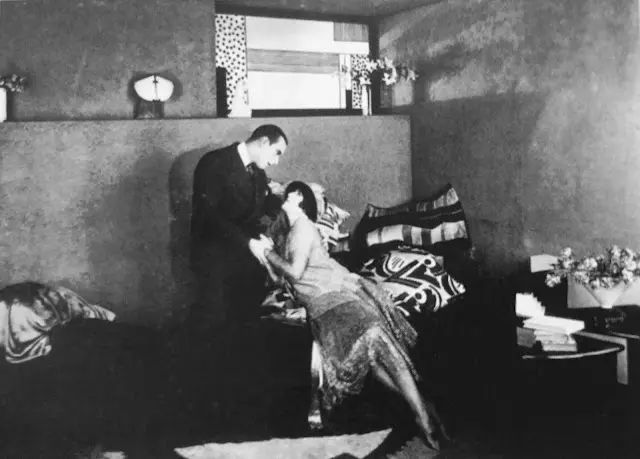
Claire Prélia’s Natacha is the emotional anchor. Her performance is a masterclass in suppressed panic. Watch the scene where she first spots Henri at a social gathering in Nice. Her eyes don't just register surprise; they register a total collapse of reality. The way her hands tremble as she reaches out—not to touch a man, but to touch a memory—is devastating. It is a performance that reminds us why silent cinema didn't need dialogue to convey complex PTSD.
The supporting cast, including the formidable Roger Karl as General Svirsky, adds a layer of oppressive traditionalism. The General is not a cartoon villain; he is a man of a dying age, holding onto his wife like a piece of property. His presence in the film provides a necessary counterweight to the ethereal, ghost-like quality of the Nice sequences. He represents the harsh reality that cannot be outrun, even in exile.
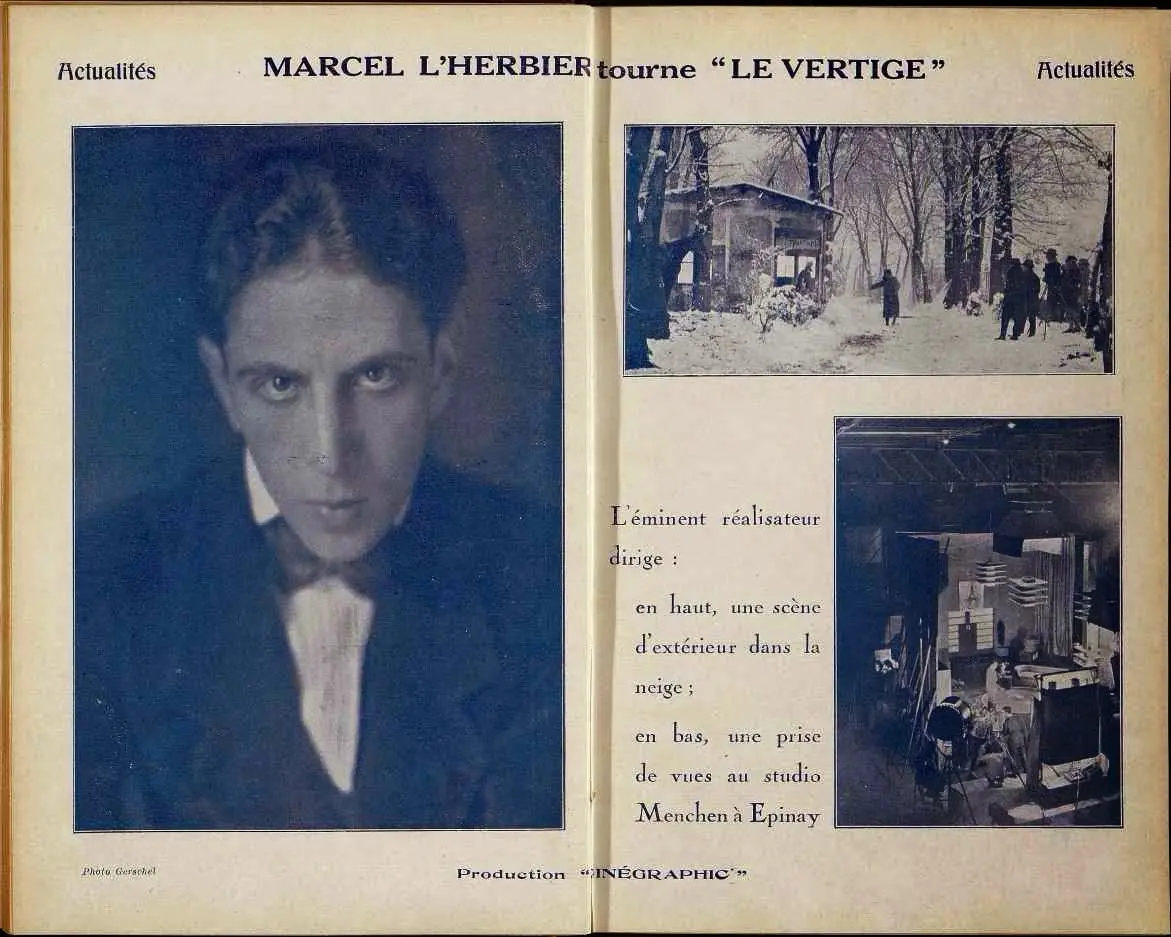
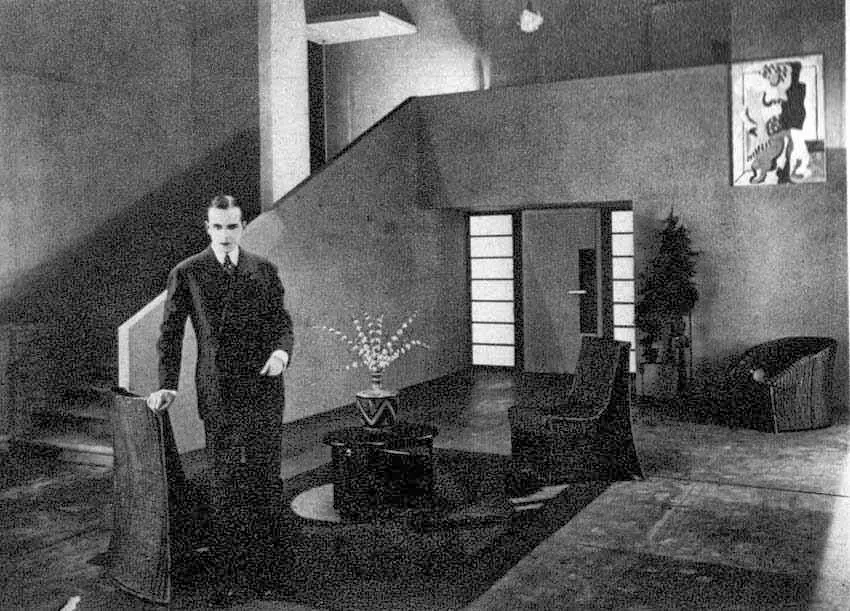
Marcel L'Herbier was a leader of the French Impressionist movement, and his fingerprints are all over this film. He doesn't just film a room; he films the mood of the room. The Petrograd sequences are shot with a jagged, nervous energy that reflects the burgeoning revolution. Compare this to the more rustic, traditional framing of The Northern Code, and you see L'Herbier’s technical superiority. He uses superimpositions and soft-focus shots to blur the line between what Natacha is seeing and what she is imagining.
The cinematography by Jean Letort is particularly effective during the transition to Nice. The light changes. It becomes harsher, more exposing. There is a specific shot of the Mediterranean coastline that feels less like a vacation spot and more like the edge of the world. L'Herbier uses the architecture of the villas to frame Natacha as if she is behind bars, even when she is outdoors. It is subtle, but it works. It makes the viewer feel her entrapment.
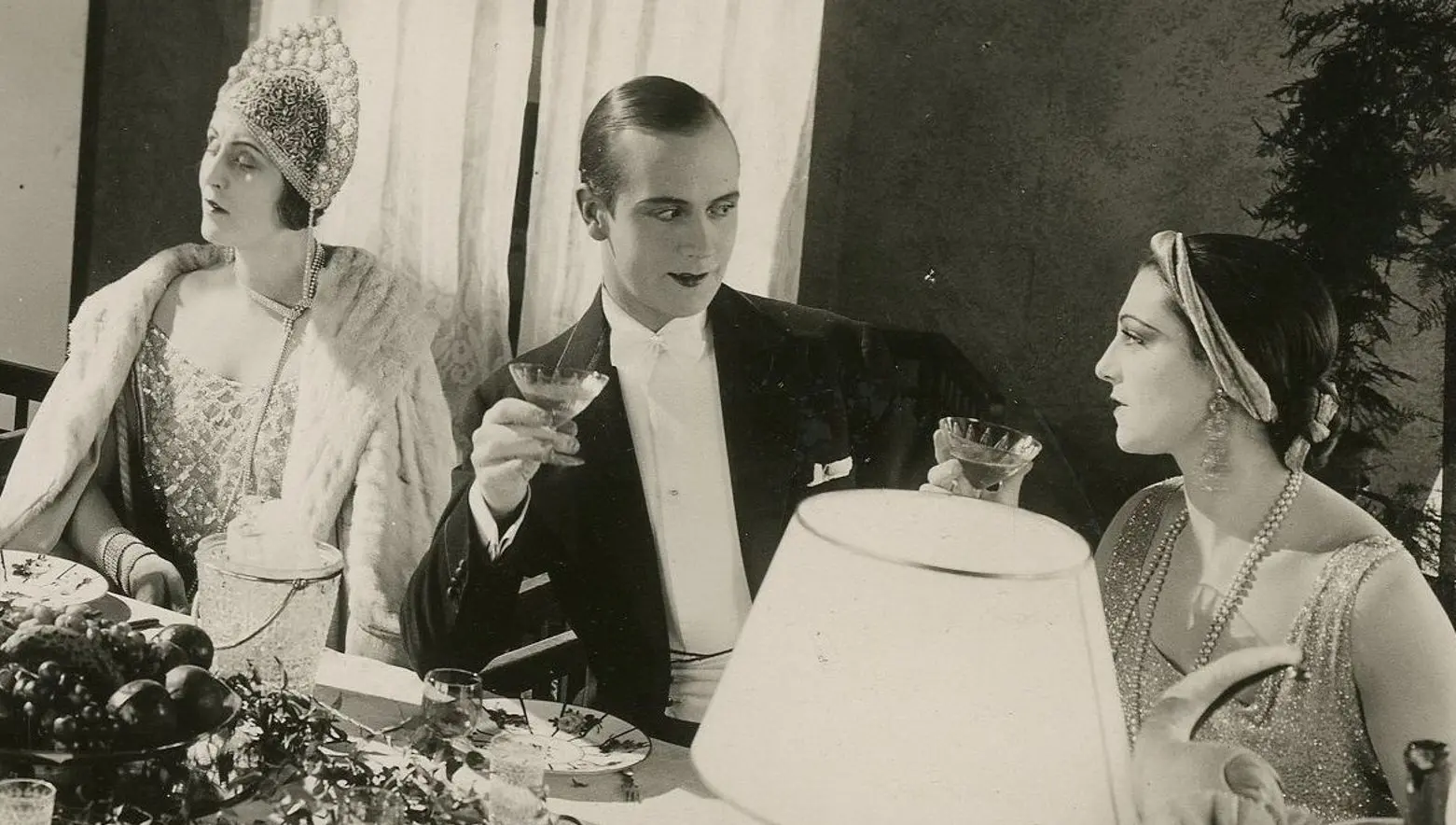
However, the pacing is a point of contention. L'Herbier is prone to indulgence. There are moments in the second act where the film lingers too long on the social rituals of the emigres. While this builds the world, it occasionally drains the suspense. It lacks the tight, rhythmic editing found in something like Don't Weaken. But then again, this isn't a comedy; it's a slow-motion car crash of the soul.
Here is a debatable opinion: The Living Image is actually a horror film. We often classify these 1920s dramas as 'melodramas,' but the central conceit is terrifying. Natacha isn't in love with Henri. She is being haunted by a man who looks like her dead lover, and she chooses to become his mistress as a form of penance. It is a Gothic nightmare set in the sunshine.
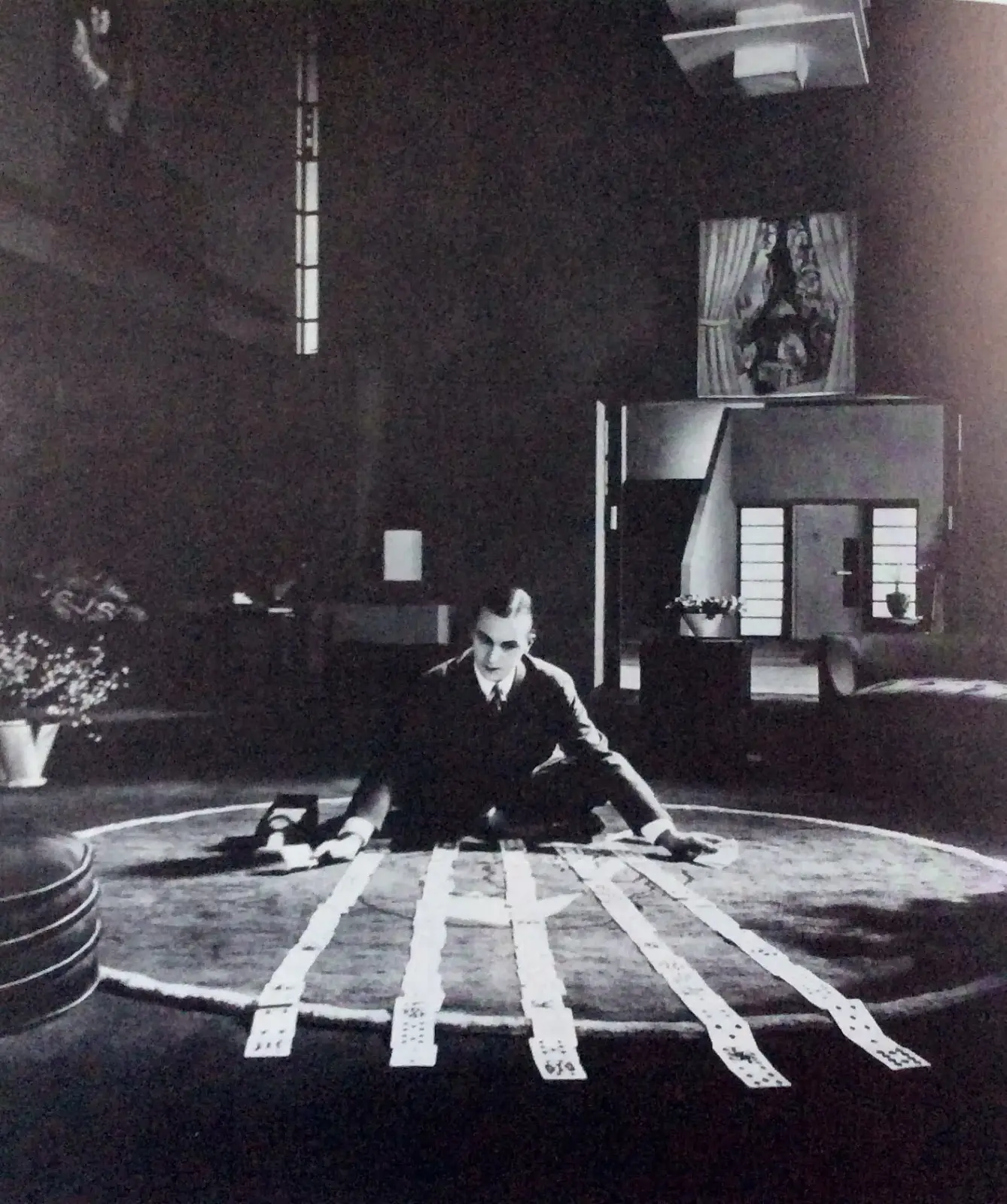
The film suggests that our identities are fragile. If a stranger can walk into a room and perfectly mimic the face of a dead man, what does that say about the uniqueness of the human spirit? L'Herbier doesn't answer this, but he forces us to sit with the discomfort. It is a cynical, modern perspective hidden inside a silent period piece. It works. But it’s flawed by its own ambition.
Unlike the sentimentalism found in Rip Van Winkle, there is no joy in this return of the past. The 'living image' is a curse. This cynicism is what makes the film stand out today. It feels less like a dusty artifact and more like a precursor to the psychological thrillers of Hitchcock or Vertigo.
Pros:
The use of the 'double' motif is handled with psychological depth rather than just as a gimmick. The acting by Claire Prélia is exceptionally nuanced for the era. The film serves as a fascinating historical document of the Russian diaspora in France. Technically, it is light-years ahead of standard 1925 productions like Doorsteps.
Cons:
The 1500-word depth of the original story is stretched thin in certain sequences. Some of the secondary characters feel like caricatures compared to the central trio. The ending may feel abrupt to those used to modern narrative closures.
The Living Image, or the Lady of Petrograd is a fascinating, if occasionally uneven, exploration of the human capacity for self-delusion. It is a film that understands that the ghosts we carry with us are often more real than the people standing right in front of us. While it lacks the sheer spectacle of Sally of the Sawdust, it offers a much deeper, more disturbing look at the human heart. It is a technical triumph for Marcel L'Herbier and a must-watch for anyone serious about the history of psychological cinema. It isn't always easy to watch, but it is impossible to forget. It’s a somber, beautiful wreck of a film.
Community
Log in to comment.