DbcultAccessing Vault...
5.8/10
Senior Film Conservator
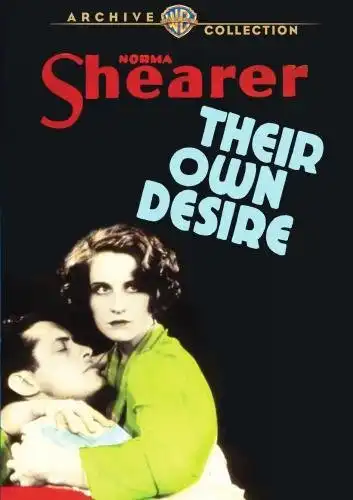
A definitive 5.8/10 rating for a film that redefined the boundaries of cult cinema. Their Own Desire remains a cornerstone of transgressive art.
If you’re the kind of person who finds themselves drawn to the early days of talking pictures, then Their Own Desire might just hit a sweet spot. For anyone else, especially if you get antsy with melodrama and stagey acting, this 1929 film is probably going to feel like a bit of a slog. But for those of us who appreciate a good old-fashioned emotional tangle and the chance to see Norma Shearer at her best, it’s certainly worth a peek.
The whole thing kicks off with Lally’s dad, played by Lewis Stone, announcing he wants to ditch his wife for someone new. Stone has this *weary, almost resigned* look when he drops the bomb. You can practically feel the air leave the room.
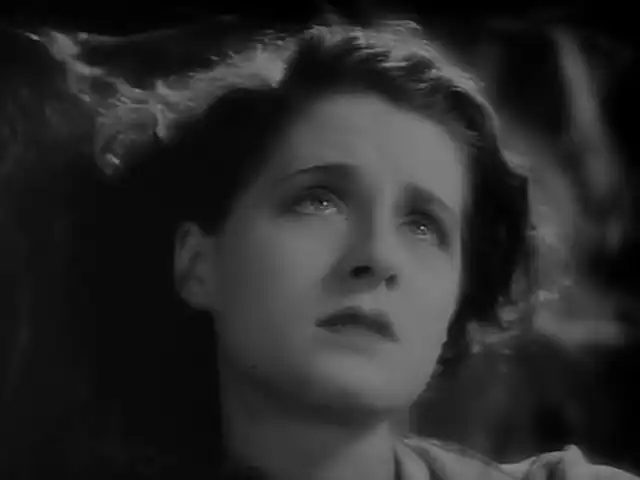
Norma Shearer as Lally is just so expressive, even when the early sound recording makes some of her lines a little muddled. She doesn't just react; you see her *processing* every bit of this parental betrayal. It’s a bit over the top, sure, but in a way that feels very authentic to her character's distress.
Her character Lally is really thrown for a loop, and she bolts from the family home in a huff. She bumps right into Robert Montgomery's character, Jack, soon after. Their initial meeting has this charming, almost *too-fast* kind of chemistry.
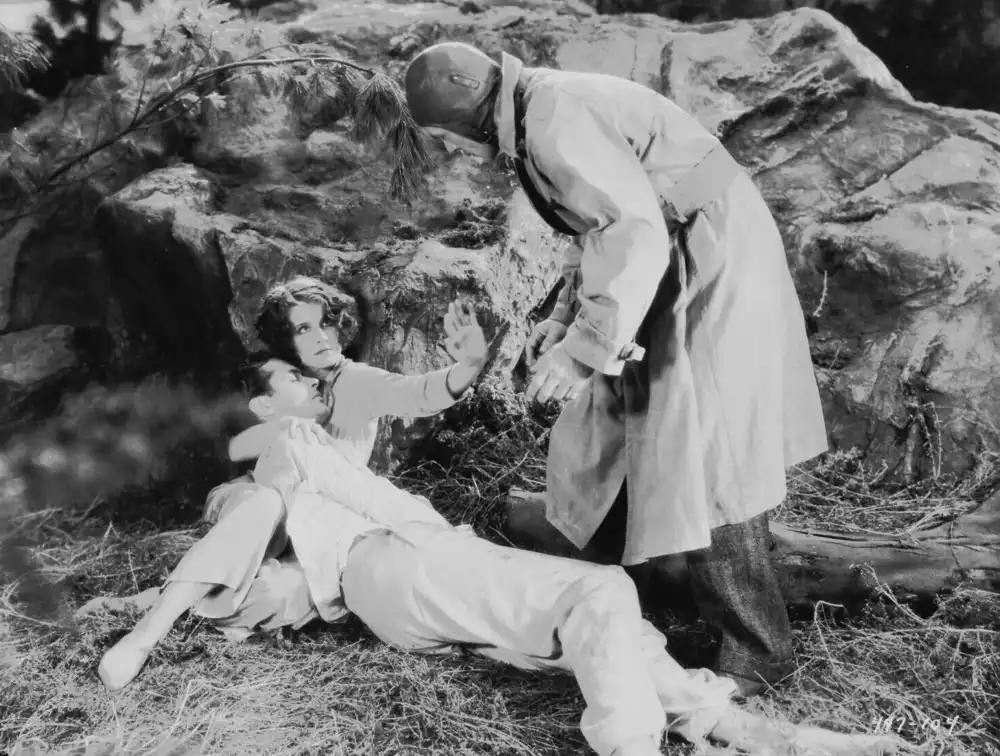
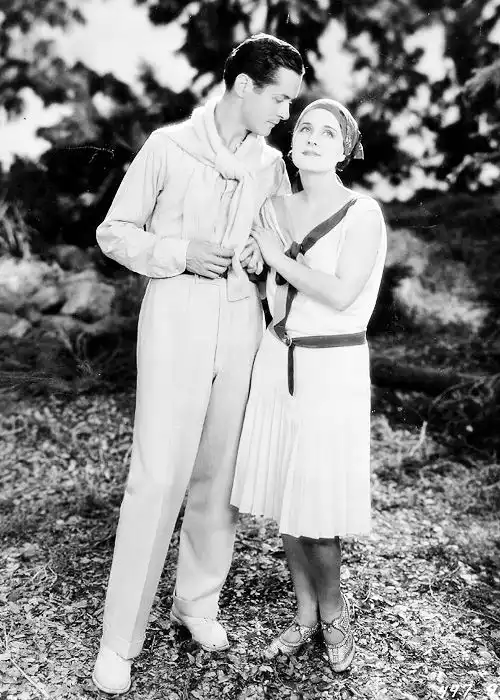
They spend some time together, mostly on a lake, in a rowboat. The whole boat scene feels a little long, honestly, but it sets up their whirlwind romance pretty well. Montgomery, he's got this *young, dashing* energy that just jumps off the screen. You can totally see why Lally would fall for him so fast.
The dialogue, you notice, often feels very *stage-bound*. People declare their feelings more than they, you know, just talk. It’s a definite sign of the times, when theater actors were still figuring out how to act for the microphone and camera.
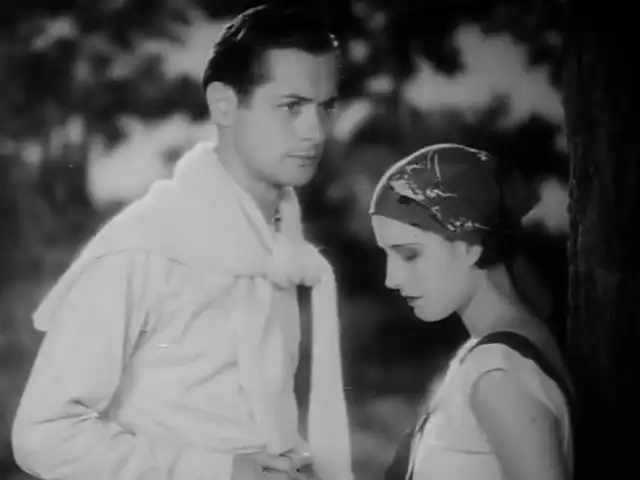
There's this moment where Lally is just pacing around a room, agonizing over her situation. The camera just watches her, no fancy cuts. It’s simple, but it really lets Shearer carry the scene with her body language alone.
Then comes the big reveal: Jack is the son of Mrs. Chevers, the very woman Lally’s father is leaving her mother for. It’s a real gut punch, and the film sells that moment surprisingly well. The emotional weight of that connection, that impossible situation, it’s heavy. 💔
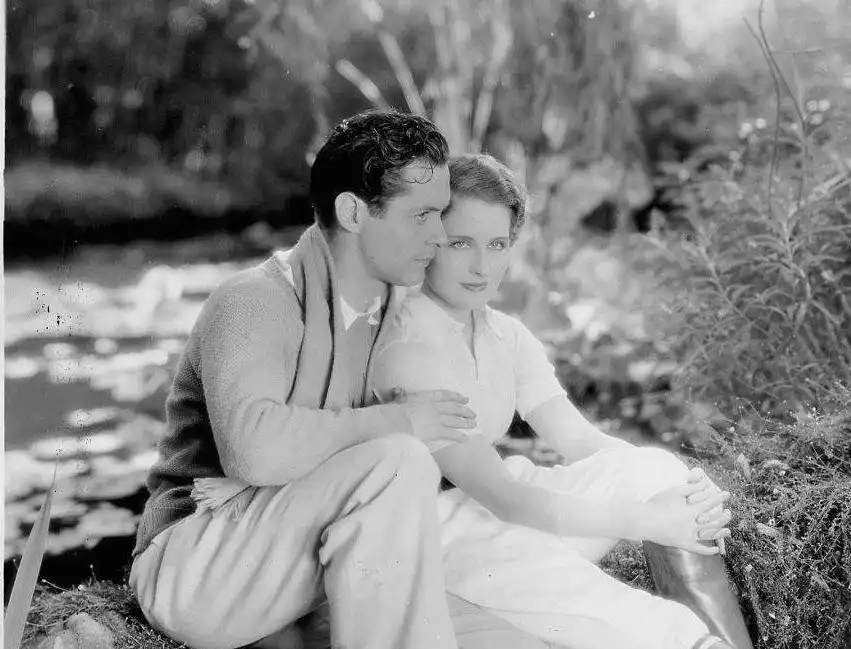
She can’t be with him. Or can she? The choices they make after this revelation feel both kind of inevitable and a bit rushed. It’s a melodrama, after all, so things move quickly when they need to.
The ending, it’s not exactly a neat bow on top of everything. More like a sigh. It leaves you thinking about what comes next for these characters, which is kind of cool for a film of this era.
Some of the minor characters sort of blend into the background, honestly. You don’t remember much about them after the credits roll. They’re just there to move the plot along.
The film’s attempt at showing luxury feels a little *quaint* now. Those scenes of Lally’s father playing polo are a fun period detail. Also, the sets look very much like, well, *sets*.
This whole movie really explores that clash between duty to family and your own personal happiness. It’s a theme that still resonates, even if the delivery system is from 1929.
Sometimes the sound drops out or gets a bit fuzzy, or the background music just swells up unexpectedly. It’s a constant reminder of how *new* all this talking picture stuff was back then. There’s a distinct hum, too, sometimes, which is just part of the experience.
Overall, Their Own Desire is a fascinating look at early sound cinema. It’s got its quirks, and you need to adjust your expectations for the pacing. But Norma Shearer truly makes it worth your time if you’re into this kind of thing. She makes you feel it all.
IMDb —
1925
Community
Log in to comment.