DbcultAccessing Vault...
5.2/10
Senior Film Conservator
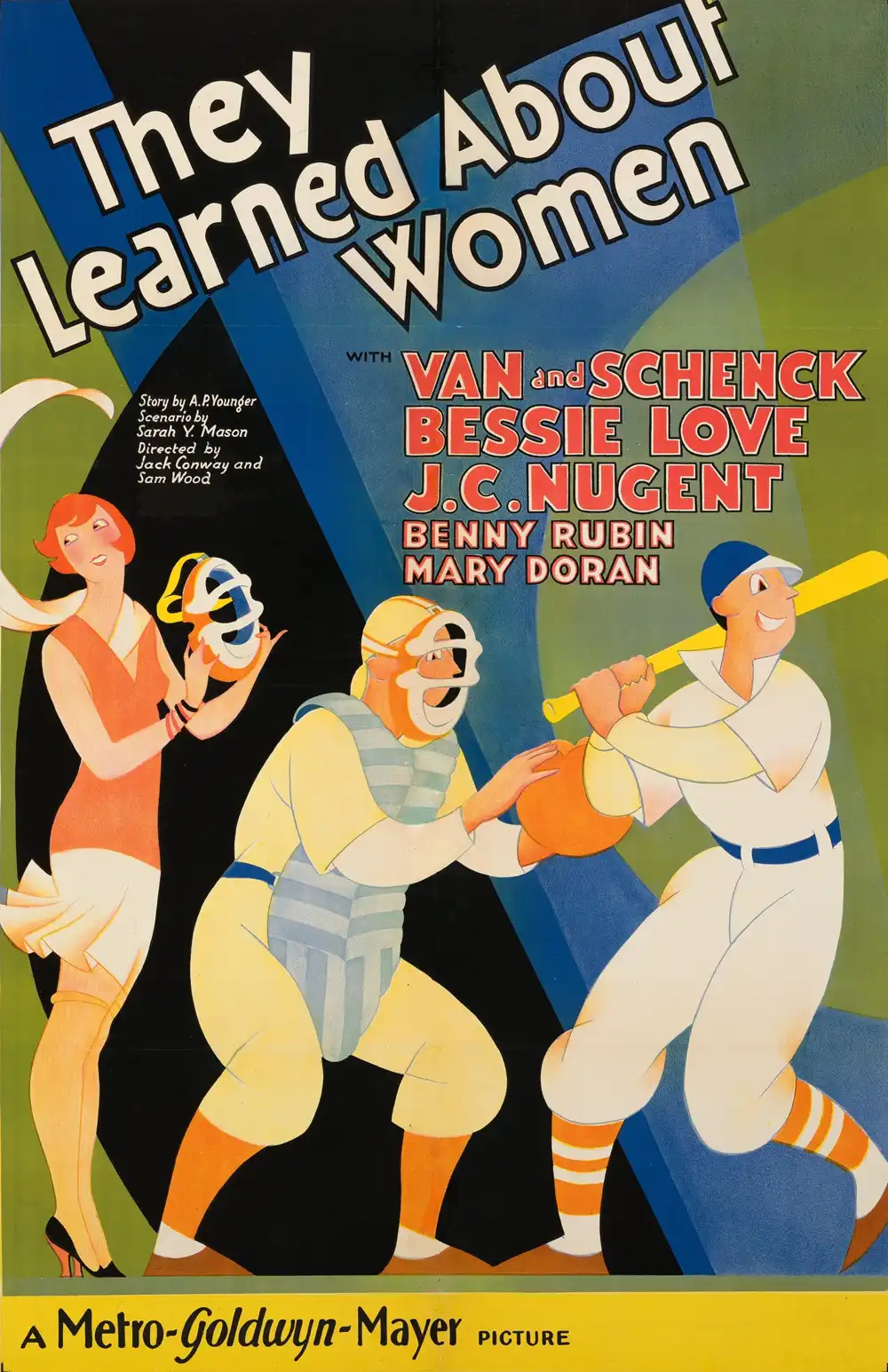
A definitive 5.2/10 rating for a film that redefined the boundaries of cult cinema. They Learned About Women remains a cornerstone of transgressive art.
If you're a fan of early talkies, or just curious how movies sounded and looked right after the silent era, then They Learned About Women (1930) is probably worth a quiet Sunday afternoon. It’s not gonna blow anyone away with huge action or super deep themes, but it’s got a certain kind of charm.
This one’s for the film history buffs, really, or anyone who enjoys seeing a simpler story unfold. If you're expecting modern pacing or really subtle character work, you might find it a bit… well, *much*. People who need constant excitement might get bored, but if you like old school melodrama, you’re in for a treat.
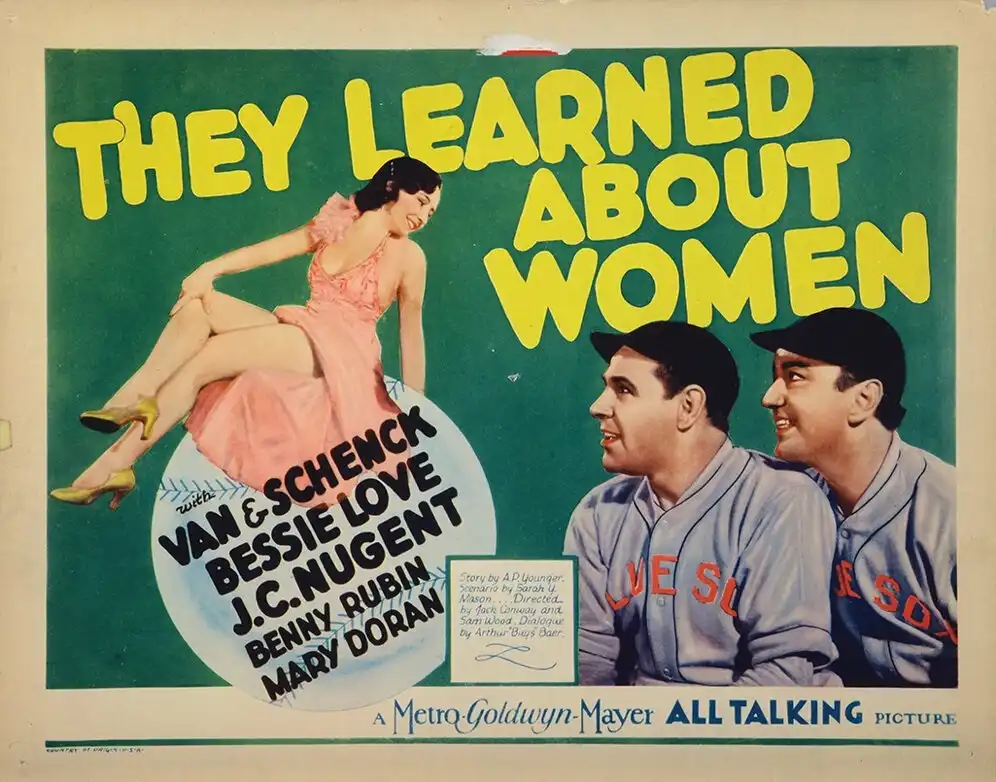
The whole setup with Jack and Jerry as both professional baseball stars for the Blue Sox ⚾️ and Vaudeville singers is kinda wild. Imagine juggling those two careers now! They have this energetic stage act that, for 1930, actually feels pretty lively.
It really makes you think about how different entertainment was back then, how these multi-talented folks moved between different worlds. There’s a scene early on where they’re practicing their baseball swings right before a show, and it just feels so *earnest*.
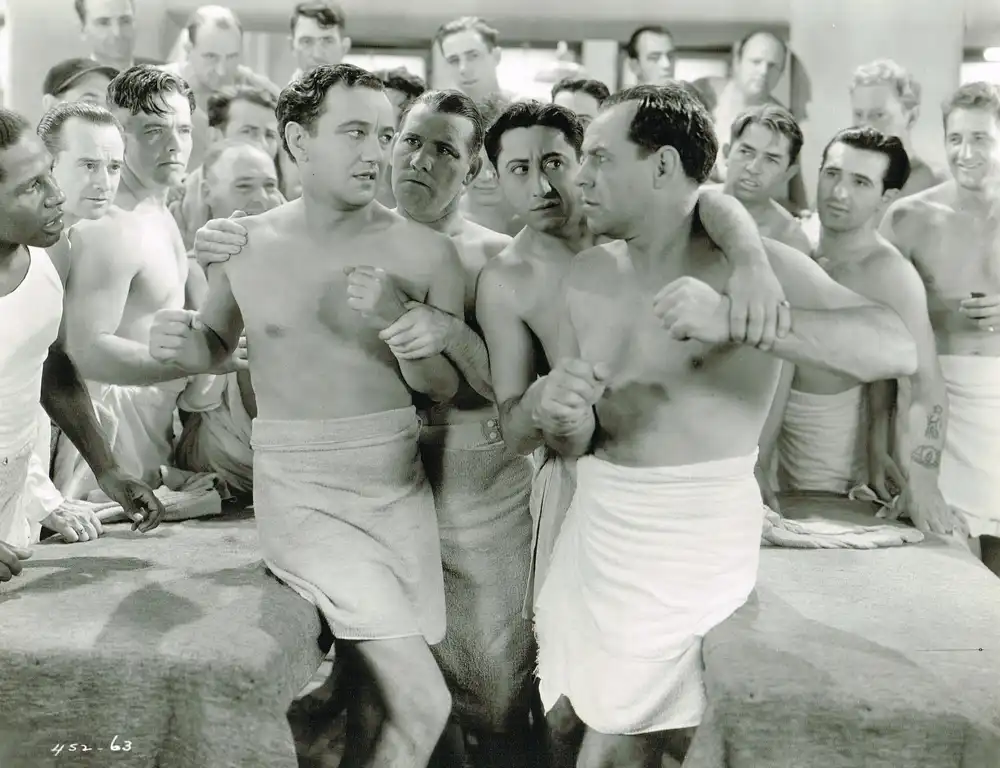
Then comes the trouble. Jack (played by Gus Van) is engaged to Mary, who seems perfectly nice, a real sweetheart. But then Daisy (played by Bessie Love) just kinda *swans* in. You can tell almost instantly she’s after something more than just Jack’s affection.
She’s got this glint in her eye, you know? Not even trying to hide her intentions much. It’s almost comical how quickly Jack falls for her quite obvious charms, completely missing all the red flags.
There’s this quick shot of Mary’s face when she sees Jack with Daisy. It’s barely there, maybe a second or two, but it really hits. She just turns, no big fuss, and she's gone. Then Jack marrying Daisy the very next day, it's just so fast. Like, blink and you might miss the emotional weight there.
The movie moves at a clip when it comes to these big life changes. You don’t get a lot of lingering on the *why*.
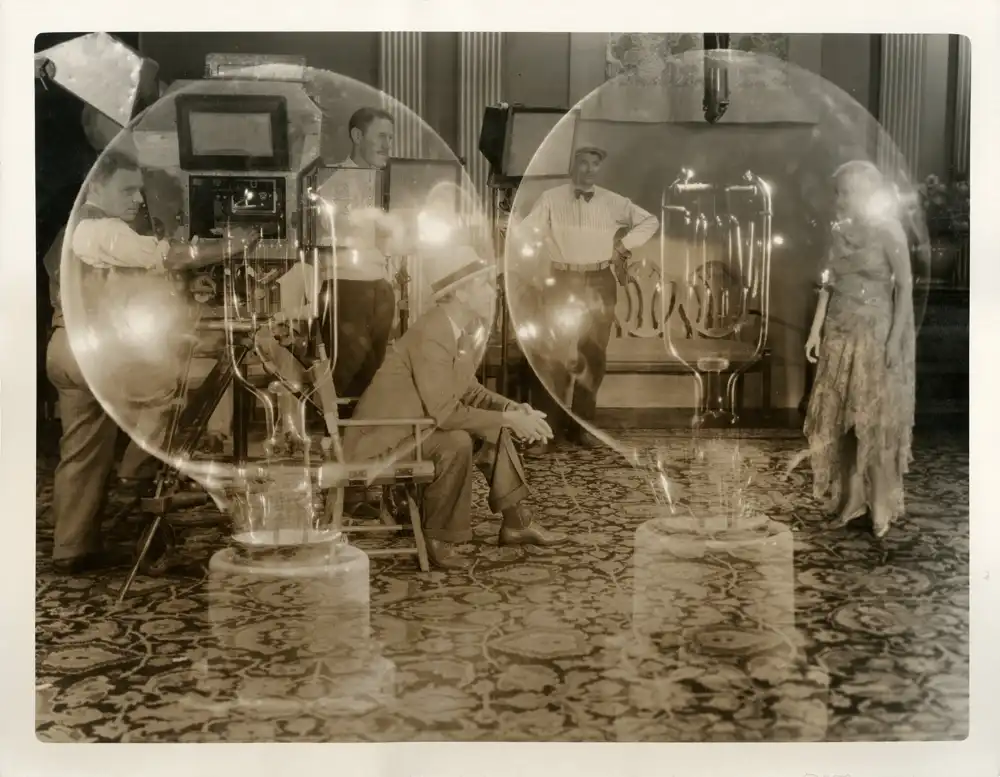
Daisy really pushes her luck, doesn’t she? First she wants into the Vaudeville act, which, okay, maybe. But then she makes Jack dump Jerry, his long-time buddy and partner. And not just that, she makes him throw away his baseball contract too.
It’s a pretty clear path she’s carving out for herself, completely isolating him. You just wanna shout at Jack through the screen, like, “Wake up, man!” Jerry (Mike Donlin) just looks so utterly bewildered and betrayed when he’s told to scram. His expression sticks with you.

And of course, once Jack has no act, no baseball, no money… Daisy’s out. *Poof*. She literally packs her bags and leaves. It’s almost too neat, the way it all plays out. But it definitely drives home the movie’s central point.
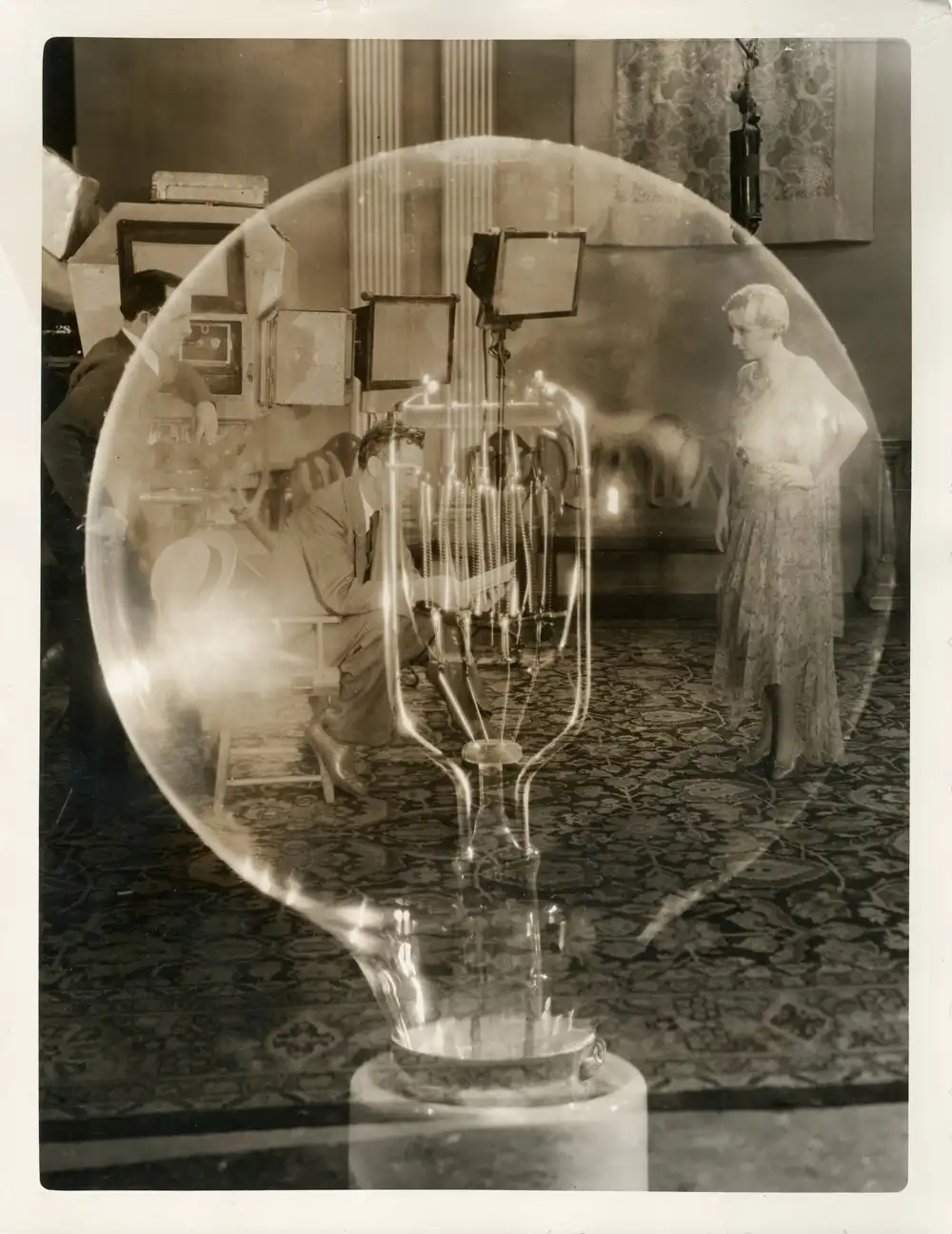
Jack’s face when he finally realizes he’s lost everything for her, it’s a moment. You can really see the lightbulb go on, a real slow burn realization. You can almost hear him thinking, "Oh, *that's* what they meant."
The dialogue sometimes feels like it's trying really hard to be snappy, very much of its era. But then other times it's just very direct, almost blunt. A little uneven, but that's part of its charm.
The sound quality, as expected for 1930, is a bit tinny at times. Sometimes it feels like they’re talking through a pipe. But you get used to it pretty quick.
Overall, it’s an interesting peek into early talkie filmmaking. Not a masterpiece, but a solid little picture with a clear message. If you like seeing how these old stories were told, give it a shot. It's a fun time capsule.
IMDb —
1928
Community
Log in to comment.