DbcultAccessing Vault...
6.4/10
Senior Film Conservator
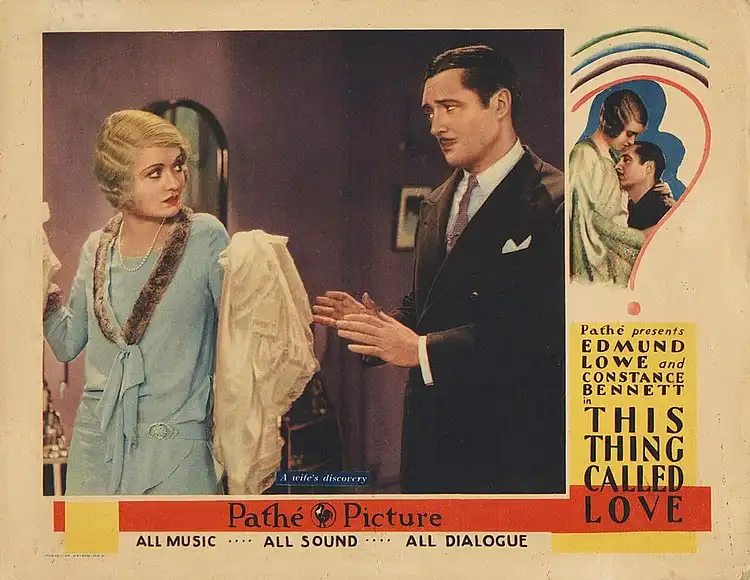
A definitive 6.4/10 rating for a film that redefined the boundaries of cult cinema. This Thing Called Love remains a cornerstone of transgressive art.
You should probably watch this if you like seeing how people in the 1920s tried to be modern and edgy about relationships.
If you hate movies that feel like filmed stage plays where everyone talks at the same time, you will likely find this one pretty annoying.
I wasn't expecting this to be so cynical about love, especially for a movie from 1929.
Constance Bennett plays Ann, and she is basically the original 'anti-marriage' heroine because she watches her sister Clara and her husband Bertrand fight like cats and dogs.
The fighting in this movie is actually pretty loud and exhausting to listen to after a while.
Ann decides that the only way to avoid the 'turbulence' is to make marriage a business transaction.
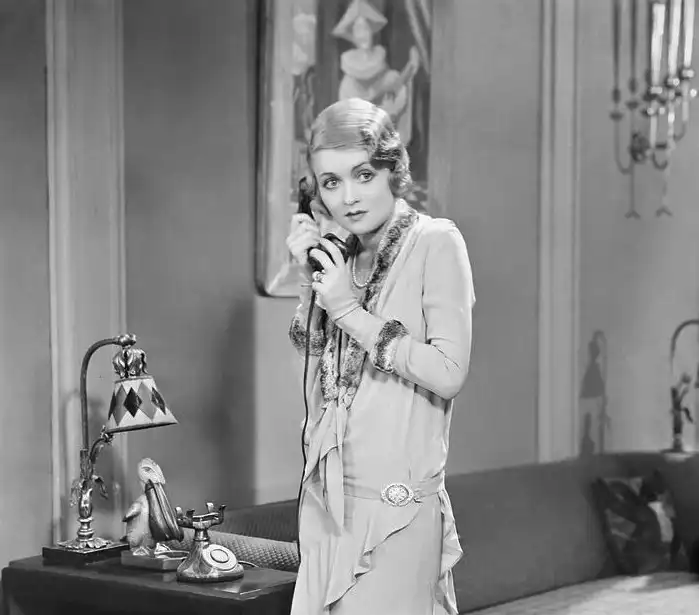
She meets Robert, played by Edmund Lowe, who is a millionaire gold miner which sounds like a very convenient thing to be in a movie.
When he proposes, she tells him she will do it for a salary of $25,000 a year.
That is a crazy amount of money for 1929, honestly.
I kept thinking about what I would buy with that much cash back then, probably a whole street of houses or something.
The movie gets interesting because they live in the same house but they are basically just coworkers who happen to be married.
Robert agrees to it because he’s rich and bored, I guess.
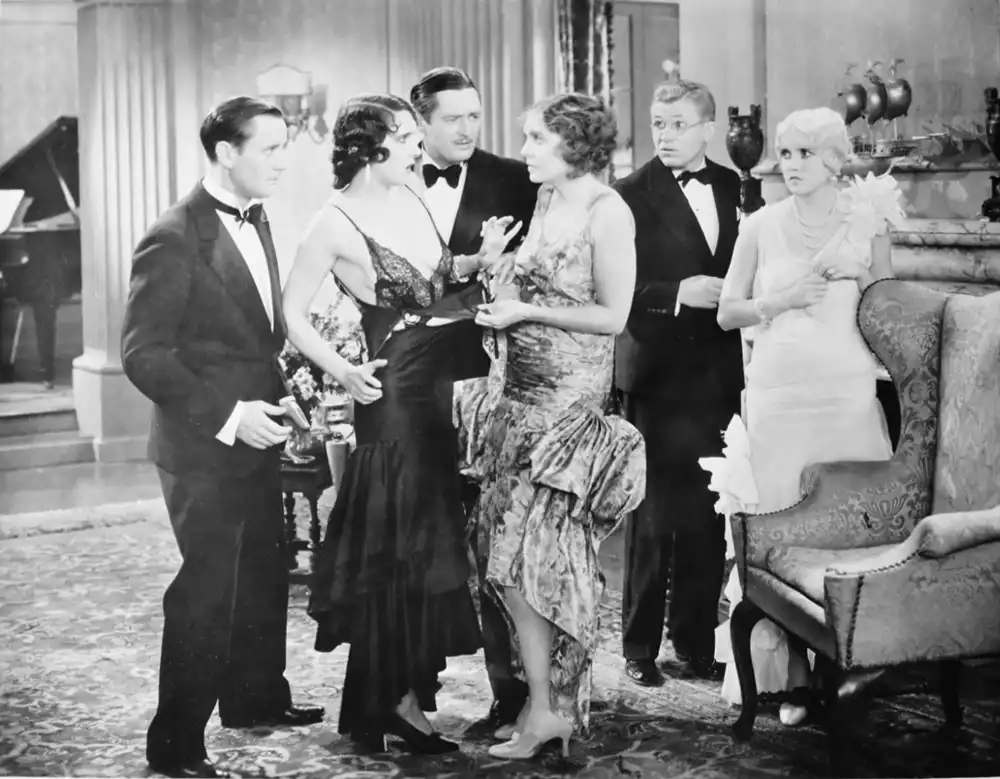
There is this one scene where Clara and a woman named Alvarez Guerra literally get into a physical fight over a dress.
It’s not a graceful movie fight; it’s just messy and weirdly long.
You can see the actors trying to find their marks while they're screaming at each other.
Jean Harlow shows up as Miss Guerra, and even though she isn't the lead yet, she just has this energy that makes everyone else look a bit dull.
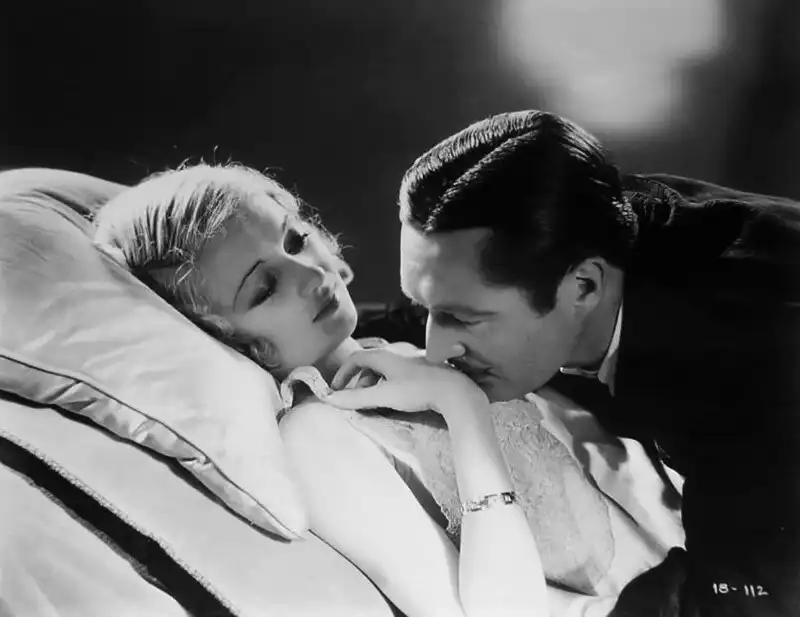
She flirts with Robert to make Ann jealous, and it's funny how quickly the 'business' part of the marriage falls apart once feelings get involved.
I noticed that the sound recording is very hissy, which happens with these early talkies.
Sometimes you can barely hear what they’re saying when they move too far from the hidden microphones.
Zasu Pitts is also in this, and she does her usual thing with her hands and looking worried.
I love Zasu Pitts, but she feels like she’s in a completely different movie than everyone else.
The whole plot with De Witt romancing Ann feels like it was added just to give the husband something to be mad about.
It reminds me a bit of the vibe in Stocks and Blondes where the money and the romance just don't mix well.
There’s a lot of talk about 'consorting with friends' and having freedom, which feels very Pre-Code.
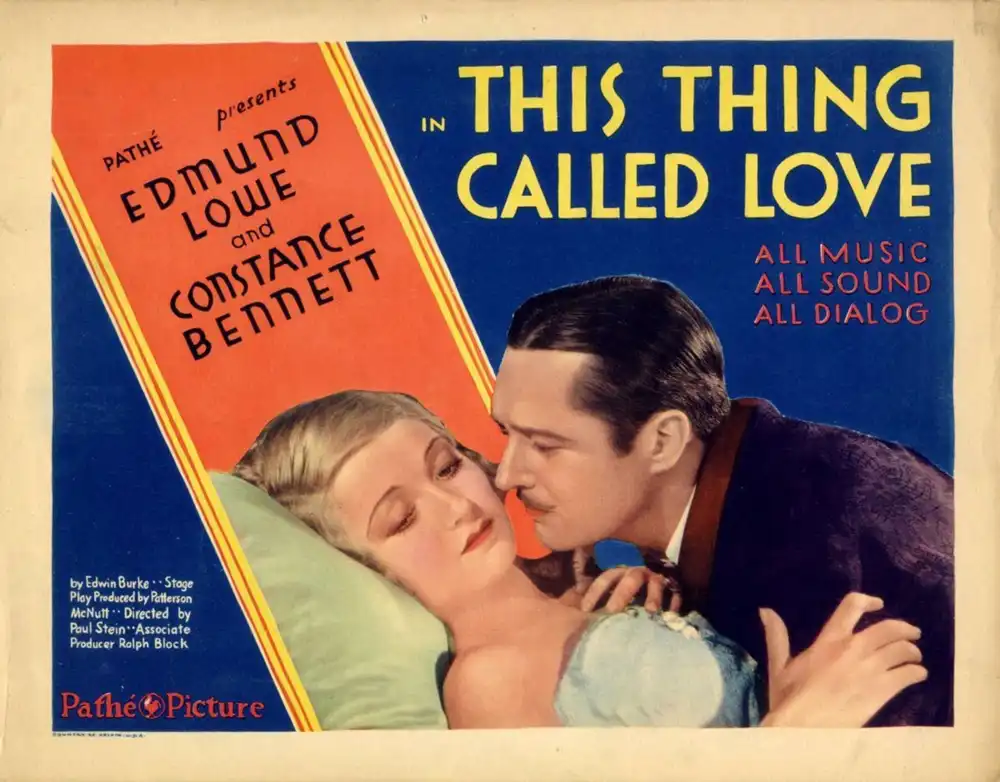
The movie doesn't have the same bounce as The Beauty Shop, but it’s more interesting as a time capsule.
One thing that bugged me was how Robert just accepts the salary thing so fast.
He doesn't even try to haggle! 💰
The ending is kind of a letdown because it relies on the sister’s marriage getting fixed to prove that love is real.
It felt like the writers ran out of time and just decided everyone should be happy now.
I didn't really buy the sudden change of heart from Ann, but that's how these 70-minute movies usually go.
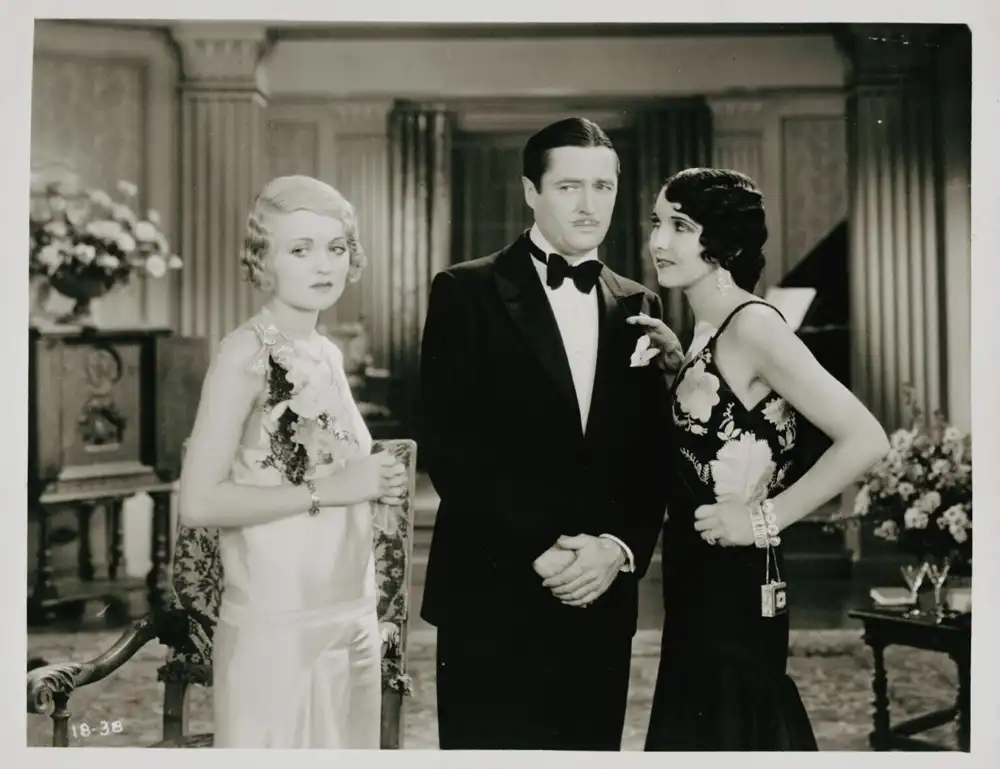
The costumes are incredible, though, especially some of the hats Constance Bennett wears.
They look like they would be very heavy and uncomfortable to wear while arguing about gold mining.
I found myself zoning out during some of the longer legal-sounding dialogue in Bertrand's office.
It’s not a perfect movie, and the pacing is definitely 'clunky' in the middle.
But seeing a young Harlow and the weird 'paid wife' premise makes it worth a look on a rainy afternoon.
Just don't expect a masterpiece of logic.
It’s just a strange little relic about how people tried to make sense of marriage when everything was changing. 🎬
IMDb 7.6
1922
Community
Log in to comment.