DbcultAccessing Vault...
Cult Review
Senior Film Conservator
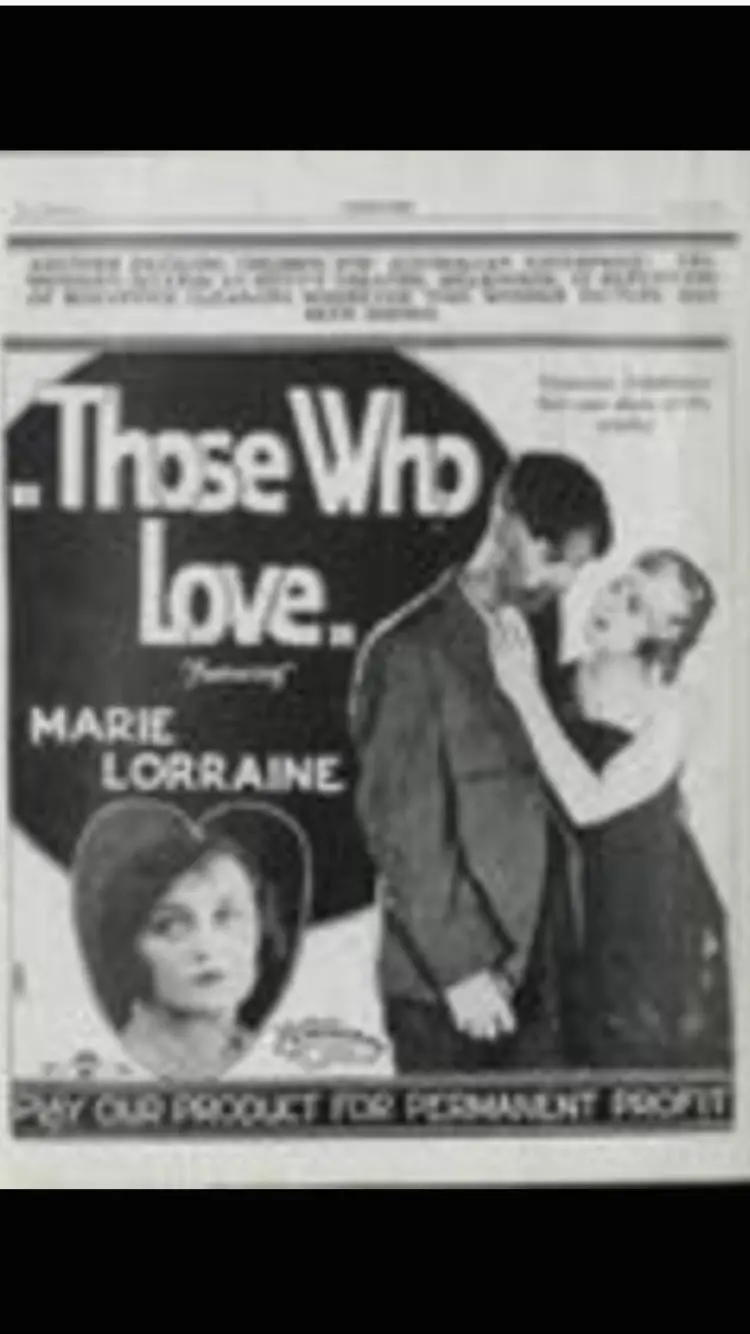
Should you invest your time in a silent film from 1926 in an age of high-octane blockbusters? Short answer: Yes, but only if you appreciate the raw architecture of human emotion. This film isn’t just a historical curiosity; it is a sophisticated exploration of how class and paternal control can dismantle the soul. It is for the patient viewer who finds beauty in a lingering gaze and a well-composed frame. It is certainly not for those who require rapid-fire editing or explosive payoffs.
This film works because it treats the inner life of its female lead with a level of respect rarely seen in the mid-1920s, thanks to the visionary direction of Paulette McDonagh.
This film fails because the third-act coincidence in the hospital feels remarkably strained, even by the generous standards of silent-era melodrama.
You should watch it if you want to see the birth of Australian auteurism or if you enjoyed the thematic weight of The Splendid Sinner.
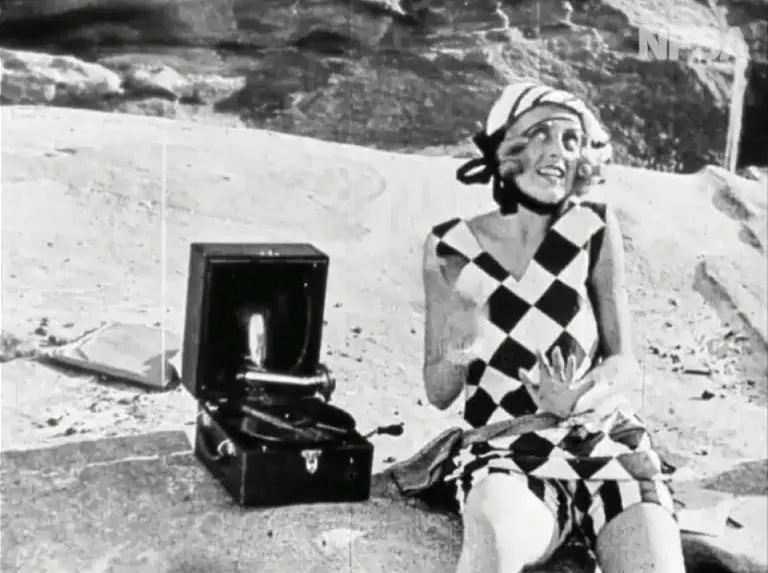
Those Who Love is a mandatory watch for anyone interested in the roots of independent cinema. It offers a rare glimpse into a woman-led production from the 1920s that prioritizes emotional intelligence over spectacle. While the pacing reflects its era, the core conflict remains relatable to anyone who has felt the weight of familial expectation. It remains a poignant reminder that the struggles of the heart are timeless, even when trapped in the flickering light of black and white celluloid.
Paulette McDonagh was not just a filmmaker; she was a world-builder. In an era where many directors were content with flat staging, McDonagh used the camera to create intimacy. The way she frames Barry and Lola’s early meetings is nothing short of revolutionary. Instead of wide, impersonal shots, she moves us into their psychological space. We see the shift in Barry’s posture—from the slumped shoulders of a defeated heir to the upright stance of a man in love.
The film’s visual language is far more advanced than something like Life Story of John Lee, or The Man They Could Not Hang. While other films of the time relied on title cards to explain every emotion, McDonagh trusts the faces of her actors. Marie Lorraine (Lola) delivers a performance of incredible restraint. Her eyes carry the weight of her eventual sacrifice long before she decides to leave Barry. It is a masterclass in silent acting that avoids the pantomime gestures often associated with the period.
The elder Manton is a fascinating antagonist because he isn't a cartoon villain. He is a man blinded by his own wealth and the belief that he is protecting his son's future. The scene where he pays off Barry's first girlfriend is chilling in its efficiency. There is no shouting, just the cold rustle of a checkbook. It’s a brutal demonstration of how the elite view human relationships as line items on a balance sheet.
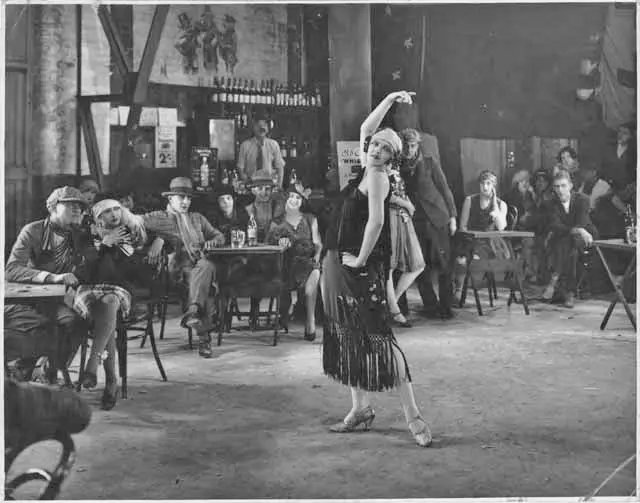
This cynicism provides the perfect foil for Lola’s selflessness. When Lola leaves Barry, it isn't out of a lack of love, but out of a misplaced sense of duty. She believes that by removing herself, she is restoring Barry’s 'rightful' place in the world. It’s a tragic irony: the father destroys Barry’s happiness to save his fortune, and the wife destroys her own happiness to save Barry’s inheritance. Both are reacting to the same pressure of class, but from opposite ends of the moral spectrum.
The film captures a specific aesthetic of Sydney that feels both opulent and claustrophobic. The interior design of the Manton estate is used to emphasize Barry’s isolation. High ceilings and ornate furniture dwarf him, making him look small in his own home. In contrast, the scenes with Lola have a softer, more organic feel. The lighting becomes warmer, suggesting that Barry is finally finding a home not in a building, but in a person.
The restoration of this film allows us to appreciate the textures of the era. You can almost feel the heavy fabric of the suits and the crispness of the nurse’s uniform in the final act. This attention to detail elevates the film above standard fare like The Speed Spook. It isn't just about the plot; it’s about the atmosphere of longing that permeates every frame. The hospital sequences, in particular, use light and shadow to create a sense of purgatory, where the characters wait for a resolution that seems impossible.
If there is a point where the film stumbles, it is the convenience of the reunion. Years pass, and yet Barry and Lola happen to cross paths in the very hospital where she works. It’s a classic trope of the genre, seen in works like The Star Rover, but here it feels slightly unearned given the grounded nature of the first two acts. However, the emotional payoff of Barry meeting his son, Peter, mitigates the clunky plotting.
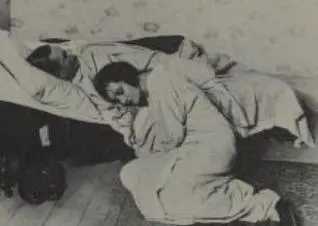
The child actor playing Peter provides a much-needed spark of hope in a film that often leans into melancholy. The reunion isn't just about the lovers; it’s about the restoration of a family unit that was broken by greed and fear. It works. But it’s flawed. The father’s sudden remorse also feels a bit too tidy, as if the film needed to wrap up the conflict before the final reel. Despite this, the sincerity of the performances keeps the ending from feeling hollow.
Pros:
- Exceptional visual storytelling by Paulette McDonagh.
- Strong thematic exploration of class and paternal control.
- Beautifully restored cinematography that captures 1920s Sydney.
- A rare, authentic female perspective in a male-dominated era of film.
Cons:
- Some secondary characters are underdeveloped archetypes.
- The pacing slows significantly in the middle section.
- The 'secret child' trope is a bit predictable by modern standards.
Those Who Love is a staggering achievement for its time. It proves that the McDonagh sisters were not just playing at filmmaking; they were masters of the craft. The film is a brutal, beautiful dissection of how we hurt the ones we love under the guise of protecting them. The father is a monster wrapped in a tuxedo, and Lola is a martyr for a cause that shouldn't exist. It’s a heavy, often heartbreaking watch, but the final image of reconciliation is worth the journey. While it may not have the name recognition of international silents, it stands tall as a pillar of Australian cinematic history. It is a film that demands to be seen, not just as a relic, but as a living piece of art.
IMDb —
1936
Community
Log in to comment.