DbcultAccessing Vault...
7.1/10
Senior Film Conservator
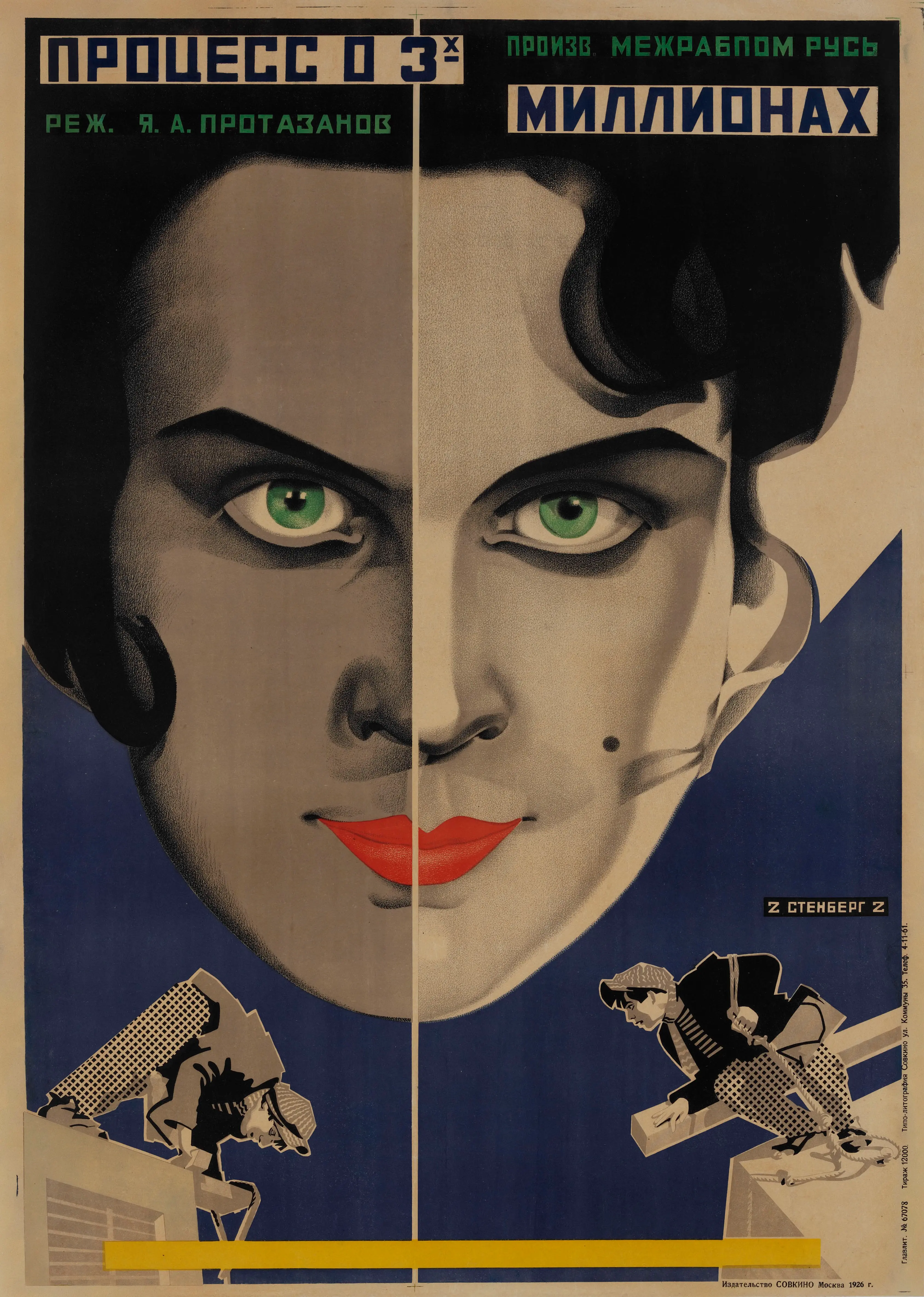
A definitive 7.1/10 rating for a film that redefined the boundaries of cult cinema. Three Thieves remains a cornerstone of transgressive art.
Is Three Thieves a relic of a bygone era or a sharp critique of modern greed? Short answer: It is a surprisingly modern dissection of class that remains essential for anyone tired of standard morality plays. This film is for viewers who appreciate the cynical wit of Soviet silent cinema and the dismantling of high-society pretension; it is not for those who require a clear-cut hero or a fast-paced, action-oriented plot.
1) This film works because it refuses to moralize, choosing instead to use comedy as a scalpel to reveal the systemic hypocrisy of the wealthy. 2) This film fails because its middle act occasionally leans too heavily on theatrical farce, losing the sharp pacing established in the opening. 3) You should watch it if you want to see how 1920s filmmakers were already mastering the 'eat the rich' subgenre long before it became a modern trend.
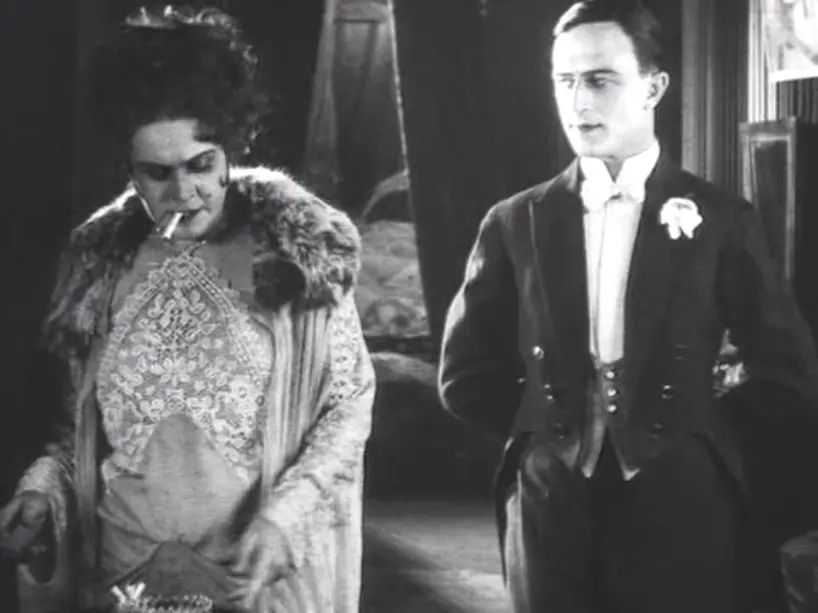
Yes, Three Thieves is absolutely worth watching for its historical significance and its enduring relevance. It provides a rare look at the sophisticated comedies coming out of the Mezhrabpom-Rus studio during the NEP era. The film manages to be both a crowd-pleasing comedy of errors and a sophisticated social critique. If you enjoy the physical comedy of Don't Weaken but want a story with more political teeth, this is a mandatory viewing.
Director Yakov Protazanov was a master of transition, having worked both in pre-revolutionary Russia and in European exile before returning to the USSR. In Three Thieves, he brings a cosmopolitan flair that sets it apart from the more didactic propaganda of his contemporaries. The film’s central conceit—comparing a pickpocket to a banker—is handled with a lightness of touch that makes the eventual 'sting' of the message feel earned rather than forced.
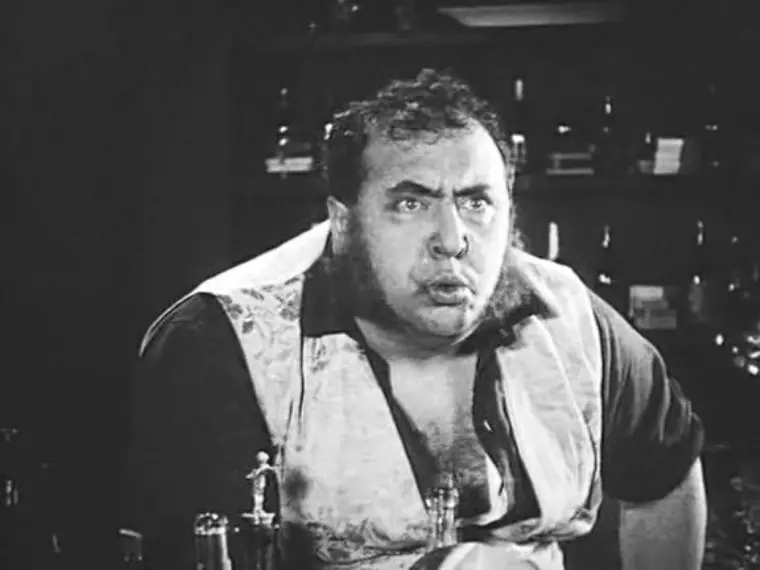
The opening sequence, where we see the pickpocket (played with frantic energy by Vladimir Fogel) operating in the shadows, contrasts sharply with the luminous, opulent settings of the banking world. Protazanov uses the camera not just to record the action, but to emphasize the physical space between these characters. The pickpocket is always cramped, dodging through narrow alleys, while the 'social lion' (Anatoli Ktorov) glides through expansive halls. It is a visual representation of the freedom that wealth—even stolen wealth—provides.
Unlike the more somber explorations of poverty found in Lille Dorrit, Three Thieves keeps its feet firmly in the realm of satire. It doesn't ask you to pity the poor; it asks you to laugh at the absurdity of the rich. The ending stings. It reminds us that in the game of life, the rules are written by the winners, regardless of how they obtained their prizes.
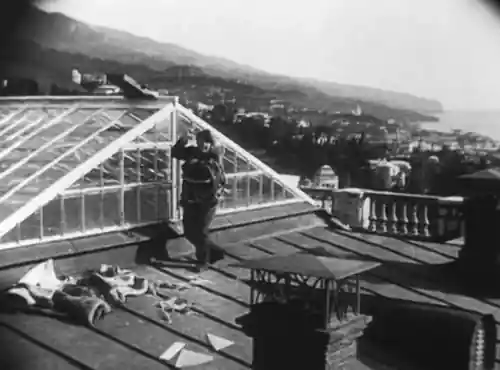
Anatoli Ktorov is the standout here. His performance as the socialite-thief is a masterclass in silent era charisma. He doesn't need intertitles to explain his motives; a slight adjustment of his cuffs or a predatory glance at a diamond necklace tells the whole story. He represents the 'thief with prospects,' the man who understands that appearance is 90% of the heist. His chemistry with the rest of the cast, particularly the flamboyant Igor Ilyinsky, provides the film's most memorable comedic beats.
Vladimir Fogel, as the street-level thief, provides the necessary groundedness. His movements are jagged and nervous, a perfect foil to Ktorov’s polished grace. When the two are on screen together, the film hums with a tension that is as much about class as it is about the plot. It’s a dynamic that reminds me of the character interplay in Sally of the Sawdust, though with a much darker undercurrent of social commentary.
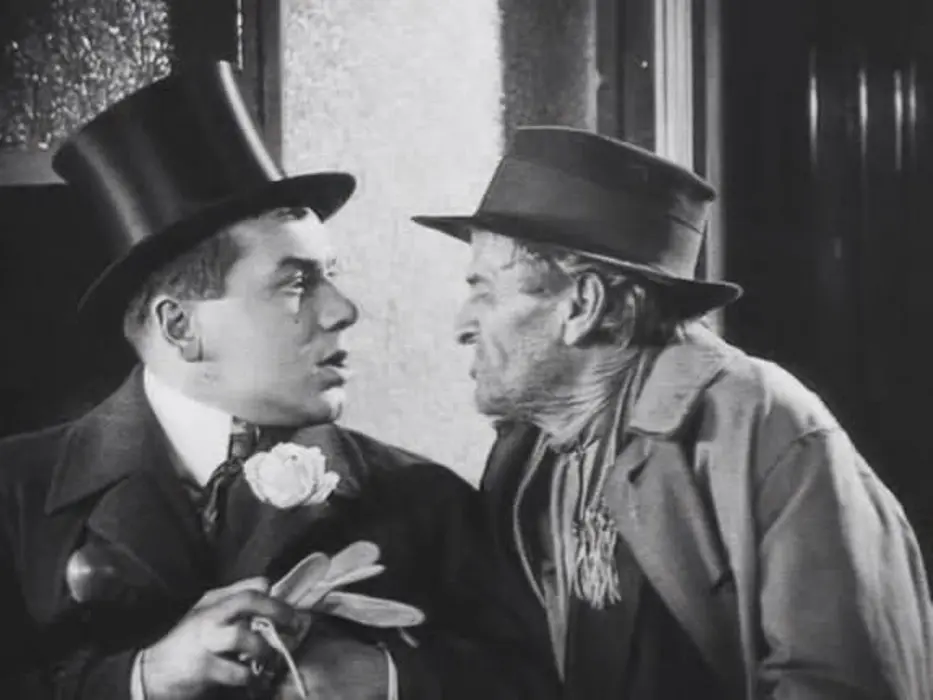
The cinematography in Three Thieves is remarkably fluid for 1926. Protazanov and his cameramen avoid the static, stage-like setups that plagued many silent films of the era. There is a specific scene in a crowded ballroom where the camera seems to weave through the dancers, mimicking the predatory gaze of the thieves. This use of movement creates a sense of voyeurism, making the audience complicit in the deceptions taking place.
The lighting also plays a crucial role. The 'respectable' world of the bank is lit with a cold, flat clarity that suggests transparency while hiding deep shadows of corruption. In contrast, the underworld scenes are rich with high-contrast shadows, echoing the expressionist influences that were filtering into Soviet cinema at the time. This visual duality supports the film's theme: the 'honest' world is just a more brightly lit version of the criminal one.
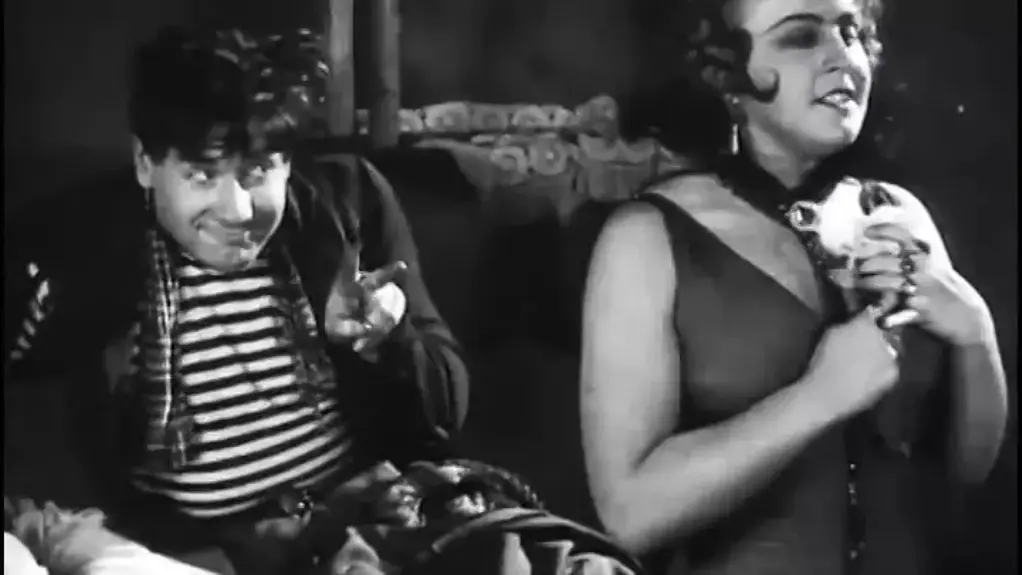
The most provocative element of Three Thieves is its refusal to let the audience off the hook. It would have been easy to make the pickpocket a hero and the banker a villain. Instead, Protazanov suggests that they are all part of the same ecosystem. The banker isn't a villain because he is evil; he is a winner because he operates on a scale that the law refuses to touch. This is a recurring theme in films that explore the moral gray areas of survival, much like The End of the Game.
"The thief is the one who takes it small; the man with prospects is called a winner."
This line, though perhaps a bit on the nose, serves as the film's thesis statement. It challenges the viewer to look at their own society and ask who the 'winners' really are. In a world of corporate bailouts and white-collar immunity, this 1926 silent film feels more like a contemporary documentary than a historical artifact. It works. But it’s flawed in its occasionally repetitive slapstick sequences that distract from this heavy-hitting message.
Three Thieves is a biting, intelligent, and visually engaging piece of cinema that deserves more attention in the canon of silent film. While it may not have the experimental flash of Eisenstein or Vertov, Protazanov’s work here is a testament to the power of narrative satire. It is a film that understands that the greatest heists are often committed in broad daylight, with a smile and a handshake. If you can look past the occasional 1920s slapstick, you will find a story that is as relevant today as it was nearly a century ago. It is a cynical, delightful, and essential piece of film history.
IMDb 6.2
1920
Community
Log in to comment.