DbcultAccessing Vault...
Cult Review
Senior Film Conservator
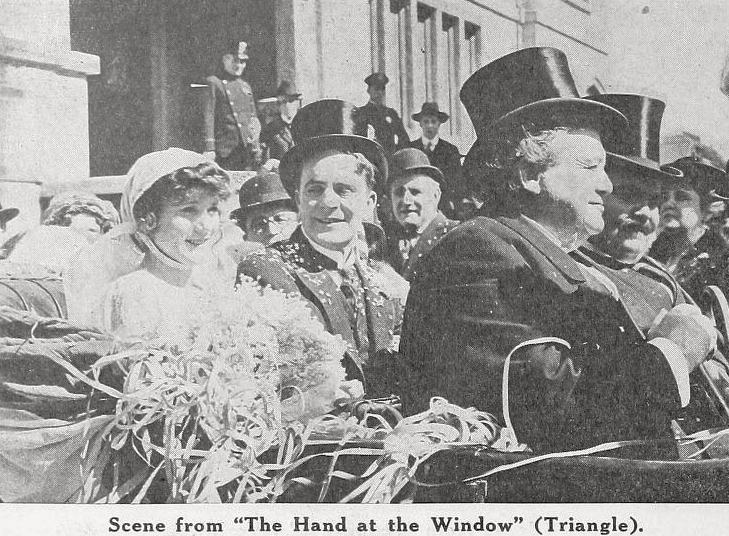
Step into the shadowy world of early cinema, where moral ambiguities and the long arm of justice often collide in a spectacle of human drama. John A. Moroso's "The Hand at the Window" emerges as a compelling artifact from this era, a narrative that, despite its vintage, pulsates with a timeless exploration of crime, consequence, and the intricate dance between law and personal vendetta. This isn't just a simple tale of good versus evil; it's a nuanced look at how past actions reverberate, shaping destinies with an almost tragic inevitability. From its explosive opening to its cleverly engineered denouement, the film grips with a quiet intensity, demanding attention to every subtle twist and turn.
The film detonates with the kind of dramatic flourish that would become a hallmark of cinematic storytelling. The joyous occasion of Tony the Banker's wedding is violently sundered by the arrival of Detective Moran, whose unyielding commitment to justice shatters the festive atmosphere. Tony, a man whose illicit ventures into counterfeiting have finally caught up with him, is unceremoniously hauled away, his nascent marital bliss crumbling before it can even begin. This initial sequence is not merely an arrest; it's a declaration of war, a foundational conflict that sets the stage for a spiraling saga of retribution. Tony's swift trial and subsequent incarceration are depicted with an efficiency that underscores the unwavering resolve of the legal system, personified by Moran.
Years pass, and Moran's dedication is rewarded with a promotion to Police Captain, signaling his ascent within the rigid hierarchy of law enforcement. Yet, even as his professional star rises, a personal mystery begins to unfurl, pulling him into a web of intrigue far closer to home. Laura Bowers, a new boarder in his very residence, becomes the object of his keen professional curiosity and, unexpectedly, a burgeoning personal fascination. Her enigmatic presence, particularly a moment where Moran observes her deftly opening a street door with a simple hairpin, ignites his detective's intuition. Is she a reformed criminal, a woman trying to escape a shadowy past, or something more sinister? The film masterfully plays with this ambiguity, keeping the audience, much like Moran, on tenterhooks.
Laura’s subsequent assurance that she has embraced an honest life, delivered with a conviction that disarms Moran, allows a tender romance to blossom. This development is crucial, as it showcases Moran's human side, his willingness to believe in redemption, even against his trained skepticism. The love affair culminates in their wedding, a moment of apparent triumph and domestic tranquility. However, the film, much like life itself, is not content with simple happy endings. As the newlywed couple settles into their home, tragedy strikes with brutal swiftness. Moran, seated by a window, becomes the victim of a gunshot, his life hanging precariously in the balance. This shocking event immediately casts a long shadow back to Tony, whose prison escape and chilling vow of vengeance – made specifically upon Moran's marriage – instantly connect the past to the present.
The ensuing investigation is a race against time and expectation. News arrives of Tony's death while resisting recapture, seemingly closing the chapter on his vendetta. Yet, the discovery of fingerprints outside the window, unequivocally belonging to Tony, complicates the narrative, proving his direct involvement in the shooting. The brilliance of Moroso's screenplay lies in its "cleverly planned explanations." It's not enough to simply present a crime; the film meticulously unravels the layers of motive and opportunity, culminating in a resolution that satisfies both the demands of justice and the intricate psychological undercurrents that drive its characters. The resolution here is not just a reveal, but a testament to the meticulous plotting that elevates this film beyond a mere potboiler.
The cast, though working within the expressive limitations of the silent era, brings a palpable intensity to their roles. Francis McDonald as Detective (later Captain) Moran embodies the quintessential lawman – resolute, astute, yet possessing a surprising vulnerability when confronted with matters of the heart. His journey from an unwavering agent of the law to a man navigating the complexities of love and betrayal forms the emotional backbone of the film. McDonald’s performance, reliant on exaggerated gestures and facial expressions, nevertheless conveys a depth of character that resonates.
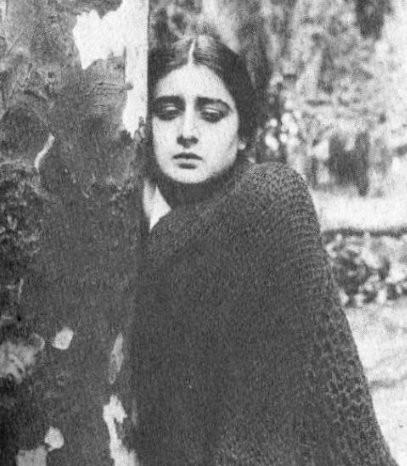
Margery Wilson as Laura Bowers is the film's enigmatic heart. Her character is a fascinating study in moral ambiguity. Is her reformation genuine, or is she merely a master of deception? Wilson's portrayal manages to keep this question alive, imbuing Laura with a fragility that makes her sympathetic, even as her past actions cast a long shadow. Her ability to convince Moran of her honesty, despite initial suspicions, speaks volumes about her screen presence and the subtle power of her performance. One might draw parallels to characters in films like Her Silent Sacrifice, where a protagonist's past transgressions or hidden burdens drive much of the dramatic tension.
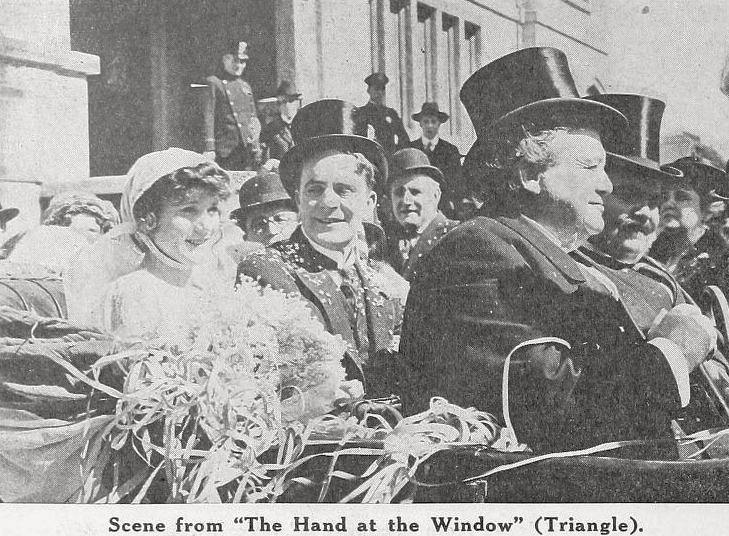
While Aaron Edwards as Tony the Banker has limited screen time after his initial arrest, his presence looms large over the entire narrative. He is the catalyst for Moran's journey, the embodiment of vengeful justice that drives the plot forward. His threat of retribution is not an idle boast but a prophecy that ultimately shapes the tragic climax. Even in his absence, Tony's shadow dictates the turns of the story, a testament to the writer's ability to create a compelling antagonist whose impact transcends his physical presence.
At its core, "The Hand at the Window" is a profound meditation on justice and its various manifestations. Moran initially represents the rigid, impartial hand of the law, bringing criminals like Tony to account. Yet, the film complicates this idealism by introducing personal stakes. Tony's revenge isn't just an act of criminality; it's a twisted form of personal justice, born from a perceived wrong. This blurring of lines between institutional justice and personal vendetta provides much of the film's dramatic tension. The narrative explores whether true redemption is possible, particularly through Laura's character. Can one truly escape a past tainted by illicit activities, or do the shadows always linger, threatening to engulf any newfound peace?
The theme of perception versus reality is also keenly explored. Moran, the seasoned detective, is initially swayed by Laura's facade of innocence, highlighting how even the most astute observers can be deceived by appearances. This reminds us of the observational challenges faced by characters in films like Passers By, where casual observations can unveil deeper truths or conceal them. The film challenges the audience to question what they see and hear, mirroring Moran's own internal conflict as he grapples with Laura's past. The "cleverly planned explanations" at the end serve to dismantle these perceptions, revealing a meticulously constructed reality that might have been hidden in plain sight.
Furthermore, the film delves into the inexorable nature of consequence. Every action, particularly those of a criminal nature, sets in motion a chain of reactions that can span years and affect seemingly unrelated lives. Tony's initial counterfeiting leads to his imprisonment, which in turn fuels his desire for revenge, ultimately culminating in the tragic shooting. This intricate web of cause and effect underscores a fatalistic worldview, suggesting that some destinies, once set in motion, are difficult, if not impossible, to alter. This sense of inescapable fate is a powerful driving force, akin to the relentless pursuit of justice or retribution seen in films such as The Flames of Justice, where the narrative builds towards an inevitable confrontation.
John A. Moroso's screenplay is a masterclass in building suspense without relying on dialogue. The narrative tension is sustained through visual storytelling: the abruptness of the wedding interruption, the subtle mystery surrounding Laura's actions, the shocking suddenness of Moran's shooting, and the methodical unveiling of evidence. The pacing, though reflective of early cinema, manages to maintain a compelling rhythm, drawing the audience deeper into the mystery with each revelation. The film's ability to keep the audience guessing about Laura's true nature and the exact circumstances of Tony's involvement speaks to the strength of its structural integrity.
The use of visual cues, such as the hairpin incident and the crucial fingerprints at the window, are not just plot devices but integral elements that amplify the suspense. These moments, devoid of spoken words, rely entirely on the audience's interpretation and the actors' expressive performances. The film’s focus on the mechanics of a crime and its investigation could be seen as a precursor to more elaborate detective stories, sharing a thematic kinship with works like The Celebrated Stielow Case, which also delves into the meticulous details of criminal proceedings. The revelation of Tony’s fingerprints, even after his reported death, is a classic mystery trope executed with precision, ensuring that the final pieces of the puzzle click into place with satisfying, if chilling, clarity.
"The Hand at the Window" might not be as widely known as some of its contemporaries, but its narrative sophistication and thematic depth secure its place as a significant contribution to early crime cinema. It demonstrates that even in the nascent stages of filmmaking, writers and directors were capable of crafting intricate, psychologically resonant thrillers. The film's exploration of justice, personal vendetta, and the blurred lines of morality remains pertinent, speaking to universal human experiences that transcend the passage of time.
For enthusiasts of film history and aficionados of the mystery genre, "The Hand at the Window" offers a rewarding viewing experience. It's a testament to the power of pure storytelling, where character motivations, plot twists, and thematic resonance combine to create a compelling and enduring work. While the silent film era often gets pigeonholed by its technical limitations, this film serves as a powerful reminder of the artistic ingenuity and narrative prowess that flourished during that period. It’s a compelling journey into the heart of a mystery, resolved with a precision that echoes the finest traditions of detective fiction, reminding us that some cinematic hands, even from the distant past, still have the power to grip us firmly.
IMDb —
1925
Community
Log in to comment.