DbcultAccessing Vault...
6.7/10
Senior Film Conservator
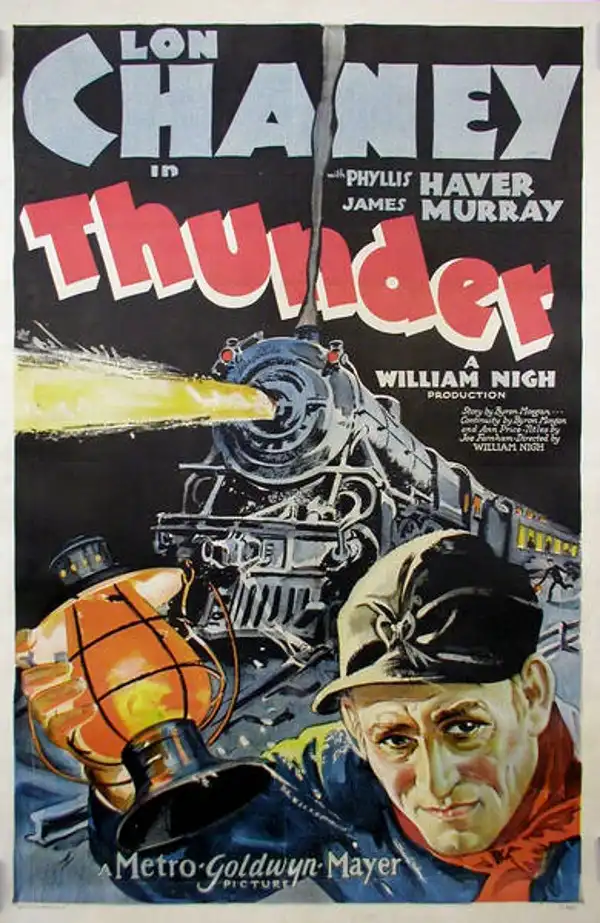
A definitive 6.7/10 rating for a film that redefined the boundaries of cult cinema. Thunder remains a cornerstone of transgressive art.
Alright, so a silent film from 1929 about a train engineer? Yeah, it sounds like a tough sell, I know. But 'Thunder' actually pulls you in pretty quick, especially if you've got a soft spot for big, emotional dramas where the stakes feel genuinely high. If you need snappy dialogue or a modern pace, you'll probably bounce off this hard. But for those who appreciate a really strong performance and visual storytelling, it's absolutely worth a look today. It's got that raw, almost brutal energy you don't always expect from something so old. 🚂
The whole thing centers on this guy, Anderson, who everyone just calls "Grumpy." And for good reason, apparently. He’s obsessed with his train schedule. Like, *obsessed* obsessed. James Murray, who plays Grumpy, really leans into it. His whole body language just screams "get out of my way, I've got a train to run."
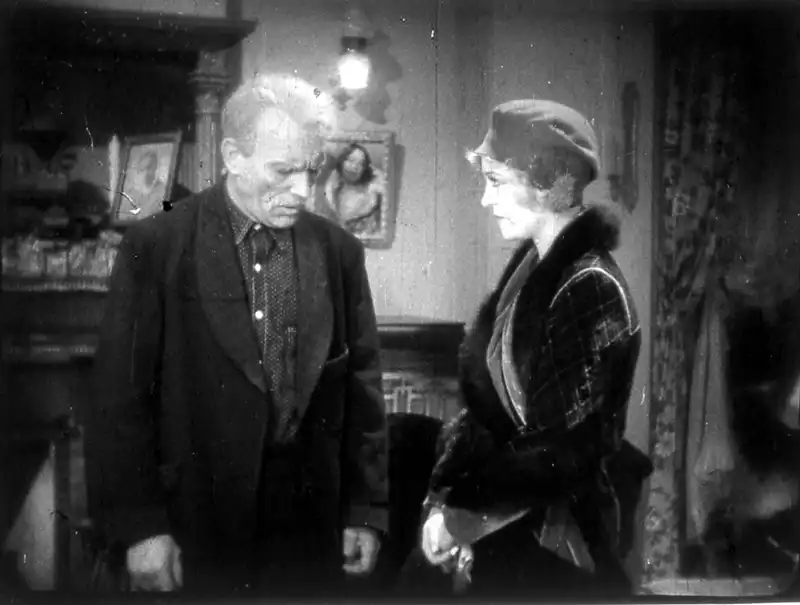
It's not just a quirk, though. This single-mindedness, this absolute dedication to the rails, ends up tearing his family apart. One of his sons dies because of it, which is just gut-wrenching to watch unfold silently.
And then, the funeral car scene. Man, that one sticks with you. Grumpy and his surviving son, arguing, right there on the train carrying his dead brother. The sheer audacity of it, the raw emotion bubbling over, is just incredible to see played out without a single word. It feels so wrong, but also so real for these two stubborn men.
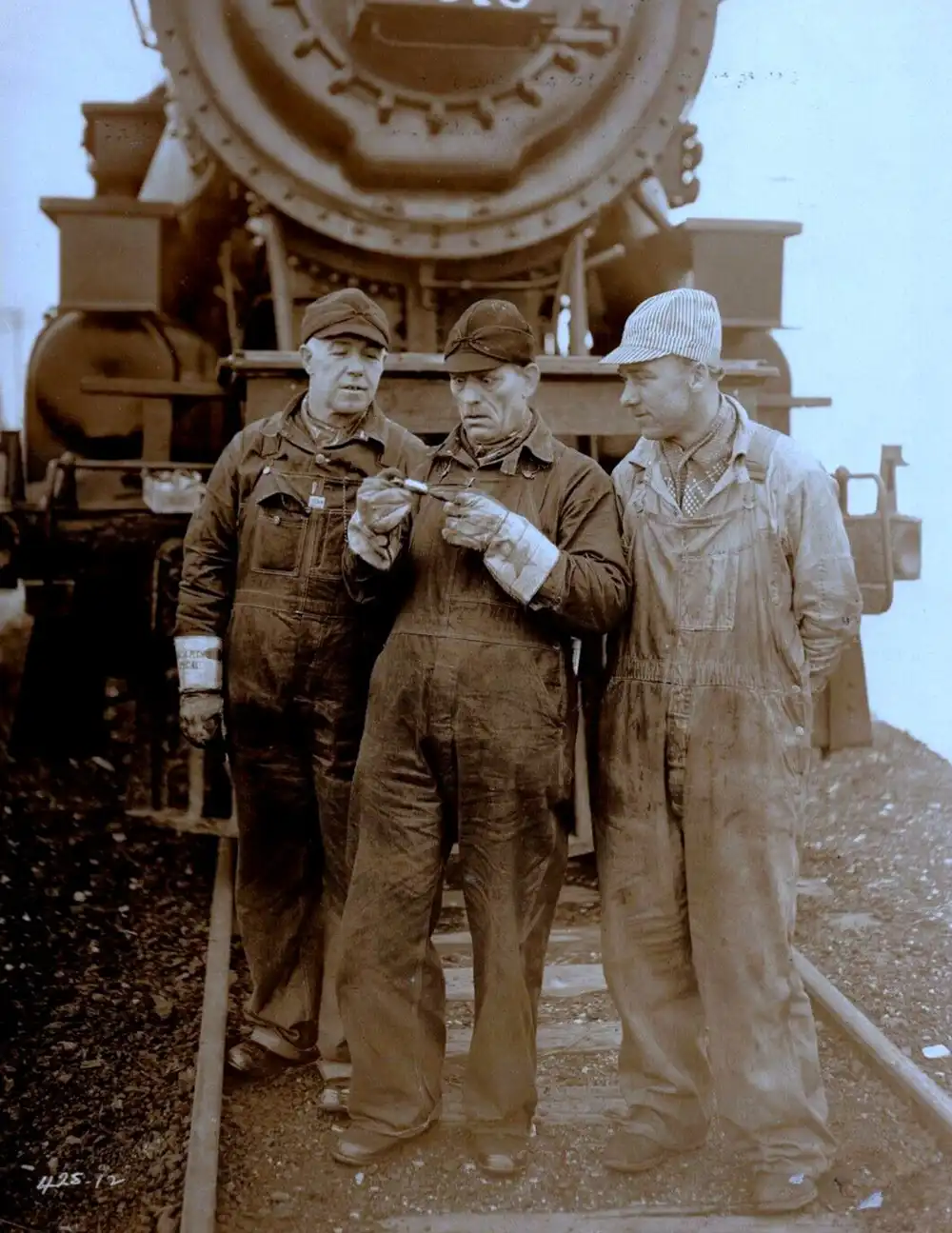
Naturally, that fight ends in a crash. A big one. And Grumpy, the legendary engineer, gets busted down to a mechanic in the yards. It’s a pretty harsh fall. You see him there, covered in grease, just looking at the trains he used to command. The indignity of it all really hits you. It’s a classic arc, sure, but it’s done with such sincerity here.
I kept thinking about those old trains, how much noise they must have made in real life. The silence of the film makes the crashes and the steam almost *more* impactful, because you're filling in the sound yourself. It puts you right there on the tracks, in a strange way.
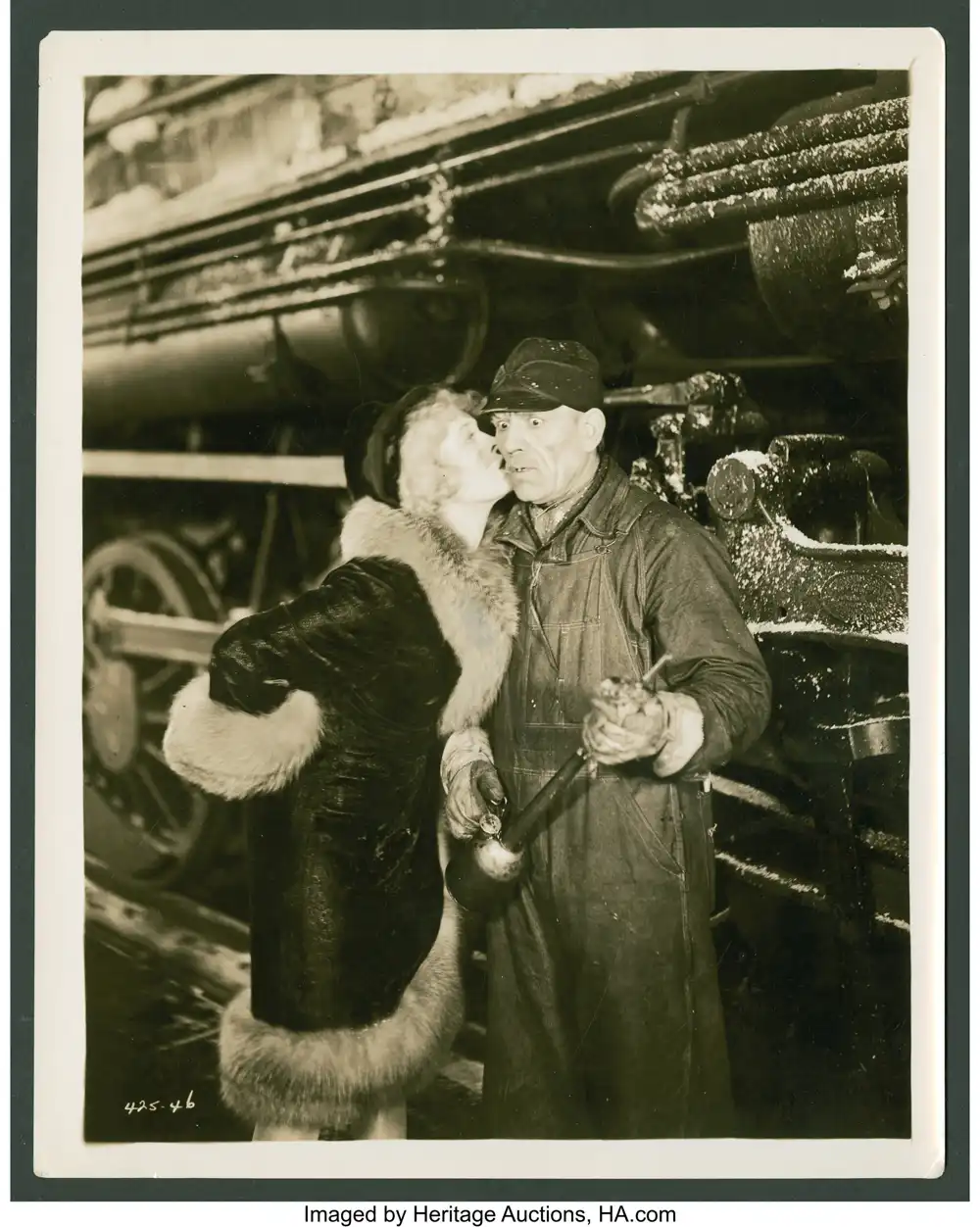
The pacing here is interesting. It's not fast by modern standards, obviously, but it doesn’t drag either. There are moments that really linger, like a shot of Grumpy's face, or the way the train tracks stretch into the distance. It lets you sit with the emotion, which I actually quite liked. Sometimes movies today just rush you through everything.
And then the Mississippi flood hits. This is where the movie really shifts gears. Suddenly, it’s not just about Grumpy's personal drama; it’s about survival. The scale of the disaster is impressive for the time. They clearly pulled out all the stops for those water effects and the sense of impending doom.
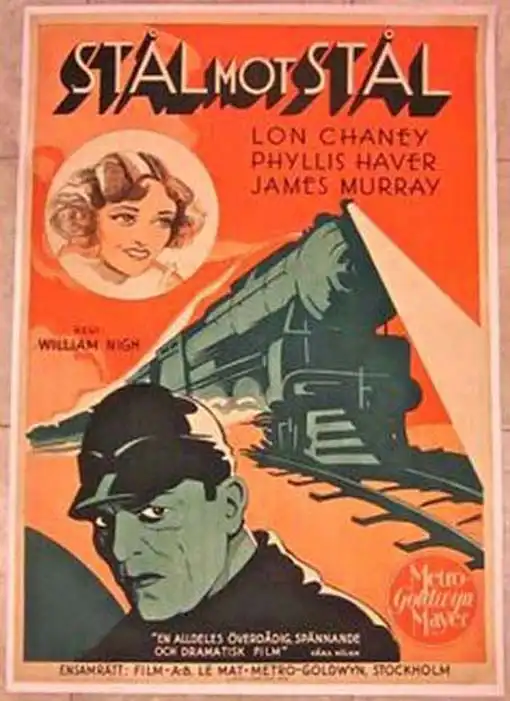
Grumpy gets called back into service, of course, to pilot a relief train. And who's with him? His surviving son. You know it’s coming, that moment where they have to work together, putting aside all the bitterness for something bigger than themselves. It's a bit predictable, maybe, but it's *earned*.
Watching them navigate the flooded tracks, the tension is actually palpable. You can almost feel the instability of the ground under the train, the way the water is rising. It’s a really effective sequence. And the visual of the train cutting through the floodwaters is pretty iconic.
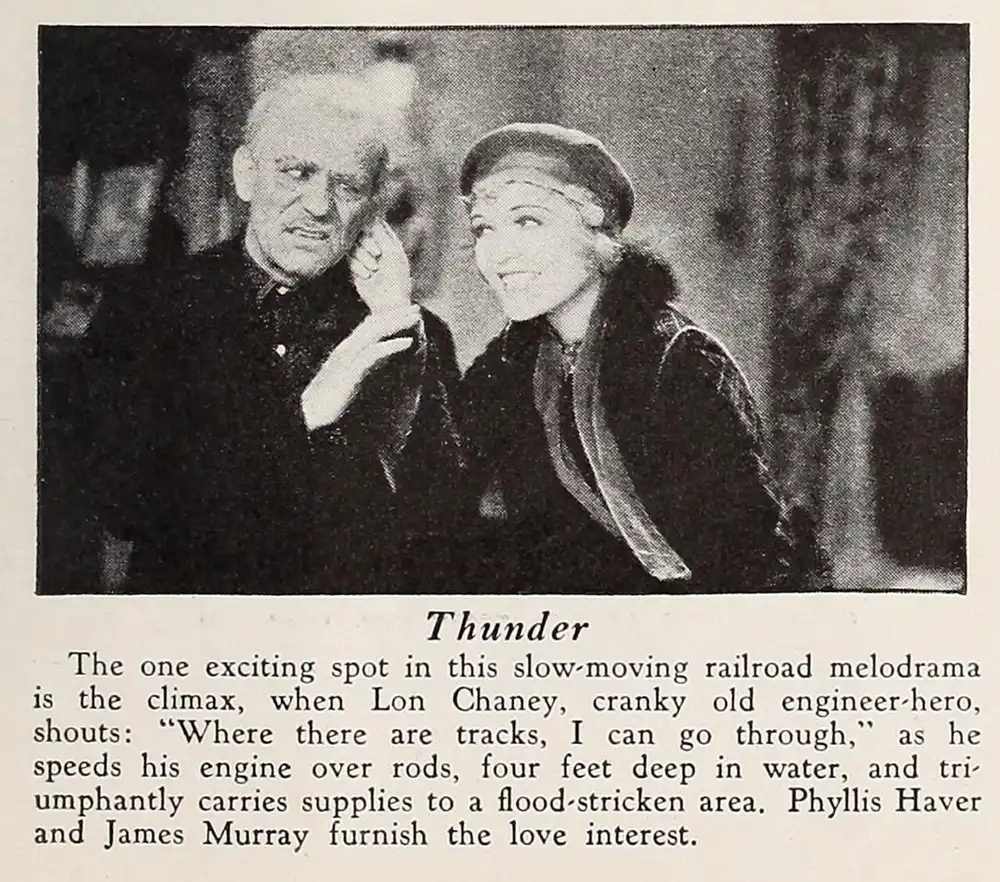
Frances Morris plays Grumpy’s wife, and she’s got some tough moments. Her face just conveys so much, even when she’s just sitting there, watching her family unravel. The silent era really forced actors to be so expressive with their bodies and eyes, and she’s a great example of that.
What I found myself really appreciating was how much of the story they tell with just… faces. And hands. The clench of a fist, the slump of shoulders. It's a masterclass in non-verbal communication, honestly. You don't miss the dialogue much at all. Well, *most* of the time. 😉
The whole film feels very much of its time, but in a good way. It's got that big, dramatic scope, that focus on man versus nature (or man versus machine, in a way) that you see in a lot of these older pictures. It’s not trying to be subtle, and that’s part of its charm. It just lays it all out there.
So, yeah. If you’re willing to slow down a bit and let a story wash over you, 'Thunder' is a surprisingly engaging ride. It's a reminder that good drama doesn't need sound to hit hard. It’s a solid piece of filmmaking that still holds up, if you’re open to it.
IMDb 7
1923
Community
Log in to comment.