DbcultAccessing Vault...
5.3/10
Senior Film Conservator
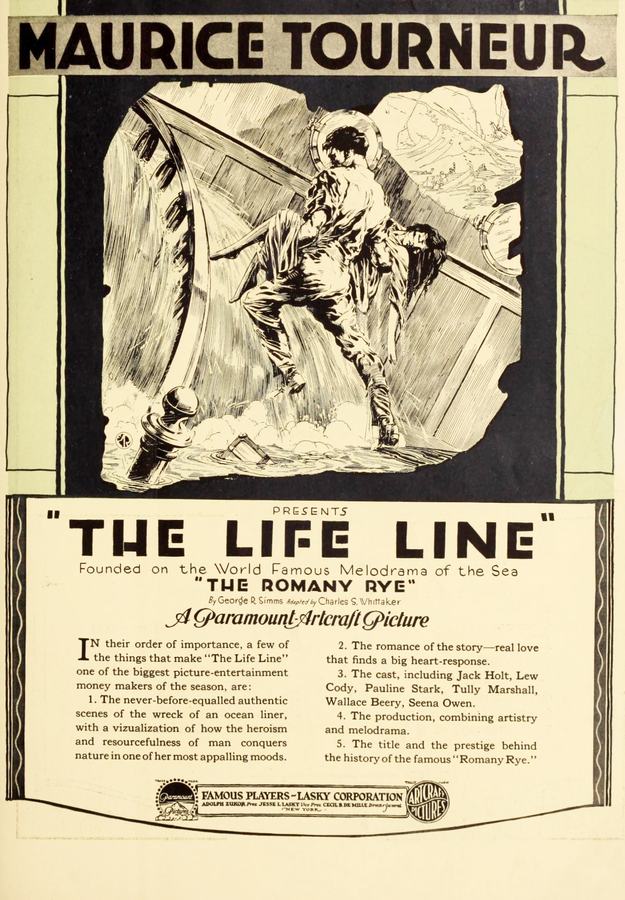
A definitive 5.3/10 rating for a film that redefined the boundaries of cult cinema. The Life Line remains a cornerstone of transgressive art.
Stepping back into the nascent decades of cinema, one often encounters narratives that, despite their age, resonate with an almost primal force. Such is the case with The Life Line, a gripping silent film from 1919 that masterfully weaves a tapestry of inheritance, betrayal, love, and redemption. In an era where visual storytelling was paramount, stripped of the crutch of spoken dialogue, films like this relied on potent imagery, exaggerated gestures, and a narrative drive that felt both grand and intimately personal. It’s a testament to the enduring power of classic cinema that a story penned more than a century ago can still captivate, drawing us into its dramatic whirlpool with an irresistible pull.
Directed by Maurice Tourneur (though not credited in the provided details, his influence on films of this period is often notable for his visual flair), and brought to life by the collective genius of writers George R. Sims, George Henry Borrow, and Charles E. Whittaker, The Life Line stands as a compelling example of early cinematic melodrama. It’s a film that asks us to suspend our disbelief and surrender to its sweeping emotional currents, promising a journey through the heart of human greed and the unwavering spirit of love.
At its core, The Life Line introduces us to Jack Hearne, a character famously known as the Romany Rye. He is a man of principle and wanderlust, choosing the untethered existence among the Romany people over the stifling opulence of his inherited fortune. This initial premise immediately establishes a powerful thematic tension: the clash between societal expectations and personal freedom, a motif that echoes throughout cinematic history, from the rugged individualism of Westerns to modern tales of self-discovery. Jack's half-brother, Phillip Royston, resides at the grand estate of Cragsnest, a symbol of the very life Jack consciously eschews. This sibling rivalry, simmering beneath the surface, is the foundational conflict upon which the entire narrative is built.
The catalyst for Jack's re-engagement with the world of his birthright arrives in a moment of harrowing peril. He bravely rescues Ruth Heckett from a devastating theater fire. Ruth, the daughter of Joe, a charmingly eccentric London bird shop owner who moonlights as a burglar, represents a different kind of freedom—one found in resilience and resourcefulness rather than inherited wealth. This heroic act, imbued with the grand romantic gestures typical of the era, swiftly leads to their marriage, a union forged in fire and burgeoning affection. Their subsequent decision to embark on a steamer bound for America, seeking witnesses to Jack's parents' wedding to validate his inheritance claim, sets the stage for the film’s central adventure.
Here, the plot thickens with a delicious twist of dramatic irony. Joe's partner, Bos, offers Ruth a seemingly innocent wedding gift: a Bible. What no one realizes, save for the audience, is that this very Bible was pilfered from Cragsnest and, more critically, contains the elusive wedding certificate of Jack's parents. This document is the very proof Royston desperately seeks to destroy, making the Bible a potent MacGuffin, unknowingly carried by the very people whose fate it holds. This kind of narrative device, where crucial information or objects are hidden in plain sight, is a classic trope, effectively building suspense and ensuring that every interaction carries a hidden layer of significance. It’s a masterclass in silent film plotting, where the audience is privy to a secret that the characters are not, amplifying the dramatic tension with every turn of the page.
The journey across the Atlantic becomes a crucible of betrayal and survival. Laura, a Romany woman consumed by an unrequited, almost obsessive infatuation for Royston, becomes an unwitting pawn in his villainous scheme. She lures Jack off the steamer, leading to a brutal attack where he is blackjacked, drugged, and callously thrown into the unforgiving ocean. This moment of profound treachery underscores the lengths to which Royston will go to protect his ill-gotten gains, painting him as a truly ruthless antagonist. Yet, the narrative, true to its melodramatic heart, offers a glimmer of hope: Bos, Jack's loyal, if somewhat unconventional, friend, miraculously rescues him from the watery abyss. This sequence, with its high stakes and dramatic reversals, keeps the audience on the edge of their seats, embodying the thrilling escapism that silent cinema perfected.
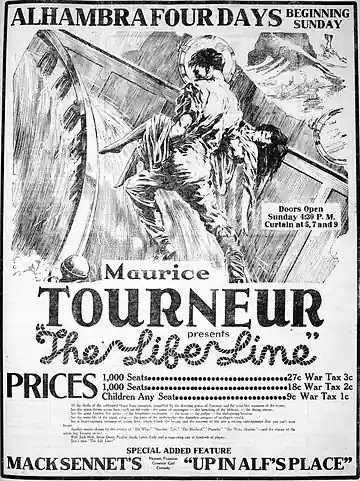
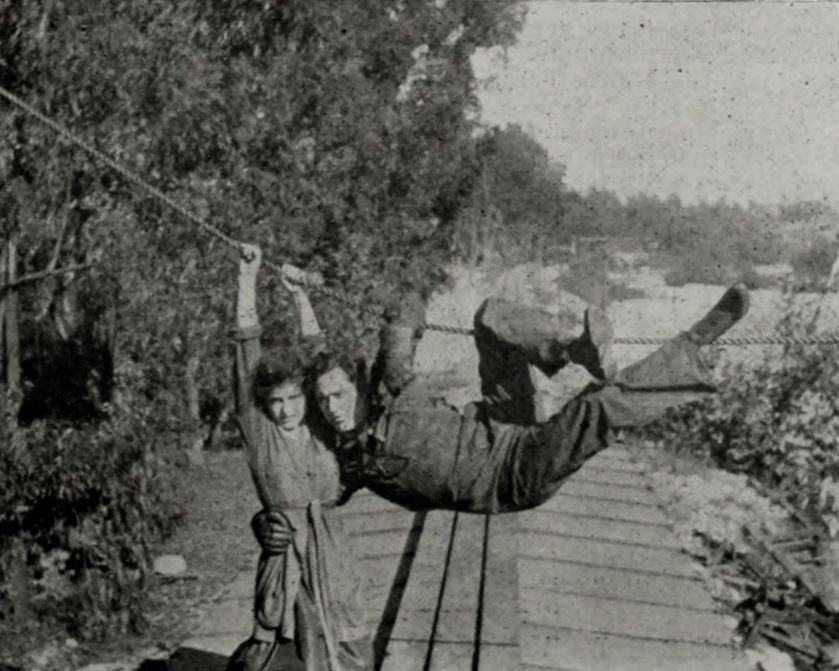
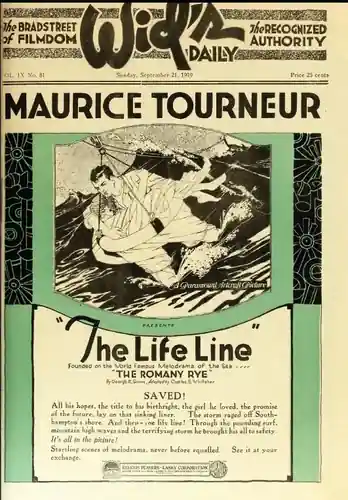
The climax is nothing short of spectacular, culminating in a devastating shipwreck off the coast of Southampton. The steamer, a symbol of their hopes and dreams, is tragically wrecked. Amidst the chaos and destruction, Ruth, having finally discovered the vital certificate within the Bible, demonstrates incredible courage. She is saved, along with other survivors, through the ingenious use of a breeches buoy, a poignant symbol of humanity's ingenuity in the face of overwhelming odds. In a final, fitting act of poetic justice, Royston and the misguided Laura meet their demise, swallowed by the very waves that Jack miraculously escaped. Their watery grave serves as a powerful, if grim, resolution to their villainy, leaving the audience with a sense of catharsis and the triumph of good over evil. The narrative's relentless pace and escalating stakes are reminiscent of other adventure-driven silent films where the elements themselves become formidable antagonists, much like the perilous journeys depicted in Desert Gold, where nature's fury tests the limits of human endurance.
In silent cinema, the burden of conveying emotion, character, and plot falls squarely on the shoulders of the actors. Their faces, their gestures, their very physicality must articulate what words cannot. The Life Line boasts a cast that rises admirably to this challenge, delivering performances that are both nuanced and grandly expressive.
Wallace Beery, in the role of Jack Hearne, the Romany Rye, is a revelation. Beery, known for his later career as a gruff but lovable character actor, here imbues Jack with a compelling blend of rugged independence, innate heroism, and a touch of aristocratic bearing that he tries to shed. His portrayal of a man torn between two worlds—the wild freedom of the Romany and the responsibilities of his heritage—is central to the film's emotional resonance. Beery's expressive face and commanding presence make Jack a protagonist worth rooting for, his silent anguish and determination palpable even a century later. His performance anchors the film, making his journey feel deeply personal and universally relatable.
Pauline Starke as Ruth Heckett brings a vibrant energy and resilience to her character. Ruth is not merely a damsel in distress; she is resourceful, courageous, and deeply devoted. Starke's performance portrays Ruth as a woman of strong will, capable of navigating perilous situations and demonstrating remarkable fortitude. Her chemistry with Beery is evident, creating a believable romantic core that drives much of Jack's motivation. Her discovery of the certificate and subsequent actions during the shipwreck showcase her character's transformation from a rescued maiden to a proactive heroine, a common and celebrated arc in many silent era dramas, perhaps echoing the strong female protagonists seen in films like Madame d' Ora.
Jack Holt, as the villainous Phillip Royston, delivers a performance brimming with cold calculation and malevolence. Holt, often cast in roles of authority or heroism, here embraces the darker side, creating a memorable antagonist whose greed knows no bounds. His silent sneers, menacing glares, and ruthless actions effectively convey his character's depravity, making him a formidable foil for Jack. Royston's relentless pursuit of the certificate and his willingness to commit unspeakable acts to secure his inheritance provide the narrative's driving tension. His portrayal is a masterclass in silent villainy, a necessary counterpoint to the heroism of Jack and Ruth.
Seena Owen as Laura, the gypsy woman infatuated with Royston, adds a layer of tragic complexity. Her character is not simply evil but misguided, driven by a desperate, unrequited love that blinds her to Royston's true nature. Owen's performance captures this internal conflict, making Laura a figure of both treachery and pathos. Her complicity in Jack's attempted murder, fueled by jealousy and manipulation, makes her fate all the more poignant. The intricate web of emotional entanglements and deceit, particularly concerning romantic rivalries and hidden agendas, finds a narrative analogue in the complex relationships depicted in Tangled Hearts, where passions often lead to perilous outcomes.
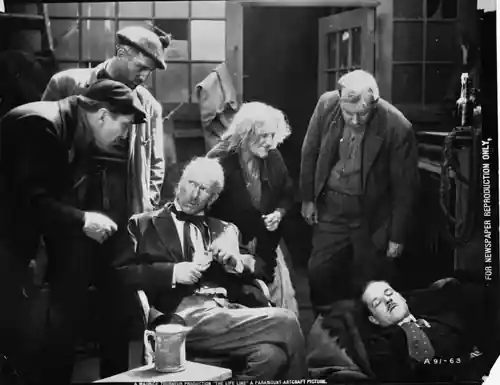
Lew Cody and Tully Marshall, as Joe and Bos respectively, provide crucial supporting roles, injecting moments of levity and loyalty amidst the high drama. Joe, the charming rogue, and Bos, his steadfast partner, represent the unconventional but ultimately good-hearted allies who stand by Jack. Their presence adds texture to the narrative, reminding us that even in the darkest of tales, unexpected friendships can offer a lifeline. The narrative's exploration of societal fringes and the inherent goodness found outside conventional structures brings to mind the character dynamics in Nancy Comes Home, where protagonists often navigate complex social landscapes.
The success of a silent film hinges not just on its actors, but on the meticulous craftsmanship of its writers and director. George R. Sims, George Henry Borrow, and Charles E. Whittaker constructed a plot that is rich in incident, character, and dramatic stakes. Their narrative unfolds with a relentless momentum, moving from pastoral Romany camps to the bustling streets of London, from the confines of a steamer to the chaos of a shipwreck. This geographical and social breadth adds to the epic feel of the story, ensuring that the audience is constantly engaged by new settings and escalating perils.
The writing deftly balances moments of quiet character development with grand, sweeping action sequences. The introduction of the stolen Bible, containing the crucial wedding certificate, is a stroke of genius, transforming an ordinary object into the very key to the protagonist's destiny. This kind of intricate plotting, where a seemingly minor detail holds immense significance, is a hallmark of effective storytelling, ensuring that every element contributes to the overall tension and resolution. The dramatic stakes surrounding a crucial document, much like the hidden wedding certificate here, are also central to the tension in narratives such as The Green Cloak, where secrets fuel the entire plot.
Visually, silent films often compensated for the lack of sound with innovative cinematography and elaborate set pieces. While specific directorial credits for Tourneur are not provided, films of this era often showcased impressive practical effects, particularly in scenes involving fires and shipwrecks. The theater fire scene, for instance, would have been a significant undertaking, designed to convey immediate danger and the hero's bravery. Similarly, the climactic shipwreck would have demanded considerable ingenuity in its staging and execution, utilizing miniatures, forced perspective, and dynamic editing to create a sense of overwhelming catastrophe. These visual spectacles were crucial for captivating audiences and cementing the film's place in their memory. The overall sense of a looming threat and the desperate fight against malevolent forces, as embodied by Royston, recalls the pervasive tension found in thrillers like The Yellow Menace, where danger lurks at every turn.
Beyond its thrilling plot and memorable characters, The Life Line explores several universal themes that remain pertinent even today. The most prominent is the age-old conflict between nature and nurture, or perhaps, freedom and obligation. Jack Hearne's initial rejection of his birthright for the Romany life speaks to a deeper human desire for authenticity and self-determination, even when faced with the allure of wealth and status. This theme resonates with anyone who has ever felt the pull between societal expectations and their own true calling.
The film also delves into the destructive power of greed and envy, personified by Phillip Royston. His insatiable desire to maintain his inherited wealth, even at the cost of human life, serves as a stark warning about the corrupting influence of avarice. This moralistic undertone, common in silent films, reinforces clear distinctions between good and evil, offering a comforting sense of justice in a world often perceived as chaotic. The treacherous acts of betrayal and the ensuing struggle for survival, a core element of 'The Life Line,' resonate with the dark undercurrents present in films like Den Vanærede, where moral compromises drive the conflict.
Love and loyalty are also central to the narrative. The bond between Jack and Ruth, forged in adversity, highlights the strength and resilience of true affection. Similarly, the unwavering loyalty of Bos to Jack, despite their unconventional friendship, underscores the importance of human connection and solidarity. These themes provide the emotional anchor for the film, making the characters' struggles and triumphs all the more impactful. The journey for justice and truth, despite overwhelming odds, finds parallels in the steadfast resolve seen in The Unbroken Promise, showcasing a similar narrative drive.
Furthermore, the film touches upon themes of class and identity. Jack's Romany heritage and his choice to live among them challenges the rigid social structures of the time. The film implicitly suggests that virtue and nobility are not exclusive to the upper classes, but can be found in unexpected places, among those on the fringes of society. This democratic spirit, even in a melodrama, offers a subtle critique of societal prejudices. Themes of class and concealed identity might echo in films like The Ordeal of Rosetta, where social standing and personal truth often collide.
As a piece of cinematic history, The Life Line offers a fascinating glimpse into the storytelling conventions and technical capabilities of the late 1910s. It represents a period when film was rapidly evolving, moving beyond mere novelty to become a powerful art form and a primary source of mass entertainment. Films like this laid the groundwork for the more complex narratives and sophisticated techniques that would follow in the golden age of Hollywood.
For modern audiences, watching The Life Line is an exercise in appreciation for the foundations of cinema. It reminds us of the ingenuity required to convey complex emotions and thrilling action without the benefit of synchronized sound. The exaggerated acting styles, while sometimes appearing quaint to contemporary eyes, were essential for communication and contributed to the unique charm of silent films. It also highlights the universal appeal of a good story, regardless of the technological limitations of its presentation.
The film's dramatic conclusion, with the shipwreck and the ultimate demise of the villains, provides a satisfying resolution that reinforces the era's preference for clear moral outcomes. The survival of Jack and Ruth, and the validation of their love and inheritance, serves as a triumphant affirmation of justice and perseverance. The sudden reversals of fortune and dramatic unveilings of truth find a spiritual cousin in the intricate plotting of The Sudden Gentleman, where destinies are reshaped by unexpected revelations.
In conclusion, The Life Line is more than just a historical artifact; it is a vibrant, compelling silent drama that continues to speak to the enduring power of human spirit against overwhelming odds. It's a film that, through its robust plot, memorable characters, and grand spectacles, reaffirms the timeless appeal of good storytelling. For anyone interested in the origins of cinematic narrative or simply seeking a thrilling, emotionally resonant experience, The Life Line is a journey well worth taking. Its legacy lies not just in its existence, but in its ability to still thrill and move an audience, proving that the language of compelling cinema transcends spoken words and the passage of time.
IMDb —
1917
Community
Log in to comment.