DbcultAccessing Vault...
5.5/10
Senior Film Conservator
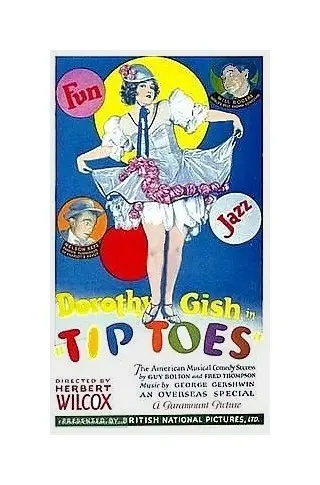
A definitive 5.5/10 rating for a film that redefined the boundaries of cult cinema. Tiptoes remains a cornerstone of transgressive art.
Short answer: yes, but only if you appreciate the visual grammar of the late silent era. This film is for those who find beauty in the expressive face of Dorothy Gish, but it is definitely not for anyone who expects to actually hear a Gershwin tune.
The very concept of a silent film based on a stage musical seems like a punchline. How do you translate the syncopated rhythms of George and Ira Gershwin into a medium that is, by definition, mute? Yet, Herbert Wilcox’s 1927 adaptation of Tiptoes manages to capture the effervescence of the Jazz Age through sheer kinetic energy and the charisma of its leads. It is a fascinating artifact of a time when cinema was reaching its technical zenith, just moments before the talkie revolution would change everything.
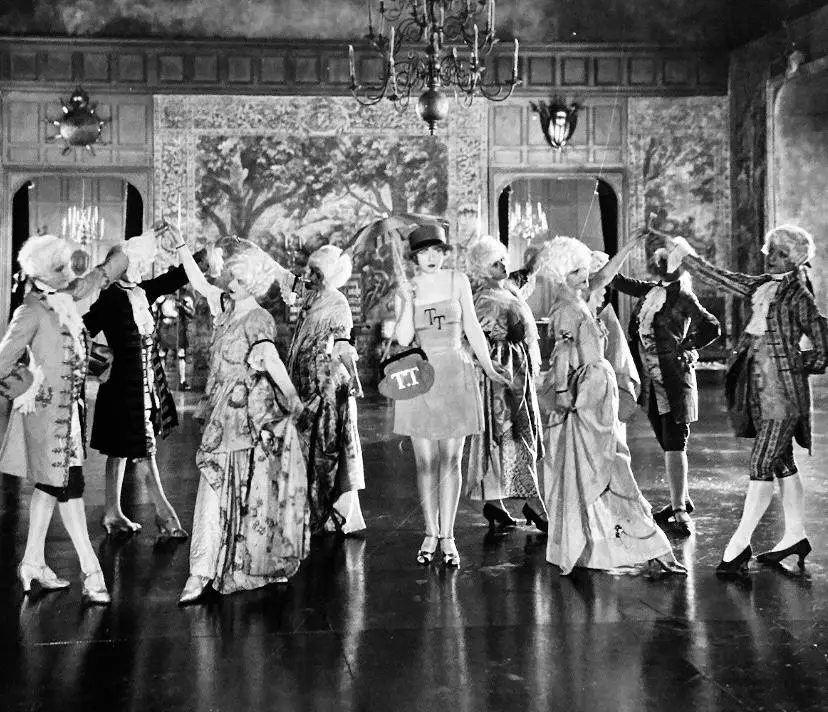
1) This film works because Dorothy Gish delivers a masterclass in physical comedy that transcends the lack of audio, proving she was far more than just Lillian’s sister.
2) This film fails because the absence of the Gershwin score leaves a rhythmic void that title cards cannot fill, making the musical numbers feel like pantomime.
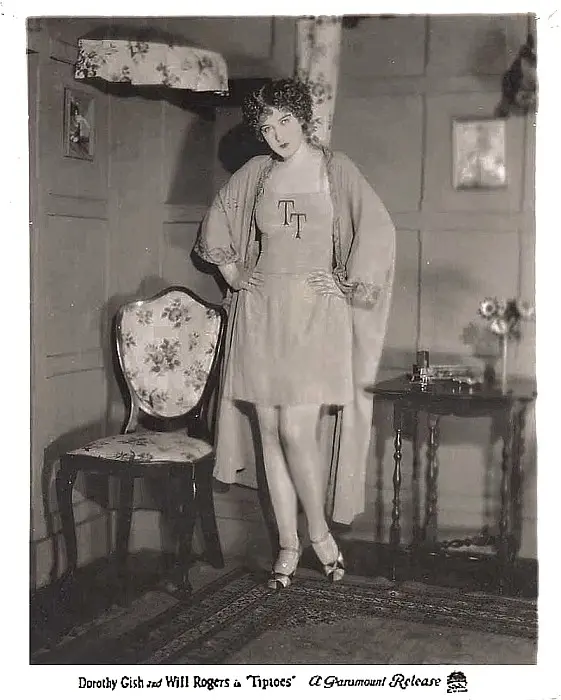
3) You should watch it if you want to see the 'other' Gish sister prove she was the true queen of the 1920s romantic comedy.
Watching Tiptoes is a bit like reading the lyrics to a song you’ve never heard. You can sense the meter, you can imagine the melody, but the core sensory experience is missing. However, Wilcox makes a valiant effort to bridge this gap. He uses rapid-fire editing and a lively camera to mimic the 'pep' of a Broadway production. In the scene where the Three Kayes arrive in Florida, the movement is so synchronized it feels choreographed to a beat we cannot hear. It is a technical feat that rivals contemporary works like The Price of Pleasure in its attempt to visualize internal joy.
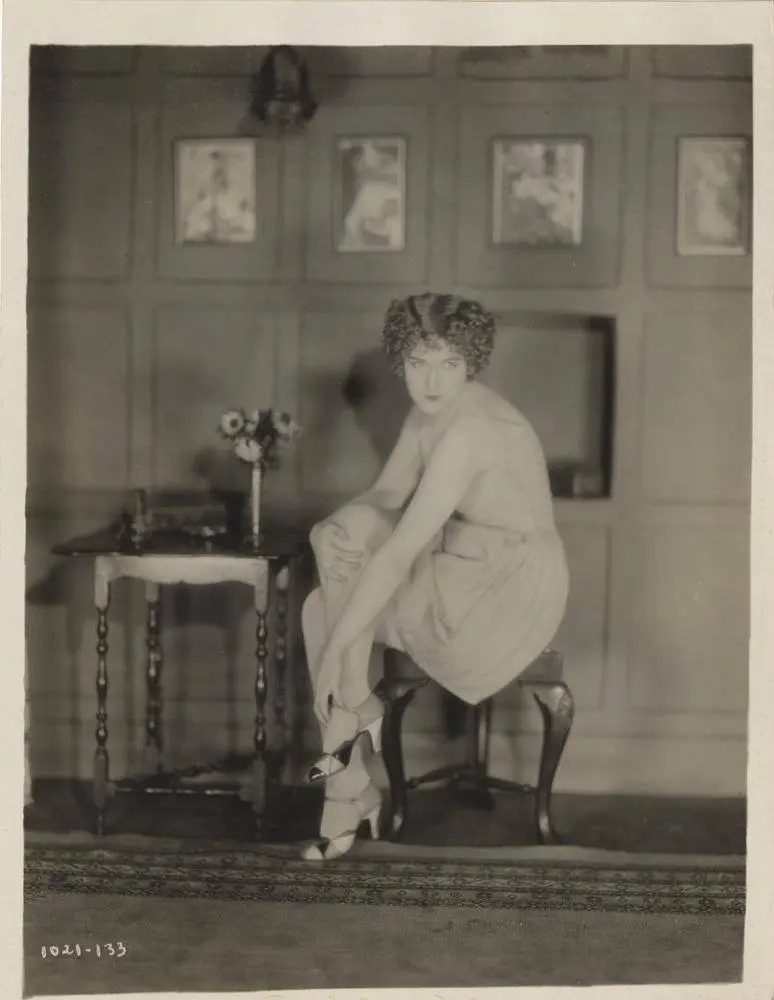
The film relies heavily on the 'Three Kayes' dynamic. Dorothy Gish, as Tiptoe, is the engine of the film. Unlike the ethereal, tragic roles often occupied by her sister Lillian, Dorothy was a creature of grit and humor. She plays Tiptoe with a street-smart edge that makes her transition into a 'lady' both hilarious and poignant. When she tries to navigate a high-society dinner while worrying about her uncle’s behavior, her facial expressions do more work than ten pages of dialogue could. It is a performance of high-wire tension.
One of the most surprising elements of Tiptoes is the presence of Will Rogers. By 1927, Rogers was a national treasure, known for his folksy wisdom and lasso tricks. Here, he plays Steve Burton, the 'Glue King' and the target of the Kayes' scheme. Rogers is an unconventional leading man. He doesn't have the smoldering intensity of a Valentino or the polished grace of a Fairbanks. Instead, he brings a grounded, almost bewildered sincerity to the role. He looks like he wandered onto the wrong set, and that's exactly why he's the best thing in the movie.
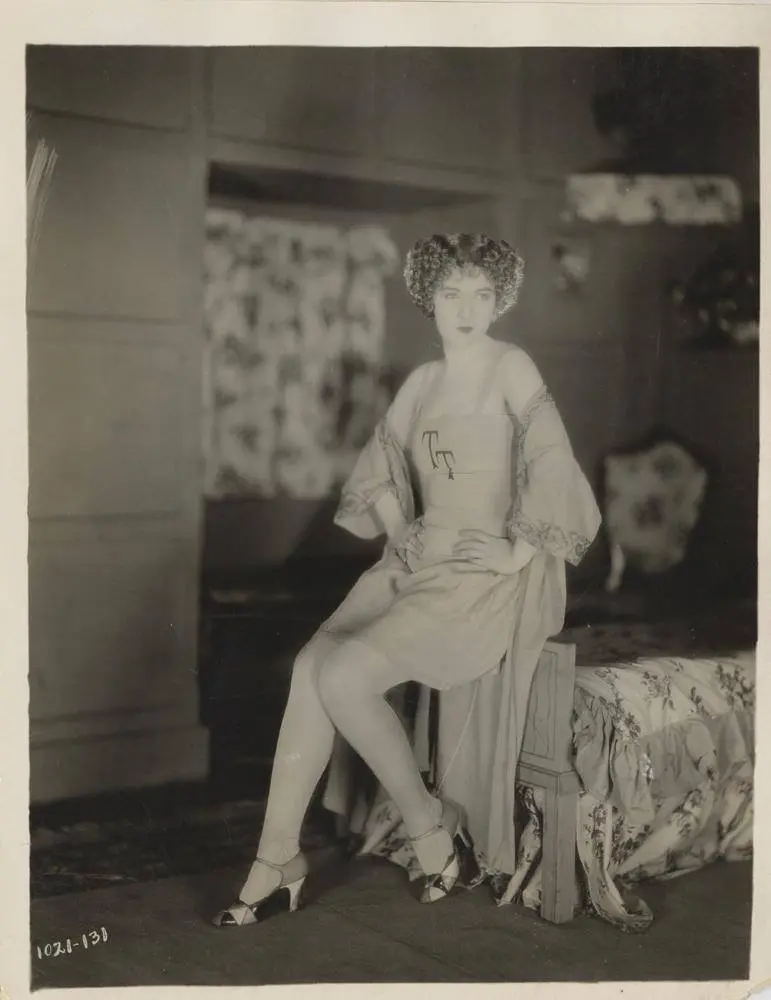
His chemistry with Gish is rooted in a shared sense of 'otherness.' Both characters are out of place in the artificial world of Palm Beach. While the film is a comedy, it touches on the predatory nature of the Florida land boom. Palm Beach is depicted as a glittering trap, a place where everyone is selling a version of themselves that doesn't exist. This thematic weight elevates Tiptoes above mere fluff, placing it in conversation with films like Burnt Wings which explored the darker side of social ambition.
For film historians, Tiptoes offers a 'blink and you’ll miss it' treasure. A young Jack Cardiff appears in a small role. Decades before he would become the legendary cinematographer behind The Red Shoes and Black Narcissus, Cardiff was a child actor and bit player. Seeing him here is a reminder of the deep roots of British cinema. His later obsession with color and light is nowhere to be found in this monochrome world, but the film's visual clarity suggests the high standards of the era.
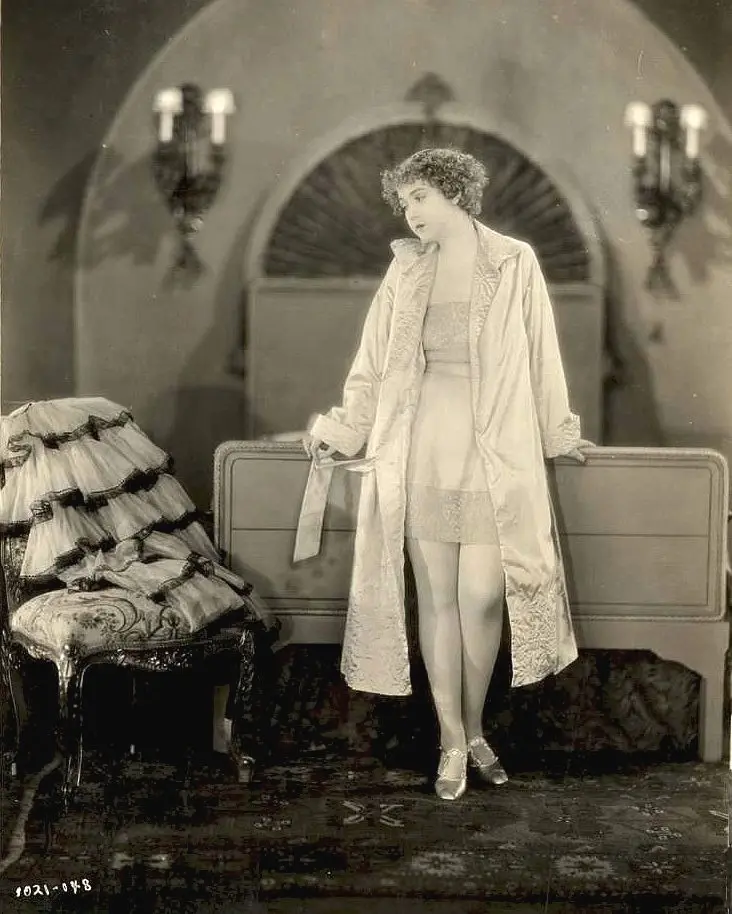
Does a silent musical hold up in the age of 4K streaming? The answer depends entirely on your patience for artifice. If you require a literal interpretation of a musical, you will be frustrated. The songs 'Looking for a Boy' and 'That Certain Feeling' are reduced to title cards. You see the actors singing, but you hear nothing. It is a strange, phantom limb of a movie.
However, as a piece of pure visual storytelling, it is a delight. The pacing is brisk, and the comedic set pieces are genuinely funny. There is a sequence involving a fake inheritance that is paced with the precision of a Swiss watch. It avoids the heavy-handed melodrama found in films like White Eagle, opting instead for a light, airy touch. It works. But it’s flawed. The flaw is simply the medium's limitation at the time.
Pros:
- Stunning restoration quality in surviving prints.
- Will Rogers provides a refreshing, non-traditional romantic lead.
- A fascinating look at 1920s high-society fashion and architecture.
- The 'Three Kayes' have a genuine, believable family chemistry.
Cons:
- The plot is a bit thin and predictable by modern standards.
- Some of the secondary vaudeville humor feels dated and 'stagey'.
- The transition between comedic scenes and sentimental moments can be jarring.
By 1927, directors like Wilcox knew how to tell a story without words. The use of close-ups in Tiptoes is particularly effective. When Tiptoe first sees Steve, the camera lingers on her face, capturing a flicker of guilt that complicates her mission. This isn't the broad, over-the-top acting of the early 1910s. This is subtle, psychological acting. It reminds me of the tonal shifts in Saturday, where the silence actually enhances the intimacy of the characters.
"Dorothy Gish doesn't just play Tiptoe; she vibrates with the nervous energy of a woman who knows her shoes are borrowed and her future is a coin flip."
The cinematography, while not revolutionary, is clean and serves the story well. The Florida locations (some filmed in the UK, some on location) feel expansive. There is a sense of air and light that many indoor-bound silent films lack. The art direction captures the 'nouveau riche' aesthetic of the era—all marble floors and silk gowns—which contrasts sharply with the Kayes' cramped, dusty backstage life.
Tiptoes is a charming anomaly. It is a musical without a voice, yet it sings through the performances of its cast. Dorothy Gish is a revelation, and Will Rogers is a delight. While it may not reach the heights of the greatest silent masterpieces, it is a vital piece of cinema history that deserves to be seen. It captures a specific moment in time—the peak of the silent film and the height of the 20s boom—with a wink and a smile. It is an imperfect, beautiful, and slightly bizarre cinematic experience.
IMDb —
1918
Community
Log in to comment.