DbcultAccessing Vault...
Cult Review
Senior Film Conservator
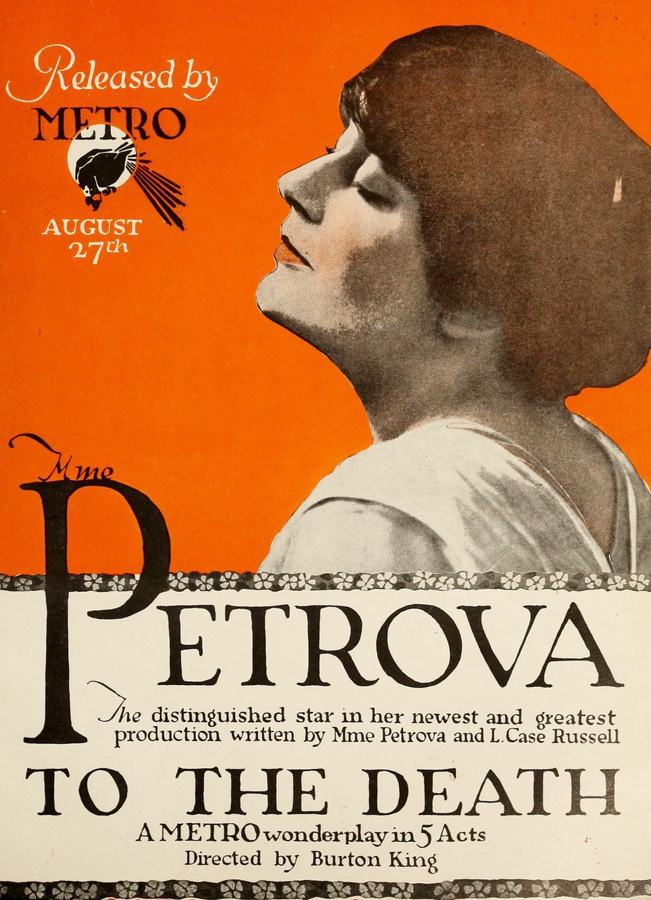
The narrative hinge of To the Death swings on the moment a humble lace-maker lifts a fistful of Provençal clay and gives it breath. From that instant, cinema itself seems to exhale: the camera forgets it’s 1920, forgets it’s bound to title cards and gaslight, and instead lunges into a moral labyrinth worthy of Jacobean tragedy.
Bianca’s arc is less a curve than a jagged incision—economically trapped yet artistically unbound, she embodies the tension between decorative femininity (lace doilies as fragile currency) and sculptural sublimation (mud transfigured into psyche). When Manatelli barges into her cottage, the film stages its first palimpsest: the commercial artist covets domestic craft while blind to the real artwork crouched on the windowsill. That misrecognition sets the tone for a world where every surface—signature, photograph, wedding band—will be forged, swapped, or bloodied.
Paris, rendered through looming matte backdrops and pirouetting tracking shots, operates like a fever dream of modernity: telegrams arrive faster than conscience, exhibitions monetize female talent overnight, and the Internationale’s corridors hum with conspiratorial eroticism. Etienne Du Inette’s introduction—a silhouette dissolving into lamplight—announces silent cinema’s debt to chiaroscuro romance, yet the performance by Boris Korlin eschews mustache-twirling villainy; instead he radiates the weary magnetism of a man who has weaponized vulnerability.
The mid-film pivot to Corsica feels mythic, almost liturgical. Rosa’s seduction unfolds off-screen, relayed only by a letter inked in Maria’s trembling hand. That narrative ellipsis is a stroke of perverse genius: the audience is forced to imagine the trespass, thereby becoming complicit voyeurs. When Bianca later deciphers the treacherous signature “Pierre Renard,” the name detonates like a landmine; identity itself becomes a transferable commodity, a brand that can be stamped on catastrophe.
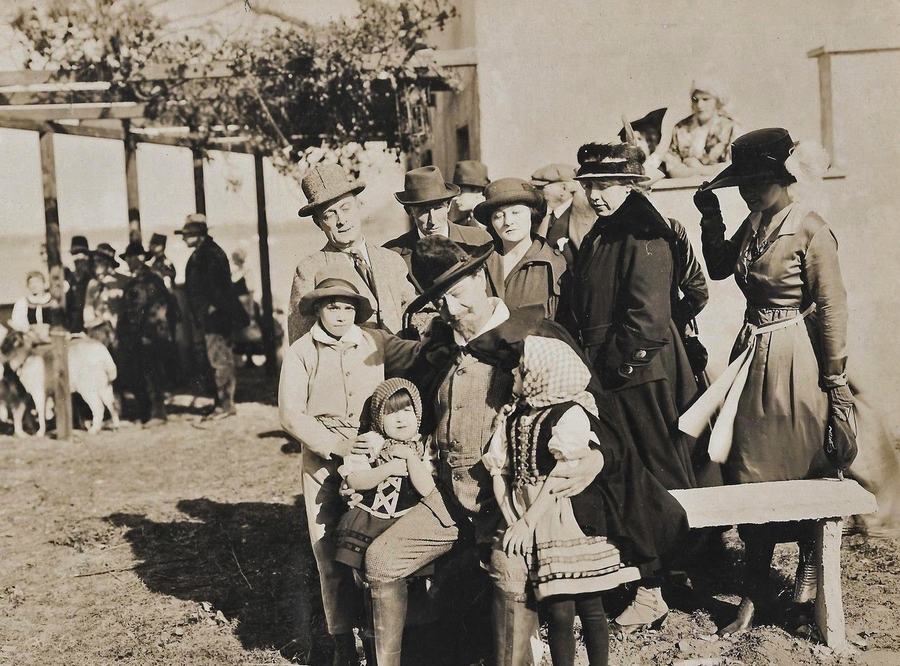
Lavinne’s gambit—blackmail into matrimony—catches the suffragette-era anxieties swirling around female autonomy. His proposal is framed not in moonlight but in the clinical glare of a photographic darkroom; the image of Etienne materializes like a death mask, sealing a bargain that will culminate in midnight trains, clandestine priests, and a wedding lit by guttering candles. The sequence is proto-noir, all skewed angles and moral vertigo.
Yet Russell and Petrova’s script reserves its cruelest twist for after the vows. Lavinne’s confession, delivered with a sneer that seems to curl right off the intertitle card, redefines the film’s core tension: revenge was never about restoring honor but about exposing the fungibility of men’s names, reputations, and desires. The eleventh-hour entrance of the veiled wife—her face finally unveiled like a reverse-femme-fatale—upends patriarchal authority with delicious theatricality. Handcuffs click, bigamy charges clang, and the narrative loops back to its original sin: the forgery of a signature.
Olga Petrova, who also co-wrote, plays the mysterious letter-bearer credited only as “The Woman,” but her magnetism permeates the film. She glides through scenes with the preternatural poise of a Greek Fury, dispensing warnings that no one heeds until blood wets the tiles. Meanwhile Marion Singer’s Bianca radiates a brittle intensity; her fingers tremble as if perpetually feeling for missing clay. Watch her eyes in the wedding scene—pupils blown wide, reflecting not candlelight but the metallic sheen of self-loathing.
Boris Korlin’s Etienne is the film’s wounded axis. He never overplays anguish; instead he lets silence pool around him, so when the dagger enters, the shock feels cosmic. Opposite him, Wyndham Standing’s Lavinne exudes silk-swathed menace—every smile a scalpel, every compliment a shackle.
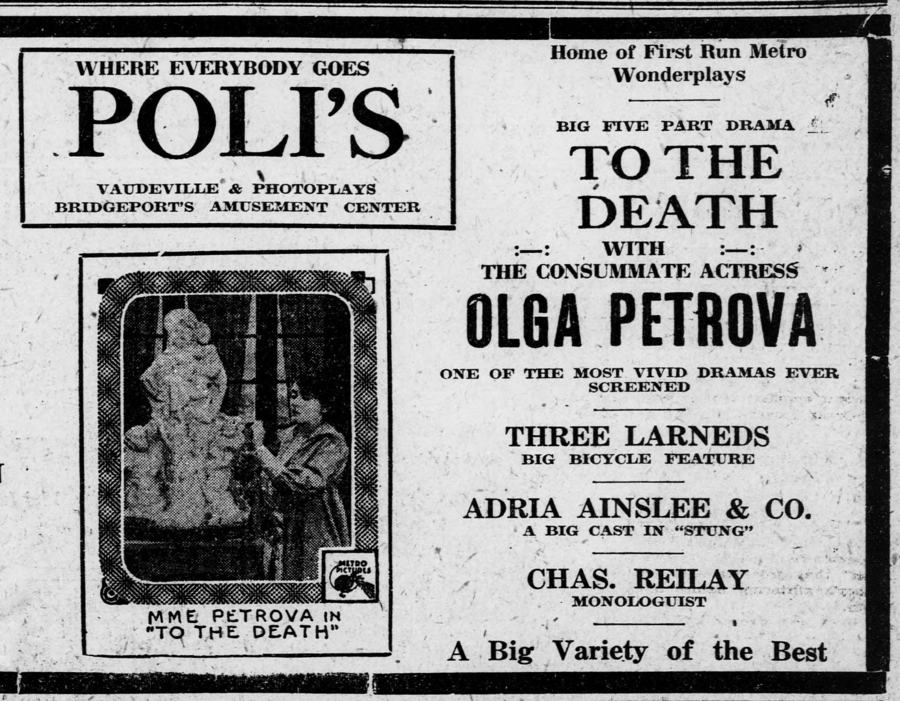
Though monochromatic, the 4K restoration teases out tonal registers: umber shadows for Corsican clay, slate greys for Parisian winter, and the sickly yellow of tungsten whenever Lavinne prowls. The medallion—rendered in burnished gold tint on some prints—becomes a talismanic sunburst against Etienne’s chest, foreshadowing survival.
Modern screenings often commission new scores; the Alloy Orchestra’s version employs bowed saw and detuned piano, crafting a drone that feels like tinnitus after heartbreak. Each stab of orchestral dissonance syncs with Bianca’s plunging dagger, turning the auditorium into a communal pulse.
Set during the post-WWI maelstrom, the Internationale here is less political entity than patriarchal hydra: it trades intel, bodies, and reputations with equal appetite. Bianca’s sculptural triumph—selling a statue to an anonymous patron—mirrors the era’s commodification of female creativity, while her forced marriage literalizes the legal shackles from which suffrage promised release.
A cinephile will detect the DNA of La Gioconda in the lethal love triangle, and the conspiratorial fatalism of The Two Edged Sword in its espionage machinations. Conversely, the film anticipates the masochistic romance of Out of the Darkness (1922) and the marital hellscapes of The Debt.
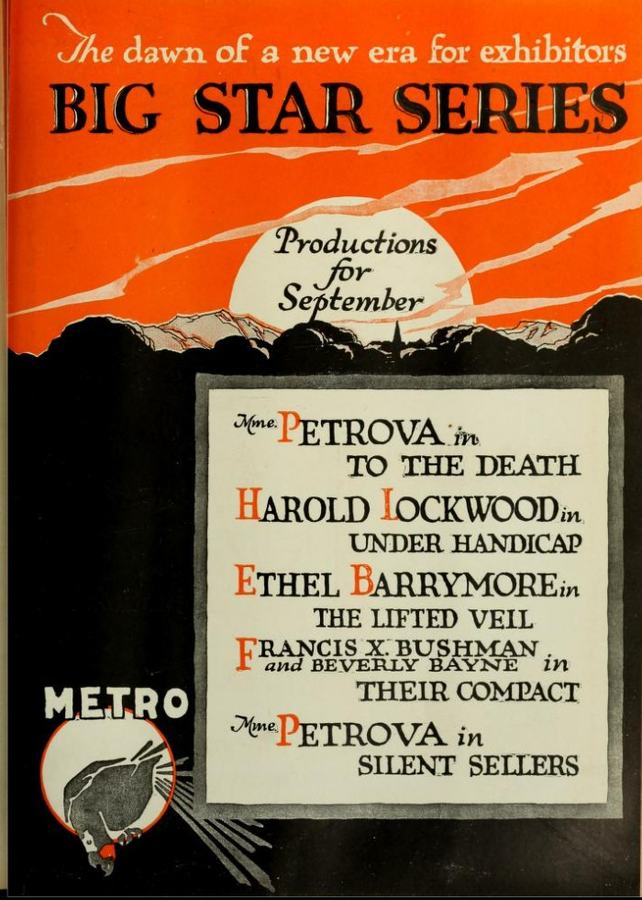
Gosfilmofund’s nitrate rescue combines two incomplete negatives; missing sequences are bridged with production stills and translated Russian intertitles, creating a flickering limbo reminiscent of damaged memory. Streaming on Criterion Channel, Kino Cult, and MUBI USA as of this month.
“To the Death stitches domestic craft into grand tragedy, proving the silent era could weaponize lace as deftly as daggers.”
Amid the cacophony of flappers and jazz, here is a film that whispers its menace, a lacework of deceit whose final pattern only reveals itself when the last thread—bright as arterial spray—pulls tight. It is essential viewing for anyone convinced early cinema merely teetered between melodrama and tableau. In Petrova’s hands it pirouettes into metaphysical noir, leaving scars that feel, even a century later, freshly incised.
Aspect Ratio: 1.33:1 | Tinting: Amber/Blue-Green/Hand-Tinted Gold | Frame Rate: 20 fps | Runtime: 78 min (restored) | Audio: Stereo (new score), Silent (original)
Modern directors from Park Chan-wook to Céline Sciamma cite the film’s marriage-between-daggers as inspiration for their own tales of erotic vengeance. Meanwhile, textile artists in Marseille host annual screenings where they knit Bianca’s lace patterns in real time, looping spectators into the genealogy of women’s labor and fury.
Look for the crew member’s reflection in the train window during the midnight departure—an accidental confession that behind every illusion of seamless travel lurks a flesh-and-blood stagehand clutching the gears of fate.
Review by: Celluloid Siren | Date: 2024-06-25
IMDb 5.8
1934
Community
Log in to comment.