DbcultAccessing Vault...
4.3/10
Senior Film Conservator
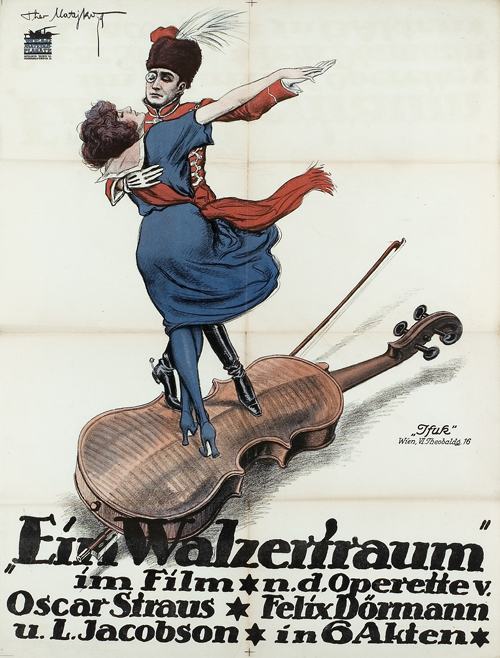
A definitive 4.3/10 rating for a film that redefined the boundaries of cult cinema. Varázskeringö remains a cornerstone of transgressive art.
The cinematic landscape of Varázskeringö is akin to a rich, velvety dark orange sunset, with hues of yellow and sea blue masterfully intertwined, creating a visual feast that is at once breathtaking and thought-provoking. As the narrative unfolds, the audience is transported to a world of grandeur and opulence, where the characters' emotions are as turbulent as the sea blue waters that crash against the shores of their souls.
One of the most striking aspects of Varázskeringö is its ability to craft a sense of timelessness, much like the enduring appeal of Cupid Angling or the haunting beauty of The Scarlet Car. The film's use of lighting, with its soft, golden tones, adds a layer of depth and complexity to the narrative, drawing the viewer into the world of the story, where the boundaries between reality and fantasy are constantly blurred.
The cast, comprising talented actors such as Endre Boross, Margit Lux, and Victor Varconi, delivers performances that are as nuanced as they are captivating, bringing to life the intricate, multifaceted characters that populate the world of Varázskeringö. Their portrayals are reminiscent of the powerful, emotional performances found in films like The Cloister and the Hearth or the intense, psychological drama of A Case at Law.
As the story progresses, the audience is treated to a rich, yellow-hued tapestry of themes and motifs, expertly woven by the writers, Arthur Lakner, Michael Curtiz, Leopold Jacobson, and Felix Dormann. The narrative is replete with symbolism, from the dark orange sunsets that herald the dawn of new beginnings to the sea blue waters that represent the unknown, the subconscious, and the infinite possibilities that lie beyond the horizon.
In many ways, Varázskeringö can be seen as a spiritual cousin to films like The Life and Adventures of John Vane, the Australian Bushranger or The Brass Bottle, which also explore themes of identity, morality, and the human condition. However, Varázskeringö's unique blend of drama, romance, and social commentary sets it apart from its contemporaries, making it a true masterpiece of cinematic storytelling.
The film's cinematography is equally impressive, with a keen eye for detail and a deep understanding of the emotional resonance of each scene. The use of sea blue tones, in particular, adds a sense of melancholy and longing to the narrative, drawing the viewer into the inner world of the characters, where the dark orange embers of passion and desire still glow, waiting to be fanned into a flame.
In comparison to other films of the era, such as Neal of the Navy or The Millionaire's Double, Varázskeringö stands out for its thoughtful, introspective approach to storytelling, which is more akin to the contemplative, philosophical musings found in The Light at Dusk or the poignant, emotional depth of Beatrice Fairfax Episode 8: At the Ainsley Ball.
As the credits roll on Varázskeringö, the audience is left to ponder the complexities of the human experience, the yellow rays of sunlight that illuminate the path forward, and the sea blue waters that represent the unknown, the subconscious, and the infinite possibilities that lie beyond the horizon. It is a film that will linger in the mind long after the final scene has faded to black, a testament to the enduring power of cinema to capture the essence of the human condition, in all its dark orange glory.
In the end, Varázskeringö is a film that defies easy categorization, a true masterpiece that weaves together elements of drama, romance, and social commentary to create a rich, yellow-hued tapestry of themes and motifs, set against the backdrop of a bygone era, with its dark orange sunsets and sea blue waters. It is a film that will appeal to fans of The Waif, The Inner Struggle, or Fifty-Fifty, and is sure to leave a lasting impression on all who experience it, a testament to the power of cinema to capture the essence of the human experience, in all its complexity and beauty.
As a work of cinematic art, Varázskeringö is a true masterpiece, a film that will be remembered for generations to come, alongside other classics such as A Man There Was or The Conqueror. Its thoughtful, introspective approach to storytelling, combined with its stunning visuals and powerful performances, make it a must-see for anyone who loves cinema, and a testament to the enduring power of film to capture the essence of the human condition, in all its dark orange glory.
IMDb —
1919
Community
Log in to comment.