DbcultAccessing Vault...
6.6/10
Senior Film Conservator
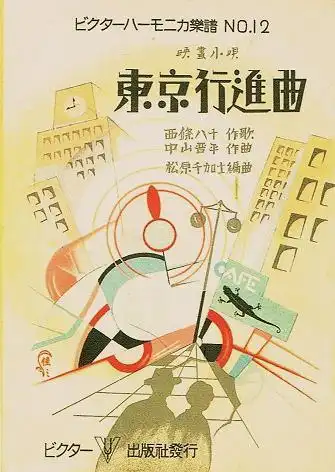
A definitive 6.6/10 rating for a film that redefined the boundaries of cult cinema. Tôkyô kôshinkyoku remains a cornerstone of transgressive art.
If you're the kind of person who needs a movie to have a clear beginning, middle, and end, don't watch this. You'll just end up frustrated because so much of the original film is simply gone.
But if you love the vibe of the 1920s or want to see what Japan looked like before everything changed, it's 100% worth your time. It feels like looking through a dusty window into a world that doesn't exist anymore.
Tokyo March is basically a soap opera, but a very classy one. It’s got that melodrama energy where every look is heavy with meaning.
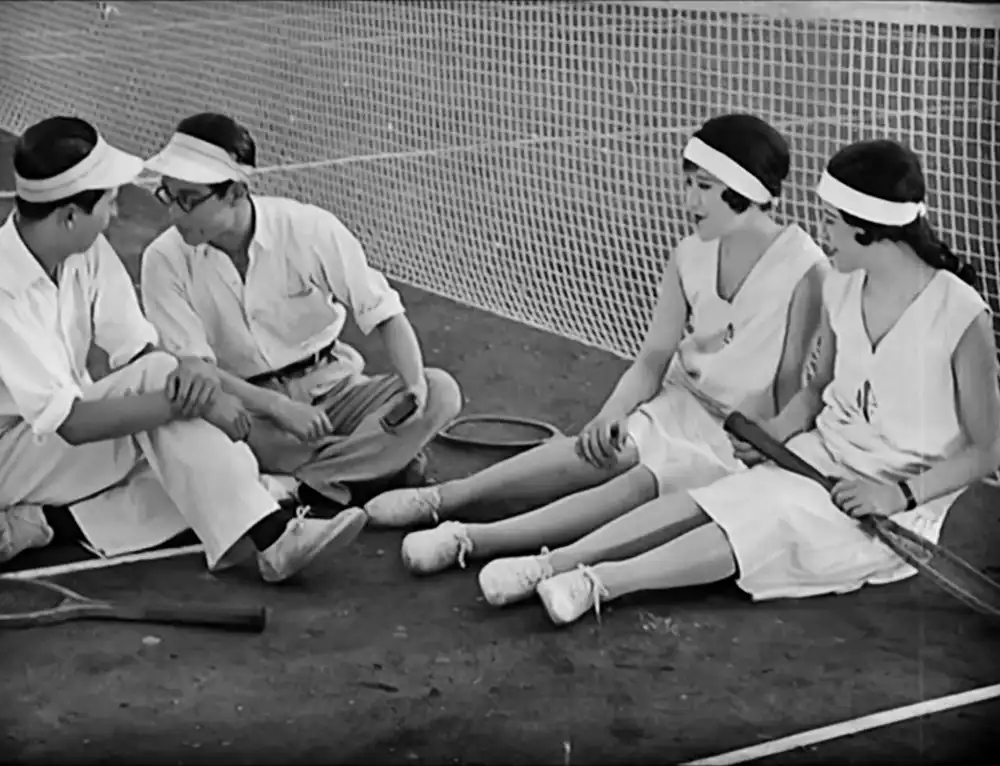
The story follows some office workers and rich kids getting their hearts broken. There is a lot of sighing and looking out of windows.
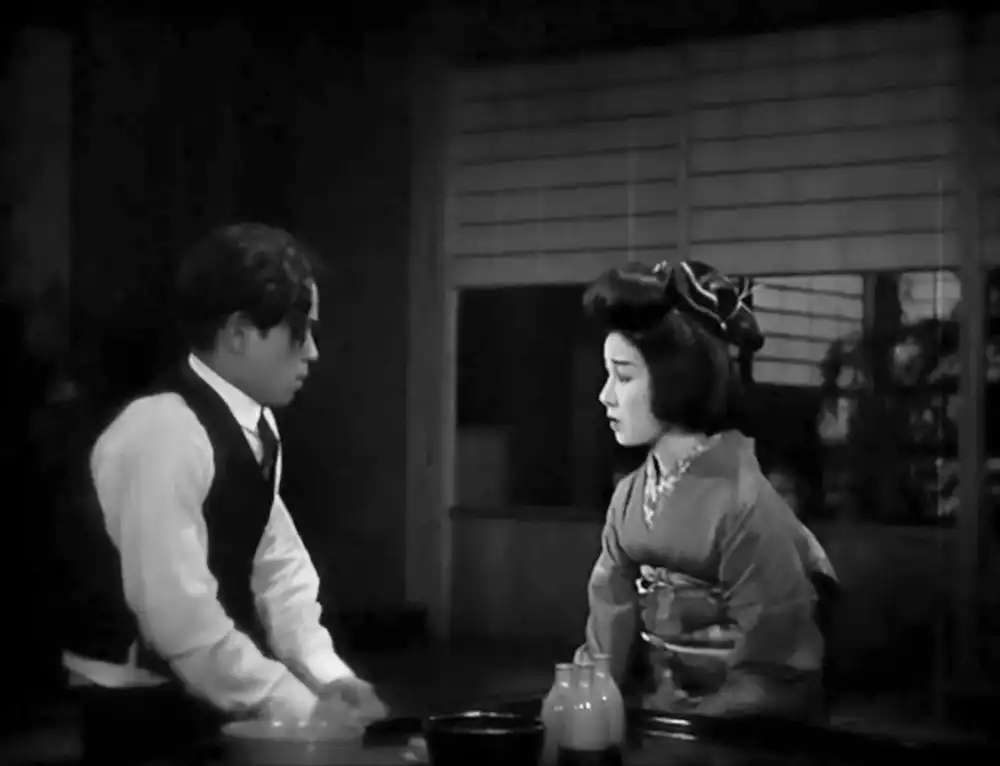
I noticed the clothes right away. The main girl, Michiyo, wears these traditional outfits that look so stiff but elegant compared to the guys in their western suits.
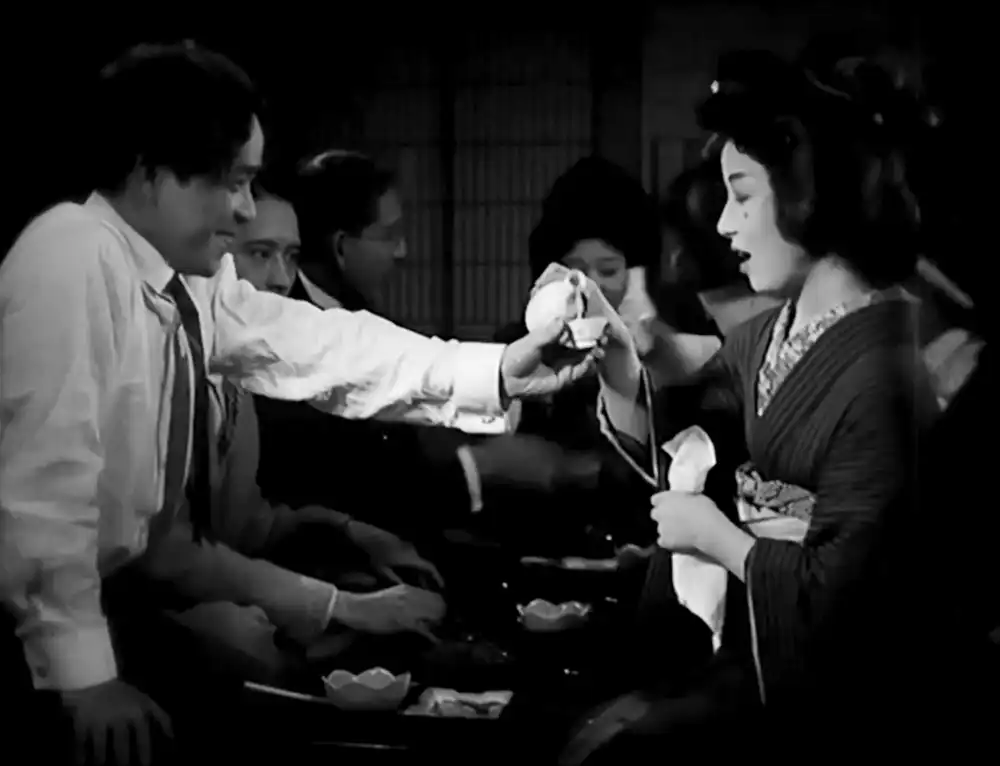
One scene has a group of people at a fancy party, and the way they hold their tea cups feels so deliberate. It’s like they are performing being rich.
The director, Kenji Mizoguchi, really liked showing how unfair life is for people without money. You can feel him getting angry on behalf of the characters, even in the quiet moments.
There is this one shot of a factory chimney smoking in the distance. It’s not a big deal, but it sticks in my head because it looks so lonely against the sky.
The movie is named after a song, and apparently, the song was a massive hit back then. I kept humming the melody even though the version I watched didn't have the best audio quality.
It’s weirdly catchy. 🎶
The acting is a bit much at times, with lots of wide eyes and clutching of chests. It reminds me a bit of the heavy emotions in Over the Hill, where the sadness is just dialed up to eleven.
Sometimes the film cuts to a title card and you realize you missed five minutes of plot because that footage is lost to history. It’s like the movie has amnesia.
I actually liked the gaps, in a strange way. It lets you imagine what happened in the dark spaces between the surviving reels.
There’s a guy with a really intense mustache who seems to be the villain, or at least he's very rude. He reminds me of the tough characters you see in Hell's Heroes, just less dusty.
The street scenes are the best part, honestly. You see the old cars and the way people walked through the Ginza district with so much purpose.
It feels more real than a lot of modern movies that try to recreate the past. This was their present.
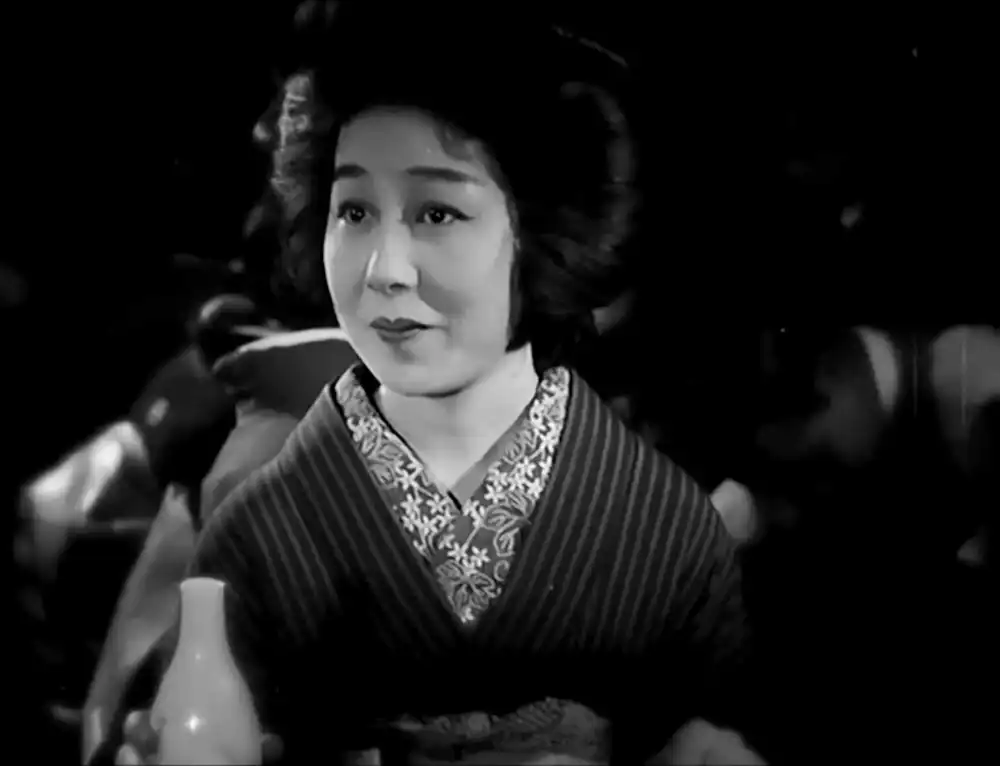
The social inequality stuff is laid on pretty thick. The rich people are almost always slightly annoying or oblivious to everyone else.
It’s a bit like the vibes in This Woman where the female lead is just trying to survive while the world judges her. Michiyo has that same tired look in her eyes by the end.
I did find myself checking my phone once or twice during the longer title cards. Some of the dialogue is just people explaining things we already figured out from their faces.
But then a shot of a train coming into the station happens, and it’s so beautifully framed that I’m back in. Mizoguchi really knew where to put a camera.
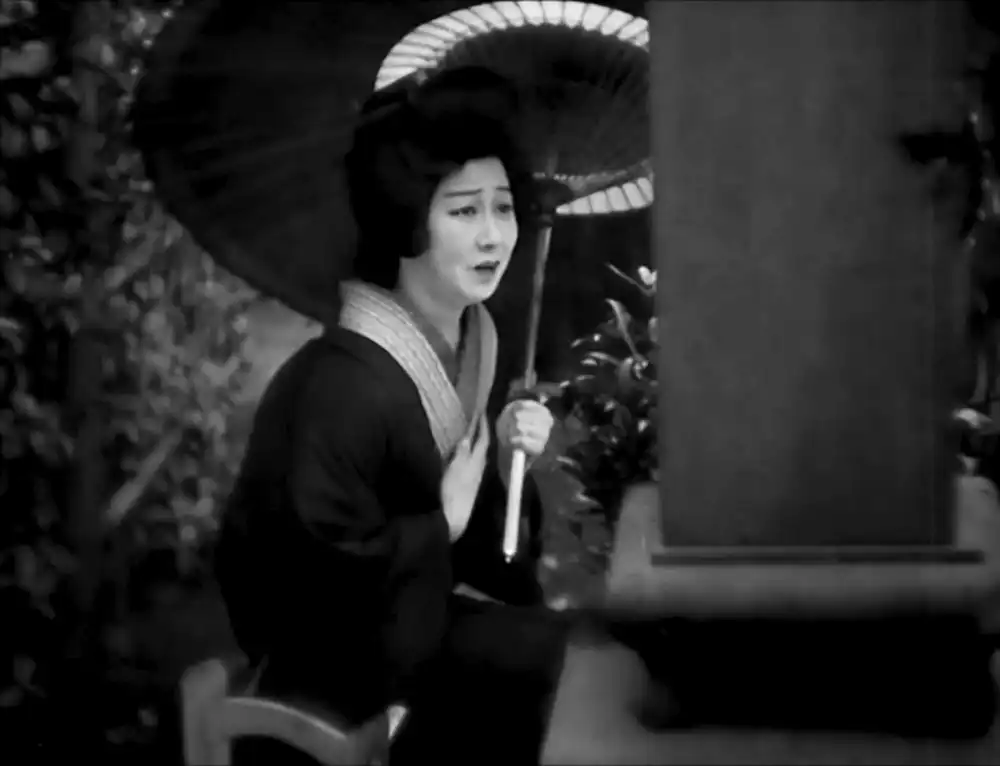
There’s a moment where a character gets a letter, and the way her hands shake is so subtle. It’s the best piece of acting in the whole thirty-something minutes that are left.
The ending—or what’s left of it—is pretty bleak. It’s not a "happily ever after" type of situation at all. 🥀
If you’re feeling down, maybe skip this one. It won't cheer you up.
But if you want to sit in a dark room and feel a bit of nostalgia for a city you’ve never actually been to, put it on. Just don't expect a complete story.
It’s a ghost of a movie. And ghosts are usually pretty interesting to look at for a little while.
I think I’ll go listen to the actual song on YouTube now. It probably makes more sense than the plot does at this point.
IMDb —
1920
Community
Log in to comment.