DbcultAccessing Vault...
Cult Review
Senior Film Conservator
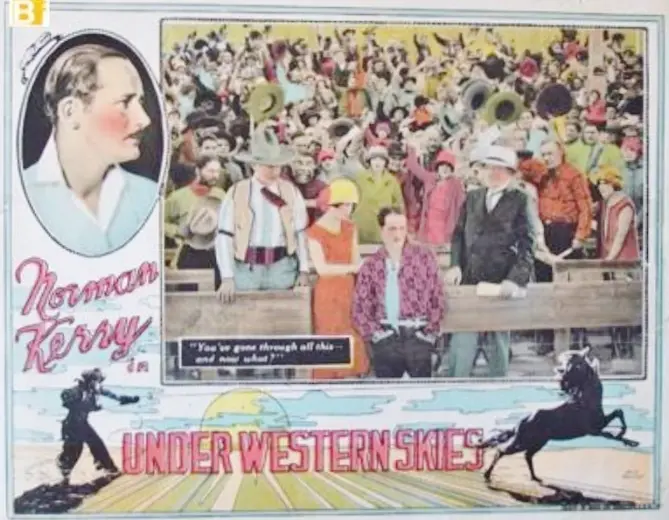
Under Western Skies is a 1930 film that intertwines romance and social commentary within the backdrop of the American West. The film stars Ward Crane as Bob Erskine, the son of a wealthy New York banker, and Norman Kerry as the elder Parkhurst. Bob falls in love with Ella Parkhurst, the daughter of the rancher, and goes to work as a field hand to help save the crops from failing due to a lack of credit from eastern bankers, including his father.
Is this film worth watching? Yes, but it's a classic worth revisiting with a critical eye. This film works because it captures the essence of the American West and the class divide of the early 20th century. It fails because of its dated dialogue and predictable plot. You should watch it if you're interested in the history of Western cinema and its social commentary.
Bob Erskine, the son of a wealthy New York banker, falls in love with Ella Parkhurst, the daughter of an Oregon rancher. He goes to work as a field hand for the elder Parkhurst and discovers that the Oregon crops may fail because eastern bankers, led by Bob's father, refuse to advance the farmers credit. Bob intercedes with his father, who promises to help the ranchers if Bob wins the steeplechase in the Pendleton rodeo. Bob rides in the race and wins it handily, saving the crops and assuring himself of Ella's devotion.
It works. But it's flawed. The film captures the essence of the American West and the class divide of the early 20th century. But its dated dialogue and predictable plot make it a challenging watch.
The cast delivers reliable performances. Ward Crane plays Bob with a mix of charm and determination. Norman Kerry brings gravitas to the elder Parkhurst character, while Anne Cornwall adds depth to Ella Parkhurst's character. The supporting cast, including Charles K. French and John S. Peters, provides a solid supporting role.
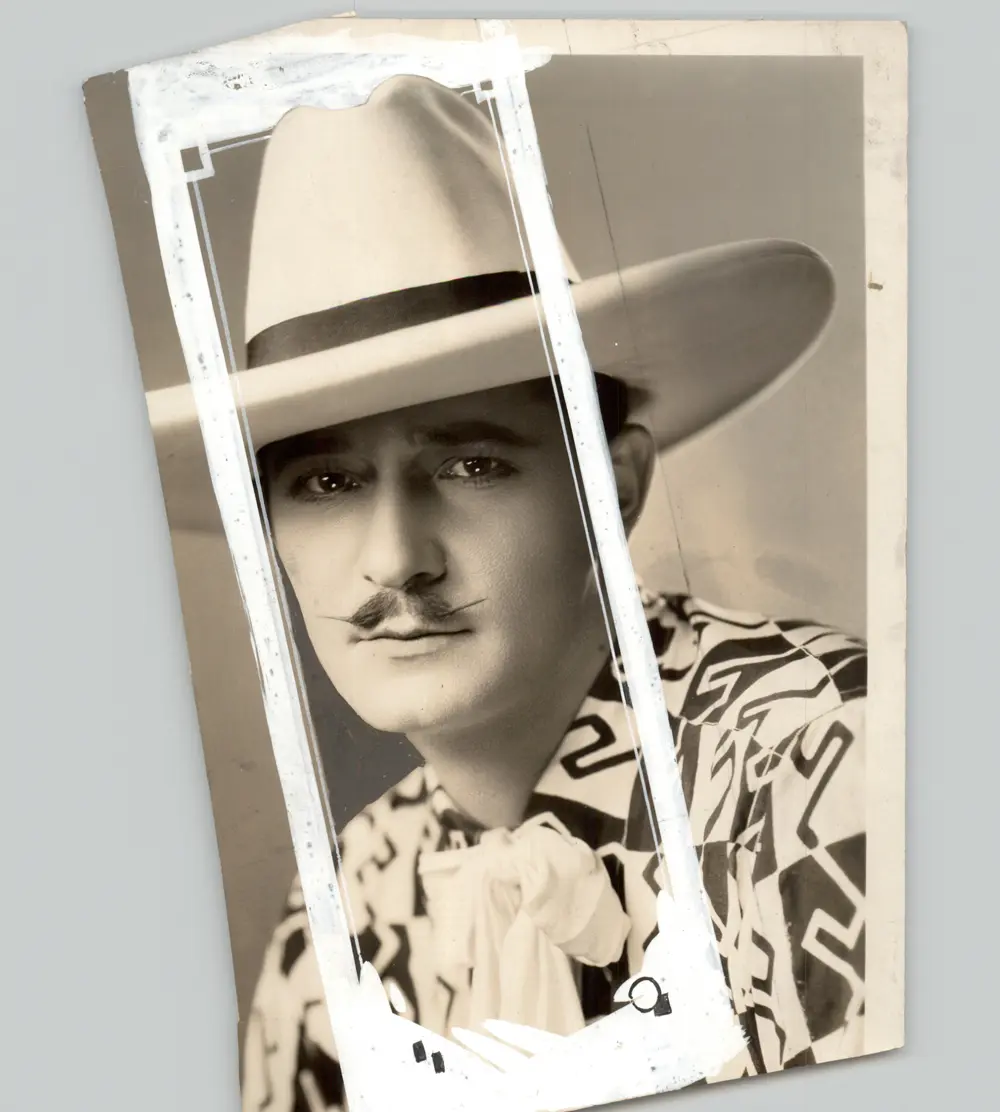
Under Western Skies is directed by W.S. Van Dyke, who brings a sense of order and control to the film. The scenes are well composed, and the pacing is steady. However, the film's reliance on stock Western tropes can feel familiar and repetitive.
The cinematography is serviceable, capturing the rugged beauty of the Oregon landscape. The use of wide shots of the rodeo and the countryside adds to the film's authenticity. However, the film's reliance on early 20th-century techniques limits its visual impact.
The pacing is generally steady, but the film sometimes feels slow in its middle sections. The plot's reliance on familiar Western tropes and predictable character arcs can make the film feel less engaging. However, the climax of the Pendleton Rodeo race provides a thrilling moment of drama.
The tone of Under Western Skies is earnest and sincere. The film takes its romance and social commentary seriously, which can make it feel somewhat didactic at times. However, the film's genuine emotions and commitment to its characters make it a more engaging watch than it might otherwise be.
Under Western Skies is a film that works because it captures the essence of the American West and the class divide of the early 20th century. However, its dated dialogue and predictable plot make it a challenging watch. If you're a fan of classic Westerns or are interested in the history of the genre, this film is worth revisiting. But if you're looking for something more modern or engaging, you might want to explore other options.
Under Western Skies is a film that works because it captures the essence of the American West and the class divide of the early 20th century. However, its dated dialogue and predictable plot make it a challenging watch. If you're a fan of classic Westerns or are interested in the history of the genre, this film is worth revisiting. But if you're looking for something more modern or engaging, you might want to explore other options.
IMDb —
1914
Community
Log in to comment.