DbcultAccessing Vault...
6.1/10
Senior Film Conservator
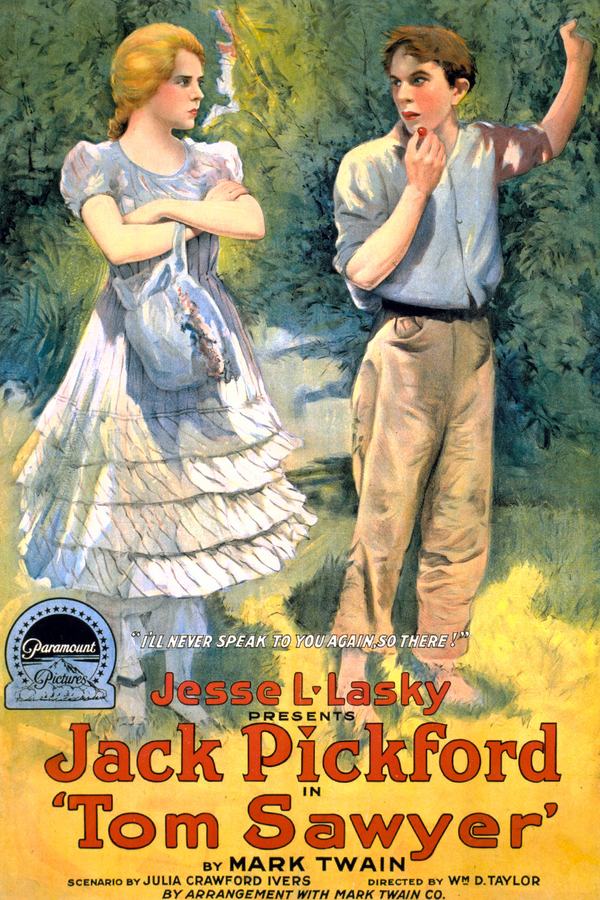
A definitive 6.1/10 rating for a film that redefined the boundaries of cult cinema. Tom Sawyer remains a cornerstone of transgressive art.
The 1917 adaptation of Tom Sawyer stands as a monumental pillar in the early history of American cinema, a flickering testament to the enduring vitality of Mark Twain’s literary canon. Directed by the often-underappreciated William Desmond Taylor and penned by the visionary Julia Crawford Ivers, this silent masterpiece transcends the limitations of its era to capture the raw, unvarnished essence of childhood rebellion. It is not merely a film; it is a visual translation of the American psyche at the turn of the century—a period caught between the agrarian past and an industrializing future. In this landscape, Tom Sawyer is the ultimate avatar of the untamed spirit.
At the heart of this production lies Jack Pickford, whose performance as Tom is a masterclass in silent-era dramaturgy. Often overshadowed by the colossal fame of his sister, Mary Pickford, Jack brings a unique, jagged charisma to the role. Unlike the sanitized versions of Tom Sawyer that would populate the Technicolor era, Pickford’s Tom is a creature of shadows and sharp edges. His physicality conveys a restless energy, a boy perpetually on the verge of either a grand adventure or a catastrophic blunder. When he pummels the 'goody-goody' boy of Hannibal, the violence isn't slapstick; it’s a visceral assertion of social hierarchy in a small-town microcosm.
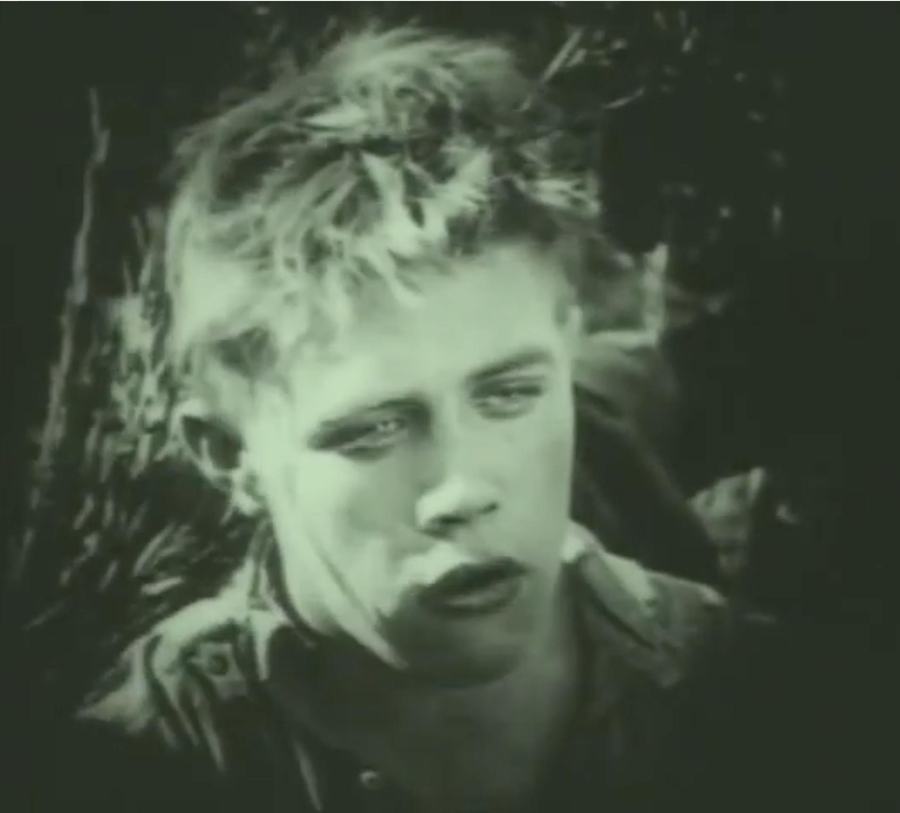
Pickford’s chemistry with Robert Gordon, who portrays Huckleberry Finn, creates a fascinating contrast. While Tom is the strategist, the one who craves the stage, Gordon’s Huck is the silent witness, the boy who has already been discarded by society and thus finds no need to perform for it. This dynamic is handled with a subtlety that rivals the psychological depth found in contemporary European works like The Student of Prague, where the duality of the self is explored through a much darker lens. In 1917, American audiences were witnessing the birth of the 'relatable rebel,' a trope Pickford inhabits with effortless grace.
The cinematography of Tom Sawyer utilizes the naturalistic lighting of its locations to create an atmosphere of pastoral dreaminess. The Mississippi River is not just a setting; it is a character—a vast, indifferent force that represents both freedom and the threat of oblivion. The scenes on the deserted island are particularly striking. There is a sense of isolation that feels genuine, a stark departure from the stage-bound aesthetics of many 1910s productions. The way the light filters through the trees as the boys build their raft evokes a sense of wonder that is almost transcendental.
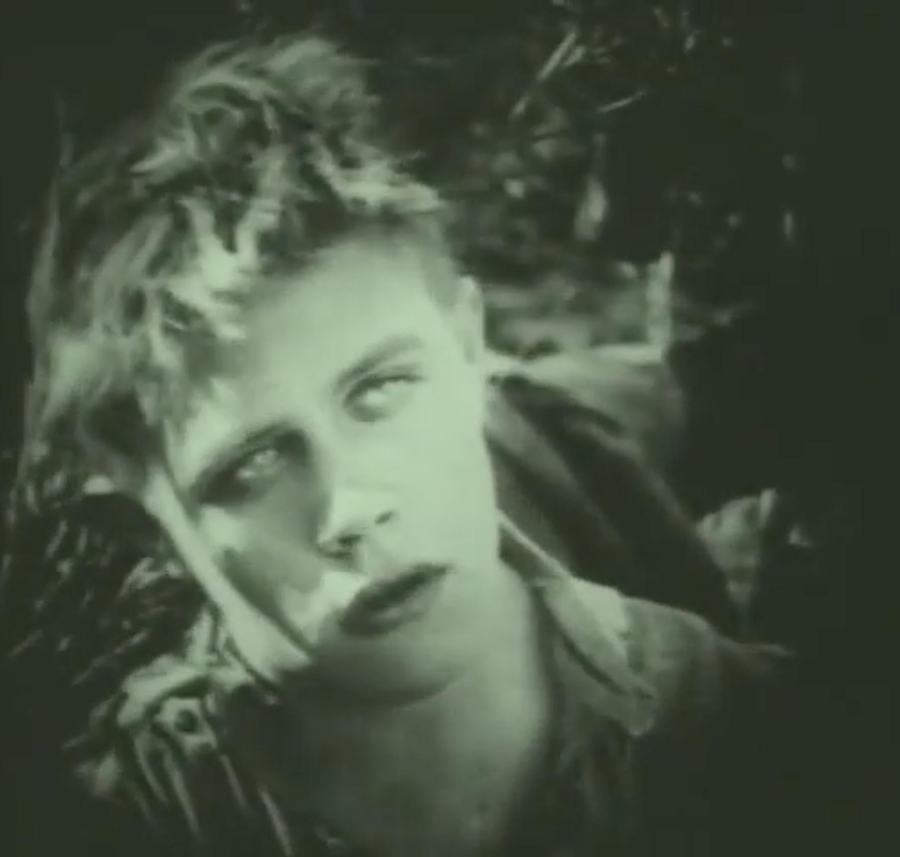
In many ways, this visual approach mirrors the stylistic experimentation seen in The Alien, though grounded in the grit of the earth rather than the mysteries of the cosmos. The camera lingers on the textures of the boys' ragged clothing and the dirt on their faces, grounding the high-concept mischief in a tangible reality. This realism is what allows the more fantastical elements of the story—like the boys attending their own funeral—to resonate so powerfully. It is a grounded fantasy, a myth built from the mud of the riverbank.
The screenplay by Julia Crawford Ivers is a triumph of adaptation. To condense Twain’s sprawling, episodic novel into a coherent cinematic narrative requires a surgeon’s precision. Ivers focuses on the emotional core of the story: the desire for recognition and the fear of being misunderstood. The subplot involving Sid’s betrayal and Tom’s subsequent exile is handled with a poignant gravity. It elevates Tom’s flight from a mere prank to a desperate search for justice.
This thematic weight is reminiscent of the social critiques found in A Child of the Paris Streets, where the innocence of youth is constantly besieged by the failures of the adult world. In Tom Sawyer, Aunt Polly represents the well-meaning but suffocating constraints of Victorian morality. Helen Gilmore’s performance captures the exhaustion of a woman trying to mold a wild spirit into a civilized shape. Her grief, when she believes Tom is dead, provides the film’s most gut-wrenching moments, making the eventual reunion all the more cathartic.
When placed alongside its contemporaries, Tom Sawyer reveals the sophistication of the American silent film industry in 1917. While Cinderella leaned into the ethereal and the overtly magical, Taylor’s film finds magic in the mundane. The 'pirate' sequence on the island is a fascinating study in imagination; the boys don't need elaborate costumes to be buccaneers—the film trusts the audience to see the world through their eyes. This level of immersive storytelling was a significant leap forward from the more theatrical presentations of the early decade.
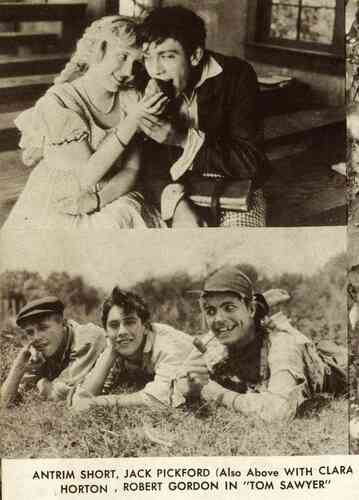
The film also avoids the melodramatic excesses of works like Lola or The Unwelcome Mother. Instead of relying on grand gestures of tragedy, it finds its power in the small, quiet moments: a shared look between Tom and Becky, the way Huck sits apart from the others, or the flickering light of a campfire. It shares a certain 'American heroism' with Sam Davis, the Hero of Tennessee, but Tom’s heroism is of a more subversive, personal nature. He isn't dying for a cause; he is living for the sake of life itself.
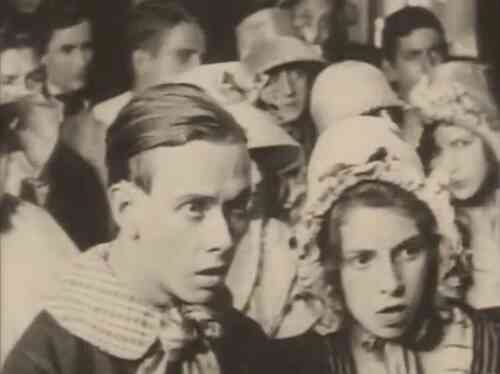
The climax in the church remains one of the most iconic sequences in silent cinema. The pacing here is impeccable. The somber faces of the townspeople, the weeping of Aunt Polly, and the solemnity of the minister create a tension that is almost unbearable. When the boys appear in the back of the church, the release of that tension is handled with a perfect blend of humor and pathos. It is a moment of pure spectacle that predates the high-concept twists of modern cinema. The way the community shifts from mourning to celebration mirrors the tonal shifts in Double Trouble, yet it carries a deeper emotional resonance because of the stakes involved.
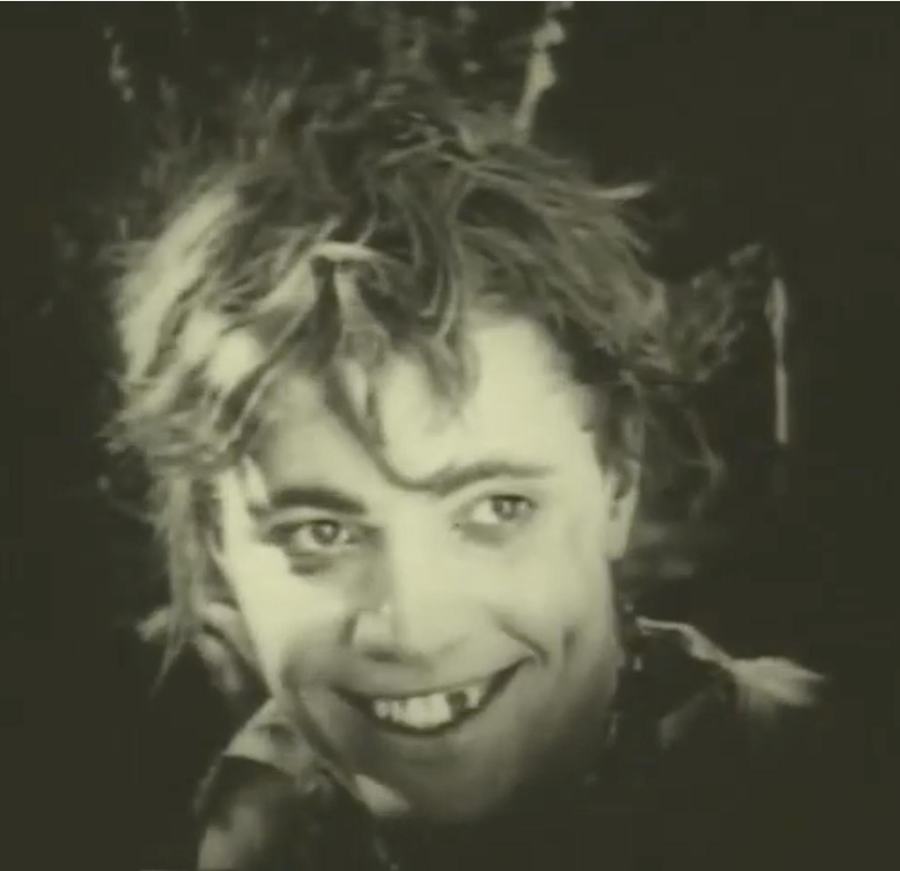
This scene also highlights the film's exploration of the 'memorialized self.' Tom Sawyer is perhaps the first character in cinema to understand the power of his own legend. By witnessing his own funeral, he gains a perspective on his place in the world that most people never achieve. It is a meta-narrative moment that feels shockingly modern. It’s not just about the prank; it’s about the realization that he is loved, despite his flaws—a realization that allows him to return to society, if only on his own terms.
Technically, the film is a marvel for 1917. The editing, particularly in the sequences involving the firing of the cannons into the river, shows a developing understanding of rhythmic montage. The intertitles are not merely functional; they are infused with Twain's signature wit, acting as a bridge between the visual medium and the literary source. Unlike the somewhat stiff presentation in My Official Wife, the camera in Tom Sawyer feels mobile and inquisitive, capturing the sprawling landscapes of the riverbanks with a sense of epic scale.
The costume design by the production team deserves mention for its lived-in quality. The tattered straw hats, the oversized overalls, and the bare feet of the boys contribute to an authenticity that makes the film feel like a window into a bygone era. This attention to detail is what separates a great film from a merely good one. It creates a world that is cohesive and believable, much like the meticulously crafted environments in The Little Mademoiselle.
As we look back at Tom Sawyer over a century later, its power remains undiminished. It captures a fleeting moment in time—both in the history of the American frontier and the history of the moving image. It is a film that understands the necessity of mischief, the pain of injustice, and the overwhelming power of forgiveness. While other films of the era like Zelyonyy pauk or Hearts United may have focused on different facets of the human experience, Tom Sawyer remains the definitive cinematic exploration of the American boyhood.
Jack Pickford’s Tom Sawyer is not a character who can be easily tamed or forgotten. He is the ghost in the back of the church, the boy on the raft, and the rebel in the classroom. In an era of rapid technological change, this 1917 classic reminds us that the core of the human spirit—its desire for freedom and its need for connection—remains unchanged. It is a foundational text of Hollywood, a visual hymn to the Mississippi, and an essential piece of cultural history that deserves to be celebrated by every generation of film lovers. Whether compared to the somber reflections of Ålderdom och dårskap or the adventurous spirit of A Message to Garcia, Tom Sawyer stands tall, a beacon of silent storytelling that continues to illuminate the dark corners of our collective imagination.
IMDb 5.8
1930
Community
Log in to comment.