DbcultAccessing Vault...
4.8/10
Senior Film Conservator
A definitive 4.8/10 rating for a film that redefined the boundaries of cult cinema. Tommy Tucker's Tooth remains a cornerstone of transgressive art.
Stepping back into the annals of cinematic history, one occasionally unearths relics that, despite their humble origins and overtly utilitarian aims, offer a surprisingly rich tapestry for critical examination. Such is the case with 'Tommy Tucker's Tooth,' a short film from an era when cinema was not solely an escape but a potent instrument for public enlightenment. This particular piece, starring Jack Records, doesn't aspire to grand narrative arcs or profound character development; its ambition is far more pragmatic: to engrain the indispensable value of dental care into the public consciousness, framing it as a direct conduit to a successful and healthy life. And in this singular, focused endeavor, it largely succeeds, albeit through a lens that today might strike us as both quaint and refreshingly direct.
The film’s central premise is beautifully uncomplicated, almost to a fault. We are introduced to Tommy Tucker, whose journey serves as a living, breathing (or perhaps, decaying and then revitalized) metaphor for the consequences of choices made regarding one's oral hygiene. It’s a narrative that bypasses subtlety, opting instead for a stark, almost allegorical presentation of cause and effect. Tommy, initially perhaps apathetic or simply uneducated about proper dental habits, faces a predictable cascade of ailments and setbacks. These aren't merely physical discomforts; the film cleverly, and perhaps presciently, links them to broader societal implications. A toothache isn't just a toothache; it's a barrier to academic focus, a deterrent to social engagement, and an impediment to future opportunities. This direct correlation, while perhaps oversimplified for dramatic effect, nonetheless drives home a powerful message that resonates even in our more medically advanced age.
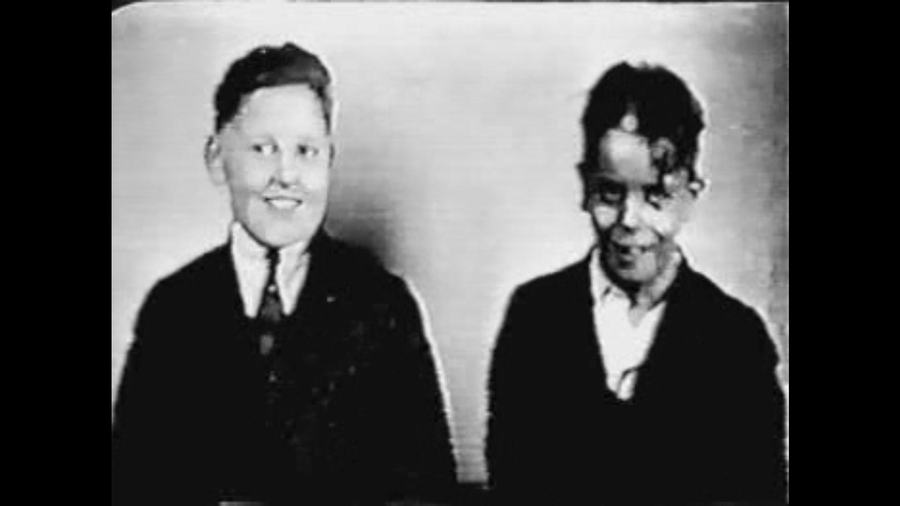
Jack Records, in the titular role, delivers a performance that, given the constraints of the educational short format, is remarkably effective. His portrayal of Tommy isn't about nuanced emotional depth but rather about embodying the visual representation of the film’s central thesis. We see the gradual decline in his demeanor, the subtle expressions of pain, and the eventual transformation into a more vibrant, engaged individual once his dental woes are addressed. It's a physical performance, relying on facial expressions and body language to convey the discomfort and subsequent relief. Records doesn't need extensive dialogue; his presence alone communicates the film's core message. One might draw parallels to the early silent film era, where actors like Charlie Chaplin in The Immigrant conveyed entire narratives through mime and gesture, albeit with far greater comedic and dramatic scope. Records' task is more restrained, yet equally vital to the film's didactic purpose.
The historical context of 'Tommy Tucker's Tooth' is crucial for a complete appreciation of its impact. This was an era when public health initiatives were gaining traction, and film, as a relatively new and universally accessible medium, was quickly recognized for its potential as an educational tool. Similar to shorts like Hooverizing, which educated the public on wartime conservation efforts, 'Tommy Tucker's Tooth' belongs to a genre of cinema that sought to instruct rather than merely entertain. These films often employed straightforward narratives, clear moral lessons, and easily digestible information, reflecting a public health philosophy that emphasized prevention and personal responsibility. They were not attempting to win awards for artistic innovation but to instigate behavioral change. The simplicity was a strength, ensuring the message reached a broad audience, irrespective of their literacy levels or prior scientific understanding.
The film’s rhetorical strategy is particularly fascinating. It doesn't lecture in a dry, academic tone. Instead, it weaves a relatable, if somewhat simplistic, narrative around Tommy, allowing the audience to witness the consequences firsthand. This observational approach, coupled with the clear visual contrast between a neglected Tommy and a healthy Tommy, forms the backbone of its persuasive power. It leverages empathy and aspiration: viewers are encouraged to empathize with Tommy's suffering and aspire to his eventual well-being and success. The message is clear: a healthy mouth isn't just about avoiding pain; it's about unlocking one's full potential in life. This is a recurring theme in many narratives of self-improvement, even those far removed from dental hygiene. One could argue that the underlying principle — that personal discipline contributes to success — is echoed in films that depict characters overcoming adversity through sheer will, such as the metaphorical struggles shown in Captain of His Soul, where internal battles often manifest externally.
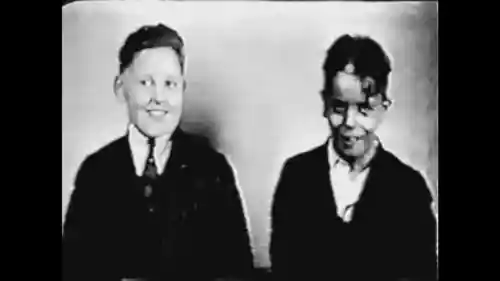
What is particularly striking about 'Tommy Tucker's Tooth' is its enduring relevance, despite its age. While dental science has advanced considerably, the fundamental principle it champions remains immutable: oral health is an integral component of overall physical health and, by extension, quality of life. The film's argument that a healthy smile contributes to confidence, social acceptance, and even professional opportunities isn't just a quaint notion from a bygone era; it's a truth that modern psychology and sociology continue to affirm. A bright, confident smile can indeed open doors, fostering positive first impressions and enhancing self-esteem. The film's message, therefore, transcends its immediate educational purpose and touches upon deeper aspects of human well-being and societal interaction. It subtly implies that neglecting one's physical self can have far-reaching implications, a concept that finds echoes in broader philosophical discussions about personal responsibility and societal contribution.
The cinematography, while rudimentary by today's standards, effectively serves the film's purpose. Shots are clear, compositions are straightforward, and the focus is always on conveying information and illustrating consequences. There's no attempt at artistic flourish or complex camera work; the camera is a neutral observer, a documentarian of Tommy's dental journey. This unembellished style actually lends the film a certain authenticity, making its message feel less like propaganda and more like a simple, undeniable truth. The use of close-ups, particularly when illustrating Tommy's dental issues, would have been quite impactful for audiences of the time, providing a stark visual representation of the problem and its resolution.
Beyond its explicit message about dental care, 'Tommy Tucker's Tooth' offers a fascinating glimpse into the cultural anxieties and aspirations of its time. The emphasis on 'success in life' as a direct outcome of good health speaks volumes about the societal values prevalent then. It suggests a strong belief in individual agency and the idea that one's personal habits directly correlated with their upward mobility and societal standing. This perspective, while perhaps overly deterministic, highlights a period when self-care was often framed within a broader context of civic duty and personal betterment. It’s a far cry from the more complex, nuanced portrayals of happiness and success explored in films like The Legacy of Happiness, which delves into more abstract notions of fulfillment.
One could even argue that the film, in its simple allegorical structure, touches upon the universal human desire for control over one's destiny. By presenting dental health as something within Tommy's control, it empowers the viewer, suggesting that positive outcomes are attainable through conscious effort. This sense of empowerment, even in a short educational piece, is a powerful motivator. It contrasts sharply with narratives where fate or external forces play a more dominant role, such as the often overwhelming circumstances faced by characters in dramas like The Fatal Wedding, where personal choices are entangled in larger, inescapable webs of consequence. Here, the solution is clear, tangible, and entirely in Tommy's hands.
The educational shorts of this era, including 'Tommy Tucker's Tooth,' represent a unique chapter in film history. They were often produced by government agencies, health organizations, or even commercial entities with a public service bent. Their primary goal was not box office revenue but public good. This objective often dictated their aesthetic and narrative choices, leading to a distinctive style that prioritizes clarity and impact over artistic experimentation. Yet, within these constraints, some managed to craft genuinely memorable and effective pieces. 'Tommy Tucker's Tooth' stands as a testament to this, proving that even the most straightforward message, when delivered with earnest conviction and simple effectiveness, can leave a lasting impression.
In revisiting 'Tommy Tucker's Tooth,' we are reminded that cinema, in its nascent forms, was a multifaceted beast, capable of both dazzling spectacle and sober instruction. This film, far from being a mere historical curiosity, offers a compelling case study in early public health communication through moving images. It’s a film that perhaps won't win any awards for avant-garde artistry, but its clarity of purpose and undeniable effectiveness in conveying a vital message secure its place as a significant, if overlooked, piece of cinematic heritage. It reminds us that sometimes, the most profound lessons are delivered with the least fanfare, proving that a simple story about a boy and his teeth can, indeed, reveal a great deal about the foundations of a successful life. The enduring power of its message lies not in its cinematic complexity, but in its unwavering clarity and universal applicability, making it a timeless artifact of persuasive filmmaking.
IMDb 7
1929
Community
Log in to comment.