DbcultAccessing Vault...
Cult Review
Senior Film Conservator
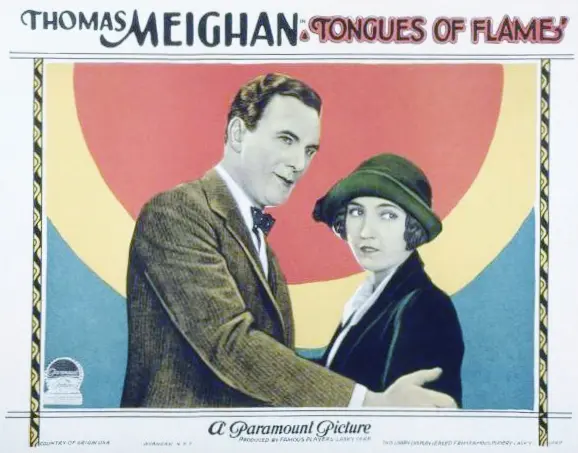
In the cinematic realm of silent classics, 'Tongues of Flame' (1924) emerges as a poignant portrayal of colonialism's dark legacy, echoing the struggles of the Siwash people against the relentless tide of displacement.
The film masterfully weaves a narrative of cultural dissonance, as the Siwash people find themselves confined to a desolate reservation, their ancestral lands pilfered by affluent interests. The cunning Mr. Boland, driven by avarice, endeavors to purchase the reservation from the Siwash, citing dubious justifications.

As tensions escalate, the intricate web of economic coercion and moral ambiguity entangles the characters in a struggle for identity, justice, and the very essence of humanity. The performances of Eileen Percy, Kate Mayhew, and Thomas Meighan bring depth and nuance to the narrative, imbuing the characters with a sense of vulnerability and resilience.
The cinematography, characteristic of the silent era, employs a stylized visual language, imbuing the landscape with a sense of melancholy and longing. The use of symbolism and metaphor adds layers of complexity to the narrative, inviting the audience to interpret the themes and motifs.

In comparison to contemporaneous films, 'Tongues of Flame' shares a thematic kinship with Richelieu (1922), which also explores the tensions between colonialism and indigenous cultures. Similarly, Dangerous Days (1920) and Solomon in Society (1920) touch on the social commentary and moral critique that define 'Tongues of Flame'.
The film's historical significance extends beyond its thematic resonance, as it provides a window into the past, offering a glimpse of the struggles faced by indigenous communities during the early 20th century. In this regard, 'Tongues of Flame' joins the ranks of films like The Silent Witness (1923) and The Reed Case (1925), which also tackle socially relevant issues.
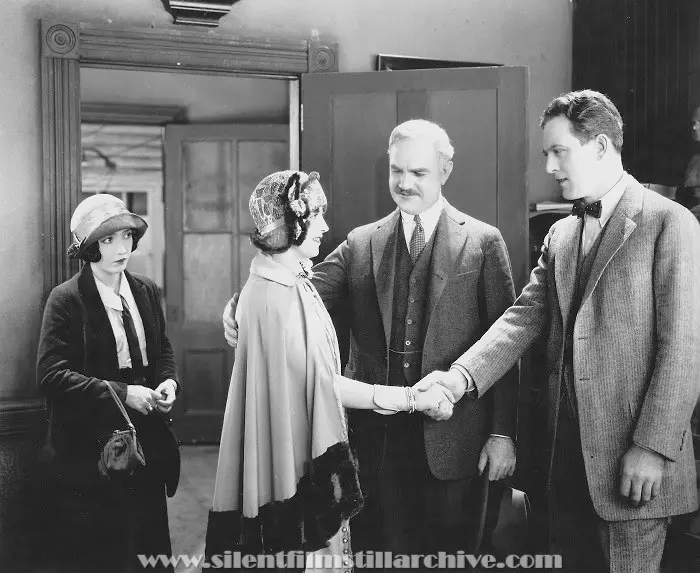
As a testament to the power of cinema, 'Tongues of Flame' endures as a poignant reminder of the devastating consequences of colonialism and the importance of cultural sensitivity. This silent classic serves as a timeless warning, echoing the struggles of the Siwash people and the universal quest for justice and human dignity.
In conclusion, 'Tongues of Flame' (1924) is a masterful work of cinematic storytelling, rich in thematic depth and emotional resonance. As a film critic, I highly recommend this silent classic to audiences seeking a thought-provoking and visually stunning cinematic experience.
IMDb 6.3
1931
Community
Log in to comment.