DbcultAccessing Vault...
7.6/10
Senior Film Conservator
A definitive 7.6/10 rating for a film that redefined the boundaries of cult cinema. Too Many Mammas remains a cornerstone of transgressive art.
The year 1924 stands as a monumental pillar in the history of silent cinema, a period where the syntax of visual comedy was being rewritten by the likes of Hal Roach and his stable of virtuosic performers. Among these, Charley Chase emerged as a singular force—a comedian who eschewed the grotesque exaggerations of his peers in favor of a suave, suburban anxiety. In Too Many Mammas, we witness the absolute zenith of this persona. The film is not merely a collection of slapstick vignettes; it is a meticulously choreographed ballet of social embarrassment and kinetic wit.
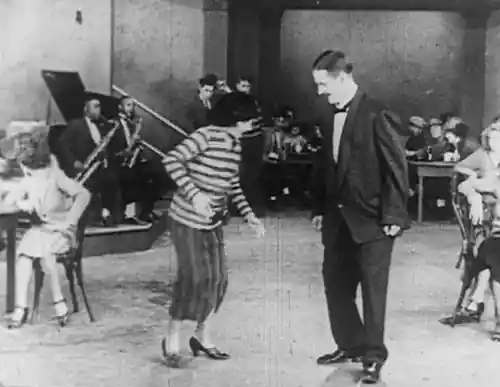
The brilliance of Too Many Mammas lies in its spatial awareness. Unlike the more sprawling, episodic nature of contemporary works like The Spitfire, Chase’s vehicle operates within a confined, almost claustrophobic domesticity. Jimmy, our protagonist, is a man of professional loyalty, but that loyalty is weaponized against his own peace of mind. When his boss requires a 'beard' to facilitate a clandestine affair, the resulting confusion of identities creates a vertiginous narrative spiral. The film utilizes the physical environment—doors, hallways, and hidden alcoves—as instruments of comedic tension. Each entrance and exit is timed with the precision of a Swiss watch, a testament to the directorial prowess of the Roach studio's unsung craftsmen.
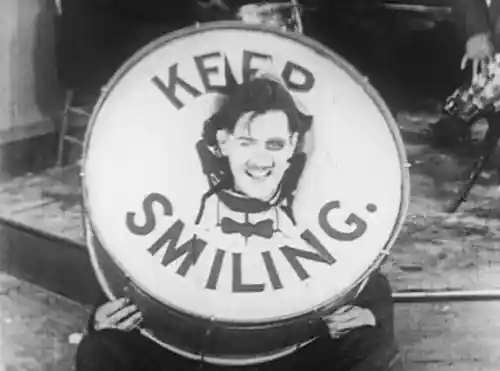
While many silent shorts of the era relied on the sheer physicality of the performer, Chase brings a psychological depth to the 'Mamma' trope. His reactions are not merely broad takes; they are nuanced flickers of escalating panic. This subtle approach to humor offers a fascinating contrast to the more overtly dramatic beats found in The White Sister, demonstrating that comedy, at its most effective, requires a grounding in recognizable human frailty. The absurdity of Jimmy’s situation is only funny because we recognize the earnestness of his desire to remain a 'good man' while performing 'bad deeds' for his employer.
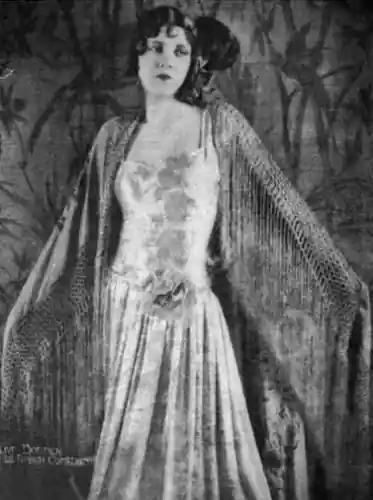
The supporting cast provides a sturdy scaffolding for Chase’s mercurial energy. Olive Borden and Martha Sleeper offer more than just decorative foils; they represent the shifting tides of the 1920s female archetype—alternating between the demure domestic partner and the modern, assertive woman of the world. The presence of Noah Young, a frequent Chase collaborator, adds a layer of physical intimidation that heightens the stakes. Young’s imposing stature serves as the perfect anvil against which Chase’s frantic character is hammered. This dynamic is reminiscent of the character tensions explored in The High Horse, though here it is filtered through the lens of urban sophistication rather than rural caricature.
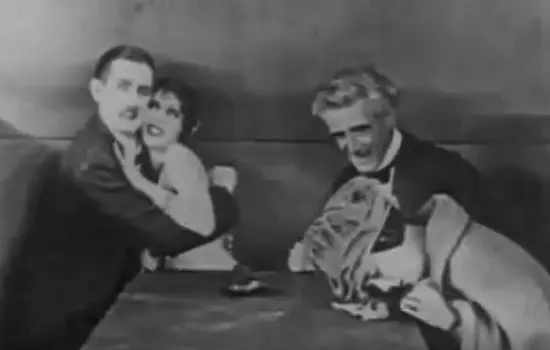
What sets Too Many Mammas apart from other 1924 releases, such as the more somber The Heart of Youth, is its refusal to moralize. In an era where the Hays Code was beginning to cast its shadow, this film revels in the chaos of infidelity and the inherent humor of the double life. It captures a specific American zeitgeist—one of post-war liberation and the burgeoning complexities of the white-collar professional class. The 'mamma' of the title is a polysemous signifier, representing both the literal maternal figure and the colloquialism for a romantic interest, a linguistic playfulness that mirrors the visual doubling occurring onscreen.
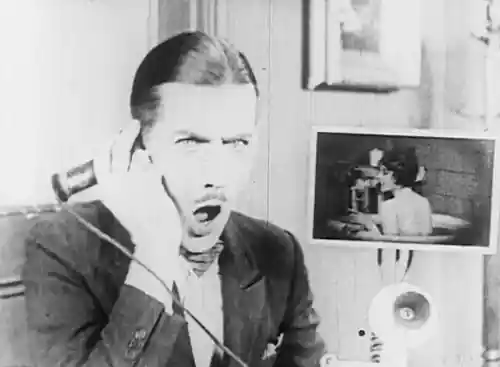
Technically, the film is a marvel of its time. The cinematography avoids the static nature of earlier silent shorts, employing subtle pans and purposeful framing that guide the viewer’s eye through the unfolding disaster. It lacks the experimental grit of Die Jagd nach dem Tode, but replaces it with a polished, commercial sheen that would define the Hal Roach 'look' for a decade. The lighting, while functional, effectively differentiates the public spaces of the office from the private, more shadow-filled realms of the domestic interior where the deceptions take place.
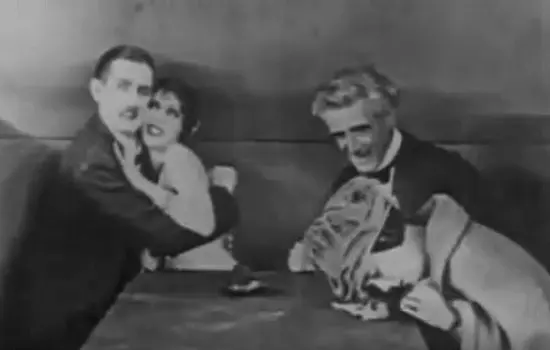
Consider the sequence involving the various 'mammas' converging in a single room. The editing here is revolutionary. It creates a rhythmic pulse that mirrors Jimmy’s heart rate. This isn't the slow, contemplative pacing of Byl první máj; it is an aggressive, forward-moving momentum that demands the viewer's total engagement. The film understands that in comedy, timing is not just a performance element but a structural necessity. The overlap of characters and the near-misses of discovery are orchestrated with a musicality that predates the great screwball comedies of the 1930s.
Beyond the laughter, Too Many Mammas offers a subtle critique of the patriarchal structures of the 1920s. The boss, played with blustering incompetence by John T. Prince, is the catalyst for the entire fiasco. His entitlement—the belief that his employee’s personal life is a resource to be exploited for his own indiscretions—is the film's hidden engine. Jimmy is a victim of the corporate ladder, a theme that resonates even in modern cinema. This exploration of soul-crushing obligation is a far cry from the spiritual themes of Pieces of Silver: A Story of Hearts and Souls, yet it touches upon a different kind of existential dread: the loss of self in the service of another’s vice.
When we look at the broader landscape of 1924, from the adventure of The Night Hawk to the suspense of The Eleventh Hour, Too Many Mammas stands out for its sheer density of wit. It does not need the exotic locales of La gitana blanca or the documentary fascination of Fishing for Tarpon. Its world is internal, psychological, and hilariously relatable. It is a film about the masks we wear and the catastrophic hilarity that ensues when those masks begin to slip.
In the pantheon of Charley Chase’s work, this short remains a quintessential entry. It captures the transition from the crude origins of cinema to a more refined, literate form of visual storytelling. Whether Jimmy is dodging a vengeful husband or trying to explain away a mysterious woman to his fiancée, Chase maintains a dignity that makes his suffering all the more amusing. It is a reminder that while technology in film may evolve, the fundamental comedy of the human condition—our lies, our fears, and our desperate attempts to save face—remains eternally unchanged. For those seeking a masterclass in the architecture of the silent gag, Too Many Mammas is an indispensable document of a bygone era that still speaks volumes today.
As we reflect on the ephemeral nature of silent shorts, many of which are lost to time or decay like the forgotten narratives in Marooned Hearts, we must cherish the survival of such a vibrant piece of art. The film survives not just as a historical curiosity, but as a living, breathing comedy that can still elicit genuine laughter from a modern audience. It is a testament to the enduring power of Chase’s vision and the timelessness of a well-constructed farce. In the end, Jimmy’s struggle is our own—a frantic attempt to balance the 'too many mammas' in our own lives while maintaining a semblance of sanity.
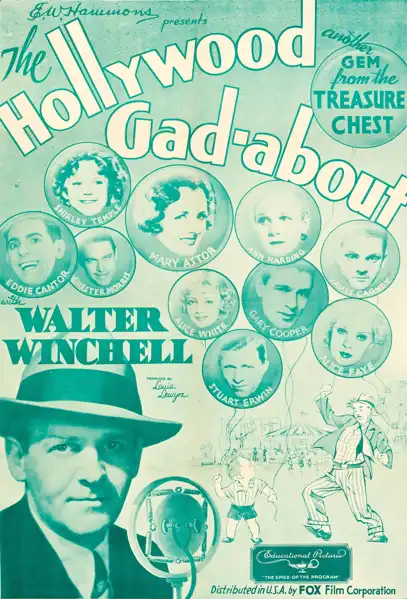
IMDb 6.8
1934
Community
Log in to comment.