DbcultAccessing Vault...
Cult Review
Senior Film Conservator
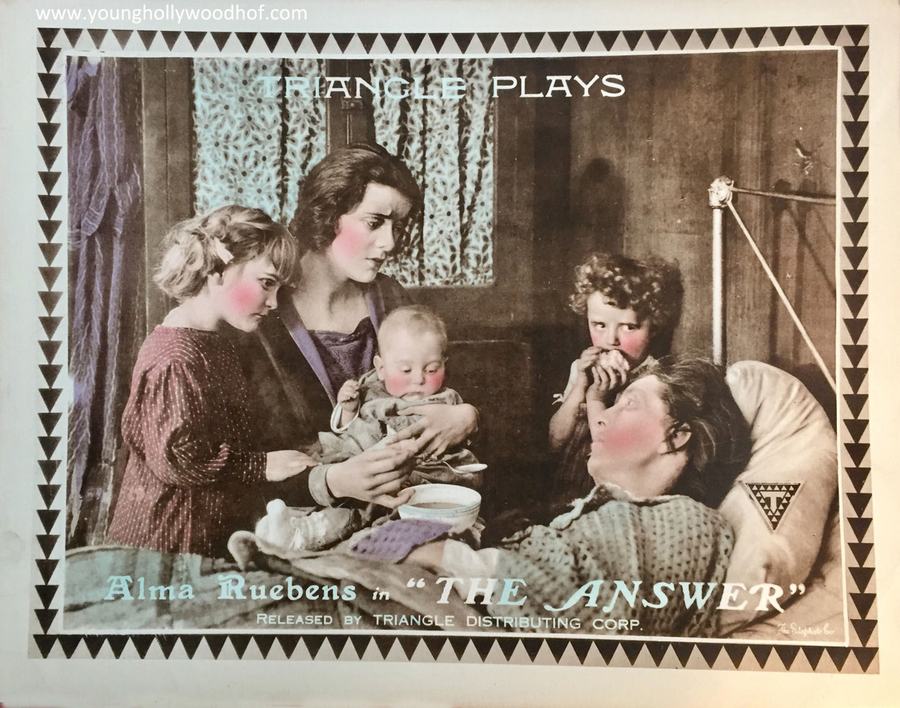
There are films, and then there are cinematic pronouncements – works that, regardless of their vintage, speak with a clarity and urgency that transcend time. E. Magnus Ingleton's The Answer, a profound narrative from the nascent days of feature filmmaking, stands as one such pronouncement. It is a searing examination of idealism’s fragility, the insidious allure of materialism, and the often-brutal collision between deeply held convictions and the harsh realities of human nature. This isn't just a story; it's a moral crucible, observing how individuals navigate a world rife with inequity, propelled by passions both noble and destructive.
The narrative unfurls in a San Francisco of stark contrasts, a city on the cusp of profound social change, much like the broader world itself in the early 20th century. Here, we encounter John Warfield, portrayed with understated intensity by Joe King, a social worker whose dedication to the downtrodden is not merely a profession but a calling. Warfield is not content with superficial charity; he seeks systemic solutions, a genuine betterment of lives. His path converges with Guido Garcia, a character brought to life with fiery conviction by Francis McDonald, whose portrayal of a socialist radical is both charismatic and chillingly intense. Guido embodies the fervent, sometimes unyielding, spirit of early socialist movements – a passionate belief in collective welfare, often bordering on zealotry. Together, these two disparate yet ideologically aligned men establish a refuge, a sanctuary for 'life's unfortunates.' This institution isn't just a place of shelter; it's a symbolic anchor for their shared vision, a tangible manifestation of hope in a world that often offered little. The film, even without spoken dialogue, communicates the palpable energy and earnestness of this endeavor, setting a stage where principles are paramount.
The initial scenes, though perhaps lacking the frenetic pace of modern cinema, possess a deliberate, almost documentary-like quality, immersing the viewer in the grim realities faced by the refuge’s inhabitants. It’s a stark reminder of why such radical ideas took root, painting a picture of societal neglect that demanded an answer, an alternative to the prevailing order. The collaborative spirit between Warfield and Garcia, initially a powerful force for good, also subtly hints at the inherent tensions between pragmatic social work and revolutionary idealism, a theme that will tragically unravel as the story progresses.
Central to The Answer's emotional core is Goldie Shepard, a character given nuanced depth by Alma Rubens. Goldie's journey is arguably the most tragic and illuminating. We meet her as a young woman whose nascent interest in socialism is not merely intellectual but deeply personal, forged in the crucible of her father's alcoholism and the family's subsequent struggles. This lived experience imbues her early socialist leanings with an authenticity that is compelling. Her transition into Warfield's stenographer places her at the heart of the movement, a witness to the daily grind of social work and the soaring rhetoric of change. Rubens's portrayal, even through the expressive gestures of silent film, conveys Goldie's initial earnestness, her wide-eyed commitment to a cause she believes will rectify the injustices she has personally endured.
The pivotal moment that hardens Goldie's resolve and transforms her simmering resentment into a fervent hatred of the rich is the tragic death of her father. Struck down by an automobile carrying the society woman Lorraine Van Allen, this event is more than an accident; it's a symbolic collision of two worlds – the vulnerable working class and the seemingly untouchable elite. The film masterfully uses this incident not just as a plot device but as a psychological turning point, showing how personal grief can morph into ideological fervor. Goldie's hatred, while understandable given her circumstances, becomes a rigid, unyielding force, foreshadowing her later inability to adapt or temper her convictions. Her character arc serves as a stark warning about the dangers of allowing personal grievance to completely dictate one's moral compass, a theme explored with similar gravitas in films like The Moral Fabric, which often delved into the complex interplay between individual experience and ethical frameworks.
In a narrative turn that defies simple categorization, the very catalyst for Goldie's intensified hatred becomes a source of unexpected support for the refuge. Lorraine Van Allen, played by Claire Anderson, initially represents the very class Goldie despises. Her presence in the fatal automobile marks her as an emblem of privilege and detachment. However, the accident serves as a profound awakening for Lorraine. It shatters her insulated world, forcing her to confront the stark realities beyond her gilded cage. Anderson's performance, through subtle shifts in expression and bearing, conveys Lorraine's internal struggle – the initial shock, the dawning realization of her own complicity (however indirect), and the subsequent impulse to make amends. Her decision to become a supporter of the refuge is not portrayed as a facile act of atonement but as a genuine, if perhaps belated, recognition of shared humanity. This transformation adds a crucial layer of complexity to the film, demonstrating that compassion and a sense of social responsibility can emerge from unexpected quarters, challenging the simplistic 'us vs. them' dichotomy that often fuels class conflict. It suggests that even those seemingly ensconced in privilege can be moved to action, offering a glimmer of hope amidst the prevailing cynicism.
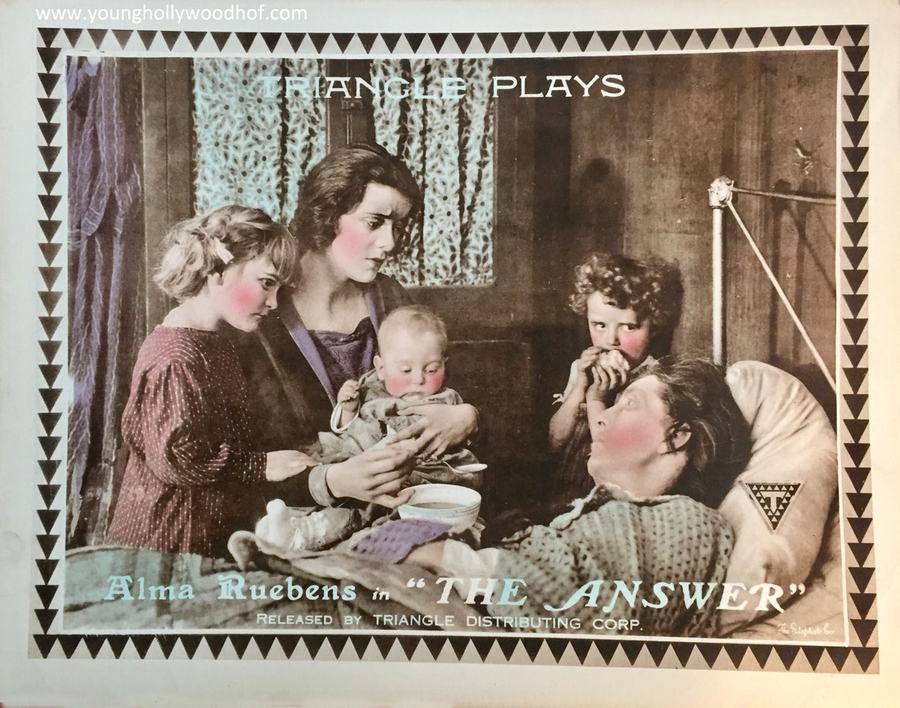
The narrative takes a dramatic detour when Warfield's mother passes away in England, leaving him a substantial estate. This inheritance is more than a mere change in financial status; it functions as a profound moral test, a narrative device that forces the protagonist to confront the very principles he champions. For a social worker dedicated to the poor, inheriting immense wealth poses an existential dilemma. Can one truly advocate for the dispossessed while simultaneously enjoying the fruits of a system built on disparity? This internal conflict, conveyed with quiet gravitas by King, is central to Warfield's character arc. His decision to marry Goldie and take her to England is, at first glance, a romantic gesture, an attempt to share his new life with the woman who embodies their shared ideals. Yet, it inadvertently sets the stage for a devastating revelation.
The opulent English estate, initially a symbol of unexpected fortune, quickly transforms into a mirror reflecting uncomfortable truths. It is here that Warfield is "shocked to see her fondness for luxury." Goldie, the ardent socialist, the passionate advocate for the working class, succumbs to the siren song of wealth with alarming speed. Alma Rubens's performance here is critical, showing Goldie's rapid descent into materialism, perhaps even a sense of entitlement after years of deprivation. This betrayal of ideals is particularly poignant because it comes from within the movement itself, from one of its most vocal proponents. Warfield's disillusionment is palpable; his socialist convictions are not merely theoretical but deeply ingrained, and Goldie's transformation represents a profound personal and ideological wound. This segment of the film powerfully critiques the corrupting influence of wealth, suggesting that even the most fervent principles can be eroded when confronted with unchecked affluence. It's a theme that resonates through cinematic history, often seen in narratives like Those Who Pay, which explored the moral compromises people make when faced with financial temptations or societal pressures.
While Warfield grapples with Goldie's transformation across the Atlantic, back in San Francisco, Guido Garcia's world begins to unravel. Guido, originally Goldie's suitor, represents the dangerous edge of idealism – where passion can curdle into obsession, and conviction can warp into fanaticism. His love for Goldie is intertwined with their shared revolutionary zeal; she is not just a woman but a symbol of the cause. When he learns of her marriage to Warfield, it is a double betrayal: a personal slight and an ideological defection. Francis McDonald's portrayal of Guido captures this escalating torment, his gestures growing more agitated, his eyes burning with a mixture of rage, heartbreak, and a sense of profound injustice. He sees Goldie's marriage and her subsequent embrace of luxury not merely as a personal slight but as a betrayal of everything they stood for, a capitulation to the very forces they vowed to dismantle. This is where the film delves into the darker psychological currents of human behavior, illustrating how unrequited love, combined with rigid ideology, can drive an individual to the brink of madness. The murder of Goldie is a brutal, shocking climax, a violent explosion of frustrated passion and ideological purity. Guido’s subsequent leap from a bridge to his death is the only logical conclusion for a character consumed by such all-encompassing despair and a warped sense of justice. It’s a stark, uncompromising depiction of the destructive power of unchecked emotion and rigid dogma, leaving the audience to ponder the fine line between conviction and fanaticism. The sheer intensity of this sequence, even in a silent film, must have been profoundly impactful, reminiscent of the raw, visceral emotionality found in other era-defining tragedies such as La cattiva stella.
From the ashes of tragedy, The Answer offers a powerful, if earned, sense of redemption. Warfield, having witnessed the corrupting power of wealth and the destructive force of fanaticism, makes a decisive choice. He donates his vast English estate to the poor, divesting himself of its allure and reaffirming his original commitment to social justice. This act is not merely charitable; it's a profound statement of principle, a rejection of personal gain in favor of collective good. His return to San Francisco is a spiritual homecoming, a re-grounding in the work that truly matters. The film then brings Warfield and Lorraine Van Allen back together, their shared experiences of loss and disillusionment forging a new, stronger bond. Their marriage is not one born of impulsive passion but of mature understanding and a mutual dedication to a higher purpose. The ultimate symbol of their renewed commitment to the future is the conversion of the English mansion, once a site of Goldie's moral downfall, into a children's home. This act transforms a monument to personal wealth into a vibrant hub of care and education, a living testament to the possibility of positive social change. It signifies that true wealth lies not in accumulation but in contribution, and that even from the ruins of past failures, new foundations of hope can be built. This transformation offers a powerful, optimistic counterpoint to the earlier despair, echoing the themes of rebuilding and renewal found in films like Entre ruinas, where communities rise from destruction with renewed purpose.
While the limitations of silent film often meant broader gestures and reliance on intertitles, the cast of The Answer, under the narrative guidance of E. Magnus Ingleton, clearly delivered performances of significant emotional depth. Joe King as Warfield must have conveyed a quiet strength and moral fortitude, his disillusionment and eventual resolve communicated through subtle shifts in his posture and the intensity of his gaze. Alma Rubens, in the complex role of Goldie, would have had to master the delicate balance between fiery idealism and the seductive pull of luxury, making her tragic fall believable. Francis McDonald's Guido would have been a masterclass in conveying escalating fanaticism, from passionate advocate to desperate murderer. The ensemble, including Jean Hersholt, Billy Jacobs, Thelma Salter, Betty Pearce, Wilbur Higby, and Charles Dorian, would have contributed to the rich tapestry of the film’s social landscape, each face telling a story of the era. E. Magnus Ingleton, as the writer, crafted a narrative that is remarkably prescient in its exploration of social dynamics, class struggle, and the psychological impacts of wealth and poverty. His screenplay avoids easy answers, instead plunging into the complexities of human motivation and the often-contradictory nature of ideals. The structure, moving from hopeful beginnings to tragic betrayals and ultimately to a hard-won redemption, speaks to a sophisticated understanding of dramatic arcs and thematic resonance.
The Answer, despite its age, remains remarkably pertinent. It asks fundamental questions about the nature of charity, the corrupting influence of power, and the resilience of the human spirit. It serves as a compelling reminder that the struggles between idealism and pragmatism, between personal gain and collective good, are not new phenomena but enduring facets of the human condition. The film’s nuanced portrayal of its characters, particularly Goldie and Lorraine, avoids simplistic villainy or heroism, instead presenting individuals shaped by circumstance, conviction, and personal failing. It champions the idea that true change often requires sustained effort and genuine sacrifice, not merely passionate rhetoric. The ultimate 'answer' that the film proposes is not a simple political ideology, but rather a deeply human one: that empathy, sustained effort, and a willingness to learn from tragedy are the true cornerstones of a better society. It's a powerful statement, delivered with the expressive power characteristic of the silent film era, leaving a lasting impression on anyone willing to engage with its profound message. Much like the reflective nature of As a Man Sows, this film delves into the consequences of one's actions and beliefs, offering a timeless meditation on morality and societal responsibility.
In an era marked by rapid industrialization and burgeoning social movements, The Answer courageously tackled themes that continue to resonate. It’s a testament to the power of early cinema to not only entertain but also to provoke thought, challenge assumptions, and inspire contemplation about the very fabric of society. Its legacy lies not just in its historical significance, but in its enduring capacity to prompt an audience to question their own 'answers' to life's profound moral dilemmas.
IMDb 7.5
1936
Community
Log in to comment.