DbcultAccessing Vault...
Cult Review
Senior Film Conservator
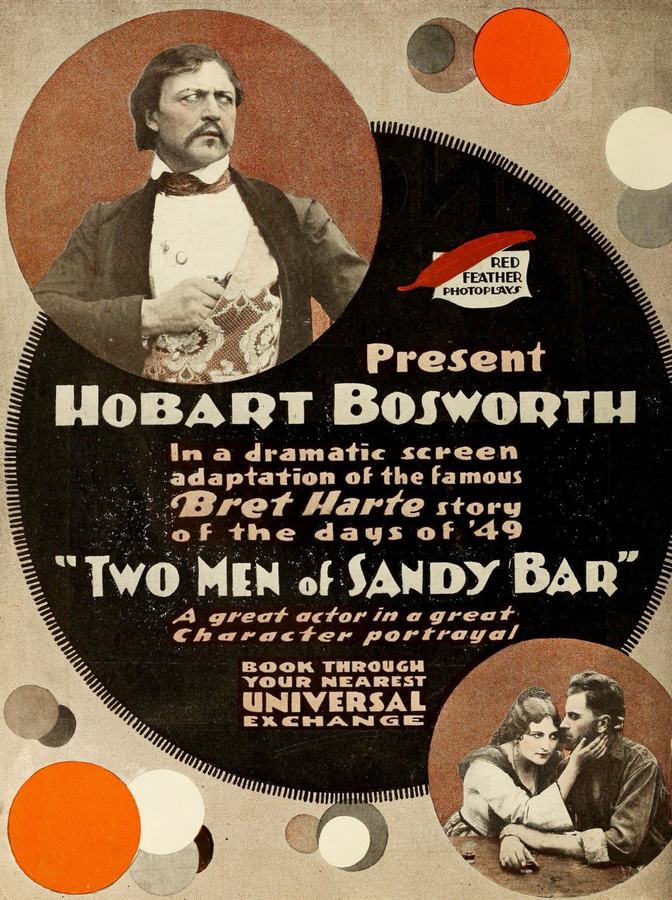
Stepping back into the nascent days of cinematic storytelling, we encounter 'Two Men of Sandy Bar,' a film that, even in its silent grandeur, speaks volumes about human nature, the capricious hand of fate, and the indomitable spirit of true camaraderie. This isn't just a motion picture; it's a meticulously crafted moral fable, an intricate tapestry woven with threads of loyalty, deception, and ultimately, an unexpected redemption. From its very inception, the film plunges us into a world where reputation is fluid, and character is forged in the crucible of adversity. It is a testament to the power of narrative that such a complex web of relationships and ethical dilemmas could be conveyed with such clarity and emotional resonance without a single spoken word.
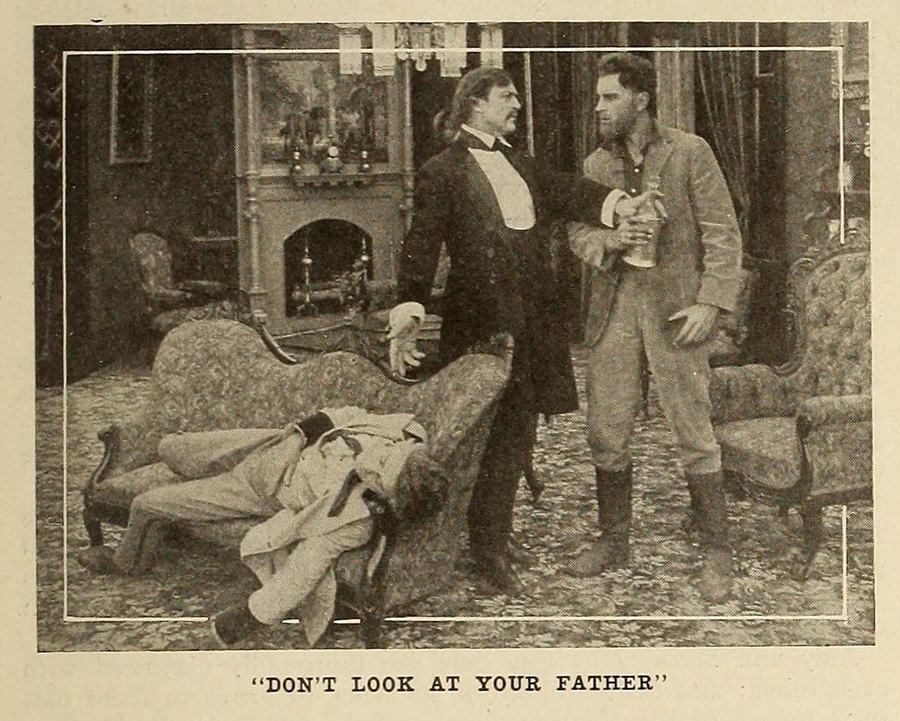
The foundational strength of 'Two Men of Sandy Bar' undoubtedly lies in its literary origins, an adaptation of Bret Harte's enduring vision of the American West. Harte, a master of regionalism, imbued his stories with a distinct blend of gritty realism and romantic idealism, often finding honor in unexpected places and virtue amidst vice. Screenwriter Olga Printzlau deftly navigates this rich source material, translating Harte's nuanced characterizations and dramatic tension into a visual language that captivated early 20th-century audiences. Printzlau’s work here is remarkable for its ability to distill the essence of Harte’s prose, maintaining the integrity of the original narrative while making it suitable for the unique demands of the silent screen. Her script provides a robust framework upon which the actors and director build a compelling and coherent world. This adaptation demonstrates a keen understanding of both the source text and the medium, a balance often difficult to strike, especially in an era where cinematic language was still being invented. It's a prime example of how early filmmakers sought to elevate their art form by drawing from established literary traditions, much like how The Mystery of Edwin Drood attempted to visualize Dickens's intricate narratives.
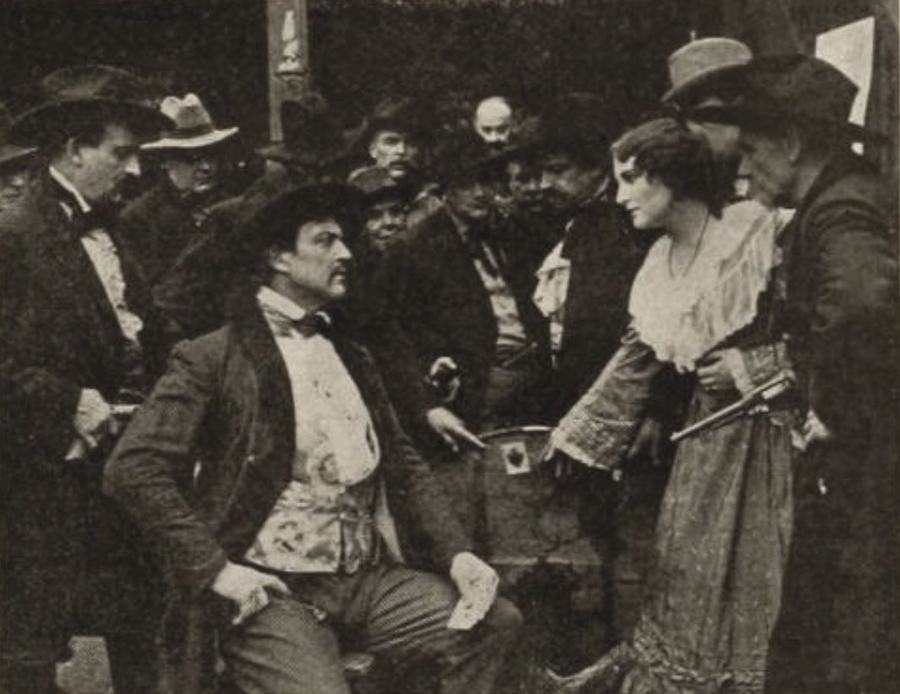
At the heart of this compelling drama stands John Oakhurst, portrayed with a compelling blend of stoicism and innate goodness by Hobart Bosworth. Bosworth, a veteran of early cinema, brings a quiet dignity to the character that transcends the often-caricatured roles of the era. Oakhurst is no mere cardsharp; he is a man guided by an internal compass of honor, a moral anchor in the turbulent currents of Sandy Bar. His friendship with Sandy Morton, a bond that forms the very motif of the story, isn't born of convenience or shared vice, but rather a profound, almost paternal, concern for his younger, more susceptible companion. This portrayal of a 'chivalrous gambler' is a fascinating subversion of tropes, challenging audience expectations and demonstrating that integrity can flourish even in the most unlikely of professions. Bosworth's nuanced performance, relying heavily on subtle gestures and expressive eyes, conveys Oakhurst's internal struggles and unwavering loyalty with remarkable clarity. His character provides a stark contrast to the morally compromised figures often seen in films exploring the darker sides of human nature, such as the characters grappling with addiction and despair in Prohibition, where choices are often driven by desperation rather than a code of honor.
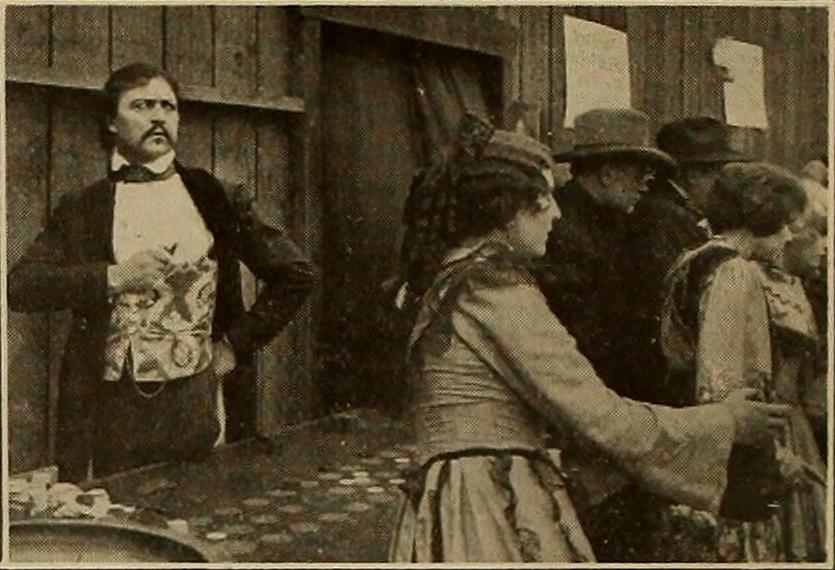
Sandy Morton, the unfortunate counterpoint to Oakhurst's steadfastness, is depicted as a soul vulnerable to the siren call of excess. His propensity for drink, a weakness exploited with chilling efficacy, becomes the instrument of his undoing. The orchestrator of his downfall is none other than 'the duchess,' the formidable queen of the gambling houses, brought to life with a captivating blend of allure and cunning by Gretchen Lederer. Lederer imbues the duchess with an almost predatory grace, her actions driven by a calculated avarice that preys upon human frailty. It is through her connivance that Sandy is systematically stripped of his birthright, a cruel irony given his father's years-long, desperate search for him. The duchess is more than just an antagonist; she is a force of nature, a symbol of the corrupting influence that can fester in a frontier town where rules are often bent and morality is a luxury. Her character adds a layer of sophisticated villainy, reminiscent of the intricate social maneuvering seen in films like The Secretary of Frivolous Affairs, where societal facades often hide darker intentions. Lederer’s performance ensures the duchess is not a one-dimensional villain but a complex figure whose motivations, though base, are understandable within the context of her harsh environment.
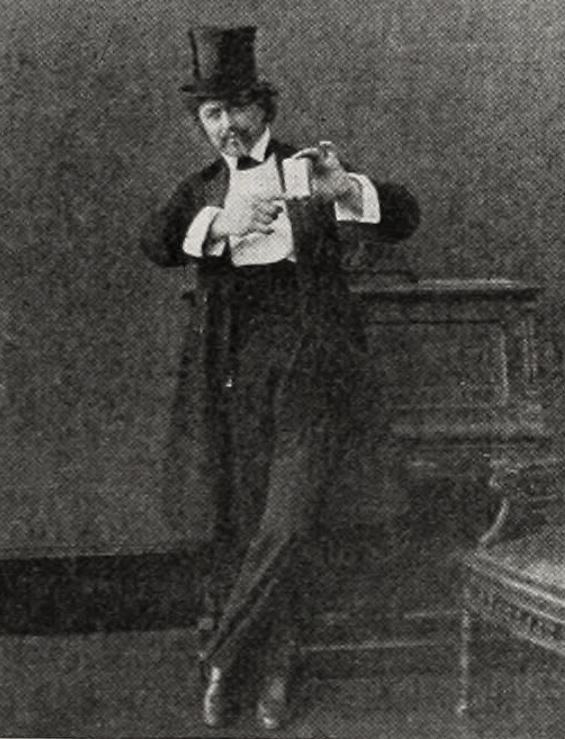
The narrative takes a truly poignant turn when Oakhurst, operating under the deeply mistaken belief that Sandy is dead, innocently steps into the void left in the elder Morton's life. Charles H. Hickman, in the role of the long-suffering father, conveys a palpable sense of loss and yearning that makes his eventual acceptance of Oakhurst all the more heartbreaking and heartwarming. The elder Morton's years of relentless, yet fruitless, searching underscore the profound love he holds for his lost son. Oakhurst's unwitting assumption of Sandy's place in the household is not an act of malice, but rather a confluence of tragic circumstances and his own inherent kindness. He fills a void, providing comfort and companionship to a grieving man, never once suspecting the true identity of the son he believes to be deceased. This dramatic irony is handled with great sensitivity, highlighting Oakhurst's unwavering integrity even in a situation born of profound misunderstanding. The film masterfully builds this emotional connection, making the audience keenly aware of the eventual truth that must inevitably emerge, creating a palpable tension that holds the viewer in its grip.
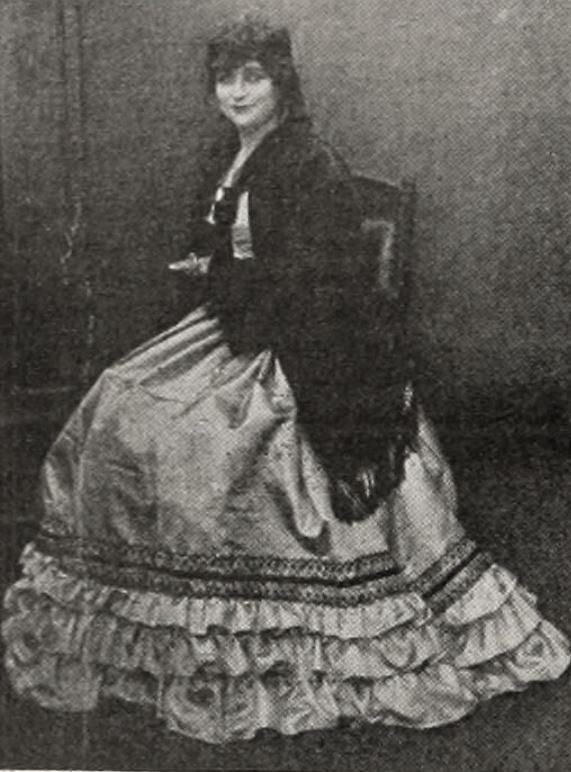
The story inexorably marches towards its dramatic zenith, a moment of profound revelation orchestrated by the very architect of Sandy's ruin, the duchess herself. The psychological moment of this unveiling is expertly timed, maximizing its impact and sending ripples of shock through the assembled characters and, indeed, the audience. It is a moment that threatens to unravel the fragile peace Oakhurst has found and shatter the elder Morton's renewed hope. The tension is almost unbearable as the truth hangs in the air, a sword of Damocles suspended over the fate of these intertwined lives. This climax is a masterclass in silent film dramaturgy, relying on visual cues, heightened performances, and the power of the intertitles to convey the emotional earthquake. The suddenness of the revelation, coming from an unexpected source, adds to its dramatic weight, similar to how unexpected turns shape the narratives in films like Prestuplenie i nakazanie, where moral transgressions inevitably lead to their own forms of reckoning. The scene underscores the film’s central theme: that truth, however inconvenient, will ultimately emerge, demanding its due.
What follows the climactic revelation is perhaps the film’s most striking and emotionally resonant moment. One might expect anger, betrayal, or a complete severance of ties. Instead, the elder Morton, having witnessed Oakhurst's unwavering uprightness and genuine affection throughout their dealings, makes a decision that transcends convention and speaks to the very core of human decency. As Oakhurst, his heart heavy with the weight of circumstance, turns to leave, the old man calls him back. The announcement that follows – that the banking business will henceforth operate under the name 'Alex, Morton and Sons and Oakhurst' – is a powerful affirmation of earned trust and profound respect. It signifies not just a business partnership, but a familial bond forged not by blood, but by character and shared experience. This resolution elevates the film from a mere melodrama to a profound statement on the nature of family, loyalty, and the redemptive power of integrity. It's a testament to the idea that true worth is measured not by birthright, but by one's actions and the depth of one's heart. This unconventional happy ending, where true character triumphs over societal expectations, resonates with the thematic depth found in films that champion the human spirit against adversity, such as Ingeborg Holm, which explores the resilience of individuals in dire circumstances.
Beyond its compelling narrative, 'Two Men of Sandy Bar' stands as a remarkable example of early silent film artistry. The direction, while not overtly flashy, is effective in its pacing and composition, guiding the audience's eye and emotion with a steady hand. The cinematography captures the rugged beauty and inherent dangers of the Western setting, utilizing natural light and carefully constructed sets to transport viewers to Sandy Bar. The intertitles, crucial in conveying dialogue and exposition, are crafted with a literary flair that complements Harte's original prose, ensuring that the story's nuances are not lost in translation. The ensemble cast, a veritable who's who of early cinematic talent, delivers performances that are both expressive and restrained, a hallmark of effective silent acting. Frank MacQuarrie, William V. Mong, Jack Curtis, Emory Johnson, A.E. Witting, Yona Landowska, and Jean Taylor, alongside the central figures, contribute to a rich tapestry of supporting characters, each adding texture and depth to the world of Sandy Bar. Their collective efforts create a believable community, where every face tells a story, much like the intricate character studies found in films such as Die Landstraße, which also focuses on individual lives within a broader social landscape. The film’s production values, for its era, are commendable, reflecting a growing sophistication in filmmaking techniques and a clear ambition to produce works of lasting artistic merit.
The film delves deep into universal themes that resonate far beyond its specific historical and geographical setting. Questions of identity—what defines us, blood or character—are central. Oakhurst's journey challenges the very notion of inherited status, arguing for a meritocracy of the soul. The theme of redemption is equally potent, not just for Sandy Morton, who is given a second chance, but for the elder Morton, who finds a new 'son,' and even for the harsh world of Sandy Bar itself, which witnesses an act of profound grace. It subtly critiques the pitfalls of unchecked vice and the devastating consequences of manipulation, while simultaneously celebrating the enduring power of human connection. The film's message about friendship, loyalty, and the triumph of good character over adversity remains remarkably relevant. It speaks to the enduring human desire for belonging and acceptance, and the idea that one's true family can be found through shared experience and mutual respect, rather than merely through lineage. This exploration of moral fortitude and societal integration finds parallels in narratives where individuals strive for a better life and acceptance, much like the aspirational narratives sometimes found in early cinema. The narrative arc, from initial deception to ultimate acceptance, offers a powerful vision of the American Dream, not as one of material wealth alone, but of earned respect and an honorable place within a community.
'Two Men of Sandy Bar' is more than a historical artifact; it is a vibrant, emotionally charged drama that continues to speak to the complexities of the human heart. It reminds us that even in the roughest corners of the world, acts of profound kindness and unwavering loyalty can alter destinies. The film's enduring power lies in its ability to tell a story that feels simultaneously epic and deeply personal, a testament to the timeless appeal of well-crafted characters navigating life's unpredictable currents. It stands as a compelling example of early cinema's capacity for sophisticated storytelling, proving that even without synchronized sound, a film can achieve profound emotional depth and narrative intricacy. For those interested in the evolution of cinema and the enduring power of classic narratives, this film remains an essential viewing experience, a quiet masterpiece that continues to resonate with its powerful message of friendship, integrity, and the possibility of unexpected grace.
IMDb 5.2
1922
Community
Log in to comment.