DbcultAccessing Vault...
Cult Review
Senior Film Conservator
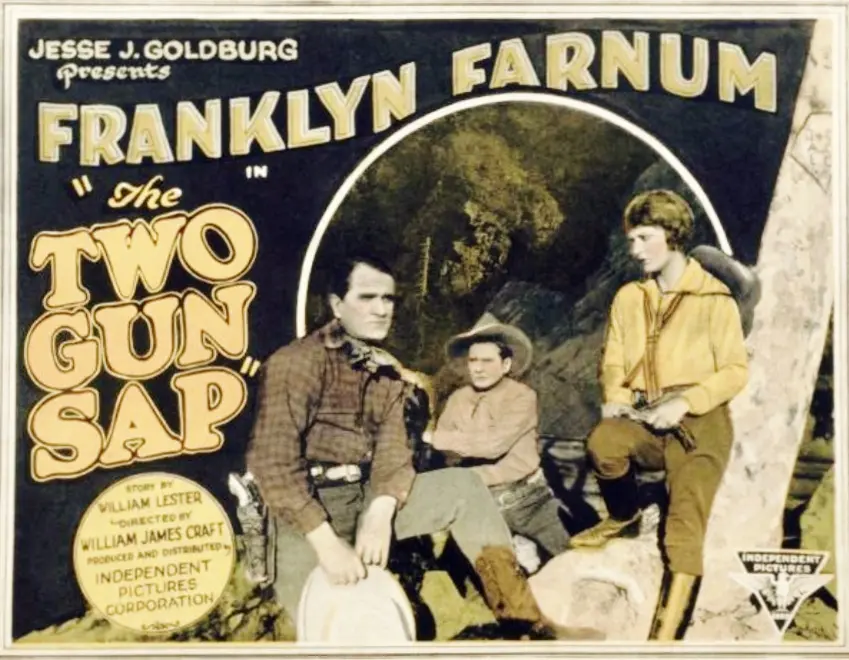
Is Two Gun Sap worth your time in the modern era? Short answer: Yes, but only if you have an appetite for the theatrical subversions of the silent era.
This film is specifically for historians of the Western genre and those who enjoy 'fish out of water' comedies that eventually pivot into action. It is certainly not for viewers who require fast-paced, high-octane pyrotechnics or a gritty, realistic portrayal of the Old West.
1) This film works because it leans into the absurdity of its premise, allowing Franklyn Farnum to showcase a range that most silent Western stars lacked.
2) This film fails because the secondary characters, particularly the rustlers, are painted with such broad, simplistic strokes that they never feel like a genuine threat until the final act.
3) You should watch it if you want to see an early example of the 'secret identity' trope used effectively in a rural setting.
In the 1920s, the 'City Dude' was a common punchline in Western cinema. We see variations of this in films like The Poor Boob, where the protagonist's lack of ruggedness is the source of the conflict. However, Two Gun Sap does something far more interesting. It weaponizes the stereotype. Willie Steele isn't a fool; he is a tactician wearing the mask of a fool.
The moment Steele steps off the stagecoach, monocle firmly in place, the audience is conditioned to expect a comedy of errors. Instead, director William Berke gives us a slow-burn thriller. Steele's 'weakness' is his greatest asset. By refusing to show strength, he gains access to the inner workings of the rustler gang that a traditional hero would never see. It works. But it’s flawed.
Take, for instance, the scene where Steele first encounters the lead rustler. Rather than reaching for a gun, he fumbles with a handkerchief and asks about the quality of the local tea. The rustlers laugh, and in that laughter, they lose the war. It is a punchy, effective bit of storytelling that proves brains often beat brawn, even in the lawless West.
Franklyn Farnum was often overshadowed by the likes of Tom Mix or William S. Hart, but in Two Gun Sap, he proves he had a unique niche. His physicality is the highlight here. He has to play a man playing a man. This double-layering is difficult to pull off without dialogue, yet Farnum manages it through subtle shifts in posture.
When he is alone or with his father, his stance is rigid, his eyes sharp. The moment an outlaw enters the room, his shoulders slump, and his gaze becomes vacant. It’s a performance of intentional artifice. This isn't unlike the dual identity themes explored in The Masquerader, though set against a much dustier backdrop.
One specific moment stands out: Steele is asked to demonstrate his marksmanship. He intentionally misses every target, feigning a fear of the recoil. The look of internal frustration on Farnum’s face—the hero screaming to get out while the actor stays in character—is a highlight of 1920s acting. It’s not just a Western; it’s a character study of a man willing to sacrifice his dignity for justice.
William Berke’s direction is functional, if not revolutionary. He understands the geography of a ranch, using wide shots to emphasize the isolation of the Steele family. The cinematography doesn't have the poetic flair of some European contemporaries, but it has a rugged honesty. The dust feels real. The horses look tired. There is a lack of 'Hollywood' polish that actually helps the film’s grounded stakes.
The pacing, however, is where the film stumbles. The middle section involves a few too many scenes of Steele 'being a sap' without moving the plot forward. We get the point within the first fifteen minutes; we don't need forty minutes of it. A tighter edit would have made the final confrontation feel more earned. Instead, the climax feels slightly rushed, as if the production ran out of film stock just as things were getting interesting.
Yes, Two Gun Sap is worth watching for anyone interested in the evolution of the Western hero. While it lacks the budget of later epics, its clever use of the 'secret identity' trope makes it stand out from the hundreds of generic silent Westerns produced in the same decade. It offers a refreshing break from the 'shoot first, ask questions later' mentality of its peers.
Two Gun Sap is a fascinating relic. It isn't a masterpiece, but it is a highly competent piece of entertainment that refuses to follow the standard Western playbook. By centering the story on a man who uses the world's low expectations of him as a shield, it creates a tension that is surprisingly modern.
The monocle is a gimmick, sure. But it’s a gimmick that works. It separates Willie Steele from the legion of faceless cowboys in the silent era. If you can look past the dated pacing and the simplistic morality, you’ll find a film that is much smarter than it looks. It’s a reminder that even in 1924, filmmakers were looking for ways to subvert the genres they helped create.
"A clever, if occasionally slow, subversion of the Western hero that proves the mind is the most dangerous weapon on the frontier."
IMDb —
1922
Community
Log in to comment.