DbcultAccessing Vault...
6.9/10
Senior Film Conservator
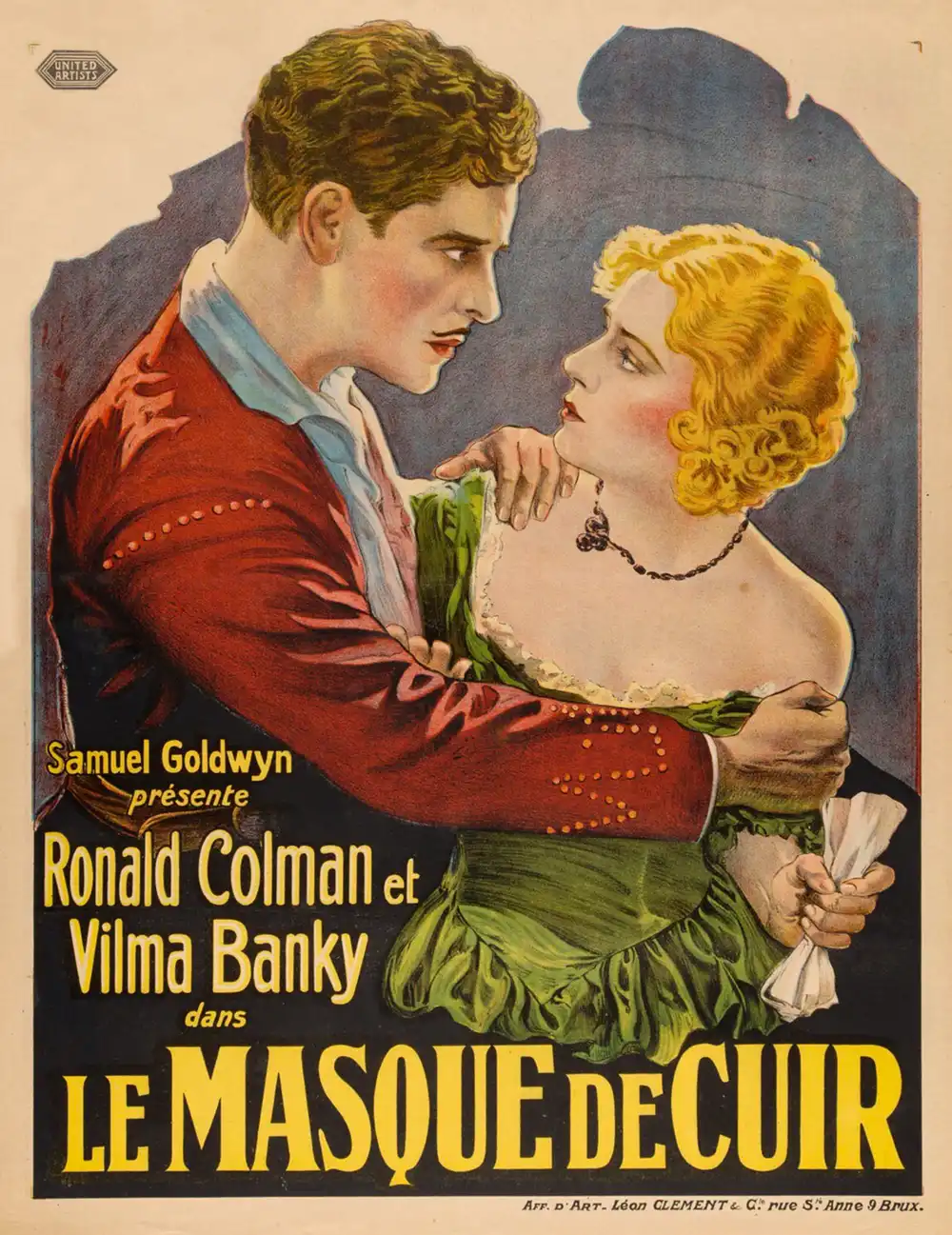
A definitive 6.9/10 rating for a film that redefined the boundaries of cult cinema. Two Lovers remains a cornerstone of transgressive art.
Alright, so we’re talking about Two Lovers, the 1928 silent picture with Ronald Colman and Vilma Bánky. Is it worth tracking down today? For silent film devotees, absolutely. If you appreciate the grand gestures of early cinema, the sheer star power of its leads, and don't mind a pace that feels, shall we say, leisurely by modern standards, then give it a shot. Casual viewers or anyone who finds the conventions of silent films a chore will probably struggle, finding its political machinations a bit dense and its melodramatic beats a little too much.
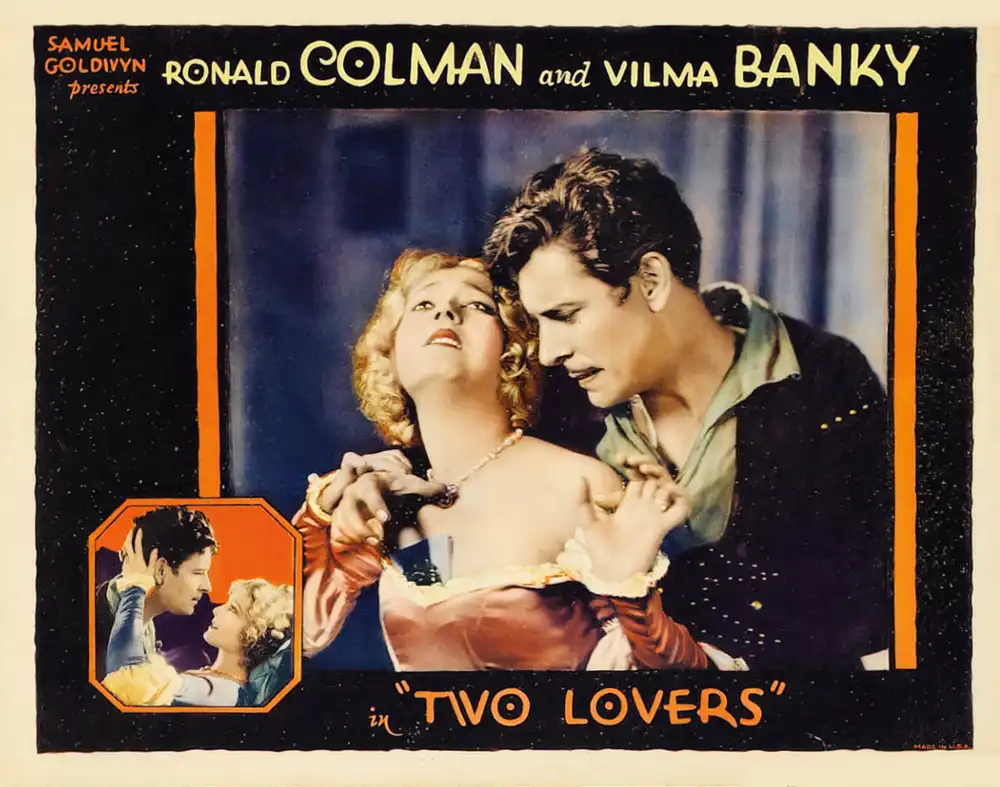
The film kicks off with a lot of exposition via title cards, setting up the warring states of Burgundy and Hainaut, and the forced marriage between Colman’s Prince Don Ramon and Bánky’s Duchess de Launay. It’s heavy lifting, honestly. You can almost feel the movie trying to convince you this intricate setup matters, but for a good chunk of the first act, I found myself just waiting for the actual *lovers* to get on with it.
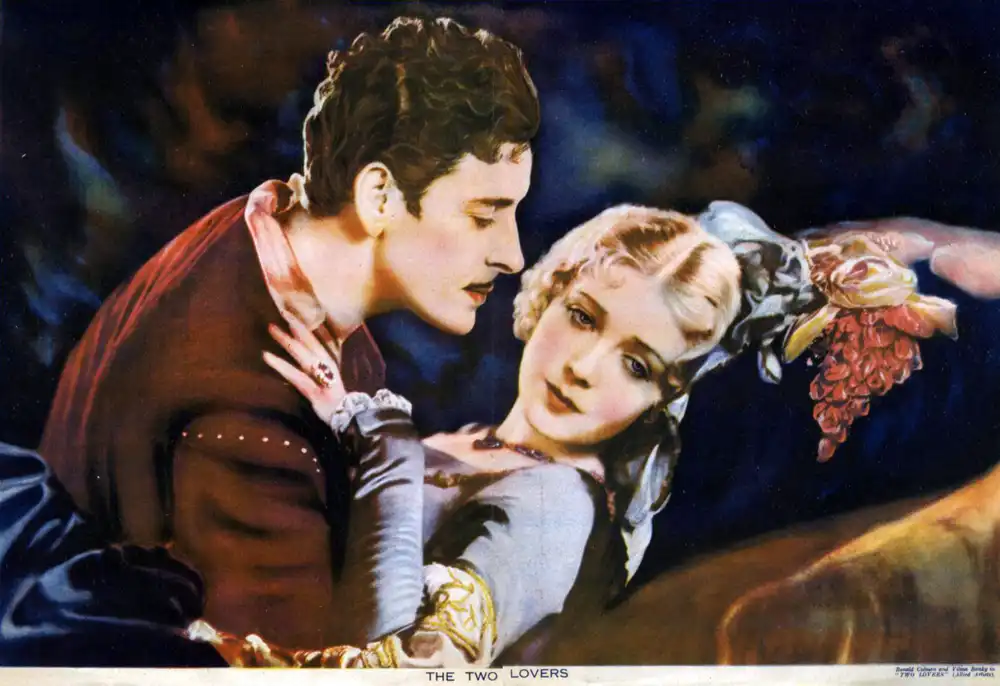
And when they do, well, that’s where the film really clicks into gear. Vilma Bánky is just phenomenal. Her face is a canvas of emotion. There’s a scene early on where she’s presented with the idea of this political marriage, and you can see the conflict playing out in her eyes – the duty, the despair, the barely contained anger. She carries herself with this incredible regal stiffness, yet every now and then a flicker of vulnerability breaks through. It’s captivating to watch.
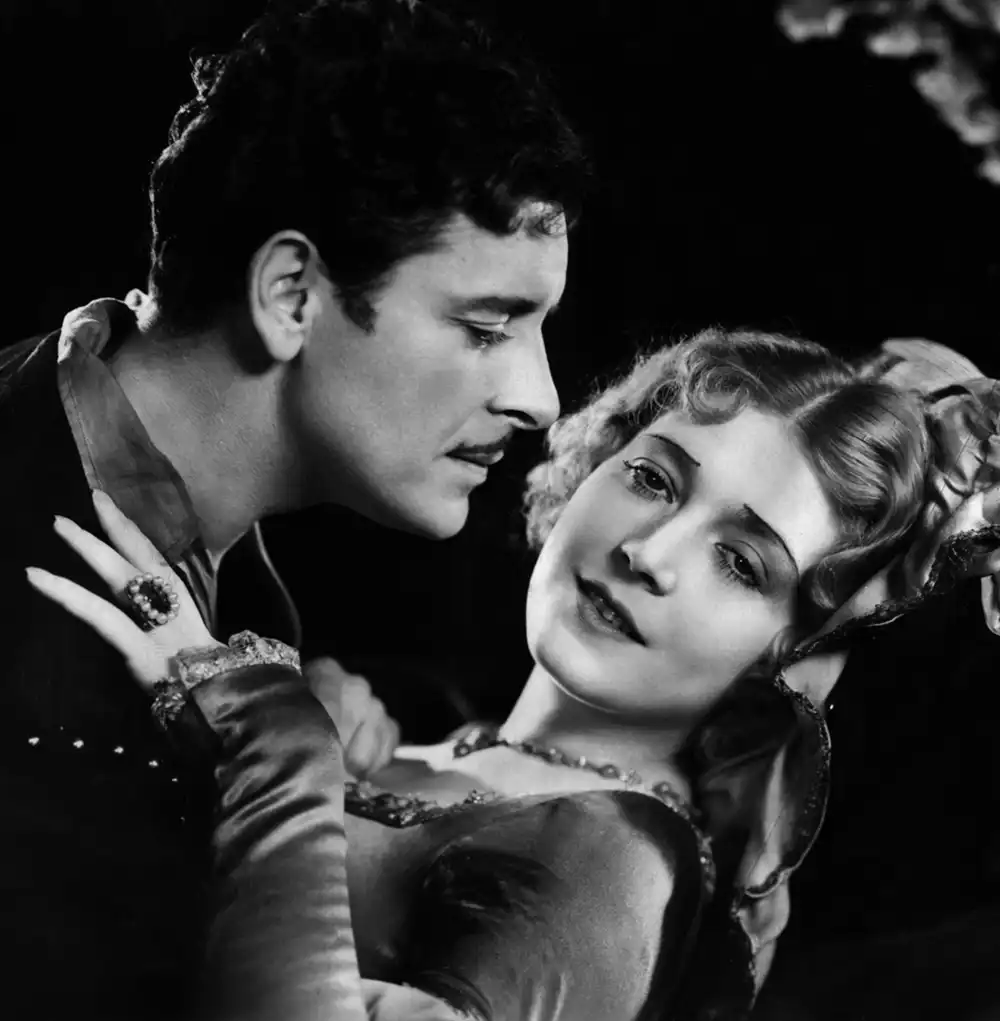
Colman, as Prince Ramon, has that dashing, swashbuckling charm that made him such a star. He’s got this dual identity thing going on, leading a rebel movement as “the Hawk” against Bánky’s family. It’s a classic setup, but he sells both sides convincingly. The sword fights are surprisingly robust for the era. There’s one particular skirmish where Colman is just a blur of movement and steel, really selling the action. You don't often see that level of physicality in silent films outside of Douglas Fairbanks.
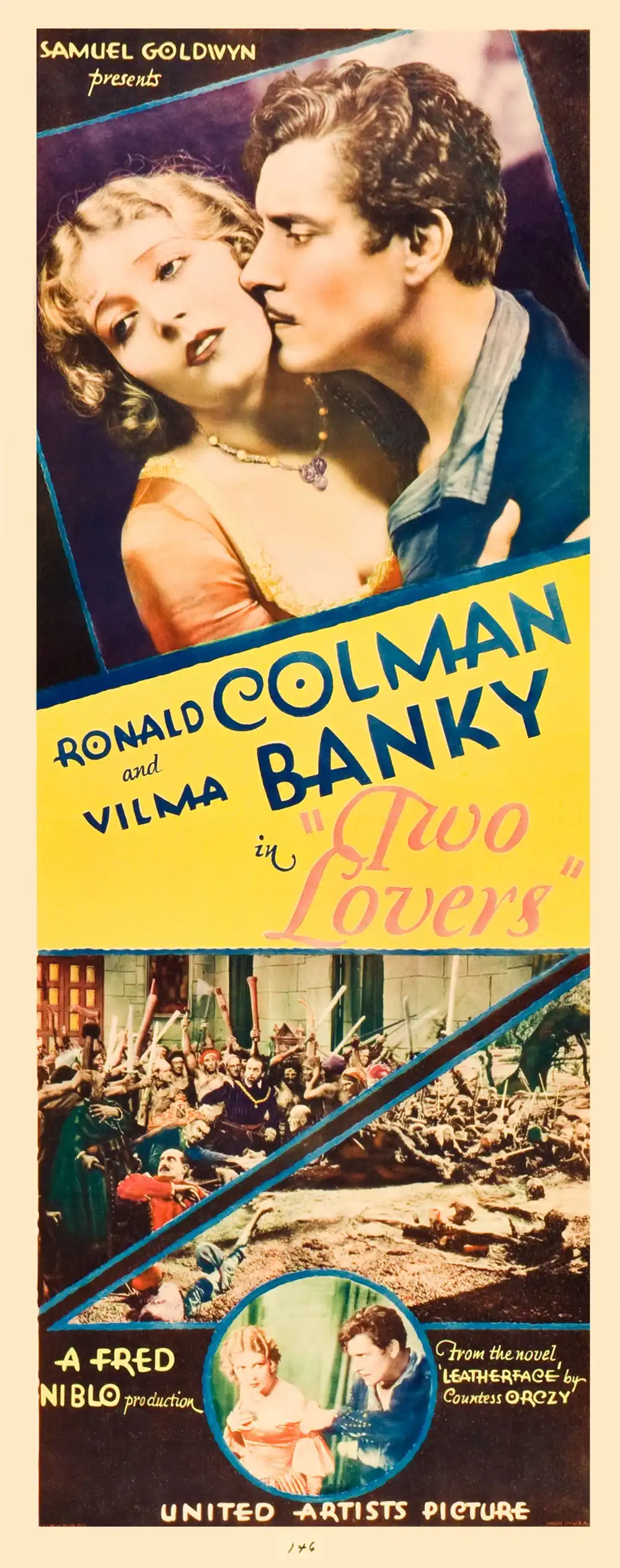
The chemistry between Bánky and Colman is the undeniable engine of this whole thing. When they’re together, whether it’s a stolen glance across a crowded room or a desperate embrace, the screen absolutely crackles. You believe their connection, which is crucial because the plot throws every possible obstacle at them. There’s a moment where the Duchess first encounters “the Hawk,” utterly unaware it’s her betrothed, and the raw, immediate attraction is palpable. It’s pure movie magic, even without a single spoken word.
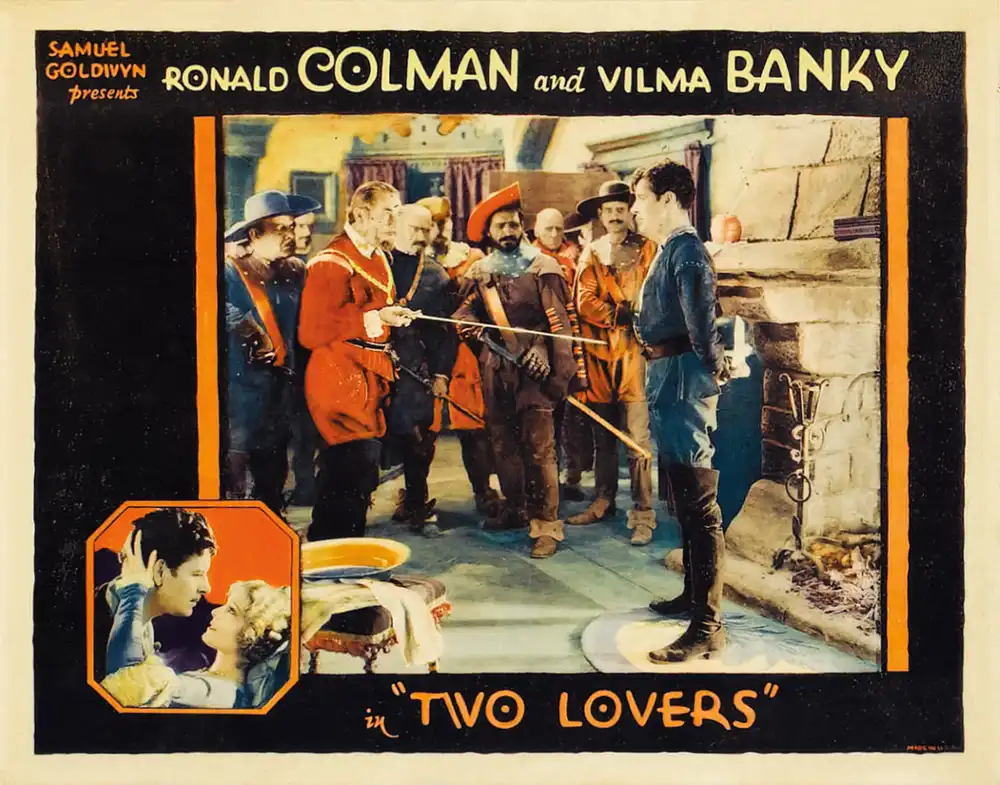
However, the film’s pacing can be a bit of a mixed bag. Fred Niblo, who also directed The Show around this time, occasionally lets scenes stretch out a little too long. There are sequences of courtly intrigue and political maneuvering that just feel like they go on about 20 seconds too long, and the silence starts to feel awkward rather than emotional. You get the gist, move on, please.
Some of the supporting performances are… broad. Nigel De Brulier as the villainous Gaston, for instance. He’s certainly menacing, but his sneers and gestures sometimes feel like they’re playing to the back row of a very, very large theater. It’s a silent film, sure, but there’s a line between expressionistic and just a bit much. You see it in other films of the era, like maybe The Grip of Evil, but here it occasionally pulls you out of the more nuanced performances of the leads.
I also noticed a few odd little things. In one of the grand ballroom scenes, the camera holds on a background extra for just a beat too long. They’re just standing there, looking slightly confused, like they missed their cue or weren't quite sure what they were supposed to be doing. It’s a blink-and-you-miss-it detail, but it stuck with me. The crowd scenes generally have this strangely sparse feeling, like they couldn't quite fill the frame with enough bodies, making the "masses" feel a bit thin.
The costumes, particularly Bánky’s gowns, are beautiful – very lavish and detailed, giving the film a genuine sense of historical grandeur. The sets are also quite impressive, vast castle interiors and battlements that really sell the epic scope. Goldwyn didn't skimp on the production values, that's clear.
The film gets noticeably better once it stops trying so hard to explain every single political twist and just leans into the romance and adventure. The latter half, especially when Ramon's rebel identity is in constant danger of being exposed, and the Duchess is caught between her duty and her heart, is genuinely thrilling. There's a tense escape sequence involving secret passages that works surprisingly well, despite the slightly murky lighting in some of those corridors.
Overall, Two Lovers is a film carried by its stars. Without the undeniable charisma and chemistry of Colman and Bánky, it might just be another forgotten relic. With them, it’s a charming, if occasionally plodding, silent epic that reminds you why these two were such a beloved screen pairing. It’s not perfect, but those moments of genuine connection and thrilling action make it worth the journey for those willing to take it.
IMDb —
1915
Community
Log in to comment.