DbcultAccessing Vault...
Cult Review
Senior Film Conservator
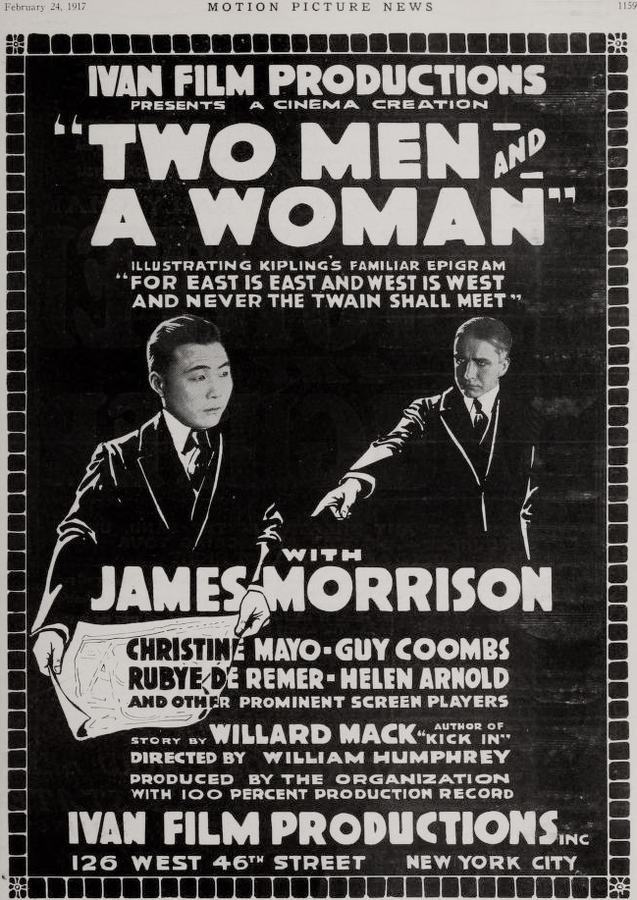
In the annals of cinematic storytelling, few narratives capture the intricate dance of duty, sacrifice, and the often-unspoken language of the heart quite like 'Two Men and a Woman'. This poignant drama, helmed by the creative synergy of writers Don Dundas, Willard Mack, and William Humphrey, unfurls a tale that, despite its vintage, resonates with a timeless quality, exploring the profound complexities of human affection and the lengths one will go for another's happiness. It is a masterclass in emotional restraint and eventual catharsis, presenting a tableau where moral rectitude often clashes with personal desire, creating a narrative tension that is both compelling and deeply moving.
At its core, the film is a meticulous character study, primarily focusing on the benevolent but tragically self-sacrificing Bruce Donaldson, portrayed with understated gravitas by James Morrison. Bruce is not merely a guardian; he is a surrogate father, a mentor, and, crucially, a man burdened by an unspoken love. His devotion to Tony Merritt (John Reinhardt), the young man under his charge, transcends mere responsibility, evolving into a paternalistic affection that dictates his every decision. This profound loyalty is put to the ultimate test with the arrival of Ethel Walling (Christine Mayo), a woman who, through no fault of her own, becomes the unwitting fulcrum of a devastating emotional dilemma. Bruce's introduction of Ethel to Tony, a seemingly innocuous act, sets in motion a chain of events that exposes the raw vulnerability beneath his composed exterior. His secret adoration for Ethel, a silent symphony of yearning, is immediately overshadowed by Tony's youthful infatuation. The ensuing request from Tony for Bruce's blessing in pursuing Ethel is not just a polite formality; it is a dagger to Bruce's heart, forcing him to choose between his own happiness and the perceived well-being of his ward. Morrison's portrayal of this internal conflict is masterful, conveying a world of sorrow and resignation through subtle gestures and pensive gazes, reminding one of the quiet, enduring suffering seen in characters navigating similar emotional landscapes in films like The Call of the Dance, where societal expectations often dictate personal sacrifices.
Bruce's decision to encourage Tony's romance with Ethel, despite his own deep feelings, is the dramatic linchpin of the narrative. It's a choice born not of weakness, but of an almost superhuman selflessness, rooted in the belief that his age makes him an unsuitable match for Ethel. This self-effacing logic, while perhaps a product of its time, highlights a universal truth about love: that true affection sometimes manifests as the willingness to let go. Ethel's subsequent consent to marry Tony, motivated purely by a desire to please Bruce, adds another layer of tragic irony. She is not in love with Tony, but rather acts out of a misguided sense of obligation, a testament to her respect and perhaps an unconscious recognition of Bruce's silent devotion. Christine Mayo imbues Ethel with a delicate complexity; she is not a villain, but a woman navigating a difficult emotional terrain, caught between the overt affection of one man and the profound, unspoken love of another. Her journey is one of gradual enlightenment, a slow dawning realization of the true nature of the affections surrounding her.
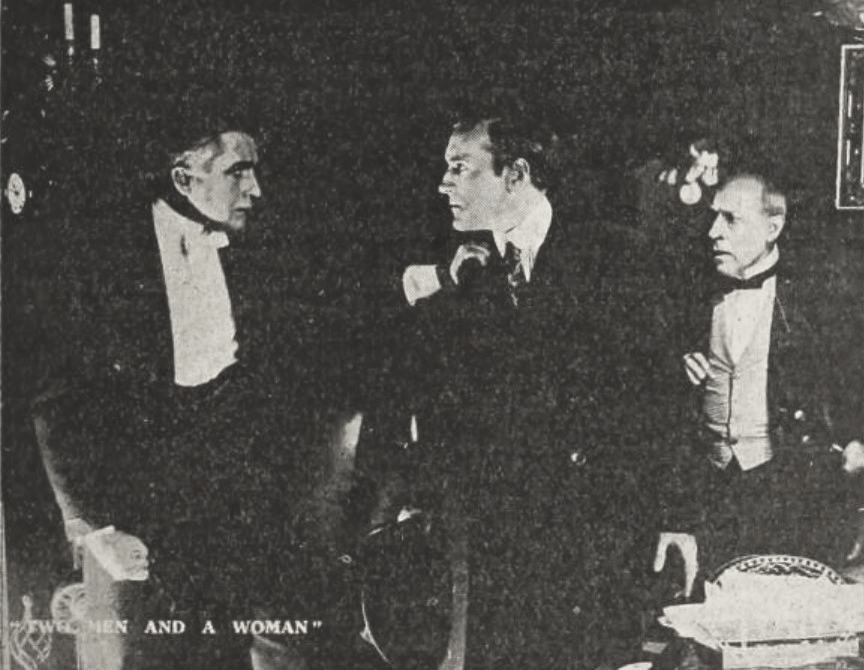
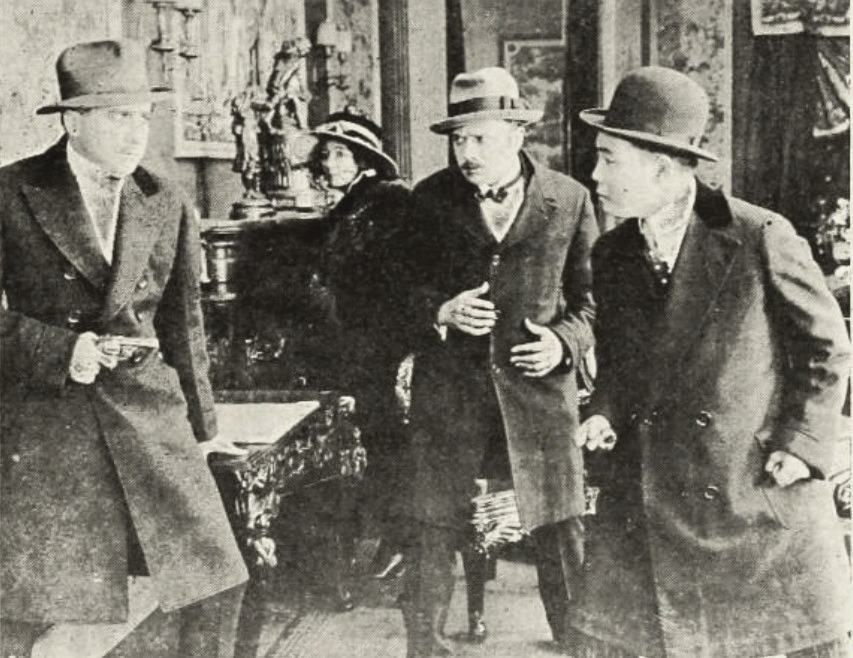
The narrative then deftly pivots, introducing a thrilling subplot involving industrial espionage. The theft of blueprints for Bruce's innovative diving bell by an emissary of a foreign government serves as a clever narrative device, not just to inject suspense, but to further test the bonds of loyalty and trust. The blame, unfairly cast upon Tony, showcases his youthful vulnerability and lack of worldly experience. This segment, while seemingly a departure, ultimately reinforces the central themes of sacrifice and protection. Bruce, ever the guardian, works tirelessly to clear Tony's name, demonstrating his unwavering commitment, a commitment that mirrors the steadfast loyalty seen in films like The Pinch Hitter, where characters go to great lengths to uphold honor and protect those they care for. The recovery of the plans is a momentary triumph, but it merely sets the stage for the true emotional climax.
Upon his return, Bruce is confronted with the manipulative machinations of Wanda, a character of questionable reputation, expertly played by Rubye De Remer, who threatens to expose Tony's supposed pre-marital promise of marriage unless she is paid off. This is where Bruce's self-sacrifice reaches its zenith. To shield Tony from scandal and to free him from a binding, potentially ruinous, commitment, Bruce orchestrates a devastating charade. He deliberately compromises his own standing, allowing Ethel to discover him in a seemingly compromising situation with Wanda. This act is not born of malice, but of a profound, almost biblical, love. It is a calculated immolation of his own reputation, a conscious choice to become the villain in Ethel's eyes, all for the sake of Tony's future. The emotional weight of this scene is immense, relying heavily on Morrison's ability to convey the inner turmoil of a man sacrificing everything he holds dear. This kind of selfless, reputation-damaging act for the sake of another's future echoes the tragic heroism found in stories like Madame Butterfly, where characters make ultimate sacrifices for love or perceived duty, often with devastating personal cost.
The fallout from this staged betrayal is immediate and impactful. Tony, finally jolted from his youthful innocence and self-absorption, is forced to confront the true depth of Bruce's sacrifices. Reinhardt's portrayal of Tony's dawning realization is critical here; he transitions from a somewhat oblivious young man to one grappling with profound guilt and gratitude. His rush to Ethel, confessing the truth of Bruce's actions, is the narrative's turning point, dismantling the carefully constructed facade of deceit. This revelation is not just about clearing Bruce's name; it is about Tony's maturation, his understanding of the complex, often painful, nuances of adult love and responsibility. It is a moment of profound recognition, both for Tony and for the audience, that true love is not always loud or demonstrative, but often quiet, enduring, and utterly selfless.
Ethel's reaction to Tony's confession is the culmination of her own emotional journey. The pieces of the puzzle finally fall into place, revealing the true mosaic of Bruce's affections. Her understanding is profound; she recognizes not just Bruce's love for her, but the immense, heartbreaking sacrifices he made to ensure her happiness, even at his own expense. This realization transforms her, allowing her to see Bruce not as an older guardian, but as the man who loved her with unparalleled devotion. Her decision to go to Bruce, to finally unite with him, is not a simple romantic resolution; it is a profound affirmation of a love that has withstood deception, self-sacrifice, and societal expectations. It signifies a triumph of true affection over manufactured circumstances, a testament to the enduring power of a love that, though silent for so long, proved to be the most potent of all. The ending is not merely a happy one; it is a deeply satisfying one, earned through a narrative rich in emotional depth and moral complexity.
'Two Men and a Woman' stands as a testament to the power of well-crafted melodrama. The writers, Dundas, Mack, and Humphrey, construct a plot that, while relying on familiar tropes, imbues them with genuine emotional weight. The pacing is deliberate, allowing the audience to fully immerse themselves in the characters' internal struggles and the gradual unveiling of their true motivations. The direction ensures that the emotional beats land effectively, drawing the viewer into the characters' dilemmas without resorting to excessive histrionics. The performances across the board are commendable, with James Morrison delivering a particularly memorable turn as the stoic, self-sacrificing Bruce. His ability to convey deep emotion through subtle expressions and restrained body language is a masterclass in silent film acting, a quality that elevates the entire production. The supporting cast, including Guy Coombs, Helen Arnold, and Yuka Yamakura, contribute effectively to the film's rich tapestry, each playing their part in the unfolding drama with conviction. The film's ability to maintain narrative coherence and emotional intensity across its various plot threads – from romantic entanglements to international intrigue – is a credit to its robust screenplay and thoughtful direction. It manages to integrate disparate elements into a cohesive whole, preventing the espionage subplot from feeling tacked on, instead making it an integral part of Tony's journey and Bruce's ultimate sacrifice. This narrative dexterity is a hallmark of strong storytelling, allowing the film to explore multiple facets of its characters' lives and the world they inhabit.
Compared to other films of its era, 'Two Men and a Woman' distinguishes itself through its nuanced exploration of self-sacrifice. While many melodramas focused on overt declarations of love or dramatic betrayals, this film delves into the quiet, often agonizing, acts of devotion that go unnoticed until a critical juncture. It shares thematic echoes with films like Shadows from the Past, where secrets and hidden truths ultimately come to light, reshaping perceptions and relationships. However, 'Two Men and a Woman' elevates the concept of a 'secret' to one of profound, selfless love, rather than mere deception. The intricate web of relationships and the moral quandaries faced by the characters also bear some resemblance to the complex interpersonal dynamics in O aniforos tou Golgotha, where characters navigate difficult paths of suffering and redemption. Yet, 'Two Men and a Woman' maintains a unique focus on the internal world of its protagonist, Bruce, making his struggle the central, most compelling element.
The film's exploration of duty versus desire is particularly potent. Bruce's unwavering commitment to Tony's welfare, even at the cost of his own happiness, paints a picture of a man driven by an almost archaic sense of honor. This theme, while prevalent in many period dramas, feels particularly acute here, as it directly impacts the romantic core of the story. The subtle societal pressures that might have influenced Bruce's belief that he was 'too old' for Ethel, or the expectations placed upon guardians, are woven subtly into the fabric of the narrative, providing a rich context for the characters' choices. It’s a film that asks profound questions about the nature of love: Is it always about possession, or can it be about liberation? Is it about personal gratification, or the well-being of the beloved? 'Two Men and a Woman' unequivocally champions the latter, presenting a vision of love that is both sacrificial and ultimately redemptive. It reminds us that sometimes, the greatest acts of love are those performed in silence, those that demand the most profound personal cost, and those that, in their ultimate unveiling, reveal the true depth of the human heart. The enduring power of this narrative lies in its ability to strip away superficial romantic notions and expose the raw, often painful, beauty of genuine devotion. It's a film that leaves a lasting impression, prompting reflection on our own relationships and the sacrifices we might be willing to make for those we hold dear. A truly captivating piece of cinematic history that continues to speak volumes about the human condition.
IMDb —
1929
Community
Log in to comment.