DbcultAccessing Vault...
5.5/10
Senior Film Conservator
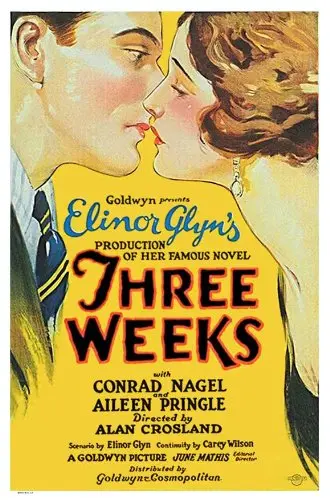
A definitive 5.5/10 rating for a film that redefined the boundaries of cult cinema. Three Weeks remains a cornerstone of transgressive art.
The Ephemeral Nature of Passion
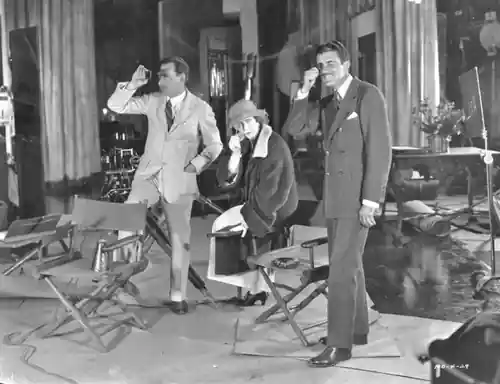
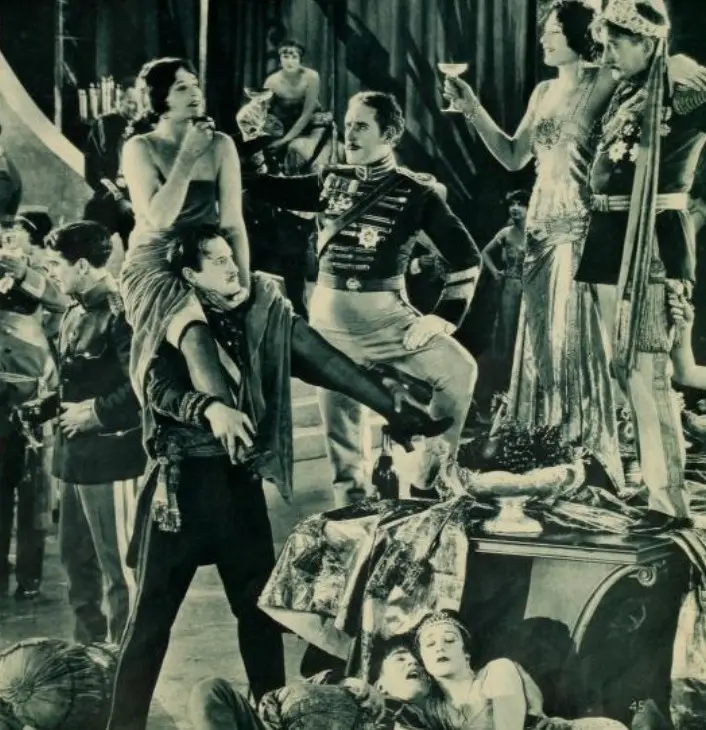
In the canon of silent cinema, few films have captured the essence of a torrid affair as succinctly as Three Weeks (1924). Directed by Alan Crosland Jr. and written by Carey Wilson and Elinor Glyn, this film presents a nuanced exploration of desire, deception, and the societal expectations that govern our lives. At its core, Three Weeks is a cinematic distillation of the human experience, where passion and propriety collide in a maelstrom of emotions.
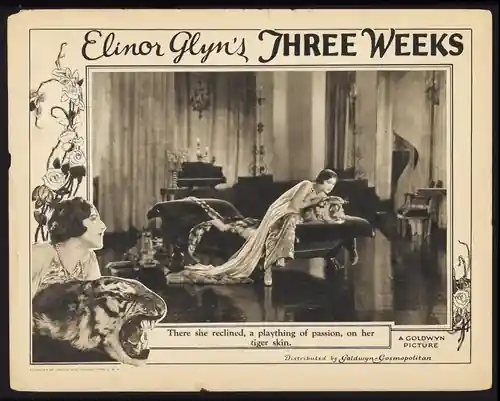
The narrative revolves around a young aristocrat, whose life is forever altered by his encounter with a mysterious woman. Their clandestine affair, though brief, lasting only three weeks, leaves an indelible mark on both characters. This fleeting romance serves as the fulcrum around which the film's exploration of love, lust, and societal expectations pivots. The protagonists, portrayed by Claire de Lorez and Conrad Nagel, imbue their characters with a palpable sense of longing, their on-screen chemistry crackling with an almost palpable intensity.
Cinematic Craftsmanship
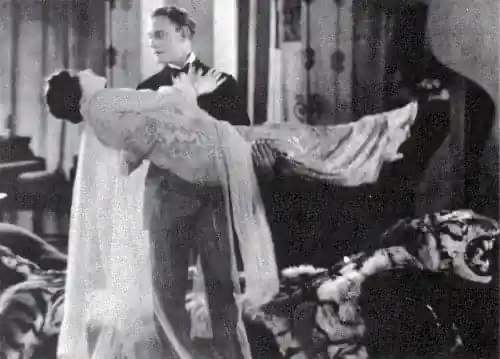
From a technical standpoint, Three Weeks showcases the artistic vision of its creators. The cinematography, characterized by a muted color palette, effectively captures the somber, reflective mood that pervades much of the film. The use of shadows and lighting serves to heighten the sense of drama and tension, underscoring the clandestine nature of the protagonists' affair. Though the film's technical aspects may seem rudimentary compared to contemporary standards, they contribute to the overall atmosphere of the film, immersing the viewer in the world of 1920s high society.
A Commentary on Society
Beyond its portrayal of a torrid affair, Three Weeks offers a scathing critique of the social conventions that govern our lives. The film's depiction of high society, with its rigid hierarchies and expectations, serves as a commentary on the stifling nature of these social norms. The protagonists' struggle to navigate these societal constraints, while maintaining their own desires and identities, resonates deeply with audiences. This theme is reminiscent of other films of the era, such as Partners Three (1923) and The Calendar Girl, which also explored the tensions between individual desire and societal expectation.
Performances and Direction
The performances in Three Weeks are noteworthy, with the cast delivering nuanced, emotionally resonant portrayals of their characters. Claire de Lorez and Conrad Nagel, in particular, shine in their respective roles, bringing a depth and complexity to their characters that is remarkable given the limitations of silent cinema. Alan Crosland Jr.'s direction is equally impressive, as he skillfully balances the film's themes of passion, deception, and societal expectation. His use of camera angles, lighting, and composition serves to heighten the emotional impact of the film, drawing the viewer into the world of the protagonists.
The influence of Three Weeks can be seen in a range of films that followed in its footsteps. For example, Out to Win and The Child of Paris also explored themes of love, deception, and societal expectation, albeit in different contexts. Similarly, films like William Voß. Der Millionendieb and Die weißen Rosen von Ravensberg share some of the same concerns with social class and status. These films, though not directly related to Three Weeks, demonstrate the enduring influence of the film's themes and motifs.
In conclusion, Three Weeks is a masterful exploration of the human experience, where passion and propriety collide in a maelstrom of emotions. This 1924 silent film, though over a century old, continues to resonate with audiences today, its themes of love, lust, and societal expectation remaining as relevant now as they were upon its initial release. With its nuanced performances, technically proficient craftsmanship, and scathing critique of social conventions, Three Weeks is a film that will leave a lasting impression on viewers. Its place within the broader cinematic landscape of the 1920s is well-deserved, and it remains a testament to the enduring power of silent cinema to captivate and inspire audiences.
IMDb 6.3
1930
Community
Log in to comment.