DbcultAccessing Vault...
7.2/10
Senior Film Conservator
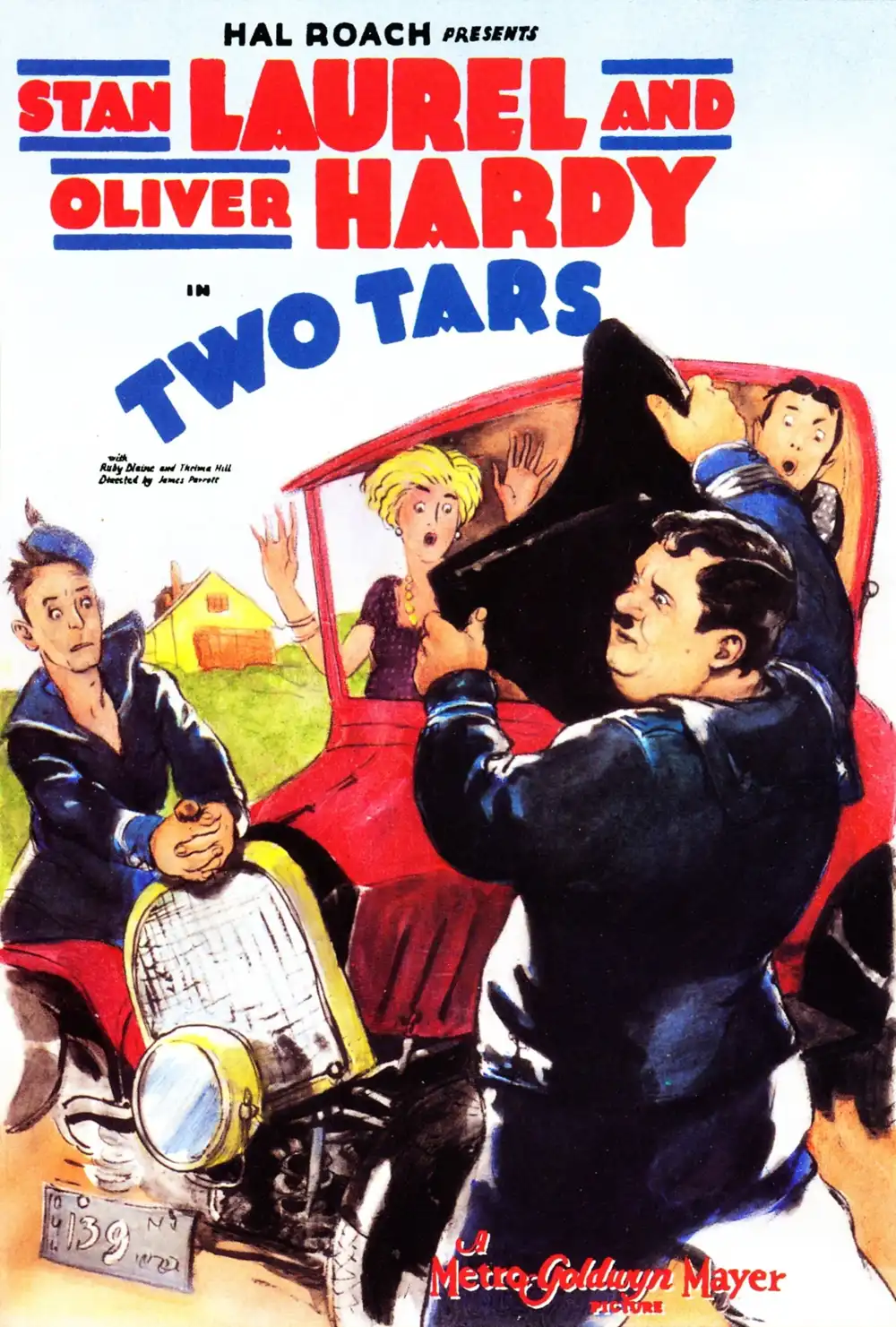
A definitive 7.2/10 rating for a film that redefined the boundaries of cult cinema. Two Tars remains a cornerstone of transgressive art.
“Two Tars,” one of Laurel and Hardy’s most enduring short comedies from 1928, remains a remarkably effective piece of pure slapstick chaos that absolutely warrants a watch today. For anyone with an appreciation for the meticulous art of physical comedy, the relentless escalation of a petty grievance, or simply the unparalleled chemistry of Stan Laurel and Oliver Hardy, this film is essential viewing. Those who find silent film pacing too slow, or slapstick humor too broad and repetitive, might struggle with its single-minded focus on destruction, but for its target audience, it’s a masterclass in comedic anarchy.
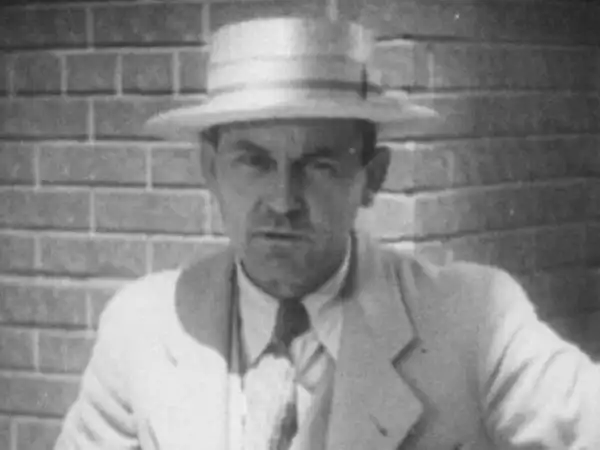
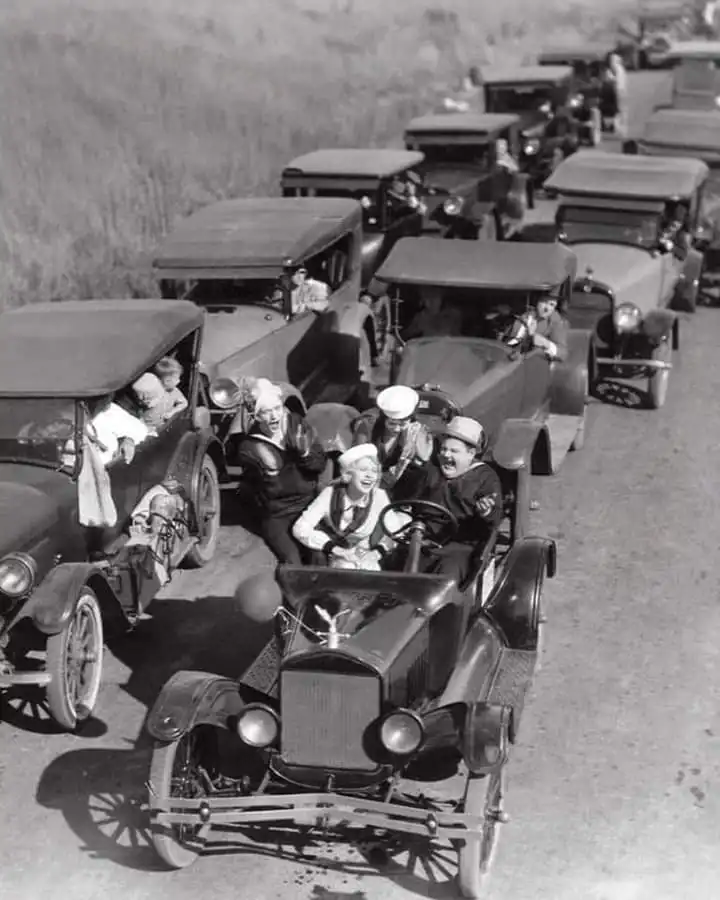
The premise of “Two Tars” is deceptively simple: a minor traffic incident at a rail crossing. Stan and Ollie, on shore leave with their dates, find their vehicle nudged. A simple request for compensation for a broken headlight quickly morphs into a tit-for-tat exchange of vandalism, drawing in every other motorist stuck in the traffic jam. The genius here lies in the rapid, almost surgical escalation. It’s not just random smashing; it’s a methodical, piece-by-piece dismantling of cars. What begins with a slashed tire quickly moves to a smashed headlight, then a broken windshield, then the systematic removal of doors, fenders, and even engines.
The film commits fully to its premise, showing a community of motorists devolving into primal, retaliatory destruction. The sheer number of vehicles and people involved, all contributing to the escalating chaos, is impressive. There’s a particular shot where a bystander, initially just watching, slowly, almost reluctantly, joins the fray by pulling a hubcap off a car, then looking around as if to confirm no one saw him. This small detail captures the infectious nature of the mayhem, making the audience complicit in the absurdity.
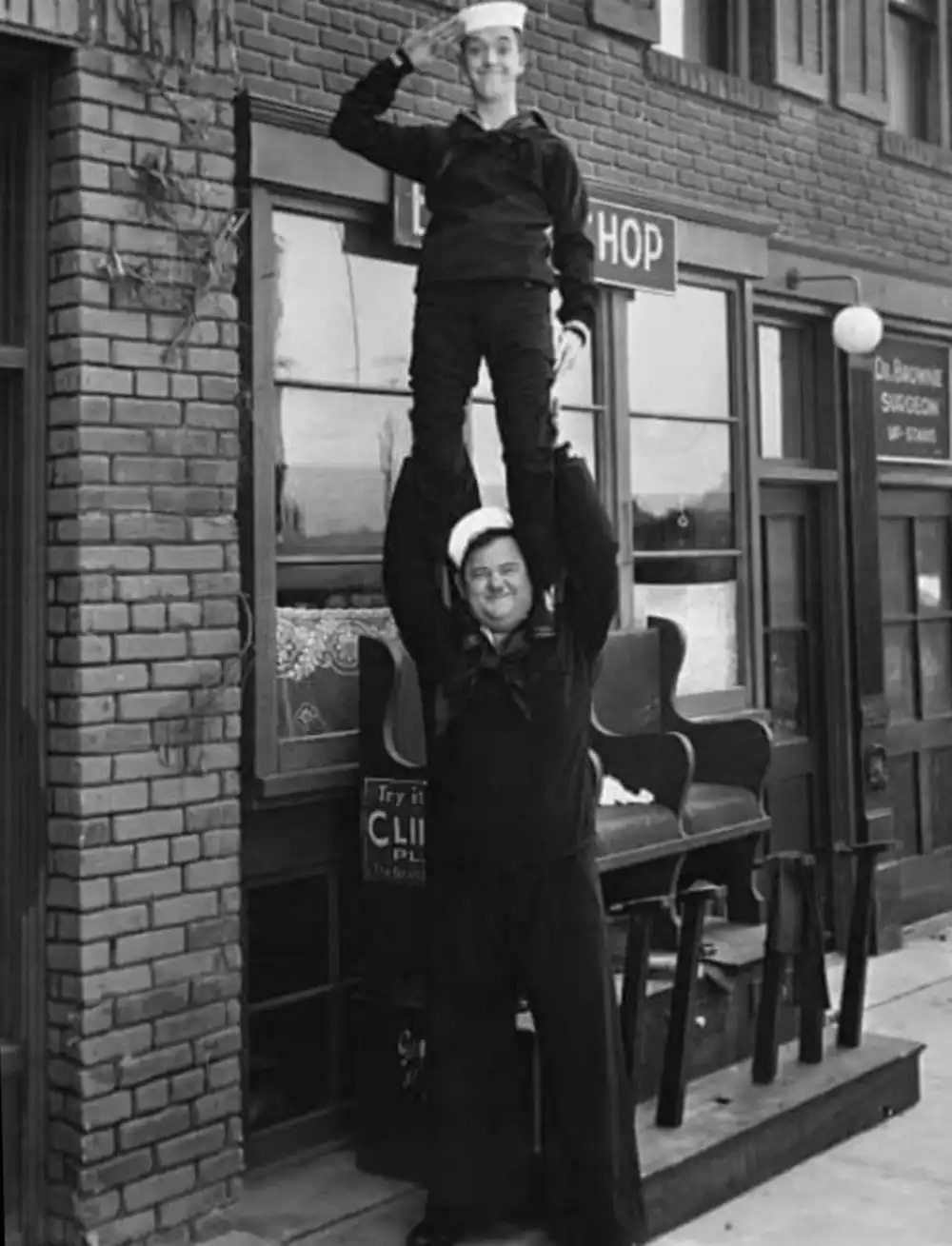
Stan Laurel and Oliver Hardy are, as always, the anchors of the chaos. Hardy starts as the more sensible, though easily exasperated, half of the duo. His initial attempts to negotiate for the headlight are quickly abandoned once the first act of retaliation occurs. From there, he descends into the same childish glee as Laurel, though often with a touch more indignation. Stan, meanwhile, is in his element. His wide-eyed innocence masks a mischievous, almost sociopathic delight in the destruction. He’s often the instigator of the most absurd acts, like when he calmly saws through a car’s convertible top, or meticulously removes a spark plug while others are smashing windows.
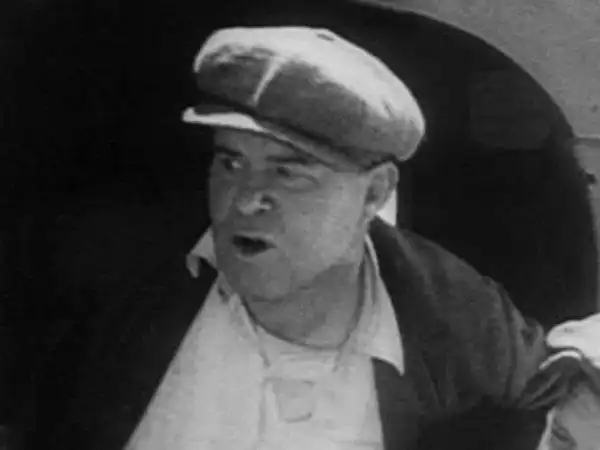
Their interaction with supporting players is equally crucial. Edgar Kennedy, a frequent foil, plays a frustrated motorist who gets the brunt of much of their early retaliation. His slow burn and escalating rage are perfect counterpoints to Stan and Ollie’s deadpan mischief. The women accompanying them, initially shocked, eventually join the fray themselves, albeit with less enthusiasm. This broadens the scope of the film’s commentary on how easily civility can break down.
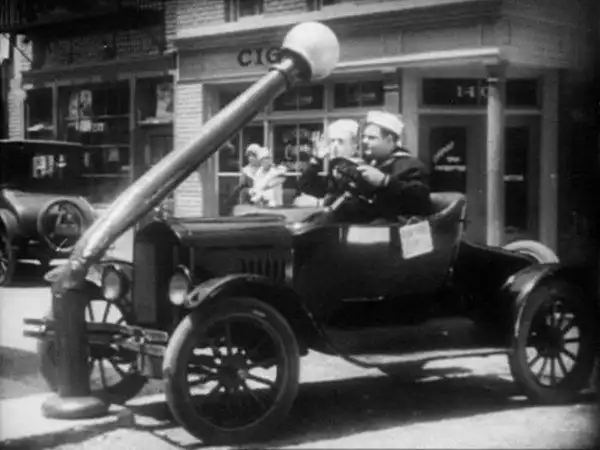
The visual style of “Two Tars” is entirely dedicated to showcasing the destruction. The cinematography is straightforward, relying on clear medium shots and wide frames to capture the expansive, destructive ballet. There are few fancy camera tricks, which grounds the escalating absurdity in a believable, if exaggerated, reality. The editing is brisk, particularly during the sequences of rapid-fire destruction, giving a sense of relentless momentum. Each act of vandalism is clearly visible, often with satisfyingly crunchy sound effects added in later theatrical releases (though not present in the original silent version, the visual impact remains).
One particularly memorable sequence involves Stan and Ollie systematically stripping a car down to its chassis. They work in tandem, almost like seasoned mechanics, but with destructive intent. Laurel might remove a tire while Hardy unbolts a door, only for them to swap and continue the demolition. This methodical approach to chaos is what elevates the film beyond simple slapstick; it’s a detailed, almost instructional guide to vehicular disassembly via petty grievance.
At just over twenty minutes, “Two Tars” maintains a blistering pace. There’s no real downtime once the conflict begins. The film understands its core gag—escalating destruction—and leans into it fully. The only slight break comes when a police officer attempts to intervene, only to be overwhelmed by the sheer scale of the chaos. This brief moment of authority being utterly impotent against collective madness is a quiet, effective comedic beat.
The film’s climax, with Stan and Ollie making their escape on a train, still snatching parts from a car stalled on the tracks, is a brilliant final flourish. It reinforces their commitment to the bit, even in retreat. This isn’t a film that attempts deep emotional resonance or complex character arcs; it’s pure, unadulterated physical comedy executed with precision and a gleeful disregard for property.
“Two Tars” is more than just a historical curiosity; it’s a vibrant, laugh-out-loud comedy that holds up remarkably well. It showcases Laurel and Hardy at the peak of their powers, demonstrating their unique ability to orchestrate and participate in large-scale mayhem with a consistent, distinct comedic voice. For anyone looking to understand the enduring appeal of silent-era slapstick, or simply in need of a good, cathartic laugh at an absurd breakdown of civility, this short is highly recommended. It’s a testament to the power of a simple idea executed flawlessly, proving that sometimes, the most sophisticated comedy can come from the most unsophisticated acts of destruction.
IMDb —
1918
Community
Log in to comment.