DbcultAccessing Vault...
Cult Review
Senior Film Conservator
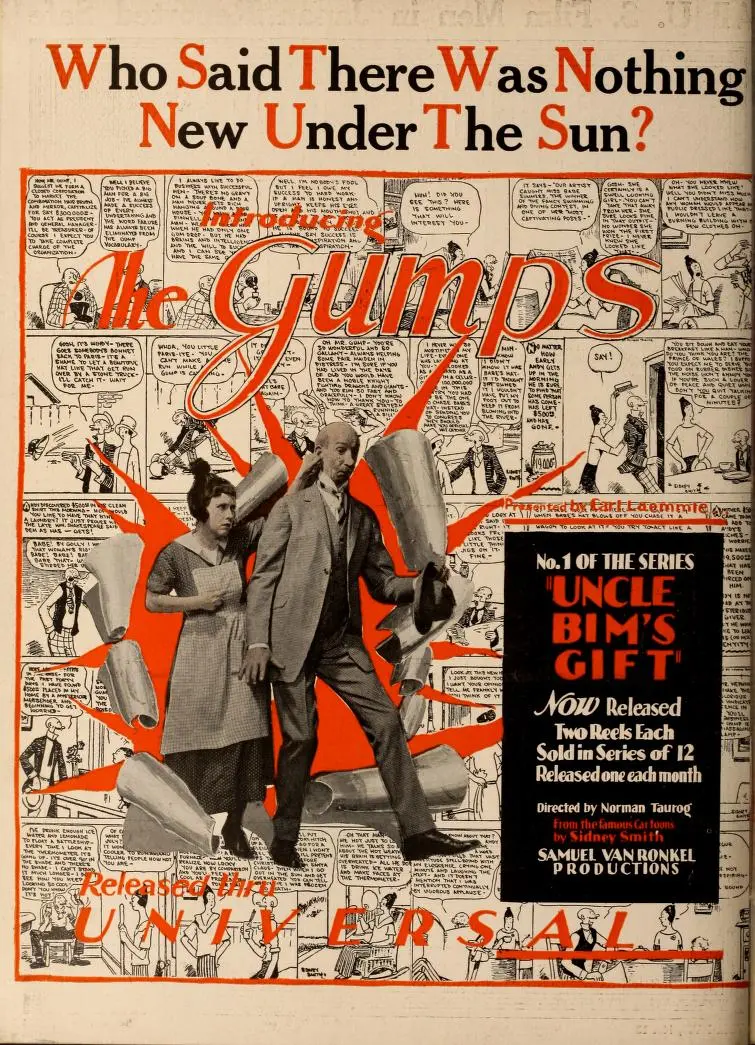
In the annals of early cinema, few narratives capture the precarious balance between human optimism and the harsh realities of urban deceit quite like Uncle Bim's Gifts. This silent-era production, driven by the keen insights of writer Sidney Smith, presents a compelling, if not heartbreaking, tableau of a man's swift descent from unexpected fortune to abject disillusionment. It is a film that, despite its vintage, resonates with an almost uncomfortable contemporary relevance, reflecting timeless anxieties surrounding financial vulnerability and the predatory underbelly of ambition. The premise, deceptively simple, unfurls a complex web of human nature: a generous inheritance, a naive recipient, and a cunning opportunist. It's a classic setup for a morality play, yet it's executed with a subtlety and a visual storytelling prowess that elevate it beyond mere didacticism.
The central figure, Andy, brought to life with an endearing, almost tragic, guilelessness by Mark Hamilton, embodies the archetypal innocent abroad. His sudden windfall of five thousand dollars from the eponymous Uncle Bim is presented not as a reward for shrewdness or hard work, but as an unearned boon, a gift from an unseen, benevolent hand. This very origin of his wealth sets the stage for his undoing. Andy's lack of experience in managing such a sum, coupled with a perhaps overly trusting disposition, makes him an immediate, glaring target for those who operate on the fringes of legitimate enterprise. The film, in its silent eloquence, masterfully conveys the weight of this sudden wealth – not as liberation, but as a burden for the unprepared, a beacon for the unscrupulous.
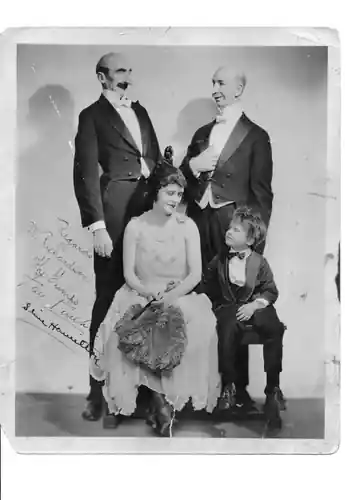
Enter the antagonist, the real estate shark, portrayed with chilling efficacy by Jack Morgan. Morgan's performance, relying entirely on physical presence, nuanced gestures, and the expressive power of his gaze, paints a portrait of pure, unadulterated avarice. He is not a mustache-twirling villain of melodrama, but a more insidious threat: a figure of calculated charm and ruthless efficiency. His methods are not brute force but psychological manipulation, preying on Andy's dreams of homeownership and stability. The shark represents the darker side of the burgeoning urban landscape, where the promise of prosperity often masked a labyrinth of deception. His ability to discern Andy's vulnerability and exploit it for personal gain speaks volumes about the societal anxieties of the era, where the rapid expansion of cities and markets created fertile ground for both genuine opportunity and elaborate swindles.
The transaction itself forms the narrative's tragic core. Andy, in his eagerness to secure a home, a symbol of stability and success, hands over his entire inheritance for a property that, in a cruel twist of fate, is not even legally the shark's to sell. This moment of exchange, devoid of dialogue, is laden with profound dramatic irony. The audience, privy to the impending deception, watches with a sense of dread as Andy seals his own misfortune. It’s a powerful testament to the visual storytelling capabilities of silent cinema, where a single glance, a hesitant gesture, or the rapid exchange of documents can communicate volumes of narrative weight. The film doesn't need words to scream the injustice; it simply shows it, allowing the audience to fill in the emotional blanks.

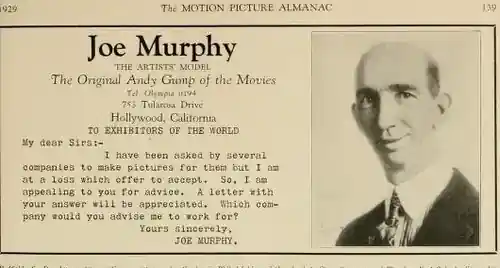
Sidney Smith's screenplay for Uncle Bim's Gifts demonstrates a keen understanding of comedic timing intertwined with dramatic tension. While the film leans into the tragic, there are undoubtedly moments of dark humor derived from Andy's escalating predicaments, a common characteristic of silent comedies that often found pathos in misfortune. Smith, a prolific writer of the era, crafts a narrative that is both economically paced and rich in character development, even within the confines of a shorter film format typical of the time. His ability to create distinct personalities for Andy, the shark, and the supporting players like Sadie Campbell, Joe Murphy, Fay Tincher, and Tiny Sandford, through action and reaction alone, is commendable. These characters, though perhaps archetypal, feel grounded in a recognizable reality, lending credence to the unfolding calamity.
The supporting cast, though given less screen time, contributes significantly to the film's texture. Sadie Campbell and Fay Tincher likely provide the emotional anchors or comedic foils, their reactions to Andy's plight or the shark's machinations adding layers to the narrative. Joe Murphy and Tiny Sandford, often known for their roles in various comedic shorts, would undoubtedly bring their seasoned expertise in physical comedy and expressive performance to their parts, ensuring that even the most minor interactions serve the larger story. Their collective efforts help to flesh out the world Andy inhabits, making his isolation and eventual realization of deception all the more stark.
The thematic resonance of Uncle Bim's Gifts extends far beyond its specific plot points. It serves as a potent commentary on the fragility of the American Dream when confronted with unchecked greed. The desire for homeownership, a cornerstone of stability, is here perverted into a tool for exploitation. This theme of ambition leading to moral compromise, or the exploitation of others' aspirations, finds echoes in other cinematic works of the period. For instance, the criminal enterprise depicted in Söhne der Nacht, 1. Teil: Die Verbrecher-GmbH, though on a grander scale, shares a similar undercurrent of calculated deception. Similarly, the thematic exploration of false pretenses and hidden agendas in films like The Masquerader highlights a recurring fascination with the thin line between appearance and reality, a line that the real estate shark in Uncle Bim's Gifts so expertly blurs.
The visual grammar of the film, typical of its era, relies on clear, functional cinematography, yet within these constraints, moments of genuine artistry emerge. The framing often emphasizes Andy's isolation or the shark's imposing presence. Close-ups would have been crucial for conveying the rapid shifts in emotion on the actors' faces, particularly for Mark Hamilton as Andy, whose journey from hopeful anticipation to crushing despair must be legible without spoken dialogue. The pacing, dictated by intertitles and the rhythm of the action, would have been carefully orchestrated to build suspense and deliver the emotional gut punch of the revelation. It's a testament to the skill of the filmmakers that such a straightforward plot can evoke such a strong empathetic response.
Comparisons to other films of the time further illuminate Uncle Bim's Gifts' place in cinematic history. The exploration of destructive ambition and the consequences of moral failings can be seen in films like False Ambition, which likely delved into similar psychological territories concerning yearning and downfall. While Uncle Bim's Gifts focuses on an external deception, the internal struggles and the societal pressures that lead characters down perilous paths are common threads. The film also indirectly touches upon themes of urban vs. rural innocence, a dichotomy sometimes explored in works like Where the Pavement Ends, though in Uncle Bim's Gifts, the urban setting itself is the crucible of Andy's misfortune, a place where the unwary are easily devoured.
The film's enduring power lies in its ability to tap into universal fears. Who hasn't, at some point, felt the pang of regret over a misguided decision or encountered someone whose intentions were less than honorable? Andy's plight, while specific to his circumstances, is broadly relatable. His desire for a home, a fundamental human aspiration, is exploited with ruthless efficiency, making his story a cautionary tale that transcends the specific economic context of the early 20th century. The narrative does not offer an easy resolution, nor does it shy away from the harsh consequences of Andy's vulnerability. This unflinching portrayal of reality, rather than a saccharine happy ending, grants the film a certain gravitas and authenticity.
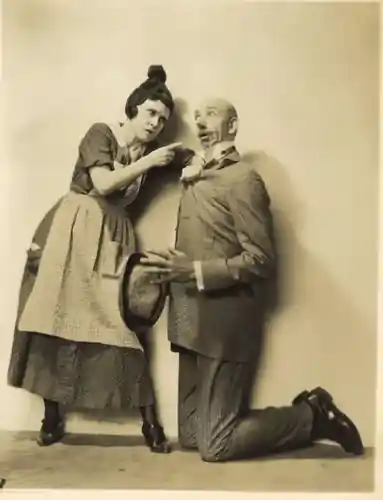
From a performance perspective, the ensemble, under the direction of Sidney Smith, works cohesively to bring this narrative to life. Mark Hamilton's portrayal of Andy is particularly noteworthy for its ability to elicit deep sympathy. He doesn't play Andy as unintelligent, but rather as trusting to a fault, a distinction that makes his downfall all the more tragic. Jack Morgan, as the real estate shark, provides the perfect foil, his cold calculation contrasting sharply with Hamilton's warmth. The interplay between these two central performances is what truly drives the film's emotional core, creating a palpable tension that keeps the audience invested despite the predictable outcome. The visual language employed, from the stark contrast in their demeanors to their physical interactions, speaks volumes without uttering a single word.
The legacy of Uncle Bim's Gifts, while perhaps not as widely celebrated as some of its more iconic silent contemporaries, is significant for its incisive social commentary and its effective use of the silent film medium to tell a compelling, character-driven story. It reminds us that storytelling, at its heart, is about human experiences – dreams, failures, deceptions, and the enduring struggle between good and ill intent. It’s a film that, through its modest premise and execution, manages to deliver a powerful message about vigilance, the dangers of unearned wealth, and the ever-present threat of those who would prey on the innocent. For anyone interested in the social history embedded within early cinema, or simply a well-crafted tale of human folly and cunning, Uncle Bim's Gifts remains a valuable and insightful watch.
The film stands as a quiet testament to the capabilities of early filmmakers to craft narratives that, even without the benefit of synchronized sound, could provoke thought, evoke emotion, and reflect the societal currents of their time. It's a snapshot of an era, yet its core themes are evergreen, continuing to resonate in a world still grappling with financial scams, the allure of quick wealth, and the perennial vulnerability of the trusting heart. The simplicity of its title belies the complexity of the human drama within, making Uncle Bim's Gifts a quiet but impactful piece of cinematic history, deserving of renewed attention and critical appreciation.
IMDb 7.5
1930
Community
Log in to comment.