DbcultAccessing Vault...
7.2/10
Senior Film Conservator
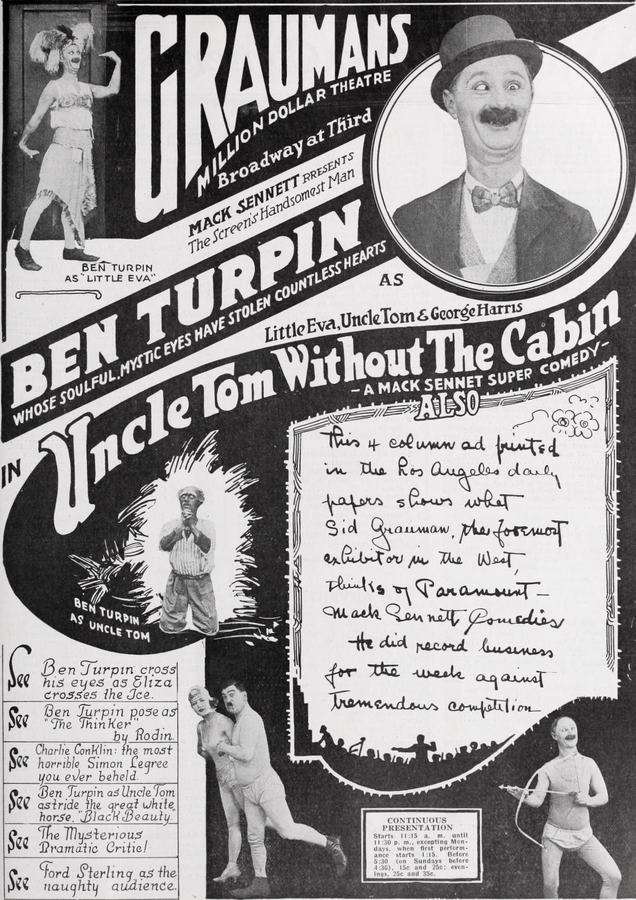
A definitive 7.2/10 rating for a film that redefined the boundaries of cult cinema. Uncle Tom Without a Cabin remains a cornerstone of transgressive art.
Stepping back into the hallowed, flickering halls of early cinema is always a journey into a surprisingly vibrant past. Among the myriad celluloid treasures, some gleam with an almost defiant eccentricity, demanding re-evaluation through contemporary eyes. Such is the case with Uncle Tom Without a Cabin, a title that immediately piques curiosity, hinting at both parody and a profound, albeit comedic, social commentary. Far from being a mere historical footnote, this silent era marvel, populated by a constellation of comedic talents, offers a fascinating glimpse into the nascent art of storytelling through visual gags and exaggerated emotion. It's a film that, despite its age, speaks volumes about the enduring human quest for belonging, albeit through a lens of uproarious slapstick and charming absurdity. Its very existence challenges the modern perception of silent films as dusty relics, revealing instead a dynamic, innovative, and often surprisingly poignant form of entertainment.
The film unfurls its narrative tapestry around the figure of Mr. Abernathy, a character brought to life with the inimitable, perpetually flustered charm of James Finlayson. Abernathy, a man whose heart is as expansive as his mustache, finds himself the unlikely patron of a disparate group of individuals, each a vibrant caricature of societal outcasts. They are the 'uncles and aunts' of the title, a collection of souls adrift, yearning for a fixed point, a 'cabin' in the metaphorical storm of life. This yearning isn't merely for shelter; it's a profound desire for community, for a place where their eccentricities are not just tolerated but celebrated. The plot, while seemingly simple, becomes a complex ballet of aspirations and frustrations, as Abernathy endeavors to secure a communal home for this motley crew, a task made exponentially difficult by their collective ineptitude and the external forces conspiring against them.
Central to the film's comedic engine is the relentless antagonism of Silas Slink, a character perfectly suited to Ford Sterling's brand of sneering, over-the-top villainy. Slink, a land speculator whose moral compass points firmly south, sees the communal aspirations of Abernathy's charges as nothing more than an opportunity for exploitation. His schemes, however, are consistently undermined by a delicious cocktail of his own ineptitude, the sheer chaotic force of Abernathy's 'family,' and the unpredictable interventions of fate. The ensuing cat-and-mouse game escalates into a series of increasingly elaborate chase sequences and visual gags, reminiscent of the frenetic energy found in other early comedies, perhaps even surpassing the relentless pace of a film like Timothy Dobbs, That's Me in its sheer audacity. The 'cabin' itself transforms from a simple structure into a symbol of collective hope, a tangible representation of the dreams of these otherwise forgotten individuals. Its pursuit becomes a quest not just for real estate, but for dignity and a sense of belonging in a world that often seems intent on denying it.
The ensemble cast is truly where Uncle Tom Without a Cabin shines, a testament to the collaborative spirit of silent comedy. James Finlayson, with his iconic 'double-take' and a face that could register a thousand shades of exasperation, anchors the film. His Abernathy is not a hero of grand gestures, but of weary resilience, a man constantly on the verge of collapse yet always finding the inner fortitude to continue his quixotic quest. His performance is a masterclass in subtle, yet deeply expressive, physical comedy, making his character instantly relatable despite the outlandish situations he finds himself in. He manages to convey a sincere benevolence that cuts through the slapstick, grounding the narrative in a genuine emotional core. One cannot help but root for his well-meaning, if perpetually beleaguered, efforts.
Then there's the delightful chaos brought by the likes of Billy Bevan and Ben Turpin. Bevan, with his boundless energy and capacity for acrobatic pratfalls, often serves as the catalyst for much of the film's physical comedy. His characters frequently find themselves in precarious positions, tumbling headlong into trouble with an infectious enthusiasm that is impossible to resist. Turpin, of course, is a genre unto himself. His cross-eyed gaze, a visual punchline in its own right, imbues his character, Barnaby, with an air of bewildered innocence that makes his every action, no matter how destructive, seem almost charmingly accidental. Together, Bevan and Turpin form a comedic duo whose antics are as unpredictable as they are hilarious, providing much of the kinetic energy that propels the film forward. Their interplay is a perfect example of how silent cinema could build complex comedic scenarios through purely visual means, often with a precision that belies the apparent spontaneity.
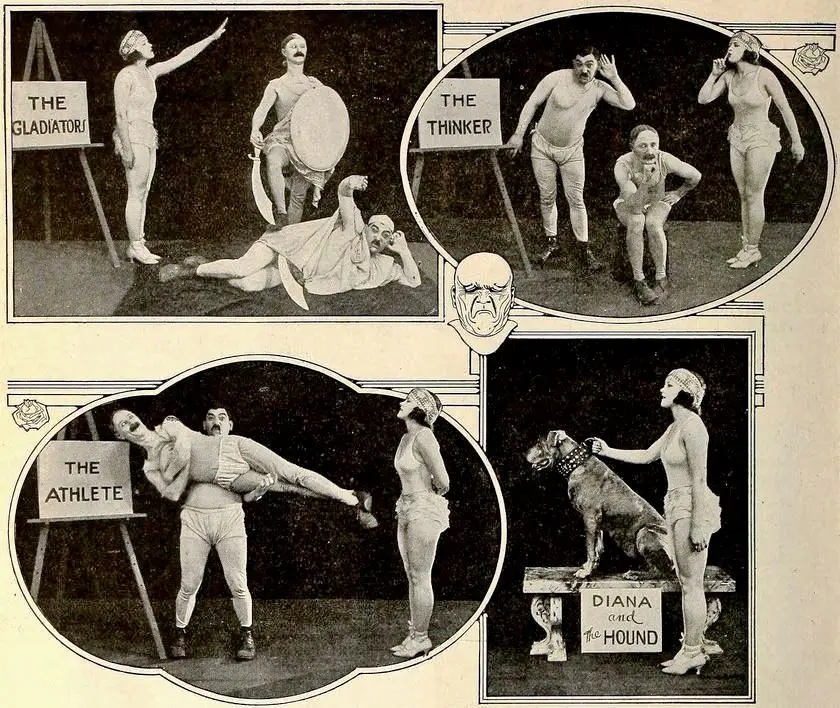
The female contingent of the cast, while perhaps given less overt slapstick, contributes significantly to the film's texture. Marie Prevost, often cast as the vivacious ingénue, brings a spark of romantic possibility or spirited defiance to the proceedings. Her presence elevates the film beyond mere farce, suggesting the deeper human connections at play. Kathryn McGuire, another prominent figure of the era, likely plays a similar role, adding grace and a touch of grounded reality amidst the escalating pandemonium. These actresses, with their expressive eyes and nuanced gestures, were crucial in conveying emotional depth in an art form reliant on visual storytelling. Eva Thatcher and Gladys Whitfield, likely portraying the more matriarchal or elder figures among the 'uncles and aunts,' provide a different kind of comedic foil. Thatcher, known for her stern but often comically bewildered expressions, probably serves as a voice of exasperated reason, or perhaps a source of unexpected physical comedy herself, further enriching the ensemble's dynamic. Their collective presence ensures that the 'family' feels genuinely diverse and multifaceted, each member contributing a unique flavor to the overall comedic stew.
No discussion of this film would be complete without acknowledging the invaluable contribution of Teddy the Dog. Animal actors in the silent era were often more than mere props; they were integral to the plot, capable of eliciting both laughter and genuine emotion. Teddy, with his apparent intelligence and impeccable comedic timing, likely serves as a crucial plot device, perhaps thwarting Slink's plans or even leading the 'family' to their elusive cabin. His presence adds an element of unpredictable charm, a reminder of the simpler, yet no less effective, special effects of the time. The interactions between the human characters and Teddy often provide some of the film's most heartwarming, and unexpectedly humorous, moments, demonstrating the universal appeal of animal companionship, even in the most chaotic of circumstances.
The direction, while uncredited in many historical records for such shorts, demonstrates a keen understanding of comedic timing and visual storytelling. The pacing is relentless, a hallmark of the era, ensuring that gags land with rapid succession, leaving little room for the audience to catch their breath. The use of exaggerated close-ups for emotional reactions, the meticulously choreographed chase sequences, and the reliance on physical comedy over dialogue are all expertly handled. The film's aesthetic is vibrant, even in its monochromatic glory, with clear compositions that allow the audience to follow the intricate movements of the large ensemble cast. The visual language is universal, transcending the need for spoken words, a testament to the power of pure cinematic expression. In this regard, it shares a certain kinetic energy with other contemporary works that prioritized action and visual spectacle, laying groundwork for future cinematic grammar.
The thematic resonance of Uncle Tom Without a Cabin extends beyond its comedic surface. The very title, a provocative re-imagining of a deeply significant literary work, suggests a subtle, perhaps even subversive, commentary on societal structures and the plight of the marginalized. While undoubtedly played for laughs, the underlying struggle for a home, for security, and for a place within society speaks to universal human experiences. This theme of seeking belonging, often against overwhelming odds, echoes in other films of the era, such as His Own People or The Weaker Vessel, though Uncle Tom Without a Cabin approaches it with a distinctly comedic, rather than dramatic, sensibility. The film, in its own playful way, holds a mirror up to the challenges of community building and the constant threat of those who would exploit vulnerability for personal gain.
Comparing it to other works, one might find parallels in the way it handles property disputes, albeit comically, to the more serious narratives explored in films like False Evidence, where the stakes are life and death. Here, the stakes are primarily comedic, yet the underlying tension of losing one's home remains palpable. The portrayal of strong female characters, even in supporting roles, who demonstrate agency and resilience amidst the male-driven chaos, might draw comparisons to the more overtly feminist narratives found in films such as The Wolf Woman or Eyes of Youth, suggesting a broader cultural shift in how women were depicted on screen. The film's ability to weave together multiple character arcs within a tight comedic framework is a testament to the sophisticated storytelling techniques that were already taking root in the silent era.
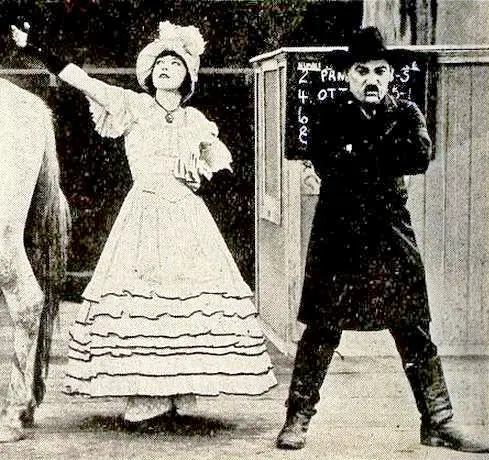
The sheer physical comedy, often spontaneous and improvised, showcases the incredible talent of these early performers. Kalla Pasha, known for his strongman routines, likely contributes some impressive feats of strength or comedic wrestling. John Rand and Isabelle Keith, though perhaps in smaller roles, would have added to the rich tapestry of character actors, each bringing their unique brand of silent era performance to the fore. John J. Richardson and Eddie Gribbon, seasoned veterans of countless shorts, would have seamlessly integrated into the chaotic ensemble, their experience evident in every well-timed pratfall or exaggerated gesture. Their collective artistry elevates the film from a simple series of gags to a finely tuned comedic symphony, where every instrument plays its part in creating a harmonious, if boisterous, whole.
In a broader historical context, Uncle Tom Without a Cabin stands as a prime example of the creative ferment of the silent era, a period of relentless experimentation and innovation. It captures the spirit of a time when cinema was still defining itself, drawing heavily from vaudeville and stage traditions, but rapidly developing its own unique grammar. Films like this, often overlooked in favor of more epic productions, are crucial for understanding the evolution of comedic storytelling and the development of character archetypes that would persist for decades. It's a snapshot of a particular moment in cinematic history, but one that reverberates with timeless themes and universal humor. Its audacious title alone makes it a conversation starter, a film that dares to be both irreverent and endearing, simultaneously a critique and a celebration of the human spirit.
Ultimately, Uncle Tom Without a Cabin is more than just a forgotten film; it's a vibrant, boisterous declaration of the enduring power of community, resilience, and laughter in the face of adversity. Its legacy lies not just in its historical significance, but in its ability to still elicit genuine chuckles and heartfelt empathy from modern audiences. For anyone interested in the foundational elements of screen comedy, the brilliant physicality of silent film stars, or simply a good, old-fashioned laugh, this is a film that deserves to be rediscovered and celebrated. It's a delightful reminder that sometimes, the most profound stories are told not with words, but with a well-timed pratfall, a knowing glance, and the collective yearning for a place to call home.
The silent era, often romanticized and sometimes misunderstood, was a crucible of creativity, forging the very language of cinema. Uncle Tom Without a Cabin embodies this spirit, showcasing the raw talent of performers who could convey complex emotions and elaborate narratives without uttering a single word. The film's charm lies in its unpretentious approach to storytelling, prioritizing visual dynamism and character-driven humor. It’s a testament to the ingenuity of early filmmakers who, with limited technology, managed to captivate audiences worldwide. This era, with its reliance on universal gestures and expressions, created a truly international art form, capable of transcending linguistic barriers. The physical comedy, often derived from vaudeville traditions, was elevated into a cinematic art, laying the groundwork for generations of comedians and filmmakers. The relentless pace and inventive gags of films like this were a direct response to the audience's hunger for novelty and excitement, pushing the boundaries of what was possible on screen. It’s a period that continues to inspire, reminding us that at its core, cinema is about movement, emotion, and the shared human experience.
One of the unsung heroes of silent comedy is often the ensemble cast, and Uncle Tom Without a Cabin is a shining example of this collaborative brilliance. Beyond the prominent figures like Finlayson and Turpin, every actor, from the smallest bit player to the most seasoned character performer, contributed to the film's vibrant tapestry. Heinie Conklin, known for his distinctively gruff demeanor and often playing authority figures or bumbling villains, likely adds another layer of comedic friction. His presence would have provided a counterpoint to the more manic energy of Bevan or the bewildered expressions of Turpin, creating a richer comedic palette. These actors, many of whom worked tirelessly across numerous productions, developed a unique shorthand, a shared understanding of comedic timing and visual language that allowed them to improvise and react with remarkable precision. This collective synergy is what makes these films so enduringly watchable; it's a masterclass in collaborative performance, where the whole truly is greater than the sum of its parts. Their ability to create distinct, memorable characters with minimal tools is a testament to their profound understanding of human nature and comedic craft. The subtle nuances in their expressions, the precise timing of their reactions, and their mastery of physical movement all contributed to a performance style that was both broad and deeply effective.
While primarily a comedy, the title Uncle Tom Without a Cabin undeniably carries a deeper resonance, hinting at the social consciousness that often subtly permeated silent cinema. The very concept of individuals 'without a cabin' speaks to themes of homelessness, displacement, and the search for security, concerns that were very real in the rapidly industrializing early 20th century. While not overtly political, the film, through its comedic lens, allows audiences to engage with these serious issues in a palatable way. It's a form of gentle satire, using humor to highlight societal inequalities and the struggles of the common person. This approach is not unique to this film; many silent comedies, despite their outwardly frivolous nature, often contained pointed social observations. Think of Chaplin's poignant critiques of industrialization, or Keaton's existential struggles against an indifferent world. This film, in its own way, participates in this tradition, using the universal language of laughter to explore the very human desire for a place to call one's own. It’s a testament to the versatility of the medium that it could simultaneously entertain and provoke thought, even if subtly. This dual function allowed these films to resonate on multiple levels, appealing to both the desire for escapism and the deeper need for reflection on the human condition.
IMDb 6.1
1925
Community
Log in to comment.