DbcultAccessing Vault...
Cult Review
Senior Film Conservator
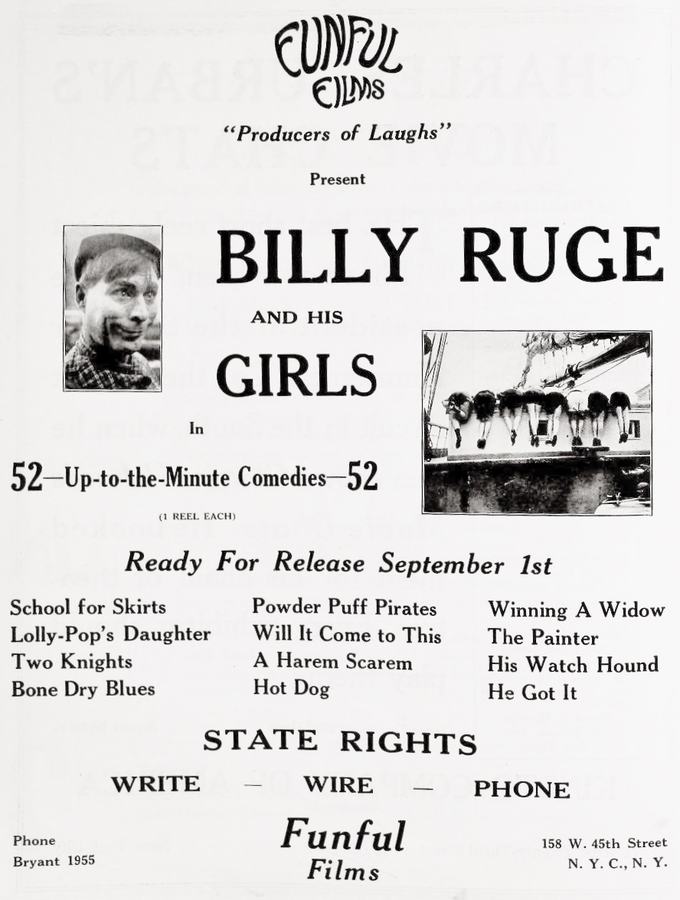
The film He Got It presents a unique blend of humor and tension, as the protagonist, Billy, navigates a precarious situation in a remote, rocky woodland. The story takes an intriguing turn when Billy is mistaken for a sheriff by a group of hillbillies, who are predominantly chorus girls dressed in short, ragged costumes, accompanied by a tall, unattractive girl with supposedly humorous knees. The group's leader, a large, hairy, fat man, seeks to shoot Billy, thus initiating a potentially explosive confrontation.
As the narrative unfolds, the audience is introduced to a cast of characters that add to the complexity and intrigue of the story. The leader of the hillbillies, with his imposing physique and menacing demeanor, serves as a formidable antagonist, while the chorus girls and the tall, unattractive girl contribute to the film's comedic elements. The character of Billy, played by Billy Ruge, is skillfully portrayed as a resourceful and determined individual, who must rely on his wits to extricate himself from the perilous situation.
The screenplay, written by Tom Bret, demonstrates a keen sense of pacing and plot development, as the story seamlessly transitions between moments of humor and tension. The dialogue is crisp and engaging, with each character's voice and personality shining through in their interactions. The film's setting, a remote, rocky woodland, adds to the sense of isolation and vulnerability, heightening the stakes and creating a sense of urgency.
In comparison to other films, such as Romance and Dynamite and Man's Woman, He Got It stands out for its unique blend of humor and tension. The film's lighthearted moments, often generated by the chorus girls and the tall, unattractive girl, serve as a counterbalance to the more intense scenes, creating a sense of balance and harmony. This delicate balance is reminiscent of films like The Husband Hunter and A Woman in Grey, which also explore themes of identity and deception.
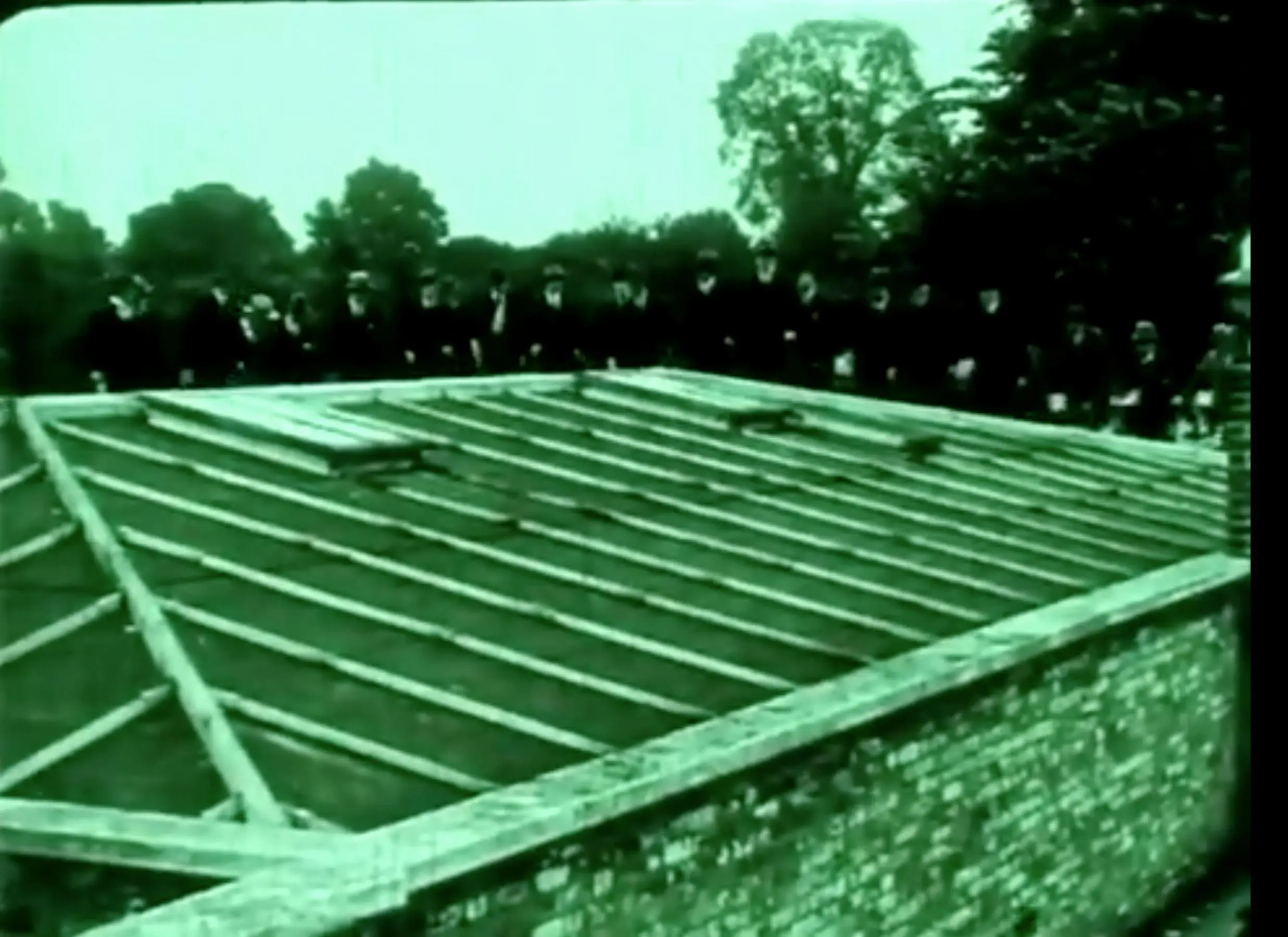
The film's use of color and lighting is noteworthy, with the dark, muted tones of the woodland setting juxtaposed with the vibrant, colorful costumes of the chorus girls. This visual contrast adds to the overall aesthetic of the film, creating a sense of depth and texture. The cinematography is equally impressive, with the camera capturing the rugged beauty of the woodland and the expressive performances of the cast.
The themes of identity and deception are central to the narrative of He Got It, as Billy navigates the complex web of relationships and alliances within the group of hillbillies. The film raises important questions about the nature of identity and how it is perceived by others, as well as the consequences of deception and mistaken identity. These themes are also explored in films like Sacred Silence and A Black Sheep, which also examine the complexities of human relationships and the consequences of deception.
In terms of its place within the broader cinematic landscape, He Got It can be seen as part of a tradition of films that explore themes of identity, deception, and the human condition. Films like Monsieur Lecoq and The Book Agent also examine these themes, albeit in different contexts and with varying degrees of complexity. The film's unique blend of humor and tension, however, sets it apart from other films in this tradition, making it a standout example of cinematic storytelling.
The supporting cast of He Got It adds to the richness and diversity of the film, with each character bringing their own unique perspective and personality to the narrative. The film's exploration of themes such as identity, deception, and the human condition is both nuanced and thought-provoking, inviting the audience to reflect on the complexities of human relationships and the consequences of our actions. As the story unfolds, the audience is drawn into a world of intrigue and suspense, where the boundaries between reality and deception are constantly blurred.
The cinematography of He Got It is equally impressive, with the camera capturing the rugged beauty of the woodland setting and the expressive performances of the cast. The use of lighting and color is also noteworthy, with the dark, muted tones of the woodland setting juxtaposed with the vibrant, colorful costumes of the chorus girls. This visual contrast adds to the overall aesthetic of the film, creating a sense of depth and texture that draws the audience into the world of the story.
In comparison to other films, such as The Fringe of Society and The Taint, He Got It stands out for its unique blend of humor and tension. The film's lighthearted moments, often generated by the chorus girls and the tall, unattractive girl, serve as a counterbalance to the more intense scenes, creating a sense of balance and harmony. This delicate balance is reminiscent of films like The Cop and A Gentleman from Mississippi, which also explore themes of identity and deception.
The film's exploration of themes such as identity, deception, and the human condition is both nuanced and thought-provoking, inviting the audience to reflect on the complexities of human relationships and the consequences of our actions. As the story unfolds, the audience is drawn into a world of intrigue and suspense, where the boundaries between reality and deception are constantly blurred. The film's use of symbolism and metaphor adds to the richness and depth of the narrative, creating a sense of complexity and layers that rewards close attention and multiple viewings.
In conclusion, He Got It is a film that defies easy categorization, blending elements of comedy, drama, and suspense to create a unique and captivating cinematic experience. The film's exploration of themes such as identity, deception, and the human condition is both nuanced and thought-provoking, inviting the audience to reflect on the complexities of human relationships and the consequences of our actions. With its talented cast, impressive cinematography, and thought-provoking narrative, He Got It is a must-see for fans of cinema and anyone looking for a film that will challenge and engage them.
The film's influence can also be seen in other works, such as The Young Lady and the Hooligan and The Hidden Scar, which also explore themes of identity and deception. The film's use of symbolism and metaphor adds to the richness and depth of the narrative, creating a sense of complexity and layers that rewards close attention and multiple viewings. As the audience reflects on the film's themes and messages, they are invited to consider the broader implications of the story and its relevance to their own lives and experiences.
Ultimately, He Got It is a film that will linger in the minds of audiences long after the credits have rolled. Its thought-provoking themes, memorable characters, and impressive cinematography make it a standout example of cinematic storytelling. As the film's influence continues to be felt in the world of cinema, it is clear that He Got It is a work of enduring significance and importance, one that will continue to captivate and inspire audiences for generations to come.
In the final analysis, He Got It is a film that is both a product of its time and a work of timeless significance. Its exploration of themes such as identity, deception, and the human condition is both nuanced and thought-provoking, inviting the audience to reflect on the complexities of human relationships and the consequences of our actions. As the audience reflects on the film's themes and messages, they are invited to consider the broader implications of the story and its relevance to their own lives and experiences. With its talented cast, impressive cinematography, and thought-provoking narrative, He Got It is a must-see for fans of cinema and anyone looking for a film that will challenge and engage them.
The film's legacy can also be seen in its influence on other works, such as Her Husband's Honor, which also explores themes of identity and deception. The film's use of symbolism and metaphor adds to the richness and depth of the narrative, creating a sense of complexity and layers that rewards close attention and multiple viewings. As the audience reflects on the film's themes and messages, they are invited to consider the broader implications of the story and its relevance to their own lives and experiences.

IMDb 6.3
1931
Community
Log in to comment.