DbcultAccessing Vault...
6.9/10
Senior Film Conservator
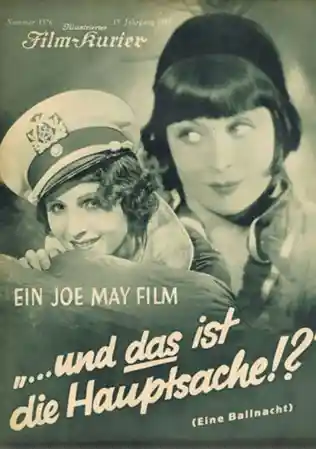
A definitive 6.9/10 rating for a film that redefined the boundaries of cult cinema. ...und das ist die Hauptsache!? remains a cornerstone of transgressive art.
Alright, so is ...und das ist die Hauptsache!? worth digging up today? Well, if you’re into older German cinema, or just curious about how relationship dramas played out before all the Hollywood gloss, then maybe. It’s definitely not for everyone. Folks who need constant action or super tidy storylines will probably find it a bit slow or even confusing.
It’s a peculiar film, really. The title itself, which translates to "...and that's the main thing!?", kinda gives you a hint that things aren't going to be entirely straightforward. Or maybe it’s just German irony.
The whole thing kicks off with a bang, or more accurately, a whimper of a marriage ending. Our man takes his wife to a loud Berlin nightclub, which, *come on*, is just about the worst place to tell someone you want a divorce. The sheer awkwardness of that scene just hangs in the air. You can almost feel the other patrons side-eyeing them, or maybe that’s just my modern brain projecting. 🙄
And then he just… leaves. With another girl. It’s a pretty brutal exit, to be honest. Toni Tetzlaff, playing the wife, really sells that specific brand of humiliated fury. You see her face, and you just know a plan is forming. A bad plan.
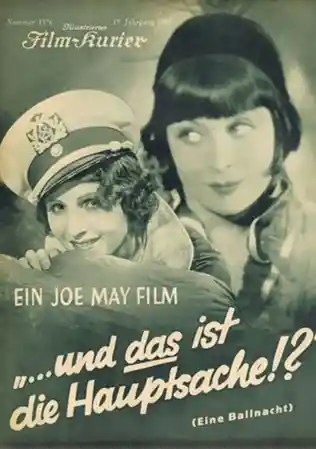
So, what does an angry, abandoned woman do in a 1930s Berlin nightclub? She picks up a handsome stranger, of course. Nora Gregor, as the wife, has this fantastic way of switching from hurt to *determined* in a blink. Her chemistry with the young nobleman, played by Harry Liedtke, is immediate but also feels a little forced, like she’s trying too hard to prove a point.
This "nobleman" guy, though. He’s a little too smooth, right from the start. You get this tiny flicker in his eyes, almost like he’s running a calculation. And wouldn't you know it, he turns out to be an international con man. Not exactly a shocking twist, but it does add a certain desperate edge to the wife’s rebound.
The scene where he drugs her drink and snatches her jewelry is quick. It feels almost like a speed bump in the story rather than a huge dramatic moment. Then, conveniently, the police are right there. Like, *right there*. They’d been tracking him. It feels a bit like the writers needed a quick way out of a jam. Or maybe the Berlin police were just *really* efficient back then. 🚓
Meanwhile, the husband is off somewhere, probably feeling pretty pleased with himself, only to suddenly start having second thoughts. The timing is just exquisite. As soon as things go sideways for his ex, he’s like, "Wait, did I mess up?" Fritz Odemar, as the husband, does this great job of looking vaguely concerned. Not panicked, just… mildly inconvenienced by his conscience.
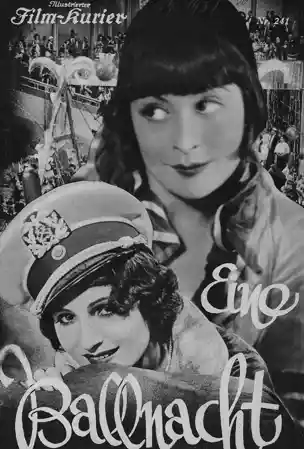
The movie doesn't dwell too long on any one emotion. It moves pretty fast for its age. There’s a lot of running around, a bit of comedic confusion. It’s not a deep character study, but more of a brisk jaunt through a very complicated night.
One small thing I noticed: the way the nightclub extras just sort of *exist* in the background. They’re there, but they don't really react to anything dramatic happening. It makes the main characters feel very isolated, even in a crowded room.
Is it a comedy? A drama? It straddles the line in a way older films often did. The stakes feel high for the characters, but the overall tone suggests we shouldn't take it *too* seriously. The ending, without giving anything away, leaves you with that titular question mark. Was all this really "the main thing"?
It’s a fun watch if you’re in the mood for something a bit different, a little rough around the edges, but still charming in its own way. Don't go in expecting slick modern filmmaking. Go in for the messy human drama. And the wonderfully period Berlin vibes. ✨
IMDb 6.3
1912
Community
Log in to comment.