DbcultAccessing Vault...
4.3/10
Senior Film Conservator
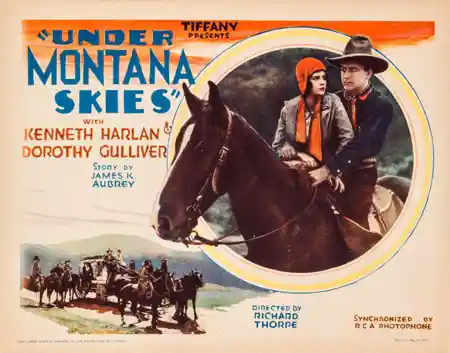
A definitive 4.3/10 rating for a film that redefined the boundaries of cult cinema. Under Montana Skies remains a cornerstone of transgressive art.
If you have an hour to kill and you love the sound of hissing film grain, you should probably give Under Montana Skies a look. It is a movie for people who miss the days when heroes were simple and the audio sounded like it was recorded inside a metal bucket.
If you hate slow-moving plots or movies where everyone talks like they are shouting at a wall, you will definitely want to skip this one. It’s a very specific vibe from 1930 that isn't for everyone. 🌵
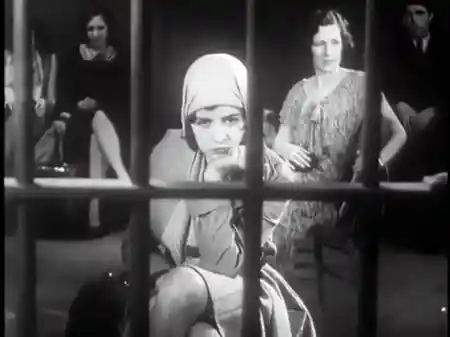
The story kicks off with Clay, played by Kenneth Harlan, finding a musical troop that got themselves thrown in the local jail. It’s one of those weirdly convenient movie moments where the hero just happens to have the heart (and the cash) to help out a bunch of strangers.
I found the jail scene pretty funny, mostly because the "troupe" looks so out of place in a dusty western town. They look like they wandered off the set of a fancy Broadway show and got lost in the dirt.
Slim Summerville is in this, and honestly, his face is the best part of the whole movie. He has this droopy, tired look that makes every scene he’s in feel a little bit more human and a lot less scripted.
The movie spends a lot of time on the actual musical part of the story. They need to raise money, so they put on a performance, which is basically an excuse for the filmmakers to show off that they can record sound now. 🎶
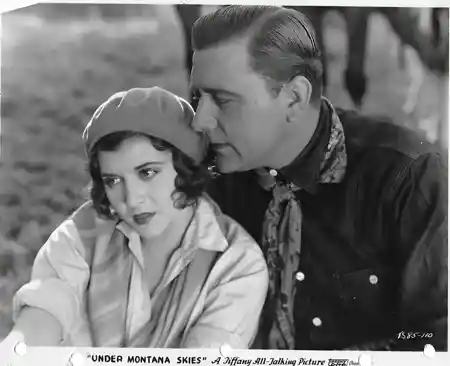
This isn't as polished as something like Dream Street, but it has a clunky charm. You can tell the actors are still figuring out where the microphones are hidden on the set.
There is one shot during the musical number where the camera just stays on a dancer’s feet for way too long. It feels like the cameraman fell asleep or maybe they just really liked those shoes. 👞
Then the robbery happens. Blake and his guys decide the box office is an easy target, and suddenly the movie turns from a variety show into a high-stakes chase.
The transition is jarring, to be honest. One minute there is singing, and the next, everyone is scrambling for their horses and shooting into the air.
I noticed that the horses actually seem like better actors than some of the background townsfolk. Some of the extras just stand there looking at the camera like they are waiting for lunch to be served.
The chase scenes are filmed in that classic, shaky way where you can almost feel the dust hitting the lens. It reminds me of the energy in Scotty of the Scouts, though maybe a bit more serious in its tone.
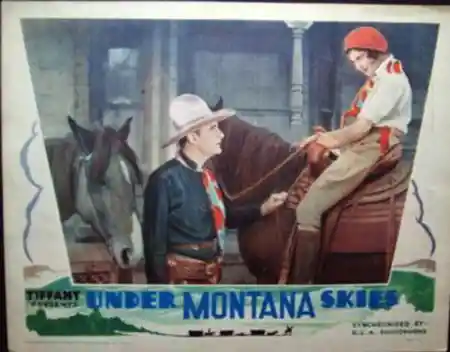
Kenneth Harlan is okay as Clay, but he has this very stiff way of moving. He’s like a statue that someone taught how to ride a horse and fire a gun. 🔫
The villain, Blake, played by Charles King, is your standard mustache-twirling bad guy. He doesn't have much of a motive other than "I want that box office money," which I guess is enough for a 60-minute movie.
I found myself wondering why the town didn't have better security for a big show like that. They just let a bunch of guys ride up and grab the cash while everyone was watching the singing? It’s a bit silly if you think about it too hard.
There are moments where the dialogue just cuts out or gets really muffled. That’s the problem with these 1930 films; the tech was just barely keeping up with the ideas. It’s not quite as weird as the atmosphere in The Unholy Night, but it’s close.
The ending feels like it happens in about three minutes. Clay goes after Blake, there’s some shouting, and then... it’s just over. 🐎
It doesn't have the emotional weight of Thieves, but it’s not trying to be a deep drama. It’s just a Saturday afternoon distraction that probably played well in small-town theaters back in the day.
I did like the scenery, though. Even in grainy black and white, those big Montana skies (or wherever they actually filmed it in California) look massive and lonely.
One weird thing—the way they keep mentioning the "musical troop" instead of just calling them actors or singers. It makes them sound like a military unit that only knows how to play the banjo.
If you've seen a lot of early Westerns, this won't surprise you. But if you’re new to the 1930s era, the awkward silences between lines might make you think your speakers are broken.
It’s a rough movie, but I kind of liked how honest it felt. No one was trying to win an Oscar here; they were just trying to finish the scene before the sun went down.
Don't expect much from the script by Jimmy Aubrey and Bennett Cohen. It feels like it was written on a napkin during a lunch break, but sometimes that’s all you need for a horse opera.
Check it out if you’re a completionist or just bored. It’s better than sitting in silence, I guess. 🎬
IMDb —
1916
Community
Log in to comment.