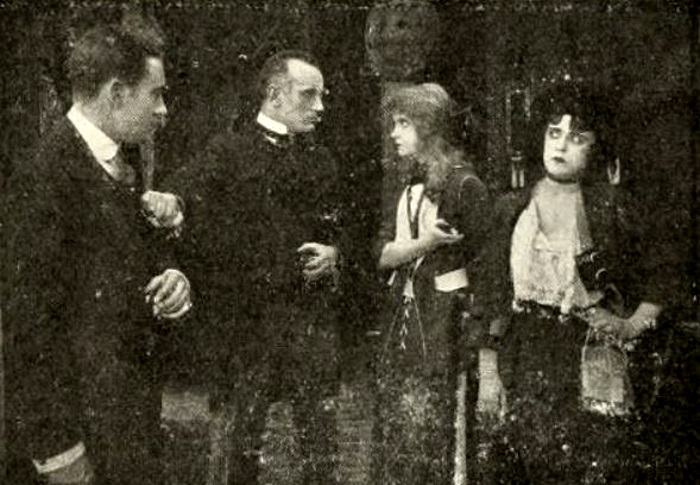
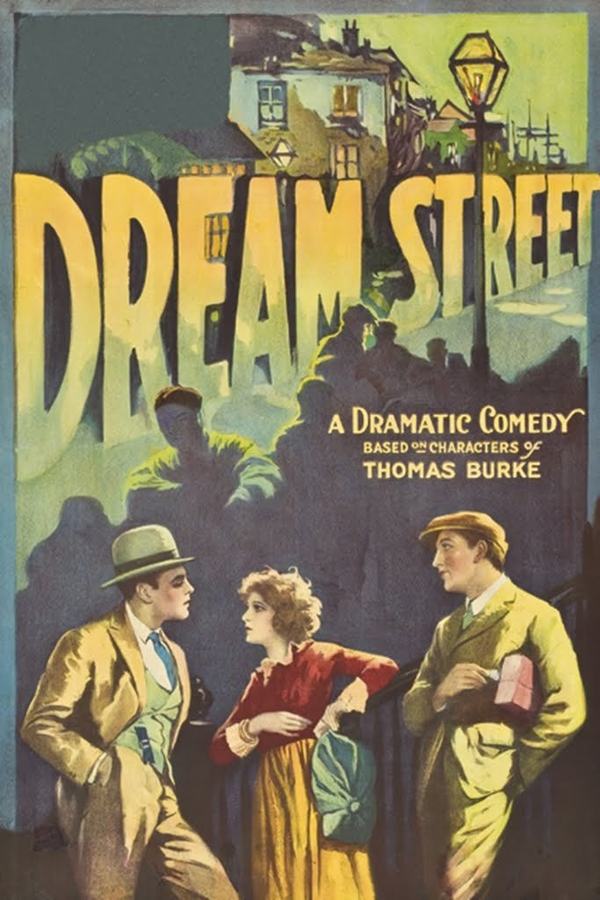
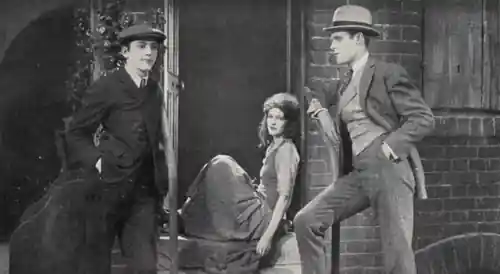
Three men in London compete for the love of a dance-hall girl..
A nocturne soaked in bootleg gin and nitrate glow Dream Street is not a street at all—it is a cul-de-sac of the mind, a dead-end where Griffith parks his obsessions and sets them alight. The film begins with a close-up of a coin spinning on varnished wood; the camera looms so near we can read the year 1921 stamped on ...
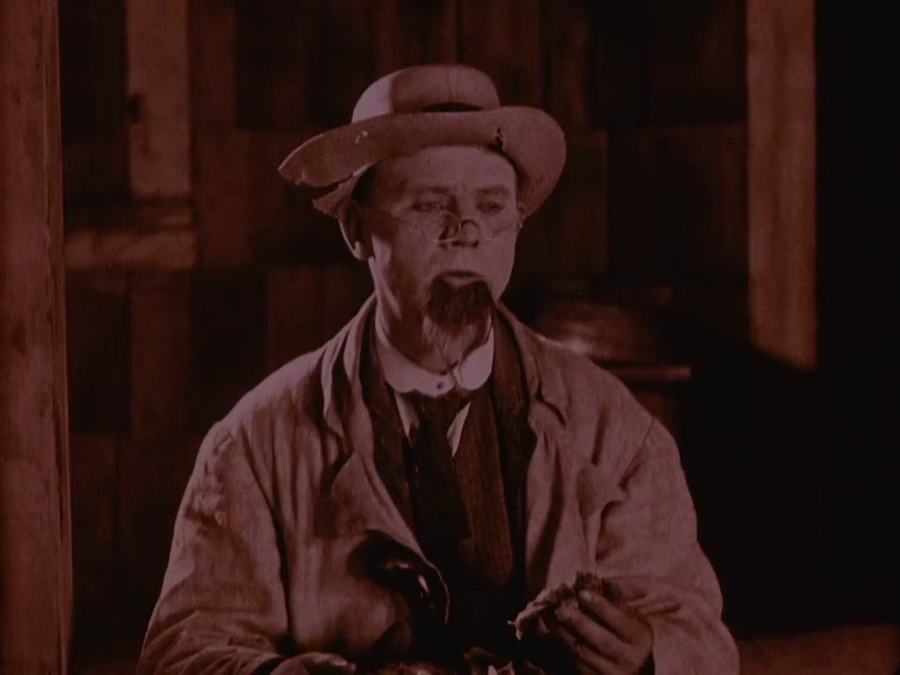
still_frame
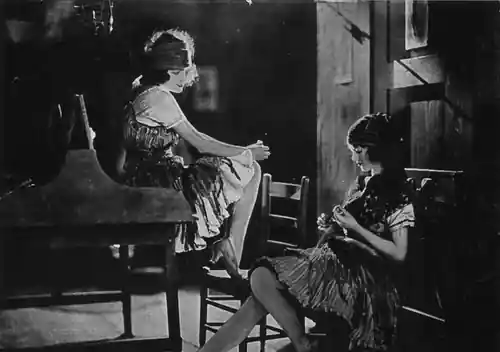
still_frame
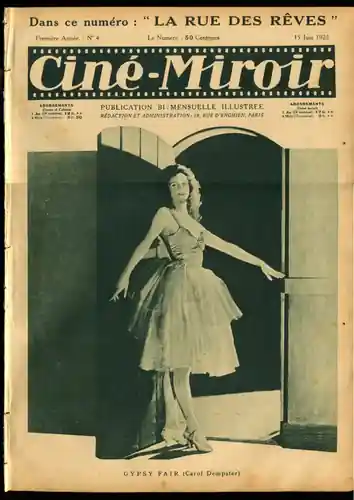
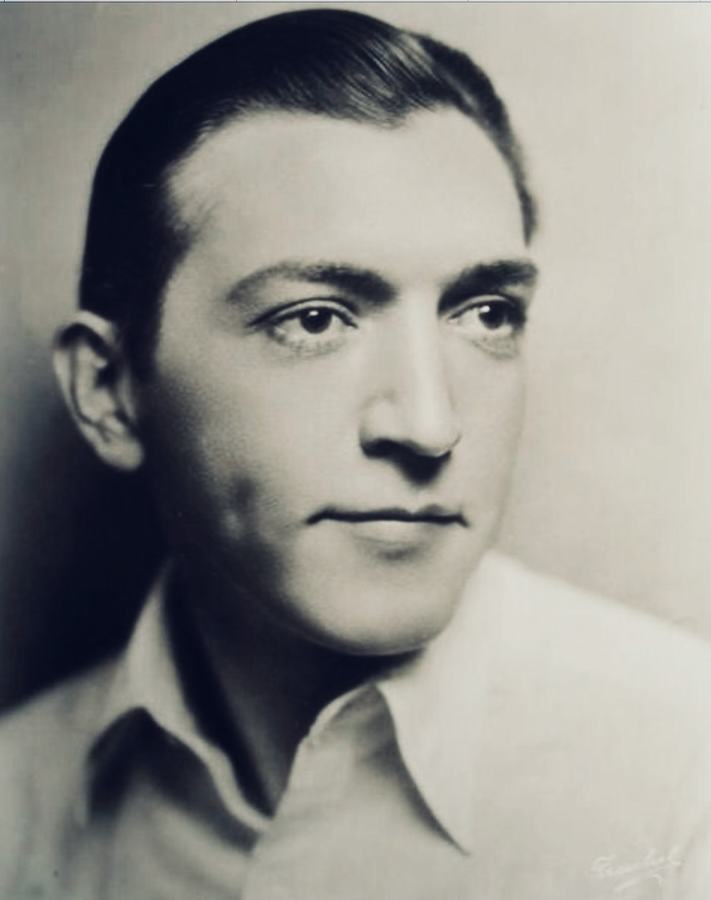
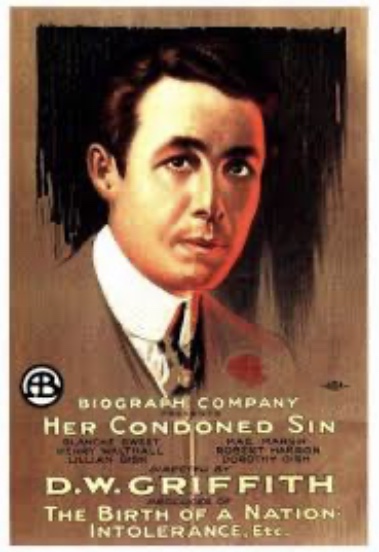
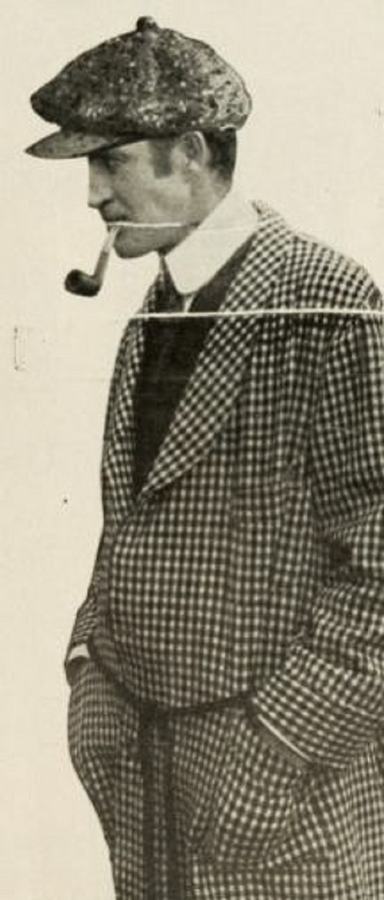
publicity
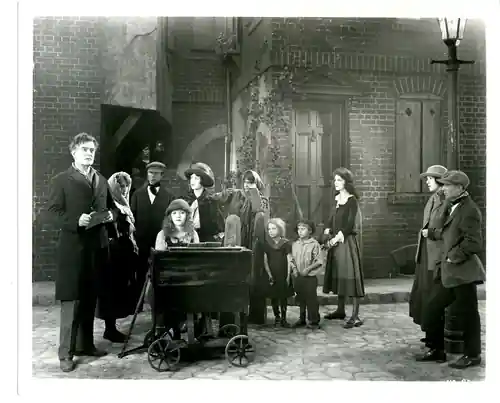
still_frame
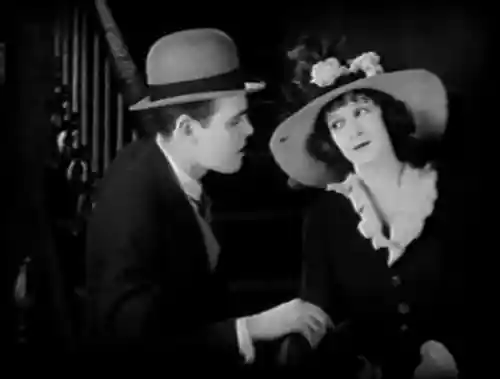
still_frame
Comparing the cinematic DNA and archive impact of two defining moments in cult history.
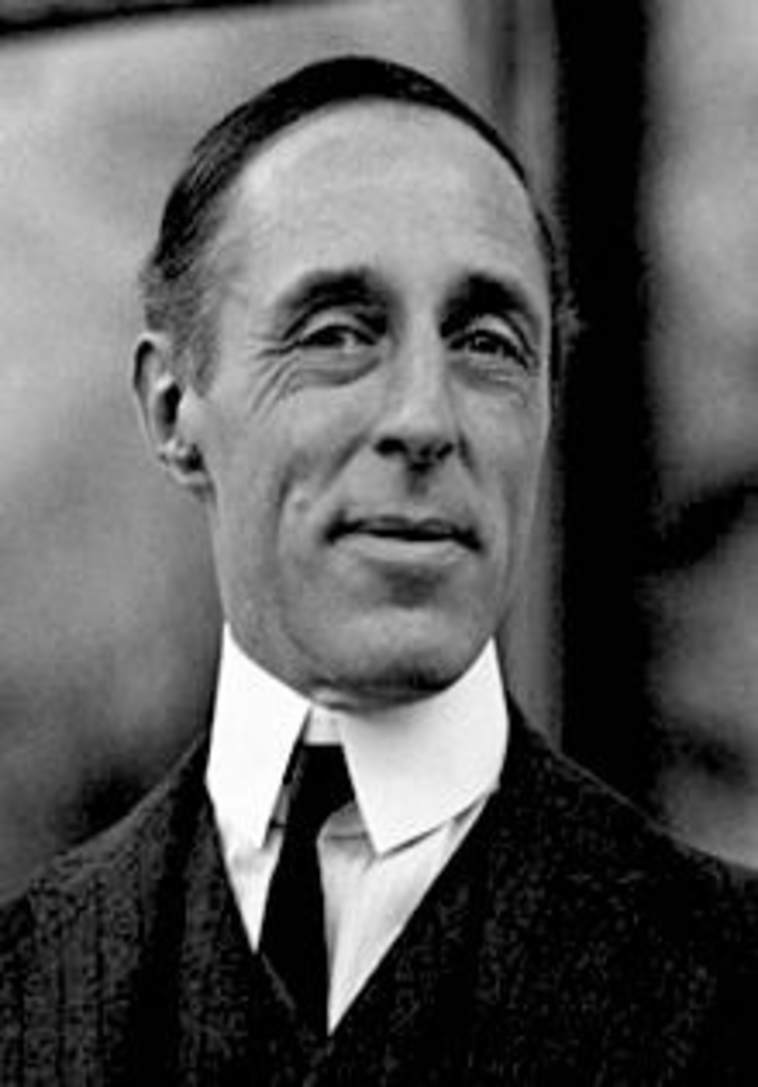
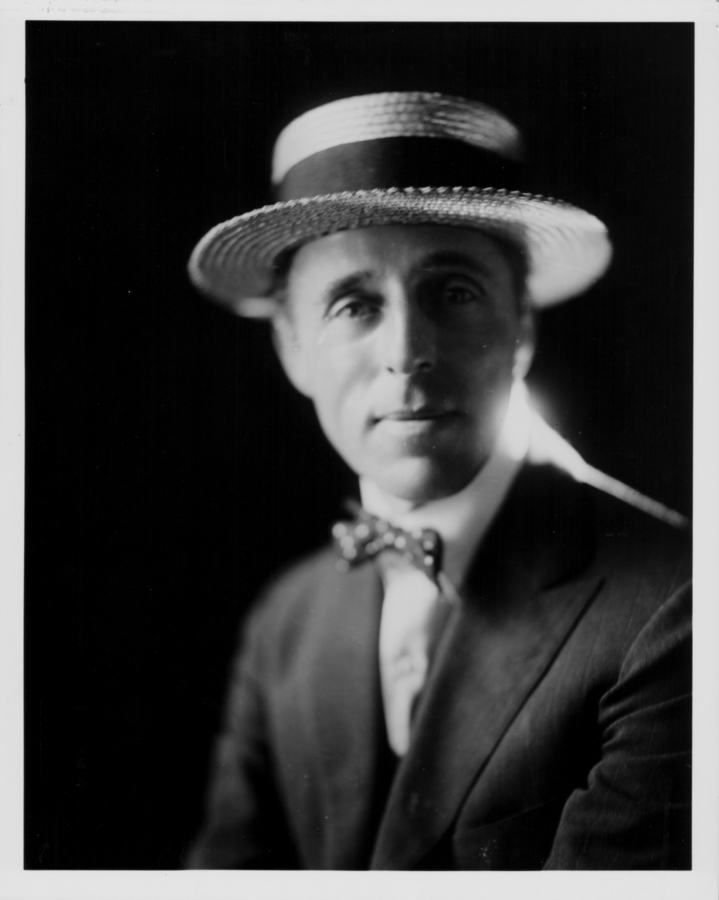
D.W. Griffith
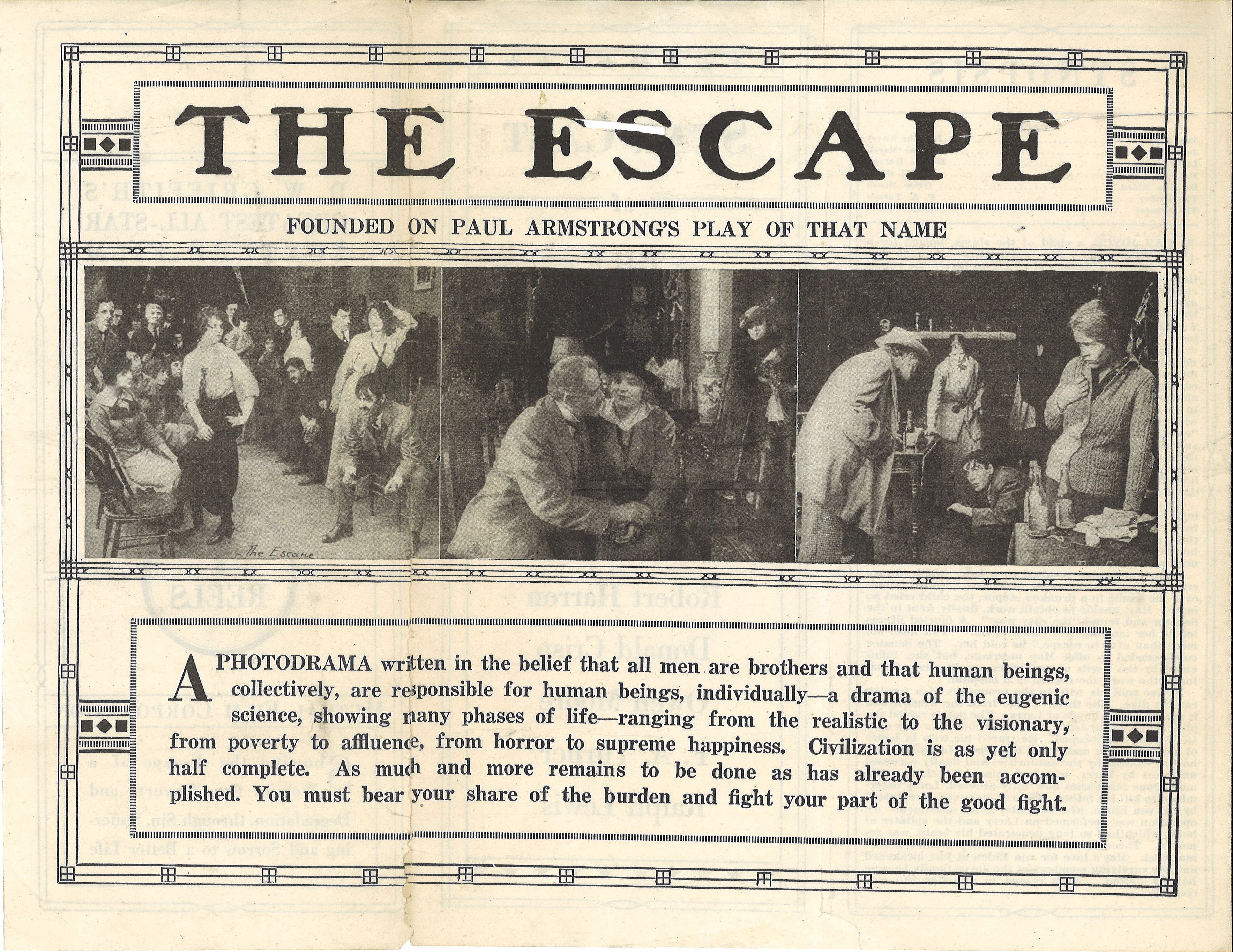
D.W. Griffith
Community
Log in to comment.
" A nocturne soaked in bootleg gin and nitrate glow Dream Street is not a street at all—it is a cul-de-sac of the mind, a dead-end where Griffith parks his obsessions and sets them alight. The film begins with a close-up of a coin spinning on varnished wood; the camera looms so near we can read the year 1921 stamped on the rim, and already the director is confessing: every transaction here is temporal, every kiss stamped with an expiry date. What follows feels like riffling through a stack of gre..."
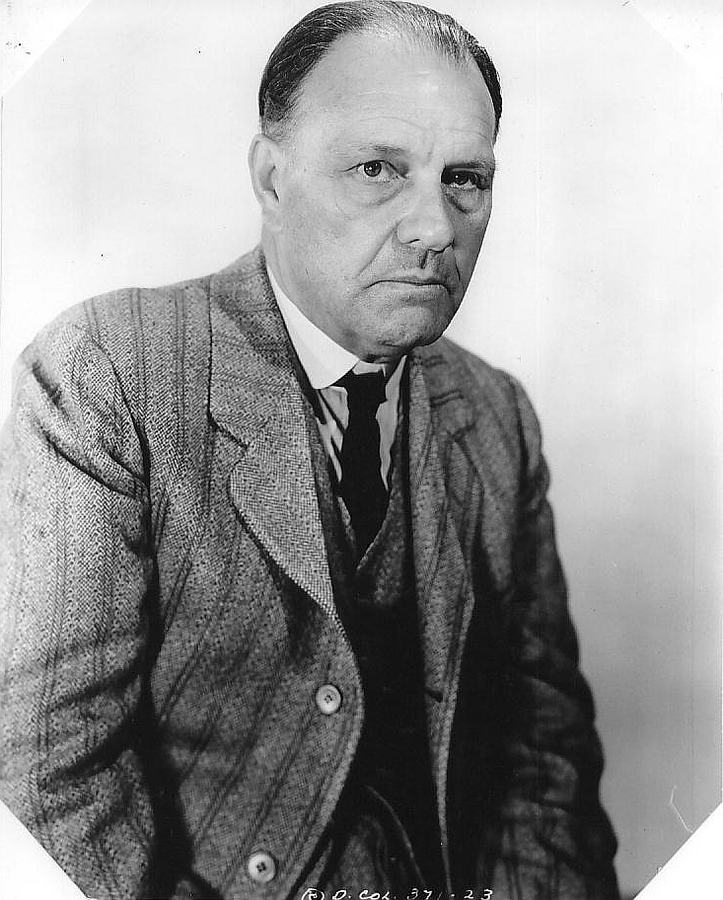
Edward Peil Sr.
Thomas Burke, D.W. Griffith
United States
Deep dive into the cult classic
Discover similar cinematic experiences
A Directorial Spotlight on D.W. Griffith