DbcultAccessing Vault...
7.2/10
Senior Film Conservator
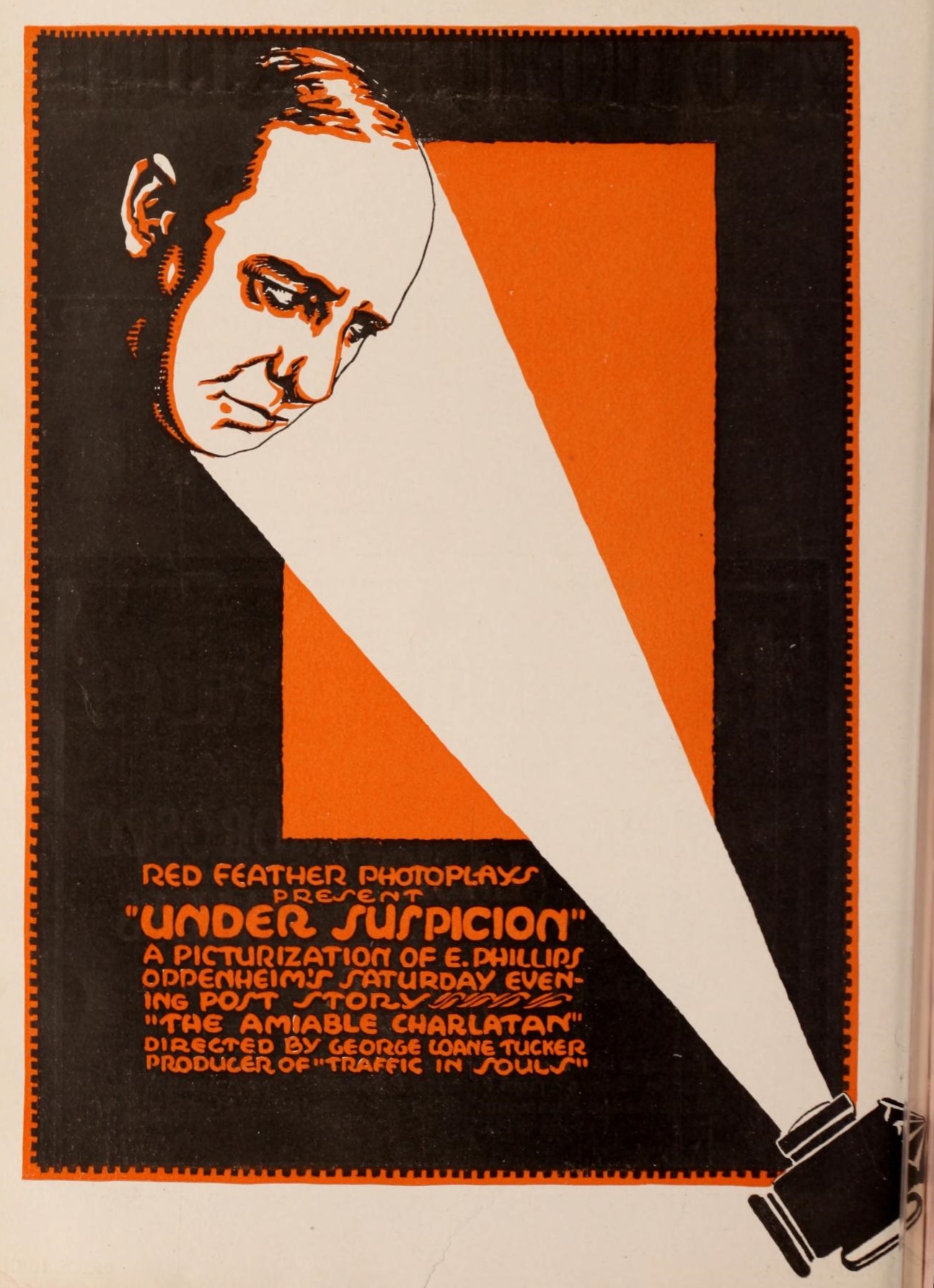
A definitive 7.2/10 rating for a film that redefined the boundaries of cult cinema. Under Suspicion remains a cornerstone of transgressive art.
Stepping back into the nascent days of British cinema, 1916's Under Suspicion emerges not merely as a cinematic artifact but as a surprisingly robust piece of early thriller storytelling. Adapted from the intricate narratives of E. Phillips Oppenheim, a writer whose prolific output often defined the espionage and crime genres of his time, this film offers a fascinating glimpse into the nascent techniques of suspense and character development in the silent era. It’s a work that, while undoubtedly bearing the hallmarks of its age, manages to weave a tale of forbidden love and criminal enterprise with a commendable degree of sophistication, laying groundwork for countless thrillers that would follow. The very premise—a Lord's son entangled with the daughter of a counterfeiter and jewel thief—is a potent cocktail of class conflict, moral ambiguity, and romantic peril, elements that Oppenheim masterfully exploited in his literary ventures and which translate surprisingly well to the screen here.
The film plunges us into a world where aristocratic privilege collides head-on with the shadowy underworld. Our protagonist, a young Lord (portrayed with earnest intensity by Gerald Ames), finds his heart captivated by a woman of decidedly questionable origins. This isn't just a simple May-December romance or a clash of personalities; it's a profound societal chasm he attempts to bridge. Laura Cowie, in the role of the counterfeiter's daughter, imbues her character with a compelling blend of vulnerability and resilience, making her more than just a femme fatale or a damsel in distress. She is a woman caught between filial loyalty to a father engaged in nefarious activities and a burgeoning love that promises a life beyond the shadows. Her father, the formidable counterfeiter and necklace thief, played by Douglas Munro, is not merely a stock villain but a figure of considerable gravitas, whose illicit trade is presented with a realism that, for 1916, must have felt remarkably edgy. The moral compass of the narrative frequently oscillates, forcing the audience to grapple with the complexities of good and evil, particularly when love is the catalyst.
What truly elevates Under Suspicion beyond a mere curiosity is its audacious exploration of themes that remain perennially relevant. The tension between duty and desire, the corrosive influence of secrets, and the societal judgment levied against those who dare to transgress class boundaries are all explored with a surprising depth for a film of its vintage. The narrative doesn't shy away from the inherent dangers of the counterfeiting trade, nor does it romanticize the life of crime, despite the romantic entanglement at its core. Instead, it meticulously details the risks, the constant fear of discovery, and the moral compromises required to sustain such an existence. This grounded approach lends the film a gritty authenticity that sets it apart from some of its more melodramatic contemporaries. One could even draw a thematic parallel to films like The Bludgeon, which similarly delved into the dark underbelly of society, albeit with a different set of moral quandaries, or The Lie, which explored the devastating consequences of deceit within a family structure.
The directorial hand, though uncredited in many historical records, demonstrates an astute understanding of how to build suspense in a silent medium. The use of intertitles is particularly effective, not merely as exposition but often as a means to heighten dramatic tension or to reveal character motivation with a succinct precision. Visual storytelling, a cornerstone of silent cinema, is employed here to great effect. Close-ups are used judiciously to convey emotional states, particularly in the nuanced performances of Ames and Cowie, allowing the audience to decipher their internal struggles without spoken dialogue. The staging of scenes, from the opulent drawing rooms of the aristocracy to the clandestine workshops of the counterfeiter, is handled with a keen eye for detail, immersing the viewer in these disparate worlds. The visual contrast between the stark reality of the criminal's lair and the gilded cages of high society underscores the central conflict of the film.
The ensemble cast, a crucial element in any early film relying heavily on pantomime and facial expression, delivers performances that are both period-appropriate and surprisingly nuanced. Hugh Croise, Sydney Fairbrother, and Bert Wynne round out the primary players, each contributing to the intricate web of relationships and suspicions. Croise, often playing figures of authority or moral rectitude in other films of the era, brings a certain gravitas to his role, acting as a foil to the more morally ambiguous characters. Fairbrother's portrayal adds another layer to the domestic drama, perhaps representing the societal norms that are being challenged. Wynne, too, contributes to the film’s tapestry of intrigue, his character’s actions often serving as a catalyst for escalating tension. Their collective efforts ensure that the narrative never feels one-dimensional, even when the plot mechanisms are relatively straightforward by today's standards. The commitment to character by this cast helps to bridge the gap between the audience and the often exaggerated acting styles of the period.
E. Phillips Oppenheim's original story, upon which this film is based, was renowned for its intricate plotting and its ability to keep readers guessing. Translating such a narrative to the silent screen presented unique challenges, particularly in conveying the subtle twists and turns that define a good mystery. However, Under Suspicion largely succeeds in capturing that spirit. The film builds its suspense incrementally, allowing the audience to become invested in the characters' fates before revealing the full extent of the danger they face. The pacing, while deliberate by modern standards, is effective for its time, allowing moments of quiet tension to breathe before erupting into dramatic confrontations. One might compare its methodical unraveling of a criminal enterprise to the investigative dramas seen in films like Mysteries of the Grand Hotel, though Under Suspicion grounds its mystery more firmly in the personal stakes of its central romance. The film's strength lies in its ability to maintain a pervasive sense of dread and uncertainty, a testament to Oppenheim's original vision and the filmmakers' execution.
The historical context of 1916 cannot be overstated. With the Great War raging across Europe, cinema offered a vital escape, a window into worlds both fantastical and thrilling. British film production, though not yet as dominant as its American counterpart, was producing works of considerable merit. Under Suspicion stands as an example of this burgeoning industry's capacity for engaging storytelling, moving beyond simple slapstick or stage adaptations to craft original cinematic experiences. It speaks to an audience's desire for complex narratives that challenged conventions, even if subtly. The film’s exploration of class mobility and the dangers of societal transgression would have resonated deeply with a populace grappling with unprecedented social upheaval. It’s a period piece that inadvertently reflects the anxieties and aspirations of its contemporary viewers, making it not just a crime thriller, but a social commentary.
Technically, the film employs some fascinating early cinematic techniques. While special effects were rudimentary, the use of practical sets and on-location shooting (where feasible) adds a layer of realism. The lighting, often achieved through natural light or strategically placed artificial sources, creates a distinct mood, particularly in the more clandestine scenes. Shadows are not just an absence of light but a narrative tool, hinting at hidden dangers and moral ambiguities. The editing, while not as rapid-fire as modern cinema, is surprisingly sophisticated for its time, ensuring a coherent narrative flow and building tension through judicious cuts. This is a far cry from the static, stage-bound cinematography that characterized some earlier films. Instead, there's a dynamic quality to the camera work that draws the viewer into the unfolding drama, a testament to the evolving artistry of early filmmaking.
The forbidden romance at the heart of Under Suspicion is arguably its most compelling element. The genuine affection between the Lord's son and the counterfeiter's daughter serves as the emotional anchor, providing a human core to the high-stakes criminal drama. It’s a love that defies logic and societal expectations, forcing both characters to confront difficult choices and potential ruin. This central relationship is handled with a delicate touch, avoiding overt melodrama in favor of a more nuanced exploration of their predicament. The audience is invited to empathize with their struggle, even as the illicit activities of the father cast a long shadow over their burgeoning happiness. This dynamic makes the film more than just a crime story; it transforms it into a poignant drama about sacrifice and the enduring power of connection, even when faced with insurmountable obstacles. In this regard, it shares a spirit with films like The Man and the Moment, which also explored the complexities of love under challenging circumstances, though perhaps with less immediate peril.
Ultimately, Under Suspicion stands as a remarkable, if often overlooked, piece of early British cinematic history. It’s a film that showcases the burgeoning talent of its cast and crew, the enduring appeal of E. Phillips Oppenheim’s storytelling, and the surprising sophistication of silent film narrative. For enthusiasts of classic cinema, crime thrillers, or those interested in the evolution of the medium, it offers a rich and rewarding viewing experience. It reminds us that even in the nascent stages of filmmaking, artists were capable of crafting compelling, emotionally resonant stories that explored complex human dilemmas. It’s a testament to the enduring power of a well-told story, regardless of the technological limitations of its era. This film, with its intricate plot, compelling characters, and thematic depth, firmly secures its place as more than just a historical footnote; it’s a vibrant, engaging precursor to the thrillers we consume today. Its legacy, though perhaps not as widely celebrated as some of its American contemporaries, is nonetheless significant, offering a window into the innovative spirit of British filmmaking in the early 20th century. One might even argue that its quiet influence can be seen in later British crime dramas, setting a tone for sophisticated intrigue that would become a hallmark of the nation's cinematic output. It's a film that truly deserves to be rediscovered and appreciated for its pioneering spirit and its timeless narrative allure. The intricate dance between love and larceny, nobility and deception, is rendered with a clarity and force that belies its age, proving that a compelling story, well-executed, transcends the limitations of its time.
The enduring appeal of stories involving class conflict and forbidden love, especially against a backdrop of criminal activity, is vividly demonstrated here. Much like The Masqueraders delved into themes of identity and societal roles, Under Suspicion explores how external circumstances—whether one's birthright or one's family's illicit trade—can dictate personal choices and romantic destinies. The film's ability to maintain a sense of urgency and genuine peril, despite the absence of spoken dialogue, is a testament to the power of visual storytelling and the expressive capabilities of its actors. Each gesture, each lingering glance, each moment of physical tension is carefully orchestrated to convey the gravity of the situation. The stakes feel real, the emotions palpable, and the ultimate resolution, while perhaps fitting for the moral sensibilities of the era, still carries a melancholic weight that resonates. It’s a film that doesn’t just tell a story; it invites you to experience the precariousness of a love forged in the crucible of danger and deceit. The quiet drama of moral compromise and personal sacrifice is beautifully rendered, making it a film that stays with you long after the final intertitle fades.
IMDb 6.5
1924
Community
Log in to comment.