DbcultAccessing Vault...
5.5/10
Senior Film Conservator
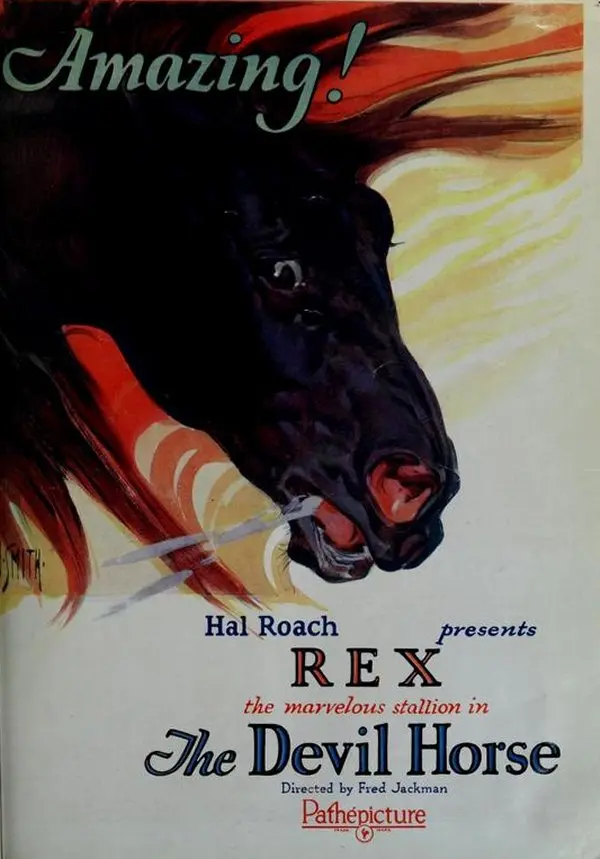
A definitive 5.5/10 rating for a film that redefined the boundaries of cult cinema. The Devil Horse remains a cornerstone of transgressive art.
Is this film worth watching today? Short answer: yes, but only if you have a stomach for the unvarnished grit of the silent era. This film is for the cinephile who values the physical history of stunts and the raw power of animal performance; it is absolutely not for those who require modern pacing or politically sensitive narratives.
The Devil Horse occupies a strange, jagged corner of cinematic history. It is a film where the primary emotional weight is carried by a horse, and the secondary weight by a man who would eventually teach John Wayne how to be a movie star. It is a relic that feels surprisingly modern in its brutality and surprisingly ancient in its storytelling.
1) This film works because the physical chemistry between Yakima Canutt and Rex the Wonder Horse creates a tension that no CGI could ever replicate.
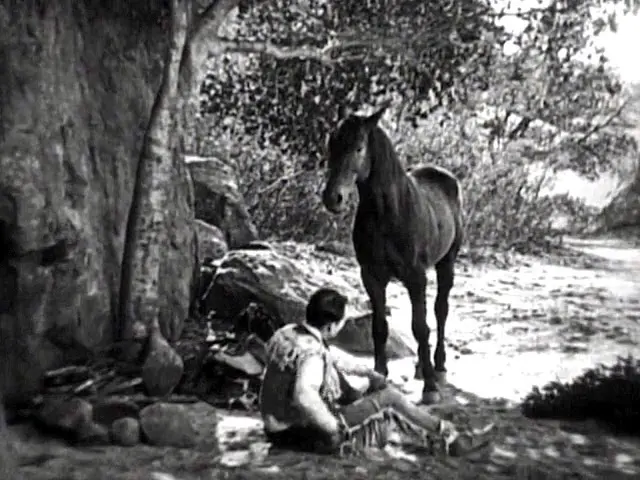
2) This film fails because its middle act relies too heavily on repetitive chase choreography that stalls the emotional momentum of the reunion plot.
3) You should watch it if you want to see the exact moment the modern Hollywood stuntman was born through the fearless work of Canutt.
Yakima Canutt is not just an actor here; he is a force of nature. Long before he was coordinating the chariot race in Ben-Hur, he was proving his mettle in front of the camera. In The Devil Horse, his movements are lean and economical. There is a specific moment early in the film where he mounts a moving horse that feels less like a choreographed stunt and more like an act of desperation. It is kinetic, dangerous, and entirely real.
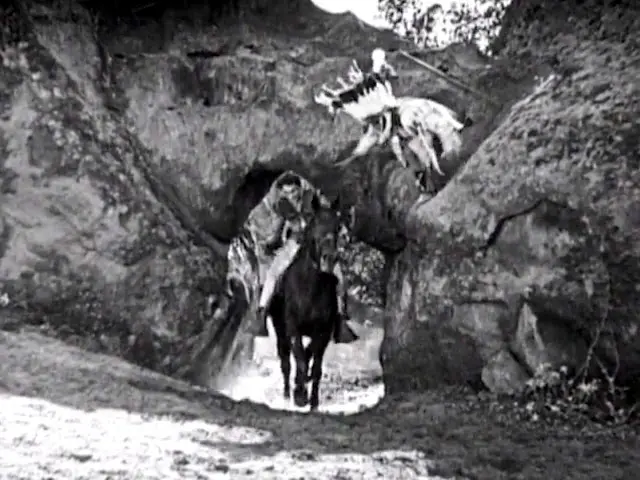
Unlike the more polished performances seen in Battling Mason, Canutt brings a ruggedness that feels stripped from the actual dirt of the 1920s frontier. He doesn't play to the rafters with the typical pantomime of the silent era. Instead, he lets his body do the talking. When he is recaptured by the indigenous tribe, his physical collapse isn't theatrical—it’s heavy. You feel the weight of his exhaustion.
It works. But it’s flawed. The narrative often stops dead to allow for these displays of horsemanship. While impressive, they occasionally feel like a rodeo demonstration interrupted by a plot. Yet, for the historian, these sequences are gold. They represent a time when the stakes of filmmaking were measured in broken bones and real dust.
It is an unconventional observation, but the horse, Rex, is the most expressive actor in the film. While human actors of the era were often trapped in the 'theatre of the face,' Rex provides a performance of pure instinct. The way the camera lingers on his flared nostrils and wild eyes during the 'fight' sequences creates a sense of genuine peril. This isn't the domesticated, gentle creature seen in The High Horse; this is a beast that feels genuinely dangerous.
The climactic battle between Canutt and the horse is the film's centerpiece. It is filmed with a wide-angle lens that captures the scale of the struggle against the barren landscape. The choreography is brutal. There is no sentimentality in the way they clash. The recognition between the two characters is handled with a subtle shift in the horse's posture rather than a heavy-handed title card. It’s a masterclass in visual storytelling that many modern directors could learn from.
However, the film’s treatment of the horse also highlights the era’s lack of animal welfare standards. Some of the falls and 'fights' are hard to watch through a 21st-century lens. It is a visceral reminder that the realism of the 1920s often came at a high cost to the non-human participants.
Perhaps the most surprising element of The Devil Horse is its writing pedigree. Seeing Stan Laurel and Hal Roach credited on a grim Western drama is jarring. We expect slapstick, but what we get is a lean, almost nihilistic survival story. This isn't the whimsical tone of The Cricket on the Hearth. Instead, Laurel and Roach seem to have stripped away the humor to focus on the rhythmic escalation of tension.
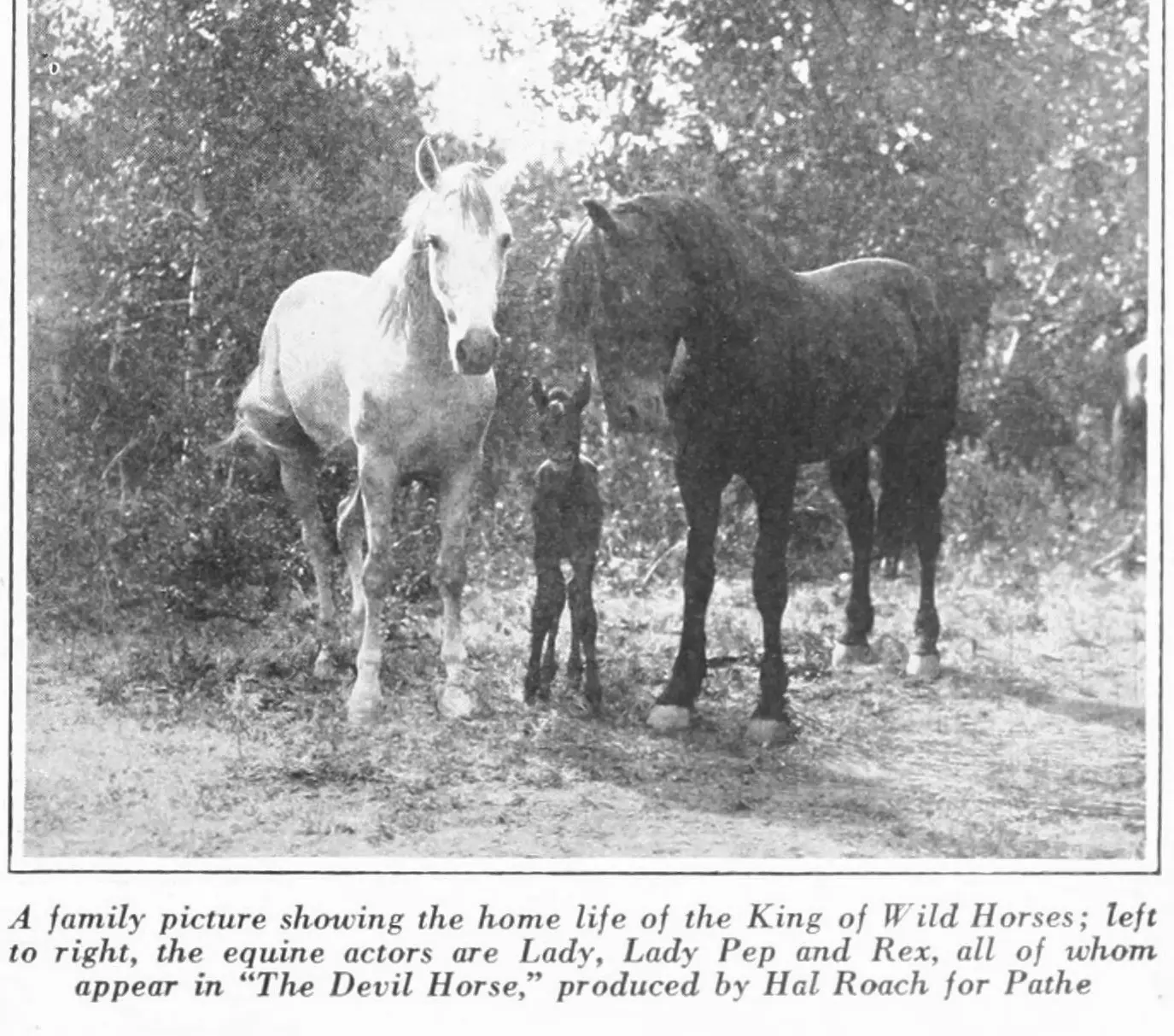
The pacing bears the hallmarks of comedic timing—setup, build-up, and payoff—but applied to action. The way the massacre is handled in the opening act is surprisingly cold. There is no lingering on grief; the film moves with the same relentless forward motion as a comedy short, but with much higher stakes. It’s an effective, if somewhat heartless, approach to the Western genre.
The dialogue in the title cards is sparse. This was a wise choice. The story is simple enough that it doesn't need to be over-explained. In an era where films like The Moonstone were leaning into complex literary adaptations, The Devil Horse remains refreshingly primitive. It knows exactly what it is: a story about a man, a horse, and the dirt.
Fred Jackman Jr.’s cinematography is the unsung hero of the production. He treats the desert not as a backdrop, but as an antagonist. The natural lighting is harsh, washing out the sky and making the characters look small and insignificant. This isn't the romanticized West of later decades; it feels like a place where things go to die.
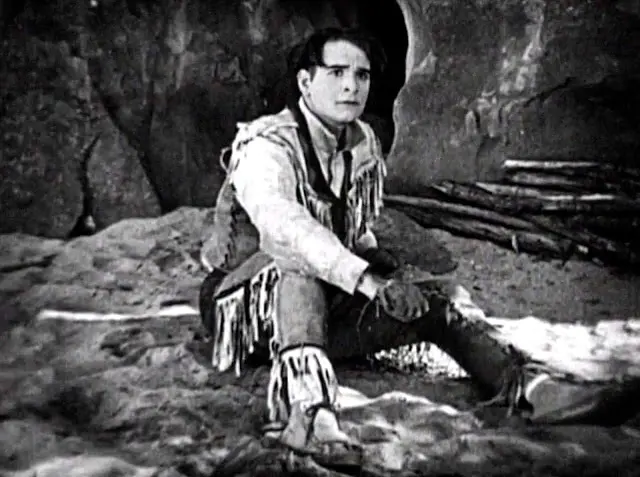
Compare this to the indoor, staged feeling of Scandal or the stylized drama of Lady Hamilton. The Devil Horse feels like it was shot on the edge of the world. The dust is constant. It coats the actors' faces and blurs the edges of the frame during the chase scenes. This atmospheric grit adds a layer of authenticity that compensates for the occasionally thin plot.
There is a specific shot where Canutt is silhouetted against a ridge, the 'Devil Horse' appearing like a ghost in the distance. It is a haunting image that stays with you. It elevates the film from a standard 'B-Western' to something approaching a folk myth. The visual language here is far more sophisticated than the film’s reputation suggests.
Yes, The Devil Horse is worth watching because it captures a transition point in cinema history. It shows the bridge between the theatricality of early silent films and the gritty realism that would define the sound-era Western. It is a raw, unpolished gem that prioritizes movement over message.
If you are a fan of stunt work, it is essential viewing. If you are a fan of animal-led stories, it is a fascinating, if occasionally uncomfortable, look at one of the first great animal stars. Just be prepared for the cultural tropes of 1926, which haven't aged as well as the stunts.
Pros:
- Genuinely dangerous stunt work that puts modern action to shame.
- A unique, dark tone for a Hal Roach production.
- Exceptional use of natural landscapes and lighting.
- A lean, focused narrative that doesn't overstay its welcome.
Cons:
- Dated and problematic portrayals of indigenous people.
- Pacing issues during the transition from the boy's childhood to adulthood.
- The 'fighting' scenes between horses can be distressing for modern audiences.
The Devil Horse is a brutal, beautiful relic of a bygone era. It isn't a masterpiece of character study, but it is a masterpiece of physical cinema. It trades in sweat, dust, and animal fury, offering a visceral experience that few films of its age can match. It is flawed, it is dated, and it is absolutely worth your time if you want to see where the action genre truly began.
IMDb —
1916
Community
Log in to comment.