Summary
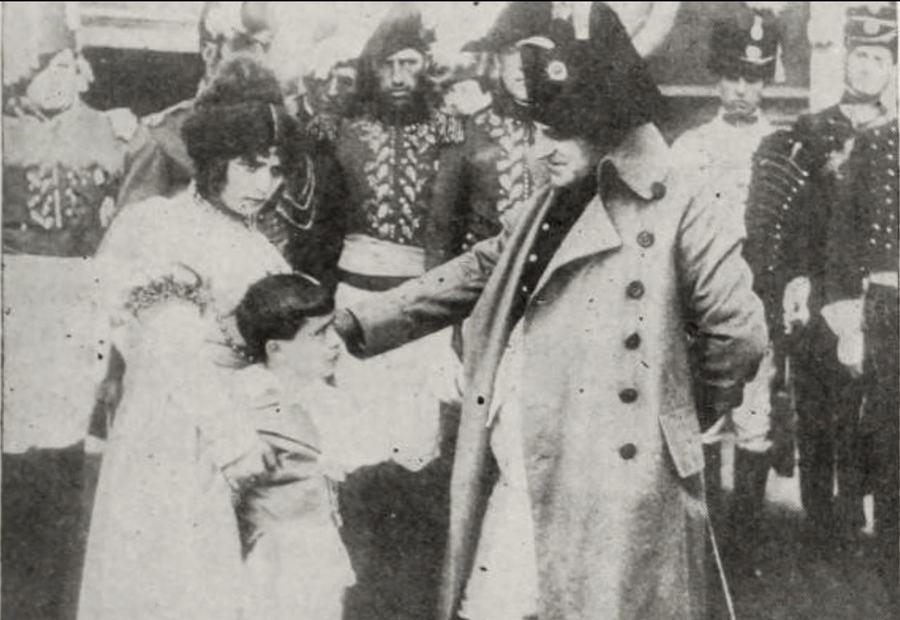
A sun-bleached Mediterranean island, half paradise, half powder-keg, serves as the crucible for this feverish 1914 melodrama. Bastien, a taciturn shepherd whose eyes hold centuries of vendetta, returns from the hills to discover his sister Livia dishonored by the swaggering French lieutenant De Montfort, an occupier whose epaulettes gleam like surgical steel against the olive groves. Honor, that brittle Corsican currency, demands blood. Bastien’s dagger flashes once beneath the moon-white citadel walls; the officer’s white glove reddens, the cicadas fall silent, and the island’s ancient stone arteries throb with a new vendetta. What follows is not a chase but a slow, ceremonial tightening of the noose: Bastien flees into the maquis, a labyrinth of myrtle and myrrh where every shadow could be a cousin sworn to kill him, while De Montfort’s brother, the icy Colonel Maxence, arrives with a regiment and a thirst for collective punishment. Villages are torched, hostages shackled in the ruined Genoese fort, and Livia—pregnant, ostracized, draped in black like a living Madonna of grief—becomes the bargaining chip. The narrative arcs from whispers in cathedral confessionals to a public execution platform hammered together in the main square, its blond timber still weeping sap as drums roll. In the final reel, Bastien, now a spectral guerrilla wreathed in gunpowder and thyme, descends from the cliffs at twilight, trades his life for Livia’s freedom, and dies under the colonel’s sword while the villagers, once baying for rescue, avert their eyes. The last shot—Livia’s child hoisted above the smoke like a reluctant banner—suggests the vendetta will merely change its face, not its heart.
Review Excerpt
"
There are films that narrate history and films that bleed it; The Corsican arrives already clotted, a 1914 one-reel hurricane whose every hand-cranked frame drips oleander-scented hemlock. Shot on location in Ajaccio’s labyrinthine alleys and the granite sierras beyond, the picture weaponizes its landscape the way Colorado weaponized the frontier—only here the enemy is not outlaws but the ancestral demon of honor, that yellow-eyed fetish Corsicans nurse like a birthright.
Director Louis Feuill..."