DbcultAccessing Vault...
7.1/10
Senior Film Conservator
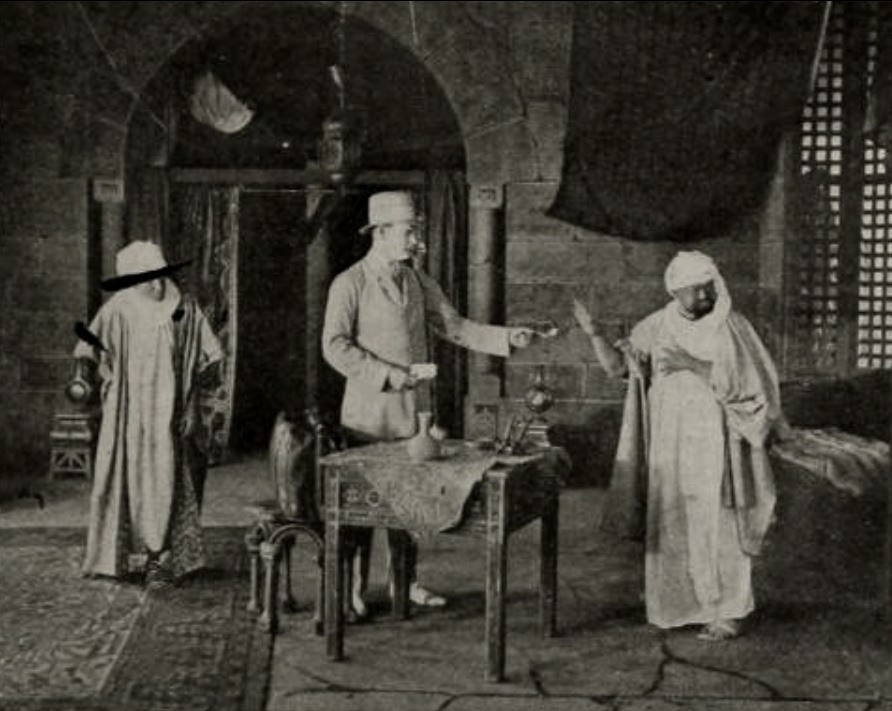
A definitive 7.1/10 rating for a film that redefined the boundaries of cult cinema. Four Feathers remains a cornerstone of transgressive art.
In the annals of early twentieth-century cinema, few narratives possess the enduring psychological resonance of A.E.W. Mason’s 1902 novel. The 1915 adaptation of The Four Feathers stands as a monumental testament to the era's fascination with the intersection of private fear and public duty, a theme that resonates with the same gravitas found in The Christian.
The film commences not with the clamor of war, but with the suffocating silence of tradition. The annual dinner at General Feversham’s residence is a masterclass in atmospheric dread. As the veterans of the Crimea recount their exploits, the camera lingers on the young Harry Feversham. The boy’s face is a canvas of internal conflict; he is a child being measured against the impossible standard of his progenitors. This prologue sets the stage for a tragedy of identity. Unlike the more whimsical tone of Such a Little Queen, the stakes here are visceral and permanent.
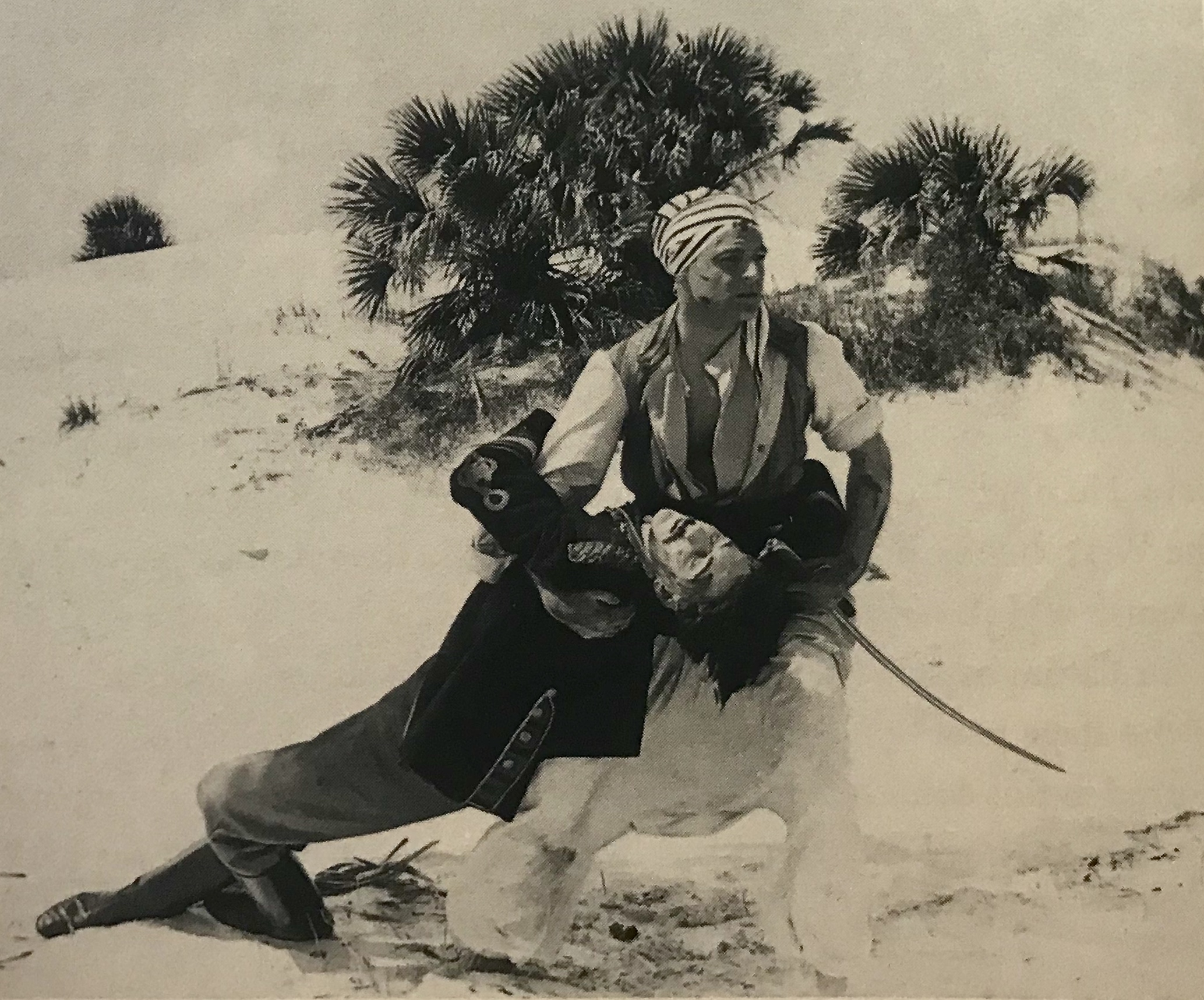
The transition to Harry’s adulthood reveals a man who has mastered the external trappings of a soldier while harboring a corrosive secret. His friendship with Captain Durrance is portrayed with a nuanced camaraderie that feels remarkably modern. However, the arrival of the mobilization telegram acts as a chemical catalyst, breaking down Harry’s carefully constructed façade. His decision to burn the telegram is not an act of malice, but a desperate paroxysm of self-preservation. He fears the 'coward' within more than he fears the enemy without.
When his fellow officers—French, Willoughby, and Castleton—discover his resignation, the social machinery of the British Empire grinds into action. The delivery of the three white feathers is a sequence of harrowing cinematic economy. It is a social execution. The fourth feather, plucked from Ethne’s own fan, is the definitive blow. It signifies the total collapse of Harry’s domestic and professional worlds. This sequence mirrors the dramatic intensity of The Life and Death of King Richard III, where the weight of one's actions carries a heavy, inescapable destiny.
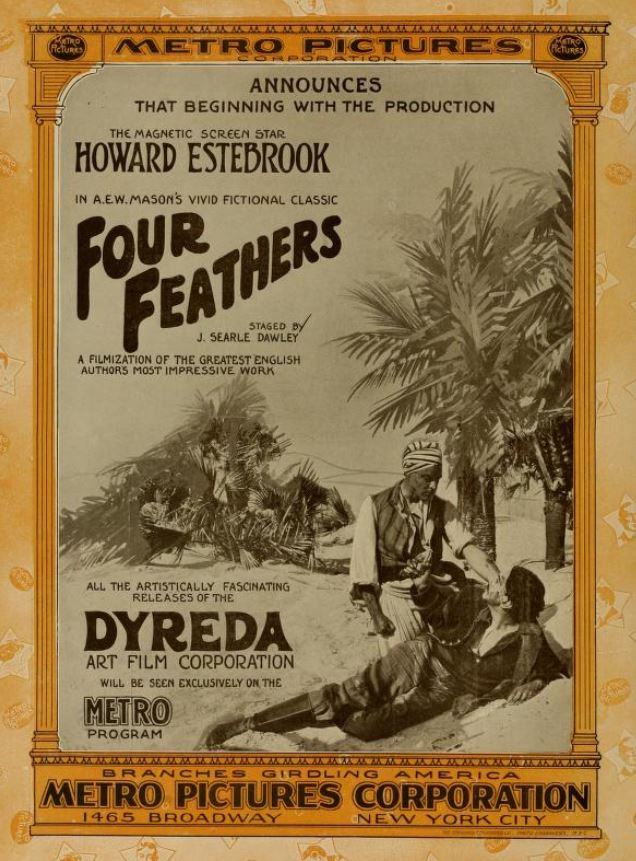
Harry’s journey to Egypt is a descent into a purgatory of heat and sand. The 1915 production values are surprisingly robust, capturing the alien landscapes with a stark, chiaroscuro beauty. Harry’s transformation into a mute, branded outcast is a physical manifestation of his internal shame. He is no longer Captain Feversham; he is a ghost seeking a body. His trials at the hands of the Arabs are depicted with a gritty realism that avoids the saccharine tropes of many contemporary silents like Nell of the Circus.
The rescue of his former comrades is staged with a kinetic energy that belies the technical limitations of the time. We see Harry navigating the labyrinthine dangers of the desert, his every move a calculated step toward the reclamation of his soul. Each feather returned is not just a token of forgiveness, but a piece of Harry’s humanity being reattached. The film excels in portraying the sheer physical toll of this redemption arc—the scars, the exhaustion, and the psychological scarring that no medal can truly cover.
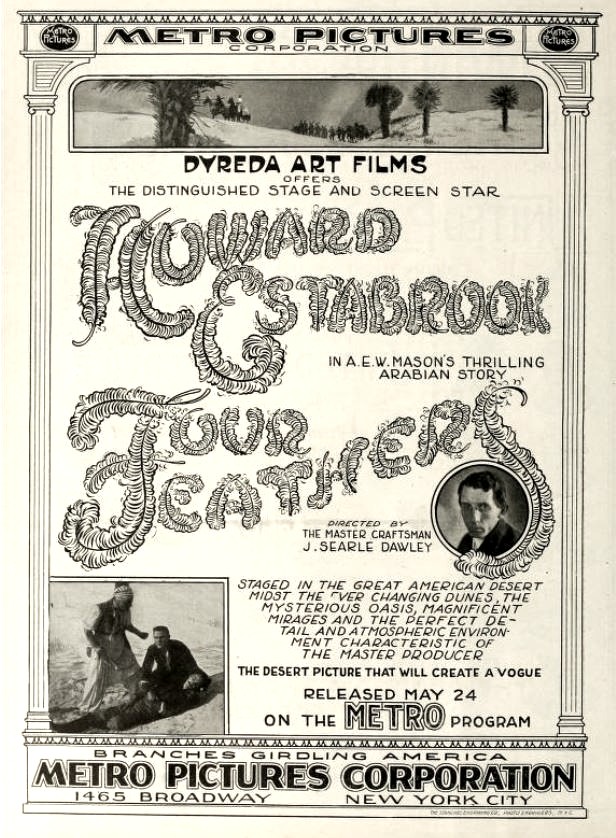
While Harry is finding his courage in the shadows, Captain Durrance is losing his sight in the glare. The Sudanese sun, a symbol of imperial ambition, becomes the instrument of his tragedy. Durrance’s blindness is handled with a poignant sensitivity by the cast. It creates a secondary conflict: Ethne’s engagement to him is born of pity, a stagnant pool of emotion compared to the turbulent ocean of her love for Harry. This dynamic recalls the complex emotional landscapes of Bespridannitsa, where social obligation and true desire are in constant, painful friction.
The climax of the film hinges on a moment of profound auditory perception. Durrance, now blind, overhears the truth. His decision to relinquish Ethne and return to the 'desert he loved so well' is perhaps the most heroic act in a film full of them. It is a sacrifice of the heart that mirrors Harry’s sacrifice of the body. The nobility of his exit elevates the film from a mere adventure story to a meditation on the various forms of courage—the courage to fight, the courage to fail, and the courage to let go.
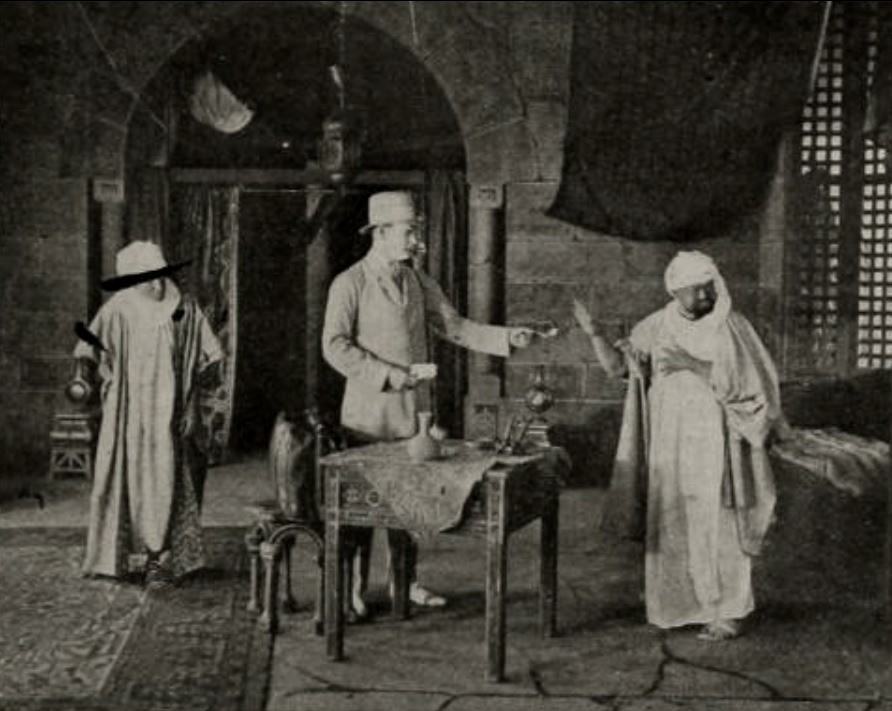
When compared to other films of the era, such as On the Fighting Line, The Four Feathers distinguishes itself through its psychological depth. While many early war films focused on the spectacle of the front, Dawley’s direction emphasizes the internal landscape of the soldier. There is a sophistication in the narrative structure that rivals the dramatic weight of The Straight Road or the intricate character studies in Livets konflikter.
The technical execution, from the framing of the English ballrooms to the sweeping vistas of the Nile, showcases a medium that was rapidly outgrowing its infancy. The use of light and shadow during Harry’s 'trials and tortures' creates a sense of claustrophobia even in the vast desert, a visual metaphor for his trapped conscience. This is a far cry from the more static presentations seen in Liberty Hall or The Mail Order Wife.
The Four Feathers (1915) is more than a period piece; it is a timeless exploration of the fear of failure. Harry Feversham is a character who resonates with anyone who has ever felt the crushing weight of a legacy they didn't choose. The film’s insistence on a hard-won redemption—one that requires physical suffering and the total erasure of the former self—gives it a moral weight that many modern blockbusters lack. It doesn't offer easy answers; it offers a grueling journey toward a fragile peace.
The performances, particularly those of Howard Estabrook and Irene Warfield, manage to transcend the occasionally hyperbolic gestures of silent acting to find moments of genuine, understated pathos. Their chemistry provides the emotional anchor for the film’s expansive geopolitical backdrop. In the end, the film reminds us that honor is not a fixed state but a continuous action, a lesson as relevant today as it was in the shadow of the Great War. It stands alongside classics like The Child of Paris as a quintessential example of early narrative ambition.
A triumph of silent storytelling that captures the quintessence of Victorian masculinity and the universal quest for self-absolution.
IMDb 5.6
1933
Community
Log in to comment.