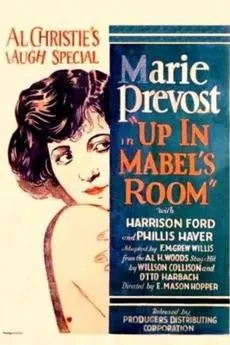
A definitive 6.9/10 rating for a film that redefined the boundaries of cult cinema. Up in Mabel's Room remains a cornerstone of transgressive art.
Is 'Up in Mabel's Room' Worth Watching Today?
Is 'Up in Mabel's Room' worth watching today? Short answer: yes, but with significant caveats. This particular silent era farce will delight cinephiles, historians of early comedy, and those with an appreciation for the foundational elements of screwball, yet it might prove a challenging watch for casual viewers accustomed to modern pacing and narrative complexity.
This is a film best suited for audiences who are willing to engage with the theatricality and exaggerated performances inherent to the silent era, and who can find humor in a relentless barrage of mistaken identities and escalating absurdities. It is decidedly NOT for viewers seeking deep character development, subtle humor, or a plot that adheres strictly to realism. If you demand immediate emotional connection or a narrative free from the conventions of nearly a century ago, this might not be your cup of tea.
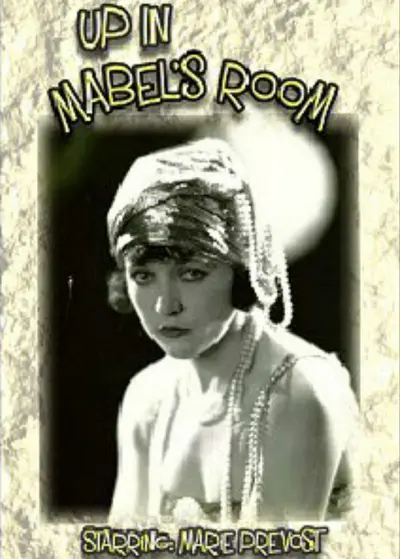
This film works because of its relentless energy and the committed, often hilarious, physical performances from its lead actors, particularly Marie Prevost. It delivers exactly what a farce promises: escalating chaos born from a simple misunderstanding.
This film fails because its one-note premise, while central to farce, can become exhausting over its runtime. The humor, while effective, rarely evolves beyond its initial setup, and some gags feel undeniably dated.
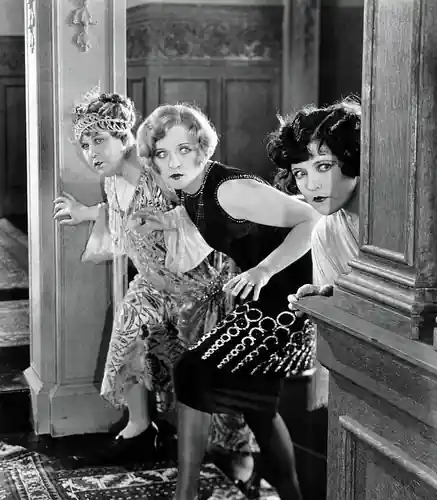
Scene from Up in Mabel's Room
Cinematic perspective: Exploring the visual vocabulary of Up in Mabel's Room (1926) through its definitive frames.
You should watch it if you're a student of film history, a fan of silent comedies, or simply curious to see the roots of the screwball genre in full, frantic bloom. It’s a fascinating look at comedic craftsmanship from a bygone era.
Plot Deconstruction: A Farce of Misunderstanding
The narrative engine of "Up in Mabel's Room" is a classic comedic setup: the colossal misunderstanding. Mabel, played with effervescent panic by Marie Prevost, discovers her husband, Garry, in the compromising act of purchasing women's lingerie. His inability or unwillingness to immediately clarify the situation ignites a firestorm of suspicion. This isn't just a minor squabble; it's a full-blown marital crisis, culminating in a divorce that feels both tragically misguided and comically inevitable.
What makes this premise so potent, even today, is its universal relatability to the anxieties of trust and communication within a relationship. The audience is privy to the truth – Garry's innocent intention to buy an anniversary gift – making Mabel's escalating distress and swift, harsh judgment a source of both sympathy and comedic exasperation. It's a testament to the script's fundamental strength that this simple conceit can sustain an entire film, albeit one that relies heavily on physical comedy and frenetic pacing.
Once Mabel learns the truth, the film pivots from a drama of marital discord into a full-throttle pursuit of reconciliation. Her determination to win Garry back becomes a series of increasingly elaborate and often humiliating escapades. The plot, credited to F. McGrew Willis, Wilson Collison, Tay Garnett, and Otto A. Harbach, cleverly constructs a series of obstacles and near-misses, ensuring that the central misunderstanding is prolonged and milked for every ounce of comedic potential.
Scene from Up in Mabel's Room
Cinematic perspective: Exploring the visual vocabulary of Up in Mabel's Room (1926) through its definitive frames.
The genius of farce, particularly in the silent era, lies in its simplicity and its reliance on visual gags rather than intricate dialogue. Here, the plot serves primarily as a skeleton upon which to hang a continuous string of physical comedy, mistaken identities, and door-slamming antics. While some might find the repeated reliance on the same central gag tiresome, it is precisely this single-minded focus that defines the genre. It's not about character evolution or thematic depth; it's about the joyous chaos of human folly.
Performances: The Silent Language of Exaggeration
In silent cinema, acting is a grand, physical art form, and the cast of "Up in Mabel's Room" embraces this wholeheartedly. Marie Prevost, as the titular Mabel, is an absolute whirlwind. Her performance is a masterclass in silent comedic expression, shifting from wide-eyed innocence to furious indignation, then to desperate remorse with remarkable agility. Her physical comedy, whether she's flailing in exasperation or attempting a clandestine maneuver, is consistently engaging and often laugh-out-loud funny. She understands the exaggerated grammar of silent film without ever quite devolving into mere caricature, though she certainly pushes the boundaries.
Carl Gerard, as the bewildered husband Garry, plays the straight man to Prevost's chaos with admirable restraint. His expressions of confusion, frustration, and eventual exasperation are subtle enough to ground the more outlandish antics around him, providing a necessary anchor for the audience. He's not as overtly theatrical as Prevost, but his reactions often amplify the humor of her predicaments. Without his grounded presence, Mabel's antics might simply feel too unhinged.
The supporting cast, including Harrison Ford (not the Indiana Jones actor, but a prominent silent film star) and Sylvia Breamer, fill out the ensemble with equally committed performances. Ford, in particular, adds another layer of comedic complication with his character's involvement in the escalating misunderstandings. His suave, yet easily flustered, demeanor provides a delightful contrast to the more frantic energy of the leads. The ensemble works in concert, each actor playing their part in the intricate dance of mistaken identities and comedic timing.
Scene from Up in Mabel's Room
Cinematic perspective: Exploring the visual vocabulary of Up in Mabel's Room (1926) through its definitive frames.
However, one could argue that even within the conventions of silent film, some performances occasionally veer into an almost cartoonish realm. While effective for immediate laughs, this level of exaggeration can prevent a deeper emotional connection to the characters' plights. Prevost, while brilliant, sometimes leans so heavily into the physical that Mabel's motivations feel less like genuine human emotion and more like a series of programmed comedic reactions. It works. But it’s flawed.
Direction and Cinematography: Crafting the Visual Gag
The direction in "Up in Mabel's Room," notably involving Tay Garnett, is a testament to the craft of silent comedy. The film's strength lies in its visual storytelling, where every shot, every camera movement, and every cut is designed to maximize comedic impact. There's a clear understanding of space and timing, essential for the intricate dance of a farce. Directors of this era were essentially choreographers, guiding actors through complex physical routines that had to convey emotion and plot without spoken words.
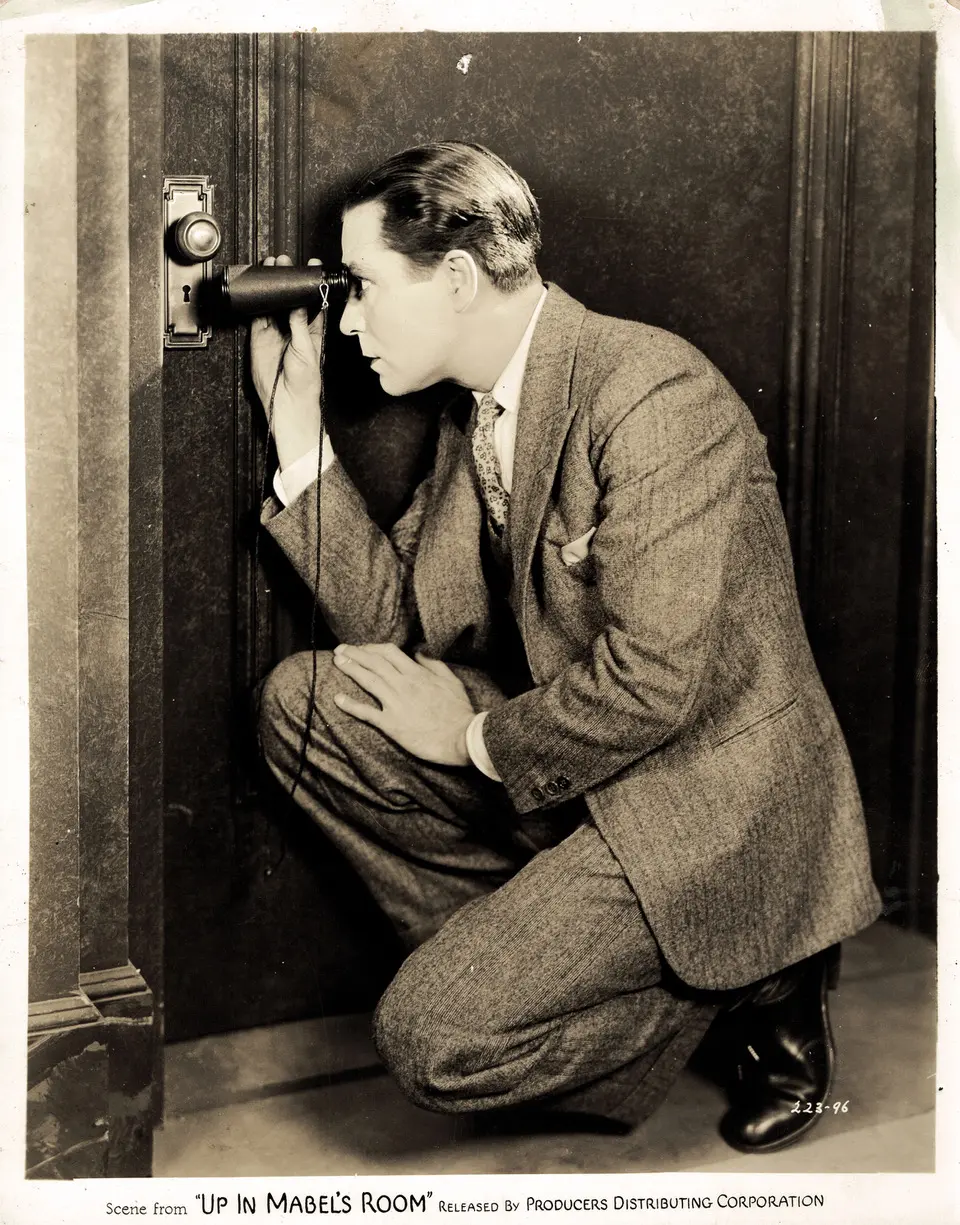
The use of doors, a staple of stage farces, is particularly effective here. Characters are constantly popping in and out, narrowly avoiding detection, or accidentally revealing themselves at the most inopportune moments. This creates a rhythmic, almost musical, quality to the film's pacing, building tension and releasing it with perfectly timed visual gags. One specific example is the scene where Mabel attempts to hide in various rooms, leading to a frantic series of near-discoveries that showcase precise blocking and rapid cutting.
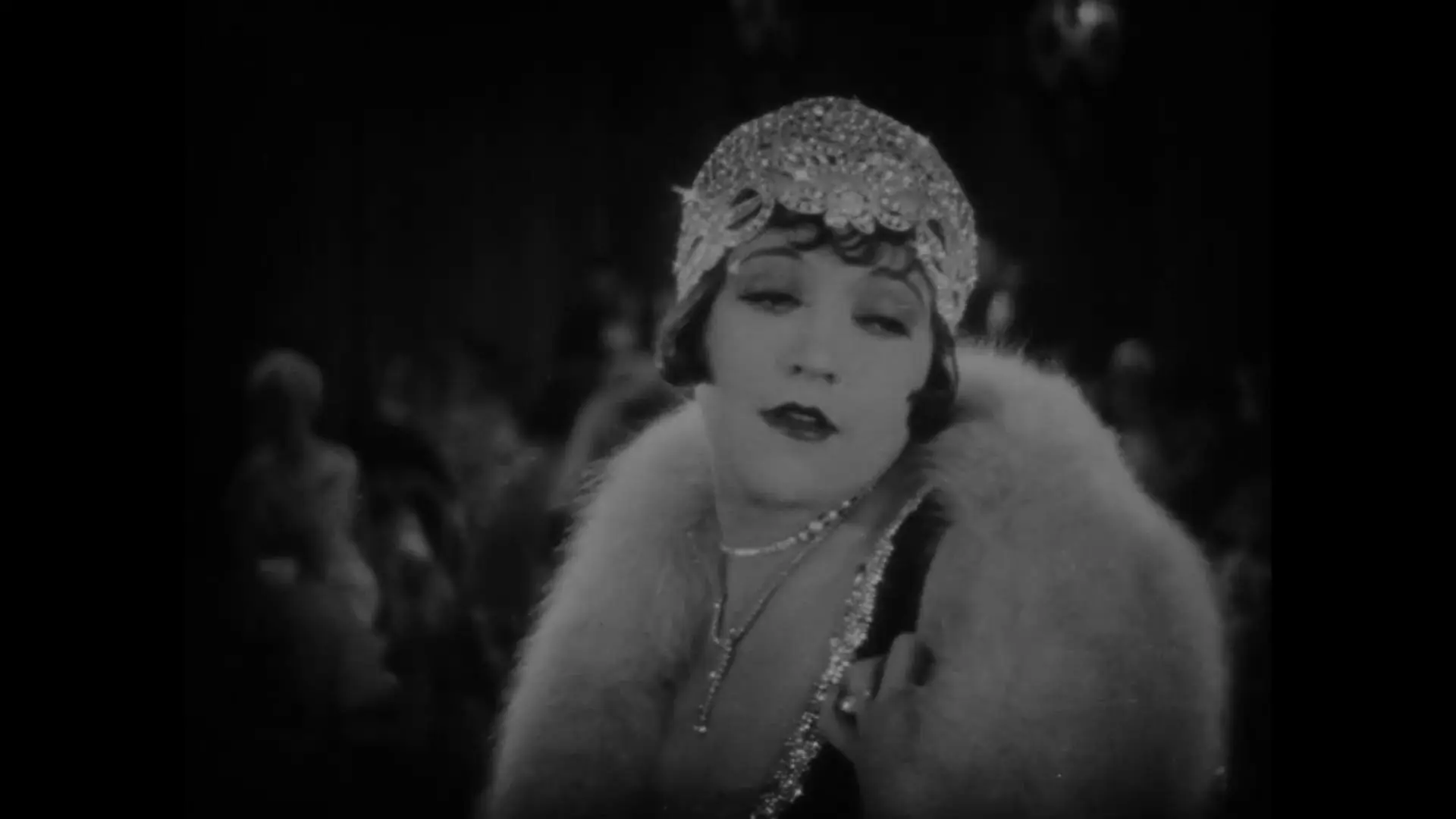
Cinematography, while not groundbreaking for its era, is functional and effective. The lighting is generally bright and even, ensuring that the actors' expressions and physical comedy are always clear. Close-ups are used judiciously to highlight reactions, particularly Prevost's, allowing the audience to fully appreciate her comedic genius. The camera often maintains a proscenium-arch perspective, mimicking a stage play, which further emphasizes the theatrical nature of the farce.
Scene from Up in Mabel's Room
Cinematic perspective: Exploring the visual vocabulary of Up in Mabel's Room (1926) through its definitive frames.
However, the film doesn't push any boundaries in terms of visual style. It prioritizes clarity and comedic effect over artistic innovation. While this is entirely appropriate for a farce, it means that "Up in Mabel's Room" doesn't stand out for its aesthetic beauty in the way some other silent films might. It's a utilitarian approach to filmmaking, entirely in service of the humor, and in that regard, it largely succeeds.
The Tone and Pacing: A Whirlwind of Wacky Woe
The tone of "Up in Mabel's Room" is unremittingly farcical. From the moment the initial misunderstanding occurs, the film plunges headlong into a world of escalating absurdity, never pausing for breath. There's a lighthearted, almost mischievous quality to the humor, even when the characters are in the throes of utter panic or despair. This unwavering commitment to its comedic tone is one of its greatest strengths; it knows exactly what it is and doesn't try to be anything more.
The pacing is frantic, a hallmark of silent comedies that often compensated for the lack of dialogue with heightened action and rapid-fire gags. Scenes transition quickly, and the characters are rarely stationary for long. This relentless momentum is crucial for maintaining the comedic energy, ensuring that the audience is swept along in the chaotic current of the plot. It's a whirlwind of wacky woe, where one problem immediately begets another, each more outlandish than the last.
This relentless pace, however, can also be a double-edged sword. For modern viewers accustomed to more varied narrative rhythms, the constant high-energy antics might eventually lead to a sense of exhaustion. While effective in short bursts, a full feature-length film maintaining this level of frenetic activity can feel somewhat relentless. There are few moments of quiet reflection or genuine emotional respite, which means the film, while funny, doesn't achieve significant emotional depth.
Scene from Up in Mabel's Room
Cinematic perspective: Exploring the visual vocabulary of Up in Mabel's Room (1926) through its definitive frames.
Compared to other films of its era, like the more character-driven comedies of Charlie Chaplin or Buster Keaton's technically brilliant stunts in The Man Trap, "Up in Mabel's Room" leans much harder into pure, unadulterated farce. It prioritizes the laugh-out-loud moment over the poignant one, the physical gag over the subtle character beat. It's a specific flavor of comedy, and if you're in the mood for it, it's incredibly satisfying.
Cultural Context and Enduring Relevance
Released in 1926, "Up in Mabel's Room" is a fascinating product of the Roaring Twenties, a decade marked by changing social norms and a burgeoning sense of modernity. The film's central conflict—marital suspicion fueled by a seemingly innocent purchase—speaks to anxieties around privacy, trust, and fidelity that were undoubtedly present in an era of rapid social change. The domestic sphere, once sacrosanct, was being re-examined, and the film plays on these societal undercurrents with a light, farcical touch.
It also offers a glimpse into the comedic sensibilities of the time. The exaggerated reactions, the reliance on physical gags, and the sheer speed of the narrative were all popular elements. This film, alongside others like Tangled Lives, reflects a period when cinema was still defining its language, borrowing heavily from stage traditions but increasingly finding its own voice through visual storytelling.
An unconventional observation is that the film's very datedness is, paradoxically, part of its enduring charm. The quaintness of the premise, the theatricality of the performances, and the straightforwardness of the gags offer a direct window into a bygone era of entertainment. It’s not just a comedy; it’s a living artifact, allowing us to see how humor functioned before the advent of synchronized sound.
While the specific context of a husband buying lingerie might seem trivial today, the core theme of miscommunication leading to absurd consequences remains timeless. Every generation grapples with the pitfalls of unsaid words and hasty judgments. In that sense, "Up in Mabel's Room" taps into a universal human experience, albeit through a highly stylized, comedic lens. It's a reminder that sometimes, the simplest explanation is often the correct one, and jumping to conclusions rarely ends well – especially in a farce.
Is This Film Worth Watching?
For those who appreciate the historical significance and unique artistic conventions of silent cinema, "Up in Mabel's Room" is absolutely worth watching. It's a prime example of a well-executed silent farce, showcasing the immense talent of its lead actors, particularly Marie Prevost, and the directorial skill required to craft coherent, fast-paced comedy without dialogue. It offers genuine laughs and a fascinating insight into early cinematic humor.
However, if your film diet consists primarily of modern blockbusters or character-driven dramas, approaching "Up in Mabel's Room" requires a significant shift in perspective. Its humor is broad, its pacing relentless, and its character depth minimal. It doesn't aim for profundity; it aims for laughter through chaos. If you can embrace that intention, you'll find much to enjoy. If not, it might feel more like a historical curiosity than a truly engaging film. It works. But it’s flawed.
Key Takeaways
Best for: Silent film enthusiasts, students of early comedy, and fans of physical, door-slamming farce.
Not for: Viewers seeking subtle humor, deep character development, or a slow-burn narrative.
Standout element: Marie Prevost's absolutely electrifying and hilarious physical performance as Mabel.
Biggest flaw: The relentless, one-note farcical pacing can become tiresome for some audiences, lacking moments of varied emotional intensity.
Pros and Cons
Pros:
Brilliant Physical Comedy: Marie Prevost delivers a masterclass in silent comedic acting, making every frantic movement and exaggerated expression count.
Relentless Pacing: The film's brisk and energetic tempo keeps the gags coming, ensuring a consistently lively viewing experience.
Historical Significance: An excellent example of 1920s farce, offering insight into the genre's conventions and early cinematic humor.
Clear Narrative: Despite the chaos, the central misunderstanding is always clear, making the escalating absurdity easy to follow.
Strong Ensemble: The supporting cast, particularly Carl Gerard and Harrison Ford, complement Prevost's energy effectively.
Cons:
One-Note Premise: The entire film hinges on a single misunderstanding, which, while effective, can feel stretched over a feature-length runtime.
Lack of Emotional Depth: The focus on pure farce means there's little room for character growth or genuine emotional resonance.
Can Be Exhausting: The constant high-energy and frantic pace might prove overwhelming or tiresome for viewers unaccustomed to silent film conventions.
Dated Humor: While still funny, some specific gags and comedic setups feel distinctly from another era and might not land with all modern audiences.
Limited Visual Innovation: The cinematography serves the plot but doesn't offer much in the way of groundbreaking visual artistry.
Verdict
"Up in Mabel's Room" is a spirited, if somewhat singular, example of silent-era farce. It's a film that demands a specific kind of audience: one willing to embrace its theatricality, its exaggerated performances, and its relentless, single-minded pursuit of comedic chaos. Marie Prevost is a force of nature, carrying much of the film's comedic weight with an energy that is still infectious nearly a century later. While its reliance on a prolonged misunderstanding can occasionally feel repetitive, and its lack of emotional nuance keeps it from transcending its genre, it remains a valuable and often hilarious window into the foundational elements of screen comedy. If you're curious about the roots of screwball or simply enjoy a good, old-fashioned, door-slamming romp, give this one a watch. Just be prepared for a wild, breathless ride that rarely slows down.