DbcultAccessing Vault...
7/10
Senior Film Conservator
A definitive 7/10 rating for a film that redefined the boundaries of cult cinema. Us remains a cornerstone of transgressive art.
Is Charley Chase's 1927 silent short, 'Us,' worth watching today? Short answer: absolutely, but with the understanding that it’s a specific kind of comedic experience. This film is a delightful, compact dose of classic slapstick that will resonate deeply with aficionados of early cinema and those who appreciate the meticulous craft of physical comedy, yet it might not hold the attention of viewers accustomed to modern narrative complexities or rapid-fire dialogue.
It's a testament to the enduring power of silent film to evoke laughter and genuine excitement without a single spoken word, making it a surprisingly engaging watch for the right audience. If you’re willing to immerse yourself in the subtle nuances of an era defined by visual storytelling, 'Us' offers a rewarding, albeit brief, escape.
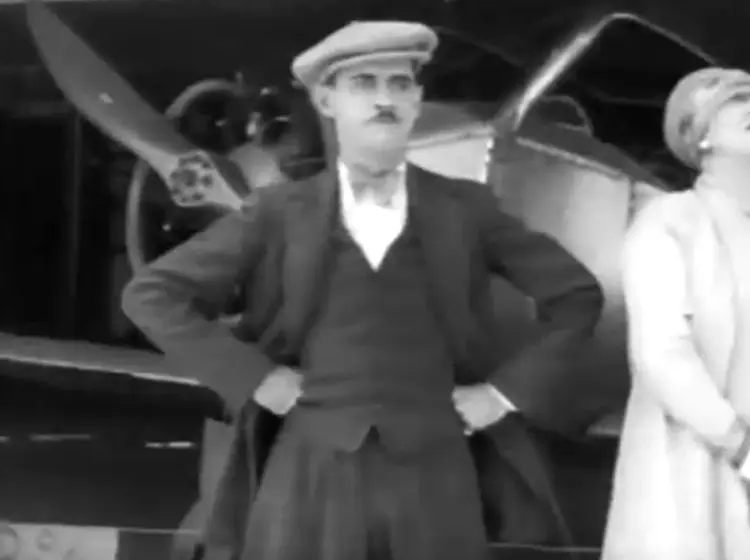
Charley Chase, often overshadowed by the titans of silent comedy like Chaplin and Keaton, carved out a unique niche for himself. His persona was less about grand, tragicomic pathos or death-defying athleticism, and more about the exasperated everyman caught in increasingly absurd situations. 'Us' is a prime example of this.
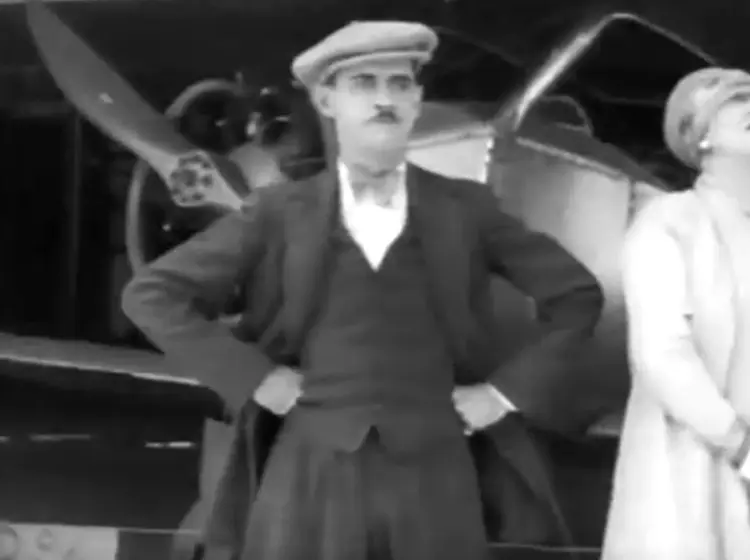
It’s a film that thrives on the universal anxiety of the unknown, magnified through Chase’s signature blend of dapper composure and escalating panic. The humor isn't just in the slapstick; it's in the relatable human reaction to chaos, a quality that makes his work surprisingly resonant even a century later.
The film’s brevity, a mere two reels, forces a conciseness that many modern comedies could learn from. Every gag lands with purpose. There’s no wasted motion, no extraneous plot point to distract from the central comedic premise.
This efficiency is a hallmark of the era, and director Leo McCarey, a frequent collaborator with Chase, understood how to maximize impact within these constraints. Their partnership consistently produced some of the most intelligent and well-structured short comedies of the period.
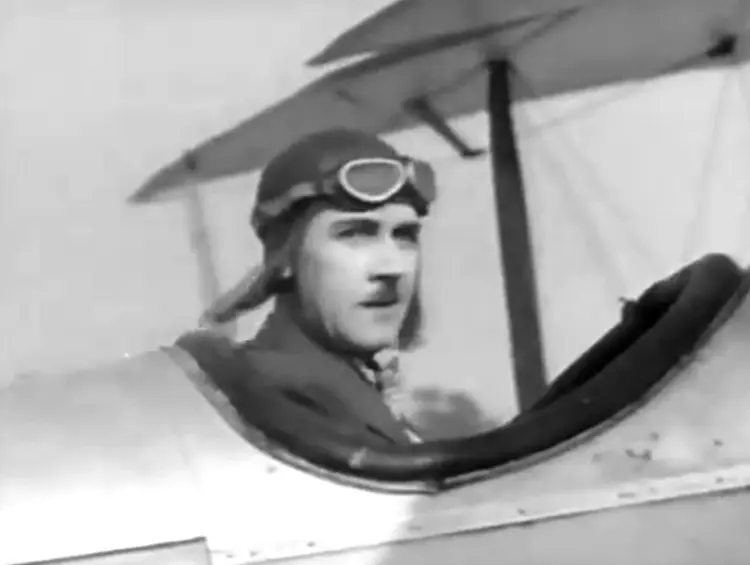
This film works because of its impeccable pacing and Charley Chase's masterful physical performance, making every moment of his aerial ordeal genuinely hilarious. This film fails because its brevity leaves you wanting more, feeling like a tantalizing appetizer rather than a full meal. You should watch it if you appreciate classic silent slapstick, a tightly constructed comedic premise, and the underrated genius of Charley Chase. It is not for those who demand complex narratives, extensive character development, or modern special effects. It's for the purist, the historian, and anyone needing a quick, hearty laugh.
The premise of 'Us' is deceptively simple: Charley Chase, as his eponymous character, must overcome his debilitating fear of flying. This isn't just a casual apprehension; it’s a phobia that manifests in full-body tremors and a comical reluctance to even look at an airplane. The film opens with Charley's almost visceral aversion, establishing his character's core conflict immediately.
His attempts to avoid the inevitable are a comedic goldmine, showcasing his talent for subtle facial expressions and exaggerated body language. We see him muster false bravado, only for it to crumble the moment an engine sputters or a propeller whirs. This human element, the struggle against an internal demon, provides a strong foundation for the ensuing physical comedy.
However, the plot quickly shifts from mere avoidance to forced participation. Through a series of unfortunate, yet hilarious, circumstances, Charley finds himself not just on an airplane, but in a situation where he’s experiencing the 'flight of his life.' This transition from reluctant passenger to an unwitting participant in aerial chaos is where the film truly takes off.
The specific details of what transpires mid-flight are best left for discovery, but suffice it to say, the filmmakers pull out all the stops to create a truly memorable and perilous journey for Charley. It's a sequence that leverages the novelty of early aviation for both wonder and comedic terror, a tightrope walk that 'Us' executes with surprising dexterity.
Leo McCarey’s direction in 'Us' is a prime example of how to make every second count in a short film. McCarey, who would go on to direct classics like
IMDb 4.8
1929
Community
Log in to comment.