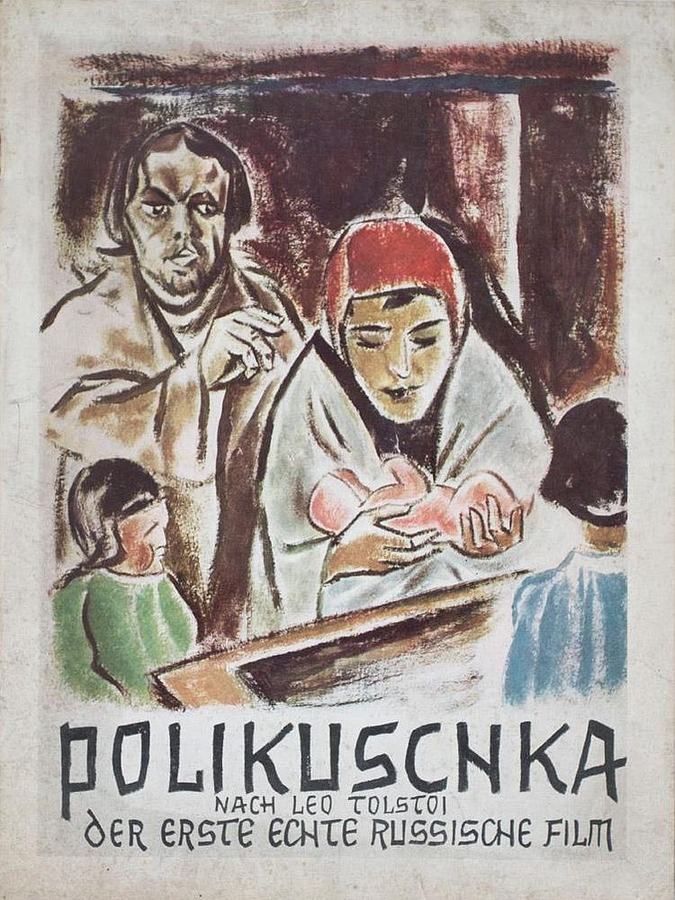
If you have a spare hour and you're into those dusty, black-and-white movies that feel like they were filmed in a basement, you should probably watch this.
It is definitely worth it for anyone who likes seeing how people used to act when they couldn't talk on screen. If you hate slow stories where people stare at each other for a long time, you will
totally hate this.
I sat down with this one thinking it would be another dry lecture about the revolution. But honestly? It's more of a
family nightmare.
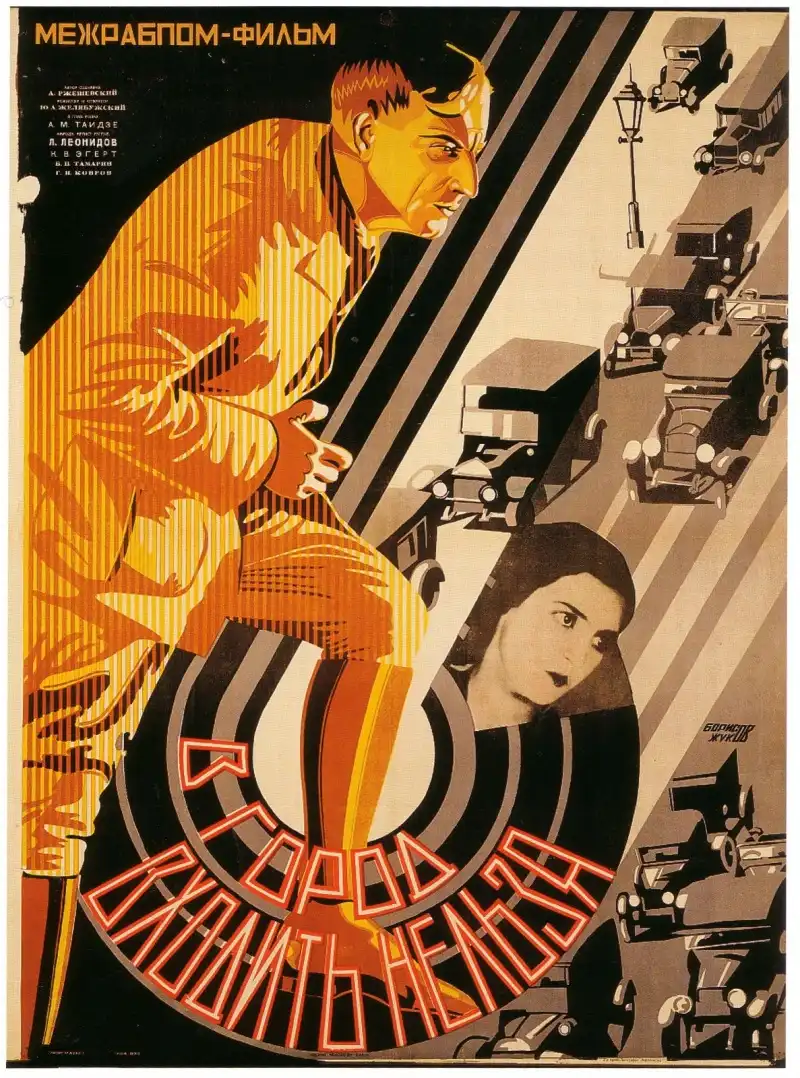
The plot is simple enough. This guy, played by Boris Tamarin, comes back to the city under a fake name to do some spying.
He’s a former White Army officer, which in 1929 movies basically meant he was the bad guy by default. He goes to find his dad, who is this big-deal professor.
Leonid Leonidov plays the father, and man, his face is incredible. He looks like he’s made out of
old leather and regret.
There is this one scene where the son is hiding in the apartment. The lighting is so dark you can barely see his eyes, just the shine on his forehead.
You can tell the director, Yuri Zhelyabuzhsky, really liked shadows. The shadows do more acting than some of the side characters.
The movie doesn't really care about the 'spy' stuff as much as I thought it would. It’s more about the awkward silences between the two men.
It reminded me a bit of the emotional weight in
Body and Soul, even though that’s a completely different kind of story. Both have that feeling of being trapped by your past.
There is a weird moment where a woman, I think it’s Aleksandra Toidze, just stands by a window for what feels like five minutes. She’s just
looking.
I kept waiting for something to happen, but it’s just her face. It’s actually kind of nice because it lets you think for a second.
The script was written by Aleksandr Rzheshevsky. He was famous for writing 'emotional' scripts that didn't have many instructions, just feelings.
You can really feel that here. The movie doesn't move like a clock; it moves like a
bad mood.
I noticed the son’s mustache is perfectly trimmed the whole time. Even when he’s supposed to be undercover and stressed out, that mustache is
flawless.
It’s a little funny, actually. You’d think a spy would try to look less like a movie star.
The sets are very cramped. Everything feels like it’s closing in on the characters, which makes the professor’s refusal to help his son feel even more cold.
It isn't as flashy as
The Lily and the Rose, but it has a grittier vibe that I liked more. It feels less like a stage play and more like a secret you're not supposed to be watching.
There’s a lot of propaganda in the background, obviously. It’s a Soviet film from the 20s, so you can't really escape that.
But if you ignore the 'political' message, the heart of it is just a dad who is disappointed in his kid. And that is a story that works in any language.
One thing that bothered me was the ending. It feels like it just
stops rather than finishing.
Maybe they ran out of film? Or maybe they just thought they’d said enough.
Either way, it left me sitting there in the dark for a minute just blinking at the wall.
The way the father looks at the door after his son leaves... it’s the saddest part of the whole thing.
I’ve seen a lot of these old silents, and many of them feel like museum pieces. This one feels like it still has a bit of a pulse.
It’s not perfect, and some of the acting is a bit much. Like, the way people grab their chests when they are surprised.
But the tension in that apartment? That’s real.
If you can find a good copy of it, give it a go. Just don't expect a James Bond movie.
It’s a movie about
walls—the ones in the city and the ones people build between each other. 🎞️