DbcultAccessing Vault...
7/10
Senior Film Conservator
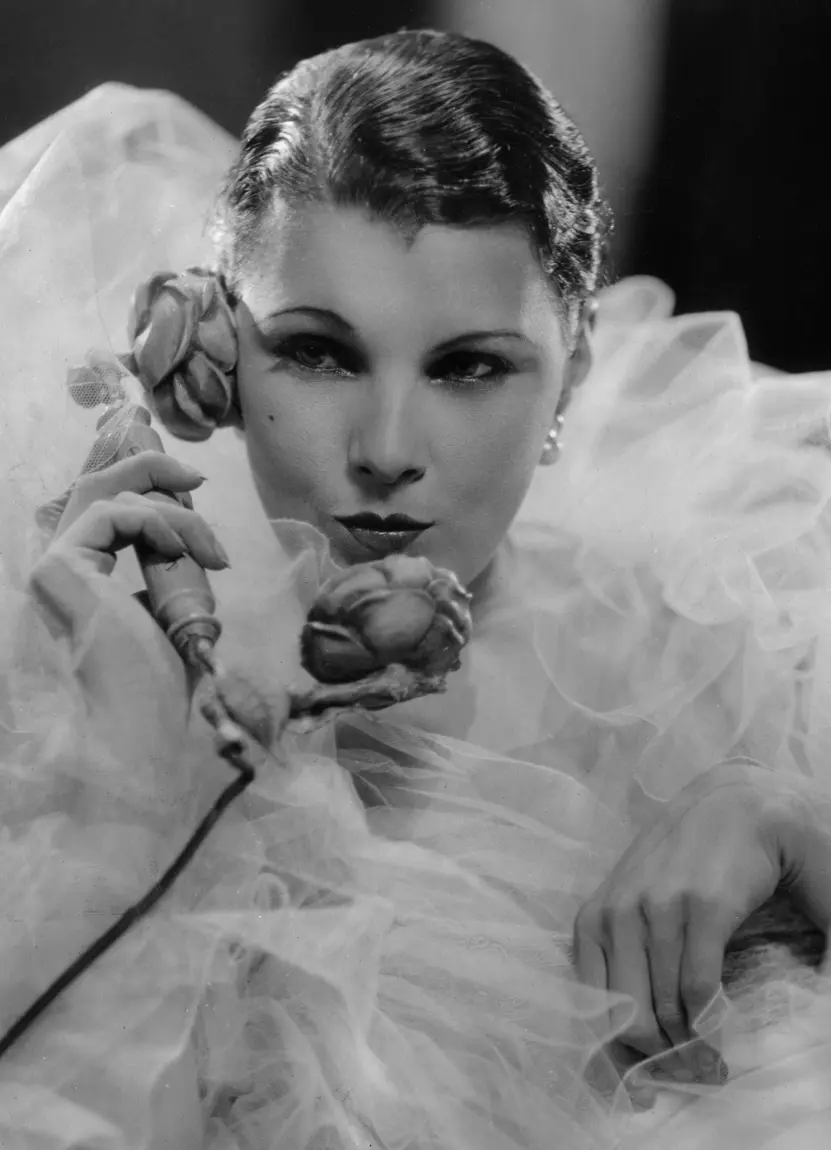
A definitive 7/10 rating for a film that redefined the boundaries of cult cinema. Vanity remains a cornerstone of transgressive art.
Is Vanity (1927) worth watching today? Short answer: yes, but with significant caveats. This silent drama, a relic from Hollywood's formative years, offers a fascinating glimpse into a bygone era of filmmaking and societal anxieties, making it a valuable experience for cinephiles and historians, though likely a challenging watch for casual viewers accustomed to modern pacing.
It's a film for those who appreciate the artistry and storytelling constraints of the silent era, particularly those interested in the evolution of melodrama and character-driven narratives without dialogue. However, it is decidedly not for audiences seeking fast-paced action, complex soundscapes, or contemporary narrative conventions.
William C. deMille’s Vanity plunges viewers into the precarious world of socialite Barbara Fiske, portrayed with compelling vulnerability by Leatrice Joy. Her impending marriage to the esteemed Lloyd Van Courtland is the bedrock of her societal standing, a carefully constructed façade that rests on reputation and propriety. The film masterfully establishes this delicate balance early on, setting the stage for its inevitable shattering.
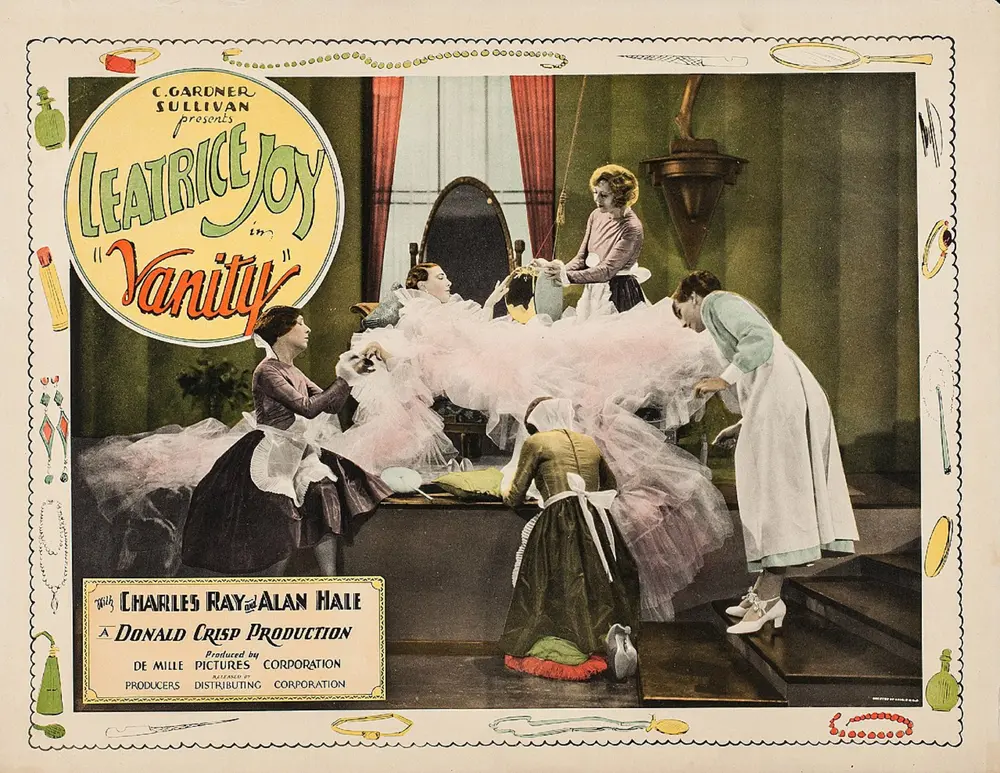
The inciting incident—Barbara’s clandestine visit to a charismatic steamship captain, played with a rogue’s charm by Alan Hale—is more than a mere plot device; it’s a commentary on the era’s rigid social codes. Such an act, even if innocent in intent, was a grave transgression, an open invitation for scandal in a society obsessed with appearances. The film doesn't just present the event; it frames it through the lens of impending doom, palpable in Joy's increasingly anxious expressions.
When a murder occurs aboard the captain's vessel, the stakes escalate dramatically. Barbara is not just a witness; she is implicated by association, her presence on the ship threatening to unravel her carefully curated life. This narrative choice, crafted by writers John W. Krafft and Douglas Z. Doty, brilliantly highlights the fragility of female reputation in the 1920s, where a single misstep could lead to social ostracization and ruin. It’s a theme that, while exaggerated for dramatic effect, still resonates with uncomfortable familiarity today.
Here’s a quick take on Vanity:
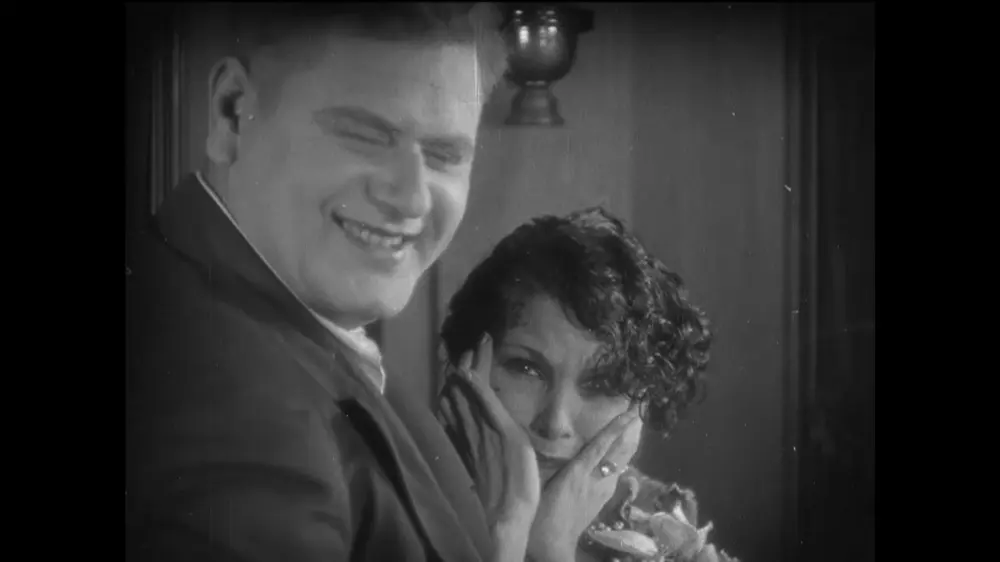
Leatrice Joy, a prominent star of the silent screen, carries much of Vanity's emotional weight. Her portrayal of Barbara Fiske is a masterclass in silent acting, relying heavily on subtle facial expressions, gestures, and body language to convey a spectrum of emotions from youthful naiveté to profound terror and despair. There’s a particular scene where the news of the murder first reaches her, and the slow dawning horror in her eyes is more effective than any spoken dialogue could be.
Joy avoids the common pitfall of overacting often associated with the silent era, instead opting for a nuanced performance that grounds Barbara's predicament in genuine human fear. She makes Barbara’s foolish decision understandable, rather than simply reckless, allowing the audience to empathize with her increasingly desperate situation. This empathetic connection is crucial, as without it, Barbara might simply come across as a victim of her own poor judgment rather than a woman trapped by circumstance.
Alan Hale, as the dashing yet dangerous captain, provides a compelling foil. His robust, almost theatrical presence contrasts sharply with Joy's more restrained performance, creating a dynamic tension that propels the narrative forward. While his character borders on caricature at times, it’s a necessary exaggeration to underscore the perilous allure that draws Barbara into her predicament. Noble Johnson, in a smaller but impactful role, also adds a layer of menace that enhances the film's dramatic stakes.
William C. deMille, brother of the more famous Cecil B. DeMille, directs Vanity with a keen eye for visual storytelling. While not as overtly flashy as some of his contemporaries, William deMille excels at using shot composition and editing to build suspense and convey emotional states. There are moments of genuine tension, particularly within the confines of the ship, where the shadows and tight framing amplify Barbara's entrapment.
The cinematography, though uncredited in many records, effectively utilizes light and shadow to enhance the film's dramatic tone. The contrast between the opulent, brightly lit social gatherings and the dimly lit, claustrophobic ship scenes is stark and intentional, visually representing Barbara’s descent from social grace into a world of danger and secrecy. One could argue that the film’s visual language, while perhaps not revolutionary, is exceptionally competent for its time, serving the narrative without drawing undue attention to itself.
However, the film's reliance on intertitles, while standard for the era, occasionally disrupts the flow. While well-written, they sometimes over-explain emotions or plot points that Joy’s performance could have conveyed more subtly. This is a common challenge for silent films, and Vanity navigates it with varying degrees of success. It’s a testament to the power of the visual medium when the film manages to communicate complex ideas without a single word on screen.
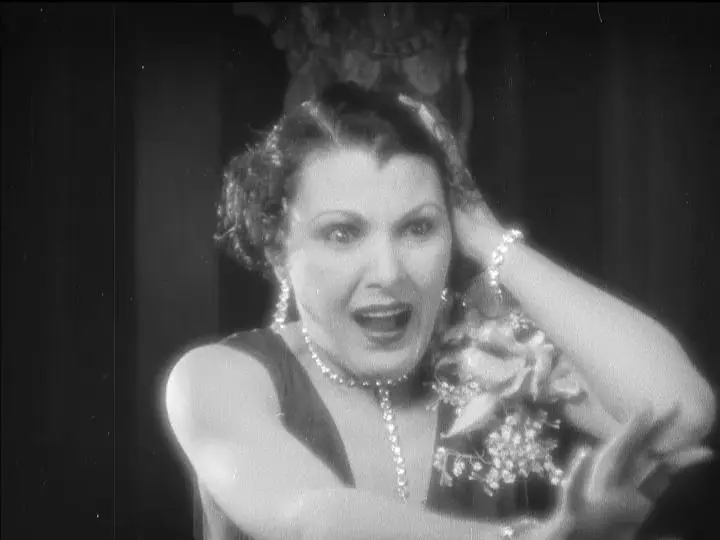
The pacing of Vanity is perhaps its biggest hurdle for modern audiences. Silent films, by their nature, often operated on a different rhythm, allowing scenes to linger and emotions to unfold more slowly. While this can be meditative, it can also feel ponderous. There are sequences in Vanity where the narrative momentum flags slightly, particularly in the build-up to the central conflict, demanding patience from the viewer.
The tone is undeniably melodramatic, a characteristic feature of 1920s cinema. The heightened emotions, the stark moral choices, and the looming threat of social ruin are all amplified. While some might find this theatricality charming, others may perceive it as excessive. It’s a film that asks you to fully embrace its period sensibilities, to understand that subtlety as we know it today was often traded for overt emotional expression.
One could even argue that the film's title, Vanity, extends beyond Barbara's personal failings to encompass the vanity of society itself – its superficial judgments and its unforgiving nature. This thematic depth elevates the film beyond a simple cautionary tale, giving it a more critical edge than many of its contemporaries. It works. But it’s flawed. The dramatic tension, once the murder occurs, is genuinely gripping, but reaching that point requires an investment.
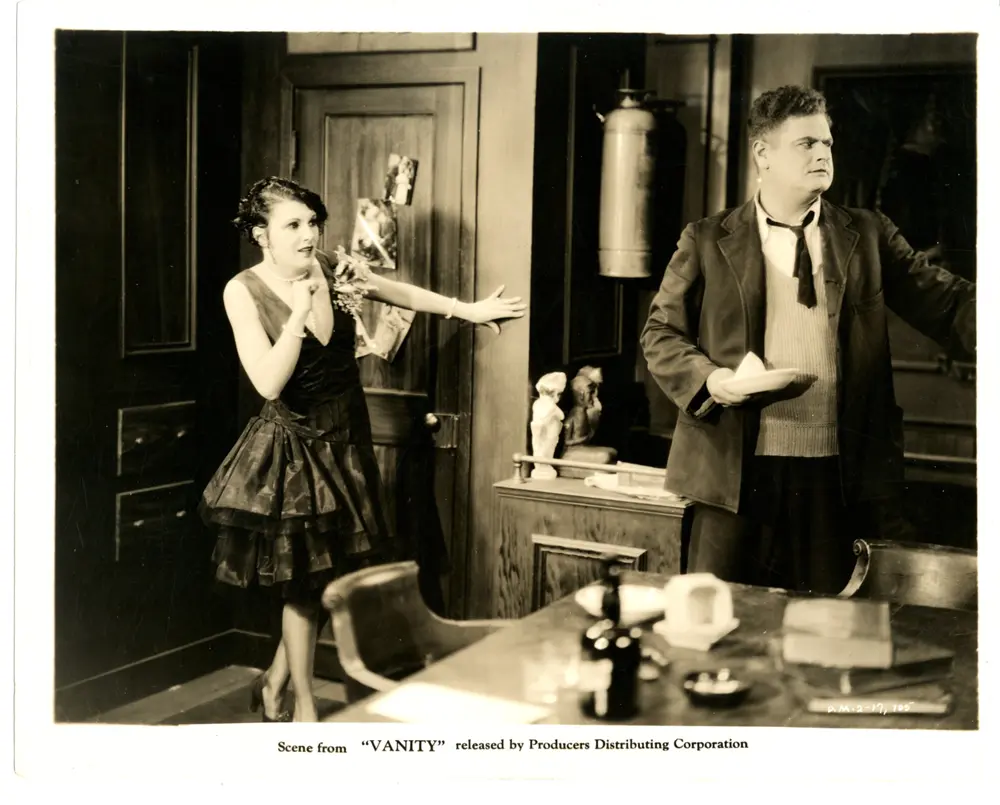
For those with an appreciation for cinema history, Vanity (1927) absolutely warrants a watch. It's a valuable artifact that showcases the narrative conventions and acting styles of the silent era. Leatrice Joy's performance alone is reason enough to seek it out, demonstrating the power of non-verbal storytelling.
However, if your primary interest lies in contemporary storytelling or you have little tolerance for the slower pace and melodramatic flourishes inherent to silent films, this might prove to be a challenging experience. It lacks the groundbreaking technical innovation of a film like The Mystic, but offers a solid example of mainstream silent drama. It’s a film that requires you to meet it on its own terms, to suspend modern expectations and immerse yourself in its historical context.
It's a strong entry in the genre of social commentary wrapped in melodrama, revealing much about the anxieties of its time. The film’s exploration of reputation, gender roles, and the consequences of indiscretion are themes that, despite their antiquated presentation, retain a surprising degree of relevance even today. The core human fear of public shame and ruin is timeless.
Vanity (1927) stands as a commendable piece of silent era drama, propelled by a strong lead performance and a narrative that, despite its age, touches upon timeless themes of reputation and social judgment. While its pacing and melodramatic tone require an adjustment for contemporary audiences, its historical value and Leatrice Joy's compelling screen presence make it a worthwhile watch for those willing to delve into the rich tapestry of early cinema. It’s not a film that will revolutionize your understanding of storytelling, but it offers a solid, if occasionally ponderous, exploration of human folly and societal pressure. Approach it with an open mind and an appreciation for its era, and you'll find a rewarding, if somewhat challenging, experience.
IMDb 5.3
1935
Community
Log in to comment.