DbcultAccessing Vault...
5.4/10
Senior Film Conservator
A definitive 5.4/10 rating for a film that redefined the boundaries of cult cinema. Venus of the South Seas remains a cornerstone of transgressive art.
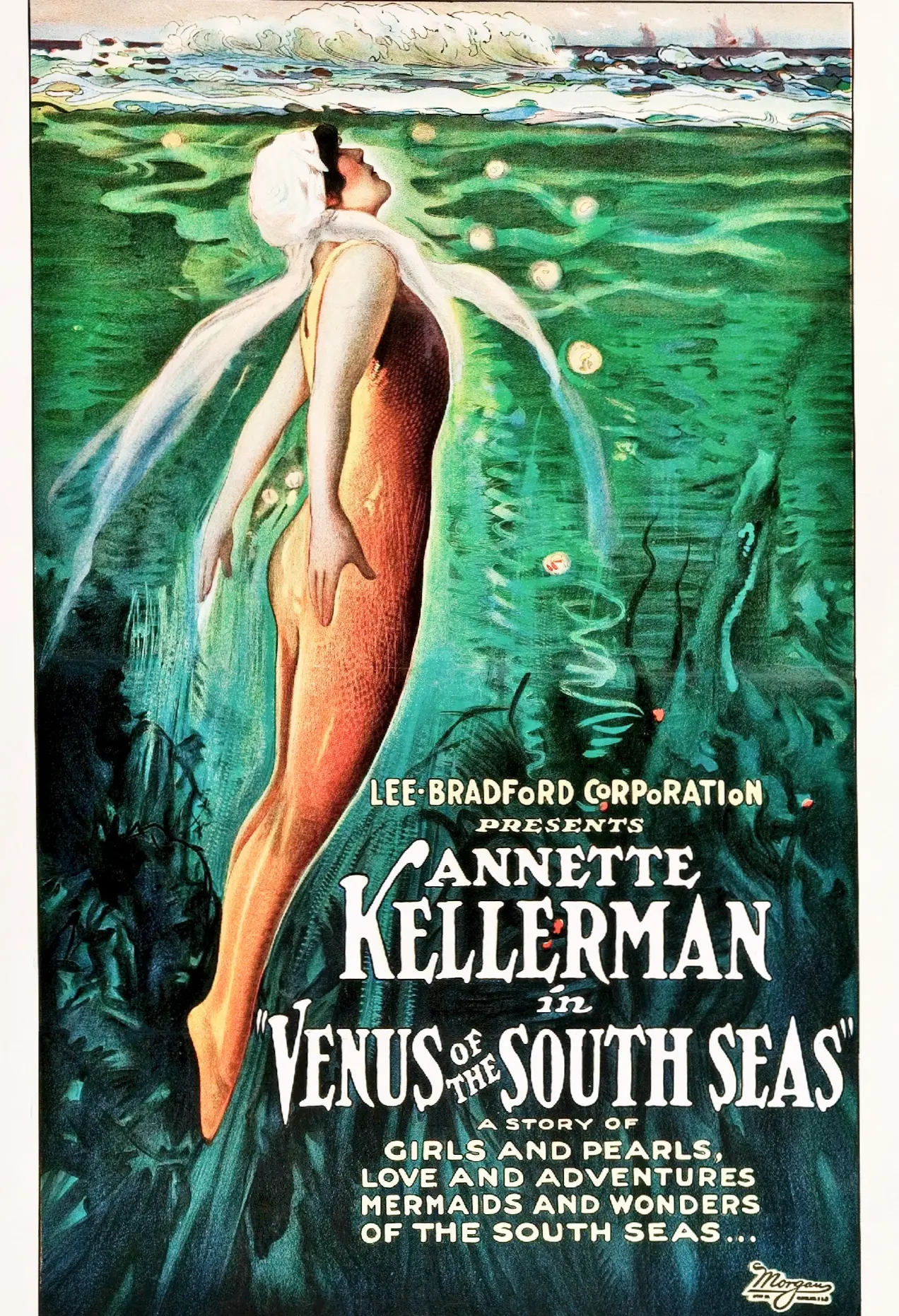
Stepping back into the silent era often feels like unearthing a forgotten treasure, and 'Venus of the South Seas' (1924) is precisely that: a shimmering, captivating relic from a bygone cinematic age. This isn't merely a film; it's a testament to the raw, unbridled appeal of early cinema, a canvas upon which grand melodrama, exotic adventure, and the magnetic pull of a unique star converged. Directed by James R. Sullivan and written by Alice Charbonnet Kellerman, this feature stands as a fascinating document, particularly due to the central presence of the extraordinary Annette Kellerman, a woman whose life story is arguably as compelling as any narrative she graced on screen. Her aquatic prowess, legendary in its own right, undoubtedly shaped the very essence of this production, transforming it from a simple tale into a spectacle of athleticism and nascent female empowerment.
Annette Kellerman, for those unfamiliar, was not just an actress; she was an iconoclast, a champion swimmer, a vaudeville sensation, and a pioneer for women in sports and entertainment. Her on-screen persona was a seamless extension of her real-life daring, her physical grace and comfort in water becoming a signature element of her films. In 'Venus of the South Seas', this is leveraged to magnificent effect. Kellerman embodies the daughter of a pearl business owner with an innate elegance, yet beneath that refinement lies an undeniable strength and resilience. Her performance, characterized by the exaggerated yet profoundly expressive gestures typical of silent film, conveys a spectrum of emotion – from the tender flush of first love to the crushing weight of grief and the fiery resolve of a woman fighting for her legacy. It's a masterclass in silent screen acting, where every glance, every subtle shift of posture, speaks volumes. Much like the audacious spirit found in a character navigating the complex world of Die Herrin der Welt 8. Teil - Die Rache der Maud Fergusson, Kellerman's heroine exudes an agency that was both progressive and captivating for her time.
The narrative unfolds with a classic melodramatic sweep, set against the breathtaking backdrop of the South Seas – a location that, even in black and white, evokes an irresistible sense of exoticism and adventure. Our protagonist, living a life of relative tranquility amidst the pearl trade, finds her world irrevocably altered by the arrival of a wealthy traveler, portrayed by Norman French. Their romance, depicted with a charming innocence characteristic of the era, forms the film's initial emotional anchor. French's portrayal offers a contrast to Kellerman's more robust presence, embodying the gentle, supportive lover whose affection offers a brief respite from the looming shadows. This idyllic phase, however, is merely the calm before the storm. The abrupt death of her father, a pivotal turning point, catapults the heroine into a position of unexpected vulnerability and immense responsibility. She inherits the pearl business, a domain traditionally occupied by men, forcing her to confront not only her personal grief but also the daunting challenges of leadership. This transition mirrors the struggles for self-determination seen in films such as The Social Code, where characters grapple with societal expectations and personal ambition.
It is at this juncture that Roland Purdie's character, the greedy ship captain, makes his malevolent intentions clear. Purdie masterfully crafts a villain who is both overtly menacing and subtly insidious, a stark contrast to the film's sun-drenched setting. His schemes to usurp the pearl business are the driving force of the latter half of the film, transforming the romantic drama into a tense battle for survival and legacy. The conflict isn't just about financial control; it's a deeply personal assault on the heroine's autonomy and her father's memory. Robert Ramsey, in a supporting role, adds another layer to the ensemble, though it is the dynamic between Kellerman and Purdie that truly ignites the screen. The narrative, while adhering to silent film conventions, possesses a surprising depth in its exploration of greed, betrayal, and the indomitable human spirit. The stakes feel genuinely high, a testament to Alice Charbonnet Kellerman's ability to craft a compelling, emotionally resonant storyline.
Even without the benefit of color or synchronized sound, 'Venus of the South Seas' manages to conjure a vivid world. The cinematography, though perhaps rudimentary by today's standards, effectively captures the allure of its tropical setting. One can almost feel the warmth of the sun and the gentle sway of palm trees, a testament to the power of visual storytelling in early cinema. The action sequences, particularly those involving Kellerman's aquatic skills, are a highlight, showcasing her athleticism in a way that feels both natural and spectacular. These moments are not mere diversions; they are integral to the character's strength and her ability to navigate the treacherous waters, both literally and figuratively, that her adversary presents. The film, in its essence, becomes a powerful allegory for female resilience in a world often dominated by male ambition. This theme resonates with the struggles depicted in other films of the era, where women often found themselves battling against formidable odds, much like the protagonist in Burning the Candle, who may face similar challenges in her own quest for independence or success.
The thematic undercurrents of the film are remarkably progressive for its time. While there's a clear romantic arc, the core struggle is one of a woman asserting her agency and protecting her inheritance. This isn't just a damsel in distress scenario; it's a narrative of a heroine who, despite her grief and vulnerability, rises to the occasion. The film subtly challenges traditional gender roles, presenting a protagonist who is not only beautiful and capable of love but also shrewd, determined, and physically adept. This kind of portrayal was groundbreaking, setting a precedent for stronger, more multifaceted female characters in cinema. Her journey from the sheltered daughter to the independent proprietor, battling a ruthless adversary, is compelling and timeless. It's a testament to the foresight of Alice Charbonnet Kellerman, the writer, in crafting a story that transcended simple escapism.
Watching 'Venus of the South Seas' today offers a unique window into the artistry of silent film. The reliance on visual cues, exaggerated expressions, and intertitles to convey dialogue and internal monologues forces a different kind of engagement from the audience. It demands a more active participation, an interpretation of gestures and gazes that modern cinema, with its constant auditory and verbal input, rarely requires. This film excels in this silent language, with Kellerman's expressive face and body language carrying much of the narrative weight. The emotional beats, from the tender moments of romance to the intense confrontations with the villain, are delivered with a clarity that transcends the lack of spoken words. This is a skill that few actors truly mastered, and Kellerman's performance stands out in this regard. One can draw parallels to the profound emotional depth conveyed through visual narrative in films like The Right to Be Happy or The Dreamer, where the unspoken often speaks the loudest.
The adventure elements, particularly the pearl diving and the confrontation with the captain, are staged with a sense of urgency and excitement. The film doesn't shy away from peril, creating genuine tension as the heroine fights to protect her legacy. This blend of romance, drama, and adventure makes 'Venus of the South Seas' a compelling watch, even for contemporary audiences. It's a reminder that compelling storytelling doesn't require elaborate special effects or complex dialogue; it merely needs strong characters, a clear conflict, and a passionate vision. The exotic setting, too, plays a crucial role, transporting viewers to a world far removed from their everyday lives, a common trope in early cinema designed to offer pure escapism, much like the allure of distant lands in The Lady of the Photograph.
In an era where female roles were often confined to domesticity or passive support, 'Venus of the South Seas' offers a refreshing counter-narrative. Annette Kellerman's character is a woman of action, intelligence, and unwavering spirit. Her ability to navigate both the emotional complexities of love and loss, and the practical challenges of running a business while fending off a villain, makes her a truly admirable figure. The film's enduring appeal lies not just in its historical significance as a Kellerman vehicle but also in its universal themes of love, loss, betrayal, and resilience. It speaks to the timeless human struggle against adversity, a battle fought with courage and cunning. Comparisons can be drawn to characters in films like The Man Life Passed By or Waifs, where individuals face profound personal and external obstacles, yet strive to overcome them.
The production values, while typical of a mid-1920s independent film, are more than adequate to convey the story. The sets, costumes, and location shooting (or clever use of studio sets to simulate the tropics) contribute significantly to the immersive quality. The interaction between the principal actors – Kellerman, French, Purdie, and Ramsey – is well-orchestrated, creating believable relationships and escalating tensions. Even the minor characters contribute to the overall fabric of this South Seas saga. The film serves as a compelling reminder of the power of early cinema to transport, entertain, and even subtly challenge societal norms. It's a vibrant piece of cinematic history that deserves to be rediscovered and appreciated for its pioneering spirit and the formidable talent of its star.
Moreover, the film's structure, while seemingly straightforward, effectively builds suspense and emotional investment. The initial romantic interlude establishes the heroine's personal stakes, making her subsequent struggle against the greedy captain all the more poignant. The abruptness of her father's death is a classic melodramatic device, but it's handled with a gravity that grounds the narrative. This film offers a compelling argument for the enduring power of silent cinema, demonstrating how skilled performers and thoughtful screenwriting could weave narratives that captivated audiences without a single spoken word. It stands proudly alongside other compelling dramas of the era, perhaps sharing a certain narrative gravitas with films like Der Eid des Stephan Huller, despite their vastly different settings. It's a film that leaves a lasting impression, not just for its historical context, but for its genuine emotional resonance and the sheer force of Annette Kellerman's presence.
In conclusion, 'Venus of the South Seas' isn't just a historical curiosity; it's a vibrant, engaging piece of storytelling that showcases the unique talents of Annette Kellerman and the narrative ambition of its creators. It's a journey into a world of exotic beauty, tender romance, and treacherous ambition, all filtered through the captivating lens of silent cinema. The film's focus on a strong female protagonist who takes charge of her destiny, rather than succumbing to circumstances, provides a refreshing and enduring message. It's a testament to the fact that even in the nascent years of filmmaking, stories of empowerment and adventure could be told with profound impact, leaving audiences pondering the depths of human courage and depravity. This film reminds us that the fundamental elements of compelling drama – character, conflict, and resolution – have always been at the heart of cinematic art, regardless of the technological advancements that have followed. It’s a compelling watch for anyone interested in early cinema, the history of female representation on screen, or simply a good, old-fashioned melodrama set in a stunning locale. The themes of inheritance, betrayal, and fighting for what is rightfully yours are universal, echoing through time and across various cinematic landscapes, even potentially resonating with the legal battles or moral dilemmas found in a film like Some Judge or the intense personal stakes in The Burning Question. The film's blend of action, romance, and a compelling central performance ensures its place as a noteworthy entry in the silent film canon. Its ability to transport viewers to a different time and place, to evoke powerful emotions without spoken dialogue, is a true marvel, cementing its status as a gem from the golden age of silent film.

IMDb —
1922
Community
Log in to comment.