DbcultAccessing Vault...
Cult Review
Senior Film Conservator
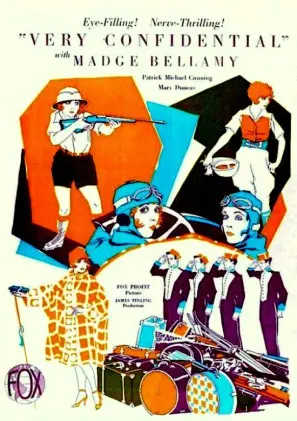
Is 'Very Confidential' worth unearthing today? Short answer: yes, but with significant caveats. This film is a delightful diversion for aficionados of early Hollywood comedies and silent-era star power, particularly those with a soft spot for the effervescent Madge Bellamy. However, viewers expecting modern comedic pacing or nuanced character development will find its charms fleeting and its narrative contrivances challenging.
It’s a film that demands a certain generosity from its audience, a willingness to step back into a bygone era of storytelling where broad strokes and star charisma often trumped intricate plotting. For those who appreciate the historical context and the unique energy of silent cinema, there’s genuine enjoyment to be found. For others, it might feel like a charming, yet ultimately dated, curio.
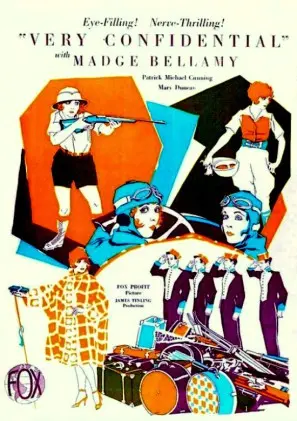
In the annals of silent cinema, 'Very Confidential' (1927) emerges as a fascinating, if not entirely flawless, example of the mistaken identity trope, elevated primarily by the magnetic presence of its star, Madge Bellamy. Directed by James Kevin McGuinness, this comedy of errors plunges us into a world where social standing and perceived prowess dictate attraction, setting the stage for a delightful, if at times predictable, series of comedic scrapes.
The premise is deliciously simple: Madge Murphy, a fashion model, spies an opportunity to win the affections of Roger Allen by impersonating the famed sportswoman Adelaide Melbourne. Allen, smitten with Melbourne’s public image, is an easy mark for Madge’s audacious scheme. What follows is a whirlwind of physical comedy and near-catastrophes as Madge, utterly unskilled in athletics, attempts to maintain her facade amidst speedboats, auto races, and the ever-present threat of exposure by the scheming Priscilla Travers.
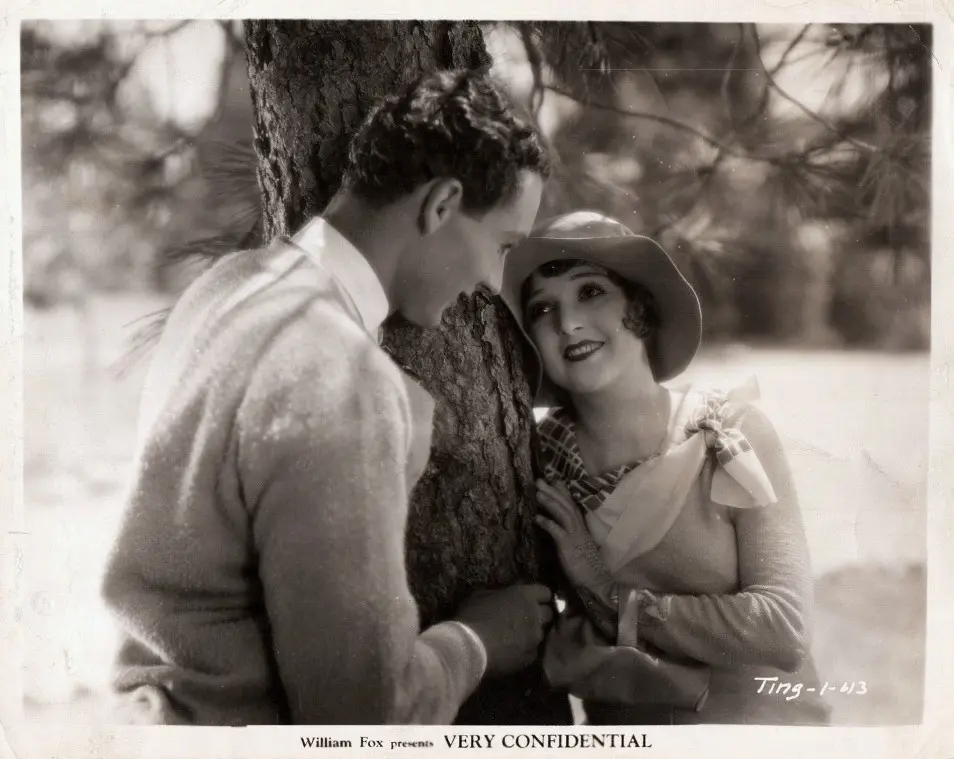
This film works because of Madge Bellamy’s undeniable charm and the sheer audacity of its central conceit, which still holds a certain comedic appeal.
This film fails because its pacing often sags in the quieter moments, and some supporting characters are little more than caricatures, serving only to propel Madge’s predicament.
You should watch it if you're a devotee of silent film history, appreciate a strong female lead performance, and don't mind a narrative that prioritizes slapstick and romance over deep thematic exploration.
The undeniable heart of 'Very Confidential' is Madge Bellamy. Her performance is a masterclass in silent-era acting, balancing physical comedy with genuine emotional vulnerability. Bellamy, known for her roles in films like The Busher and Dangerous Waters, possesses an expressive face and a lithe physicality that makes her perfectly suited for the demands of this role. She isn't just playing a character; she's embodying the frantic energy of a woman perpetually on the brink of discovery.
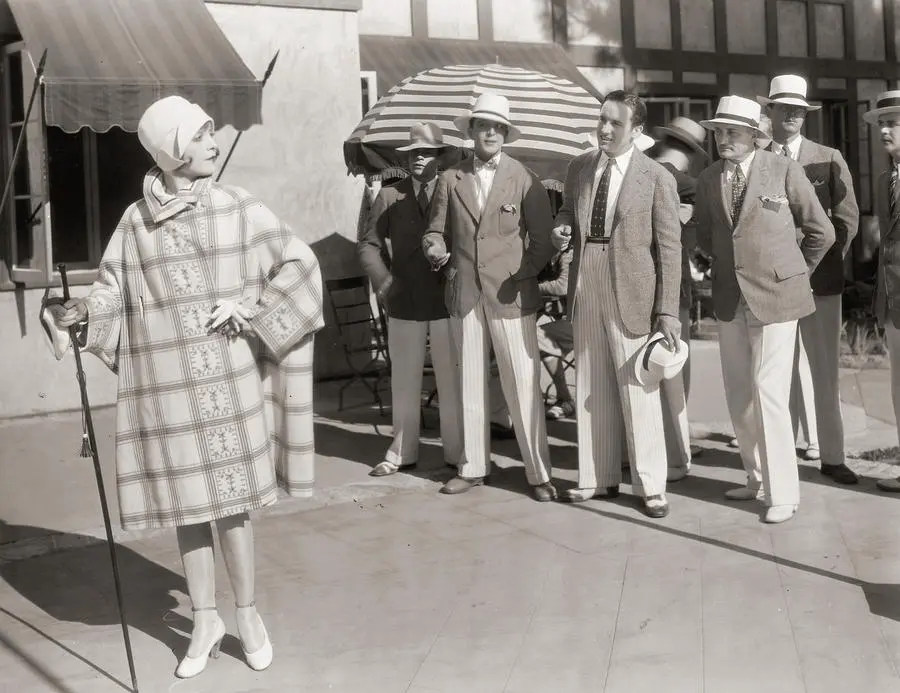
Consider the scene where Madge, as the supposed Adelaide Melbourne, is forced to handle a speedboat. Bellamy conveys the character’s terror and inexperience through wide, frantic eyes and exaggerated, flailing movements, yet never loses the underlying determination to keep up the charade. It’s a delicate balance between incompetence and charm, and Bellamy nails it, eliciting both laughter and sympathy from the audience.
Her ability to shift from wide-eyed panic to a demure, convincing smile is remarkable. She uses her entire body to communicate, from the subtle clenching of her jaw in moments of stress to the expansive gestures of feigned confidence. This isn't just acting; it's a full-body performance that captivates and endears. It works. But it’s flawed.
James Kevin McGuinness, who also co-wrote the screenplay with Randall Faye, navigates the film with a functional, if not groundbreaking, directorial style. The action sequences, particularly the speedboat chase and the climactic auto race, are competently staged for the era. They provide the necessary thrills and comedic opportunities, demonstrating a clear understanding of what makes a silent action sequence engaging.
However, the film’s pacing is its most significant weakness. While the high-stakes moments are appropriately energetic, the interstitial scenes often drag. There are stretches where the narrative momentum flags, relying too heavily on reaction shots or prolonged exposition that could have been tightened. This uneven rhythm occasionally pulls the viewer out of the story, making the nearly 70-minute runtime feel longer than it should.
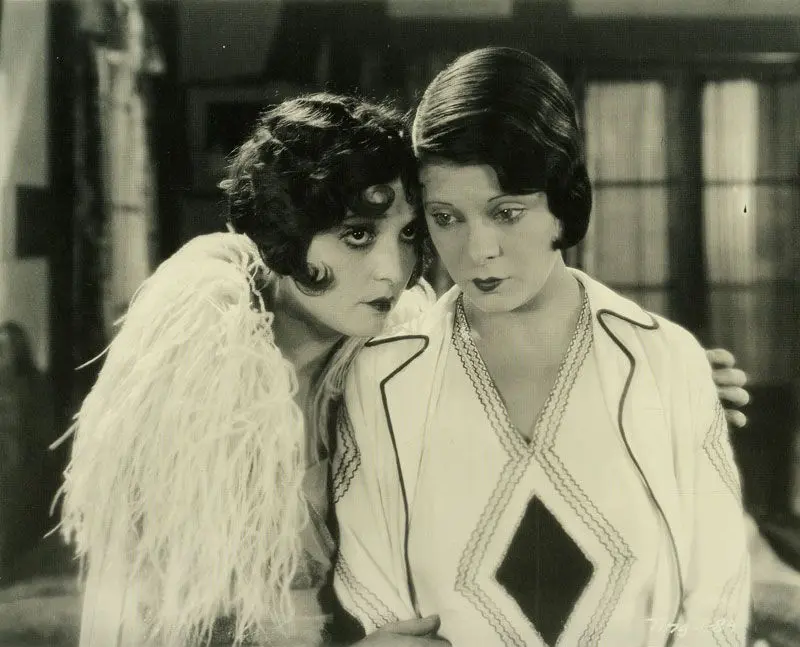
For instance, the initial setup of Madge’s plan, while necessary, feels a touch too leisurely. A more brisk opening could have propelled the audience into the deception with greater urgency. In contrast, films like Mind the Paint Girl often demonstrated a snappier approach to exposition, ensuring the audience was hooked from the first frame.
The cinematography in 'Very Confidential' is characteristic of its time: clear, functional, and largely focused on capturing the performances and the action. There are no grand, sweeping artistic flourishes here, nor are there experimental camera techniques. Instead, the camera serves as an honest observer, documenting Madge’s escapades with a straightforward gaze.
The outdoor sequences, particularly those set at the resort and during the races, benefit from natural light, giving a sense of authenticity to the glamorous, yet often perilous, world Madge inhabits. The close-ups on Bellamy are effective, allowing her nuanced expressions to carry much of the comedic and dramatic weight. While not visually revolutionary, the film’s look is perfectly adequate for its narrative ambitions, creating a believable backdrop for the farcical events.
The supporting cast, while not given the same depth as Bellamy, fulfills their roles adequately. Joseph Cawthorn as a bumbling, easily manipulated figure provides some effective comedic relief, often falling victim to Madge’s cunning. Mary Duncan, as the antagonistic Priscilla Travers, embodies the jealous rival with a sneering intensity typical of silent film villains. Her machinations provide the necessary external conflict, though her character remains largely one-dimensional.
The film touches on themes of identity, social aspiration, and the performative nature of self. Madge’s willingness to completely reinvent herself for love speaks to a certain desperation, but also to an admirable resilience. The narrative ultimately champions authenticity, as Madge wins Roger’s affection not through her deception, but by revealing her true self. This message, while perhaps a little too neatly packaged, remains timeless.
One unconventional observation is that the film’s true strength lies not in its grand set pieces, but in the quiet, desperate moments where Madge is forced to improvise. The frantic glances, the forced smiles, the internal struggle playing out on her face – these are the moments that truly sell the comedy and the character’s plight, often more effectively than the more extravagant action sequences.
Yes, 'Very Confidential' is worth watching for specific audiences. It’s a delightful historical artifact that showcases the talent of Madge Bellamy. It offers a window into the comedic sensibilities of the late silent era. If you appreciate the charm of vintage cinema and don't mind a slower pace, you will find it entertaining. However, if you are looking for modern storytelling or intricate plots, it might not be for you. It's a film that requires an appreciation for its context.
‘Very Confidential’ is a charming, if imperfect, relic of the silent era. Its greatest asset is undoubtedly Madge Bellamy, whose spirited performance alone makes the film a worthwhile watch for those interested in early Hollywood. While the pacing can be a challenge and some of its comedic beats have aged, the film offers a delightful escapist fantasy of mistaken identity and daring adventure.
It’s not a film that will redefine your understanding of cinema, nor will it be universally adored. But for those willing to engage with its historical context and appreciate its star's undeniable talent, 'Very Confidential' offers a quaint, entertaining glimpse into a bygone era of cinematic storytelling. It’s a pleasant diversion, a testament to Bellamy’s enduring appeal, and a gentle reminder of the simple joys of a well-executed, if slightly flawed, comedic premise.
IMDb 6.1
1928
Community
Log in to comment.