DbcultAccessing Vault...
6.9/10
Senior Film Conservator
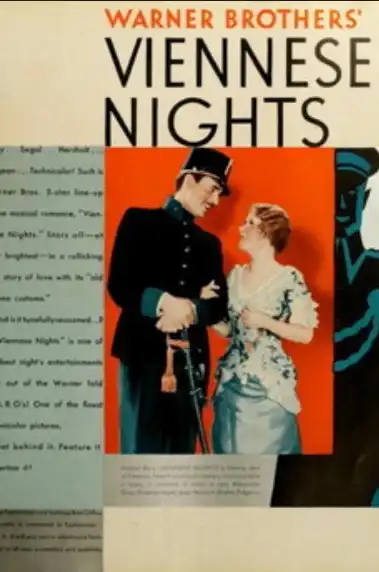
A definitive 6.9/10 rating for a film that redefined the boundaries of cult cinema. Viennese Nights remains a cornerstone of transgressive art.
You should probably watch Viennese Nights if you’ve got a soft spot for movies that look like a faded Victorian Valentine’s card. If you can’t stand operettas where people sing their feelings instead of just talking like normal humans, you are going to have a very bad time. It’s for the folks who like to see how movies used to look when color was brand new and experimental.
I wasn't sure what to expect going in. Most movies from 1930 are either super clunky or weirdly fast. This one is a bit of both. It’s written by Oscar Hammerstein II, which is a big deal, but it feels more like a stage play that someone accidentally filmed. 🎨
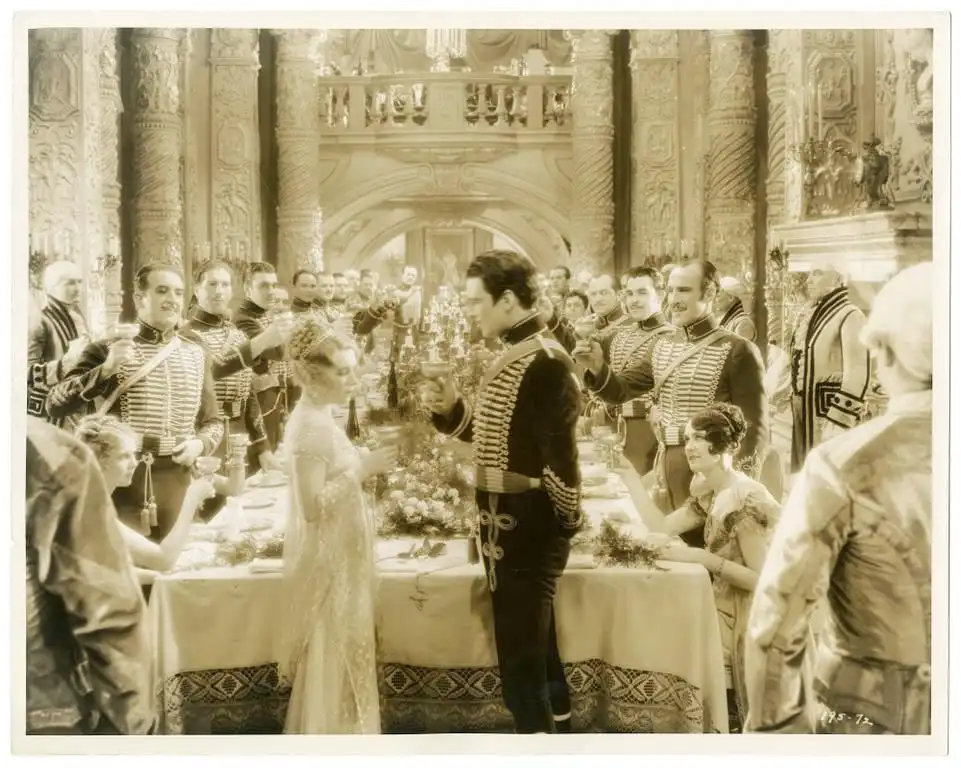
The story starts in 1890 Vienna. Everything is very bright. The colors are that early two-strip Technicolor where everything is either peach, orange, or a weird shade of teal. It’s not realistic at all. It feels like living inside a box of crayons that mostly has the sunset colors left.
Gus is the main guy at first. He’s a soldier and he writes music. He’s played by Alexander Gray, who has this very stiff way of standing. He looks like he’s trying really hard not to wrinkle his uniform. He meets Elsa, who is poor but very pretty. They do the whole 'love at first sight' thing which usually bugs me, but here it’s kind of sweet in a sugary way.
Elsa is the one who messes everything up. She likes Gus, sure. But she sees this rich officer named Franz and decides that having money is better than being in love. You can see it in her eyes during the party scene. She looks at the fancy dresses and then at Gus, and you just know she’s going to pick the wrong guy.
She marries Franz. Gus is heartbroken. They both end up in these miserable marriages that last for decades. It’s actually kind of depressing for a musical. Usually, these things are light and fluffy, but this one gets heavy. The movie shows them getting older and just... being sad. 😔
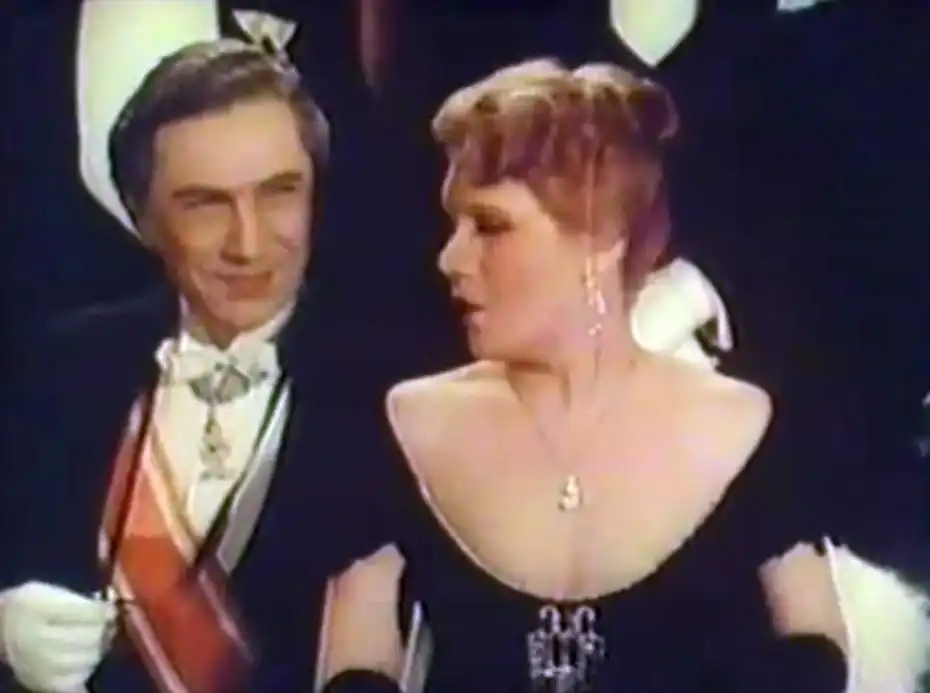
There is this one scene where Elsa is sitting in her big house and she looks so lonely. The camera stays on her just a bit too long. You can feel her thinking about all the songs she could have been singing with Gus instead of sitting in a quiet room with a guy she doesn't like. It's a very human moment for a movie that is otherwise full of people wearing giant hats.
Speaking of giant hats, the costumes are wild. Everyone looks like they are carrying five pounds of fabric on their heads. It makes the actors move in this very careful, slow way. It adds to the feeling that they are all trapped in their social roles.
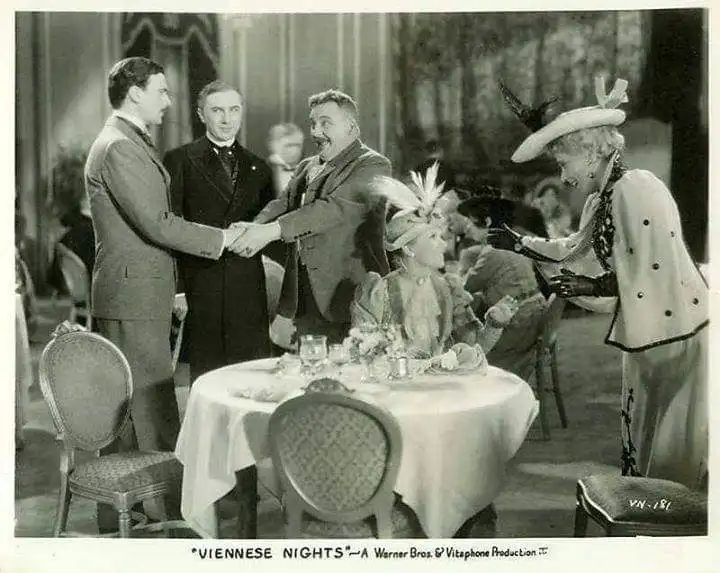
The weirdest thing about this movie is seeing Bela Lugosi. He shows up for like, two minutes. He isn't a vampire or a monster. He’s just a guy. I think he plays a diplomat or an ambassador? It’s so jarring to see him in this bright, colorful world without a cape. If you blink, you will miss him. He doesn't even have a big speech. He’s just there, being Hungarian and mysterious in the background. It reminded me of his role in The Unknown, except way less creepy.
The music is pretty good if you like that old-fashioned style. The songs have these big, sweeping melodies. But sometimes they start singing right in the middle of a conversation and it feels a bit jumpy. Like the movie forgot it was a drama and remembered it was a musical at the last second.
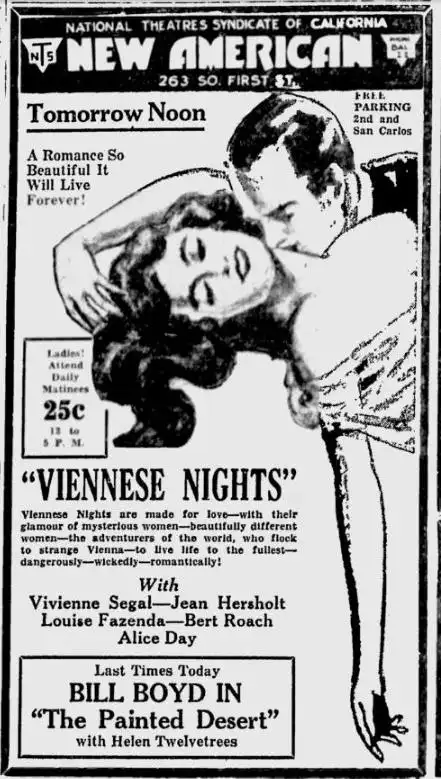
There’s a character named Vivienne who basically shows up just to stop Gus and Elsa from having an affair. She’s like the morality police. She tells them to stop it and they just... do. It felt a bit rushed. I wanted more drama there, but I guess 1930 audiences needed things to be a bit more proper. Vivienne Segal plays her and she’s got a great voice, but her character is kind of a buzzkill.
Then the movie jumps to 1930. Elsa is an old lady now. She’s played by the same actress but with white hair and more makeup. It’s a bit funny because her voice doesn't really change that much. She still sounds like a young girl, which is kind of haunting if you think about it too much.
Her granddaughter, Barbara, falls in love with Gus's grandson. It’s very convenient. The movie tries to say that love survives through the generations. It’s a nice thought. The two young people are played by the same actors who played the original couple. It’s a bit confusing at first if you aren't paying attention. I had to double-check that I hadn't accidentally rewound the movie.
The ending is a real tear-jerker. Elsa helps the kids get together because she doesn't want her granddaughter to end up lonely and rich like she did. She dies right after they get married. It’s very dramatic. She just kind of fades away while looking at a photo. It’s a bit cheesy, but I’ll admit I felt a little something in my chest. 💔
The movie is way better than some of the other stuff from that year, like The Americano. It actually has a heart, even if that heart is buried under a lot of lace and powder. It’s not a perfect film. The pacing is weird and some of the acting is very broad. But it’s got a vibe that you just don't find anymore.
"I have lived a long time, and I have learned that money is just paper, but a song lasts forever."
I'm pretty sure that wasn't a real quote from the movie, but it feels like something they would say. Everything is very 'meaningful' like that. If you like historical romances where everyone is very polite while their lives fall apart, give this a look. It’s a bit like looking through a telescope into a world that never really existed, but everyone wished it did. It's beautiful and sad and a little bit silly.
Just don't expect it to move fast. It’s a slow stroll through a park, not a race. Grab some tea and settle in. It’s worth it for the colors alone, honestly. 🍵✨
IMDb 5.1
1934
Community
Log in to comment.