DbcultAccessing Vault...
5.3/10
Senior Film Conservator
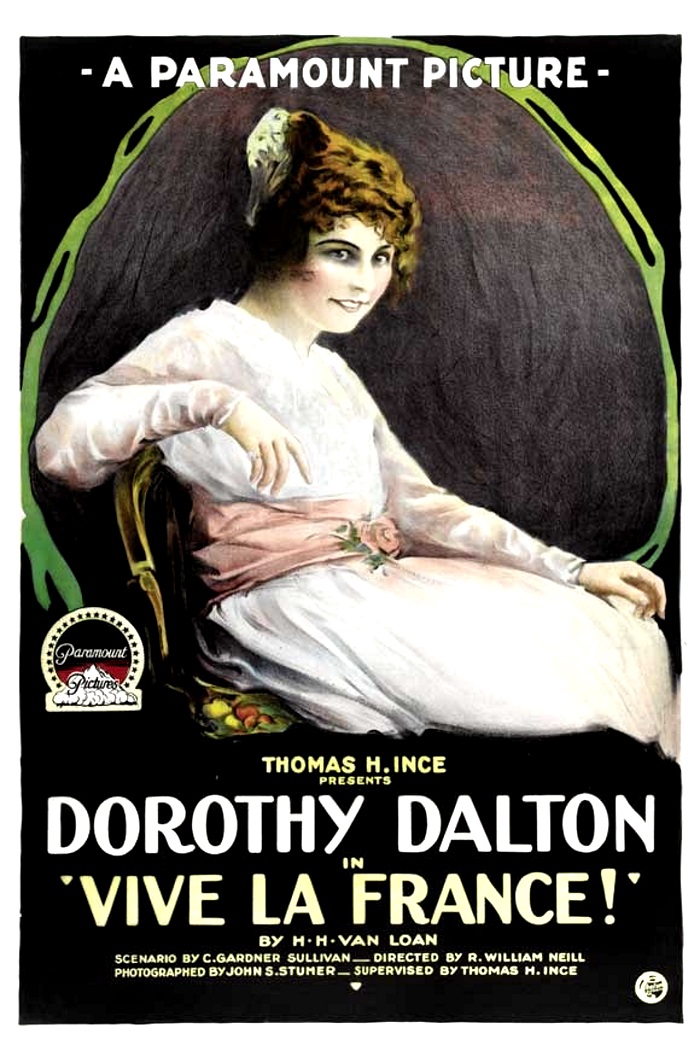
A definitive 5.3/10 rating for a film that redefined the boundaries of cult cinema. Vive la France! remains a cornerstone of transgressive art.
In the tumultuous landscape of early 20th-century cinema, few narratives captured the public consciousness with the raw emotional intensity of wartime melodramas. Vive la France!, a 1918 production, emerges as a quintessential example, a cinematic artifact deeply imbued with the patriotic fervor and personal devastation characteristic of its era. This isn't merely a film; it's a testament to the prevailing spirit of resilience, a mirror reflecting the profound anxieties and unwavering hopes of a world embroiled in unprecedented conflict. Penned by the formidable duo of C. Gardner Sullivan and H.H. Van Loan, the screenplay weaves a narrative tapestry rich with sacrifice, heroism, and the enduring power of human connection against an unforgiving backdrop.
At its heart lies Genevieve Bouchette, portrayed with a compelling blend of vulnerability and steel by the luminous Dorothy Dalton. Genevieve's journey begins in the sophisticated realm of an actress, a life of artifice and applause, only to be violently upended by the grim realities of the Great War. The news of her parents' tragic deaths in their native village of Deschon, now under siege, propels her back to the very front lines of human suffering. This forced metamorphosis from stage to battlefield, from performer to Red Cross worker, instantly establishes a powerful emotional anchor for the audience. Dalton masterfully conveys this transition, her initial shock giving way to a resolute determination that defines the character's subsequent actions. It's a portrayal that resonates with the real-life courage of countless women who, during this period, stepped out of traditional roles to serve their nations in extraordinary capacities.
The film escalates its dramatic tension significantly with the German occupation of Deschon. This segment of the narrative plunges Genevieve into a moral quagmire, testing the very limits of her resolve. Confronted by the lecherous demands of an enemy soldier, her refusal to submit is not just an act of personal defiance but a symbolic stand against the subjugation of her homeland and her dignity. The brutal consequence – her branding with the 'cross of shame' – is a profoundly visceral and disturbing moment. It is a physical manifestation of the war's psychological and emotional scars, a mark of both suffering and unwavering moral fortitude. This particular plot point, while overtly melodramatic by modern standards, would have struck a deep chord with contemporary audiences, evoking outrage and sympathy in equal measure. It's a cinematic representation of the profound personal cost exacted by conflict, a theme explored with similar intensity in films like The Unpardonable Sin, where the moral degradation inflicted by war becomes a central narrative pillar.
The narrative concurrently tracks the perilous journey of Jean Picard, Genevieve's sweetheart, portrayed by Edmund Lowe. Lowe imbues Jean with a stoic heroism, a man driven by love for his country and his beloved. As a volunteer in the French army, his mission to deliver crucial orders to Colonel Bouchier becomes a race against time and enemy forces. His subsequent wounding is depicted with an impactful realism for the period, highlighting the indiscriminate brutality of the battlefield. Genevieve's desperate act of feigning his death to deceive his pursuers is a moment of breathtaking quick thinking and profound self-sacrifice, underscoring the extraordinary lengths to which individuals were pushed by the exigencies of war. This selfless act of protection is a recurring motif in wartime cinema, echoing the sacrifices seen in productions such as The Glory of Youth, where personal peril is embraced for the sake of a loved one or a greater cause.
Following her successful delivery of the vital papers, Genevieve's reunion with Jean in the hospital is fraught with agonizing tension. Jean, suffering from shell shock, has lost his memory, a common and devastating consequence of trench warfare vividly portrayed in films of the era. This amnesia trope, while often employed for dramatic effect in early cinema, here serves to underscore the profound psychological trauma inflicted by conflict. For Genevieve, this is a cruel twist of fate, a reunion that feels like a renewed separation. The audience, having witnessed their shared ordeal, feels the keen sting of this disconnect. Edmund Lowe's portrayal of Jean's vacant recognition is particularly poignant, communicating the profound void within him without resorting to exaggerated theatrics.
The narrative's climax, however, pivots on a powerful symbolic revelation. When Jean's gaze falls upon the 'cross of shame' emblazoned on Genevieve's breast, a flicker of recognition sparks within his shattered memory. This mark, initially a symbol of degradation and suffering, transforms into a beacon of shared history and enduring love. It is the catalyst for his memory's dramatic return, a moment of profound emotional catharsis for both characters and the audience. The 'cross of shame' thus transcends its initial horror, becoming an emblem of their unbreakable bond, forged in the crucible of war. This dramatic device, though overtly sentimental, is expertly handled, providing a deeply satisfying emotional resolution that would have resonated powerfully with audiences seeking reassurance and hope amidst global turmoil. It speaks to a universal truth: that even in the darkest of times, human connection can prevail, a sentiment often echoed in other wartime narratives like War Is Hell, though perhaps with a more optimistic lens here.
Dorothy Dalton's performance as Genevieve is arguably the film's anchoring strength. Her ability to convey a wide range of emotions – from the carefree existence of an actress to the grim determination of a wartime nurse, and finally, to the agonizing pain of a lover confronting amnesia – is remarkable. She carries the emotional weight of the narrative with grace and conviction, making Genevieve a truly memorable figure of feminine strength and resilience. Edmund Lowe, as Jean Picard, provides a compelling counterpart, his stoicism and eventual vulnerability creating a sympathetic hero. The chemistry between Dalton and Lowe, though subtle, is palpable, lending credibility to their enduring romance.
The supporting cast, including Fred Starr, Eunice Woodruff, Tom Guise, Bert Woodruff, and Bert Sprotte, contributes effectively to the film's atmosphere, each playing their part in building the world of war-torn France. While screen time for these characters may be limited, their presence helps to flesh out the perilous environment and the human cost of conflict. The writers, C. Gardner Sullivan and H.H. Van Loan, demonstrate a keen understanding of melodramatic structure, building suspense and emotional payoffs with precision. Their script, while leaning into the conventions of its time, manages to imbue the characters with enough depth to make their struggles genuinely felt. The narrative pacing, a crucial element in silent film, ensures that the audience remains engaged, moving from moments of quiet despair to surges of desperate action with commendable fluidity.
Vive la France! is more than a simple love story; it is a powerful articulation of patriotism and the profound sacrifices demanded by national conflict. The film's title itself is a rallying cry, encapsulating the fervent nationalistic sentiment prevalent during World War I. Genevieve's journey embodies the spirit of a nation under duress, where ordinary individuals rise to extraordinary challenges. Her willingness to endure personal humiliation and risk her life for her country and her beloved speaks volumes about the era's ideals of duty and honor. This thematic core aligns it with other films of nationalistic fervor, such as The Nation's Peril, which similarly sought to inspire and unite audiences through tales of wartime bravery.
The film also delves into the complex interplay between individual suffering and collective struggle. While Genevieve and Jean's personal drama takes center stage, it is always framed within the larger tragedy of the war. The 'cross of shame' is not just a personal affliction but a metaphor for the wounds inflicted upon the nation itself. The restoration of Jean's memory through this very symbol suggests a healing, not just of a personal bond, but perhaps a hopeful metaphor for national recovery and remembrance. This nuanced approach to personal and national trauma distinguishes it from more simplistic propaganda pieces, imbuing it with a lasting emotional resonance.
From a historical perspective, Vive la France! offers valuable insight into how the Great War was perceived and represented on screen during its active years. It provides a window into the anxieties, moral codes, and emotional landscapes of a society grappling with unprecedented global upheaval. The film's blend of melodrama, romance, and wartime realism (for its time) made it a potent piece of entertainment and social commentary. Its enduring appeal lies not just in its dramatic plot but in its ability to tap into universal themes of love, loss, courage, and the unwavering human spirit in the face of adversity. It stands as a powerful reminder of cinema's early role in shaping public opinion and providing solace and inspiration during times of profound crisis. Comparing it to contemporary romantic dramas like Pesn torzhestvuyushchey lyubvi, one can appreciate how the backdrop of war intensified the stakes of romantic attachment, lending an almost epic quality to personal relationships.
Ultimately, Vive la France! is a compelling cinematic experience that transcends its historical context. It is a testament to the power of storytelling, the resilience of the human heart, and the enduring hope that even amidst the horrors of war, love and courage can ultimately prevail. Dorothy Dalton and Edmund Lowe deliver performances that elevate the material, transforming a melodramatic plot into a deeply affecting narrative. It remains a significant piece of early cinema, offering both a gripping story and a fascinating glimpse into the cultural ethos of a world forever changed by conflict. For those interested in the evolution of wartime narratives and the potent emotional impact of silent film, this production is an absolute must-see, a vibrant historical document that continues to speak volumes about the human condition.
IMDb 5.8
1919
Community
Log in to comment.