DbcultAccessing Vault...
6.8/10
Senior Film Conservator
A definitive 6.8/10 rating for a film that redefined the boundaries of cult cinema. Voyage au Congo remains a cornerstone of transgressive art.
Short answer: Yes, but only if you approach it as a historical artifact rather than a Friday night entertainment. It is a mandatory watch for students of film history and those interested in the evolution of the documentary form, but it will likely alienate anyone seeking a fast-paced narrative or a clear emotional arc. This film is for the patient observer who finds beauty in the unadorned reality of a bygone era; it is not for those who require the structured suspense of modern nature documentaries.
This film works because it refuses to lie to the audience by manufacturing false stakes or dramatic encounters with 'wild' elements.
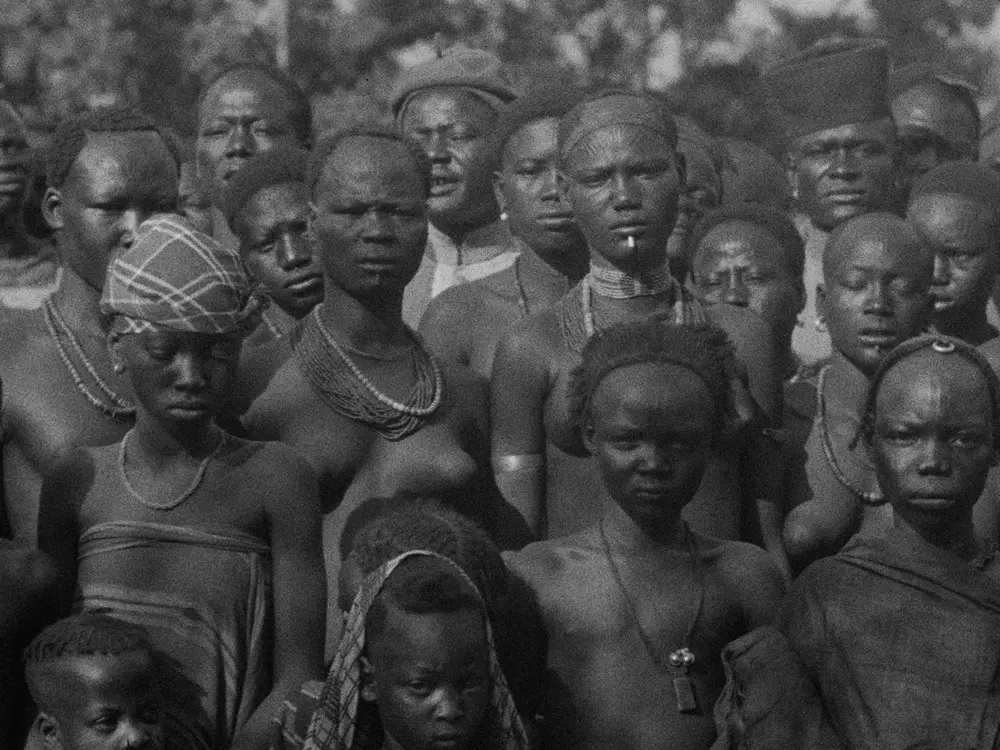
This film fails because its inherent colonial perspective creates a distance that occasionally feels more like a study of specimens than an engagement with fellow humans.
You should watch it if you want to witness the birth of ethnographic cinema and see how a filmmaker with no prior training can reinvent a genre through sheer observation.
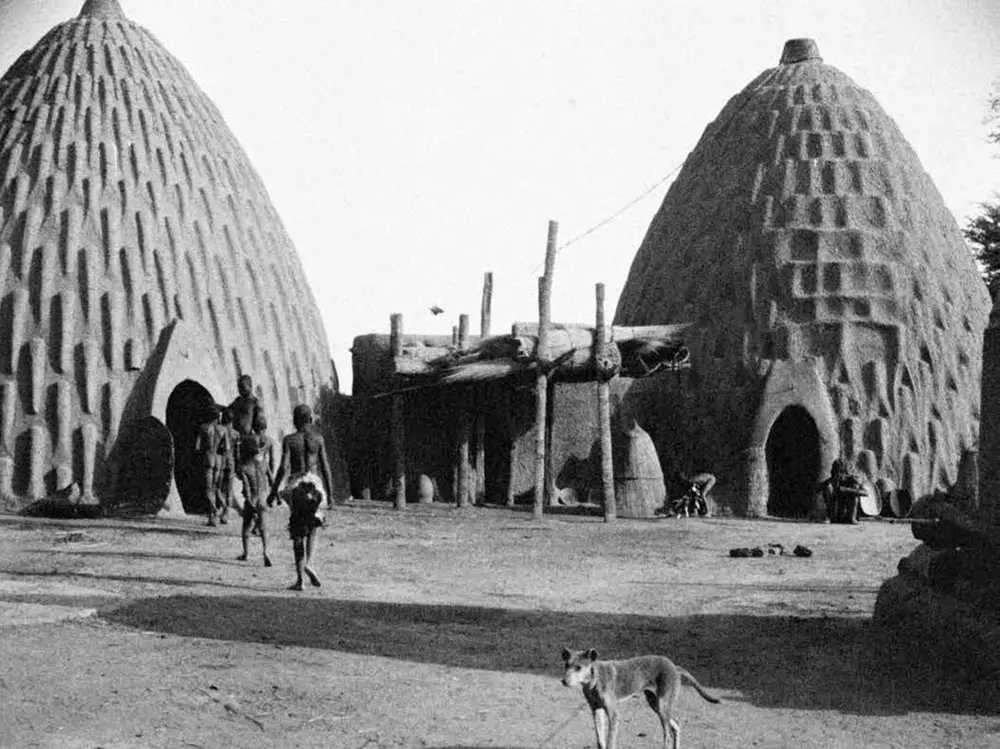
In the late 1920s, the concept of the 'documentary' was still being defined. Most films of the era that traveled to 'exotic' locales were designed to thrill Western audiences with tales of danger and primitive mystery. Films like The Texan or even early animated shorts like Trolley Troubles were feeding a public hunger for escapism. Marc Allégret, however, took a different path. In Voyage au Congo, there are no narrow escapes from lions, no staged battles between tribes, and no breathless narration of life-or-death struggles.
Allégret’s camera is remarkably still. He allows the frame to be filled by the daily labor of the Congolese people—the rhythmic pounding of grain, the intricate construction of a dwelling, the collective effort of navigating a river. By stripping away the element of adventure, Allégret forces the viewer to engage with the texture of life itself. It is a radical choice for 1927. While his contemporaries were busy trying to make reality look like fiction, Allégret was trying to find the poetry within the reality.
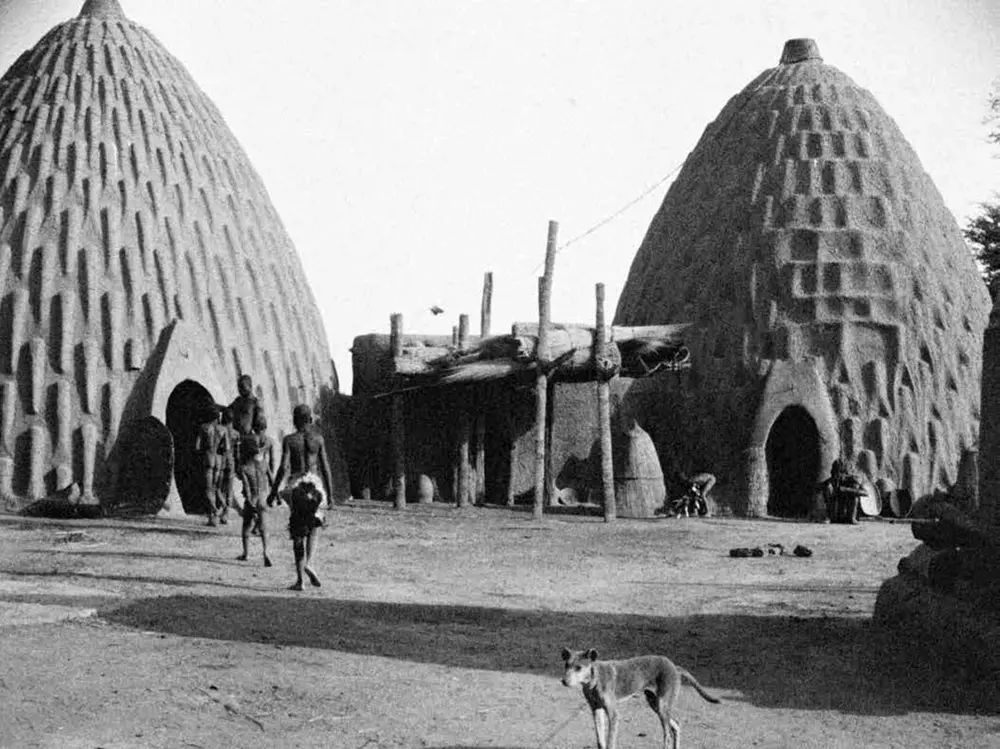
It is often said that Marc Allégret had no prior training in cinema before this trip. In many ways, this was his greatest asset. He didn't know the 'rules' of how to shoot a travel film, so he didn't follow them. His cinematography lacks the polished artifice found in high-society dramas like The Common Law. Instead, he relies on natural light and long takes that allow the subject's personality to eventually break through the initial awkwardness of being filmed.
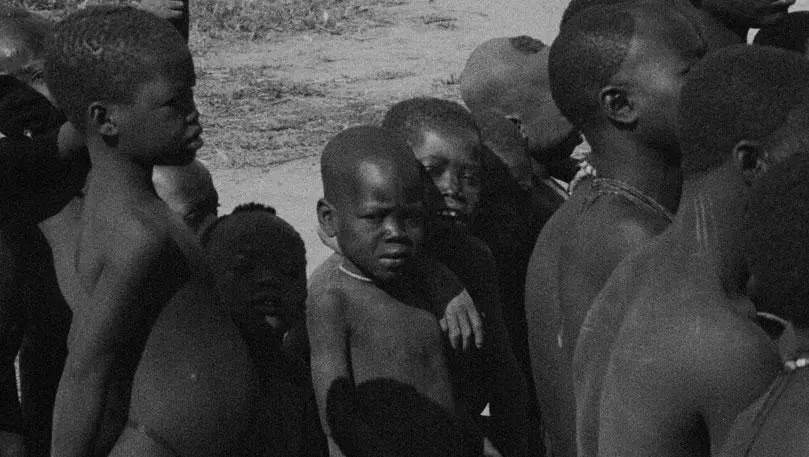
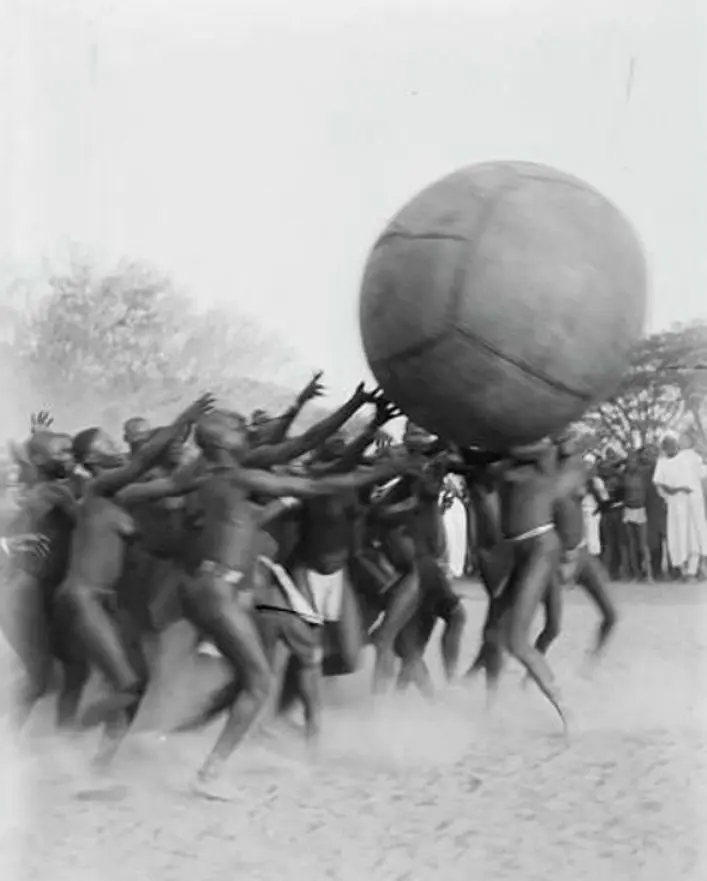
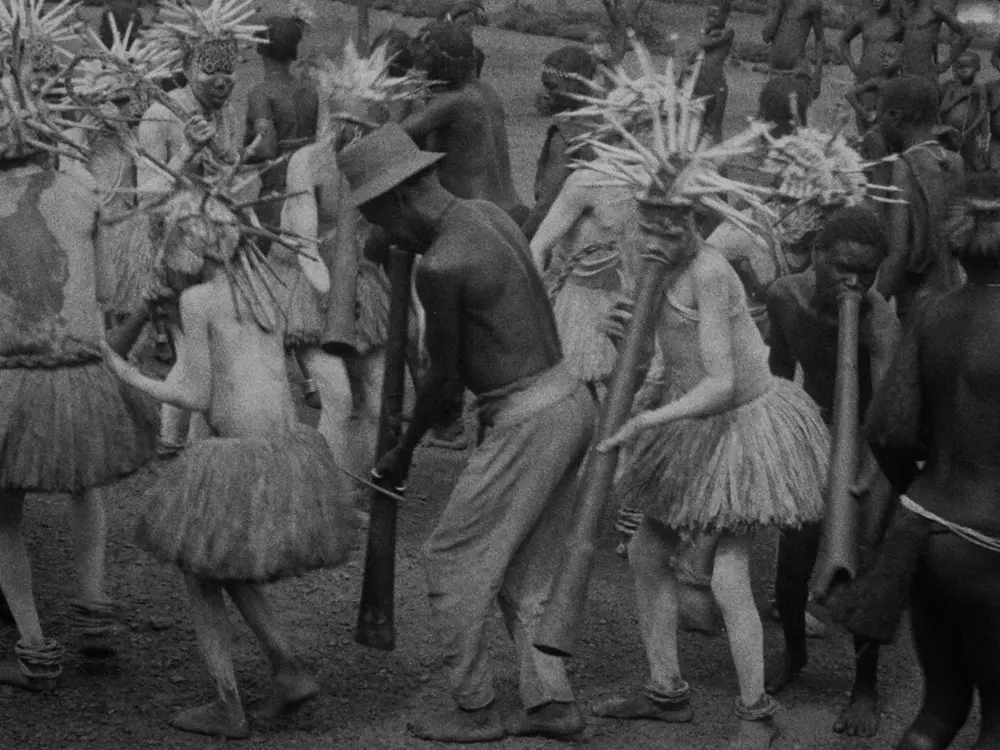
Consider the scenes of communal dancing. A more experienced director might have cut the footage to emphasize the rhythm or focused on close-ups of 'exotic' expressions to shock the viewer. Allégret keeps his distance. He uses wide and medium shots that capture the social structure of the dance—the way the elders watch, the way the children mimic the adults, and the physical space the community occupies. It works. But it’s flawed. The silence of the film—standard for the era—is particularly felt here. You see the movement, you see the sweat, but you are denied the heartbeat of the music, which creates a spectral, somewhat haunting effect.
One cannot discuss Voyage au Congo without mentioning André Gide. As Allégret’s mentor and companion, Gide’s presence is felt in the film’s intellectual rigor. While the film is a visual document, it shares the same critical spirit found in Gide’s writings, which were famously critical of the French colonial administration. However, the film itself remains largely apolitical in its imagery. It doesn't scream for reform; it simply shows what is there.
This creates a fascinating tension. The film is undeniably a product of the 'white gaze'—the perspective of a privileged European man looking at a world he perceives as 'pure' or 'primitive.' Yet, there is a tactfulness to his approach. He doesn't mock. He doesn't caricature. He captures the dignity of his subjects, even if he doesn't fully understand the depth of their internal lives. It’s a voyeuristic experience, but one that feels born out of genuine curiosity rather than a desire to exploit.
Compared to the narrative complexity emerging in Hollywood at the time, Voyage au Congo feels like a transmission from another planet. It lacks the melodrama of Social Hypocrites or the frantic energy of a comedy short. It is slow. It is deliberate. It asks you to wait. In an era where cinema was rapidly becoming an industry of spectacle, Allégret was using it as a tool for preservation.
Watching Voyage au Congo today is a complicated experience. We are more aware than ever of the power dynamics inherent in a white man filming colonized people. There are moments where the subjects look directly into the lens, and in their eyes, you see a mix of curiosity, boredom, and perhaps a touch of resentment. Allégret doesn't edit these looks out. He includes them, which adds a layer of honesty to the film that his peers might have avoided.
The film presents the Congo as a world of 'spiritual purity,' a common trope of the time that romanticized 'primitive' cultures as an antidote to the perceived decay of Western civilization. While this is a form of 'othering,' it is handled with far more grace here than in many other films of the decade. Allégret isn't looking for monsters; he’s looking for a way of being that he finds fascinating. The result is a film that serves as a mirror—not just for the Congo of 1926, but for the French intellectual mind of the same period.
Pros:
Cons:
Voyage au Congo is a difficult, beautiful, and essential piece of cinema history. It is not 'fun' in any traditional sense. It is a long sit. You will feel every minute of its wandering pace. But it is also a testament to the power of the camera to act as a witness. Marc Allégret may have started as a novice, but he ended the journey as a pioneer. By refusing to turn the Congo into a playground for European adventure, he paved the way for a cinema that respects the reality of its subjects. It is a flawed work, burdened by the era it was born into, but its value as a visual record is immeasurable. If you have the patience, the voyage is worth taking.
IMDb —
1916
Community
Log in to comment.