DbcultAccessing Vault...
7.6/10
Senior Film Conservator
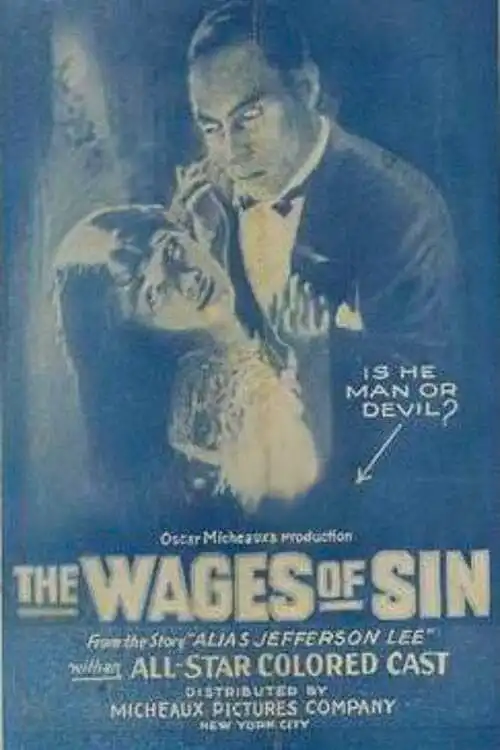
A definitive 7.6/10 rating for a film that redefined the boundaries of cult cinema. Wages of Sin remains a cornerstone of transgressive art.
Is this movie worth watching today? If you like seeing how people actually lived and partied in the late 1920s, yes. If you need 4K visuals and fast editing, you will probably hate every second of it.
It is a story for anyone who has ever had a family member they wanted to help, only to have that person completely blow it. Winston L. Jaune is the big-shot producer who thinks he is doing a good deed. He brings his brother, J. Lee, into the business.
J. Lee is basically the original version of that guy who gets a corporate credit card and immediately buys bottle service at the club. He does not just spend a little; he goes absolutely wild with the company funds. You can see the disaster coming from a mile away.
The party scenes are my favorite part. They feel a bit uncoordinated, like the extras werent entirely sure when to start dancing. But that makes it feel more like a real party and less like a staged movie set.
There is this one shot where J. Lee is in a cabaret, and he has this look on his face that is just pure arrogance. It is great. You really want to reach through the screen and shake him.
Oscar Micheaux wrote and directed this, and you can tell he had a lot to say about personal responsibility. Sometimes the moralizing gets a bit heavy. The title card pauses are a little too long, which is a thing in many silent films from this era like Cleopatra.
I noticed the interiors are very cramped. It feels like they were filming in real offices or tiny apartments. It adds a weird sense of claustrophobia to the drama.
One of the actors, Lorenzo Tucker, has this screen presence that just stands out. He was often called the Black Valentino, and you can see why. He just moves differently than everyone else in the frame.
The way J. Lee throws money around is actually painful to watch. Especially when you see Winston’s face as the bills start piling up. It reminded me a bit of the family tension in The Marriage Market.
The movie gets very dark toward the end. It stops being about fun parties and starts being about the literal wages of sin. Micheaux doesn't pull any punches when it comes to showing the consequences.
Sometimes the editing jumps around and I lost track of who was who for a second. But I think that is just part of the charm of these old independent films. They were working with so little, and they still made something that feels alive.
If you have seen The Dawn of a Tomorrow, you might appreciate the pacing here. It is slow, but it builds a specific mood that sticks with you.
Didja notice?
It is not a masterpiece of technical skill. But as a human story about greed and betrayal, it still works. I found myself thinking about it way more than I thought I would after the credits rolled.
Give it a shot if you have an hour to kill and want to see some history. Just don't expect it to be smooth.
IMDb —
1934
Community
Log in to comment.